Zen

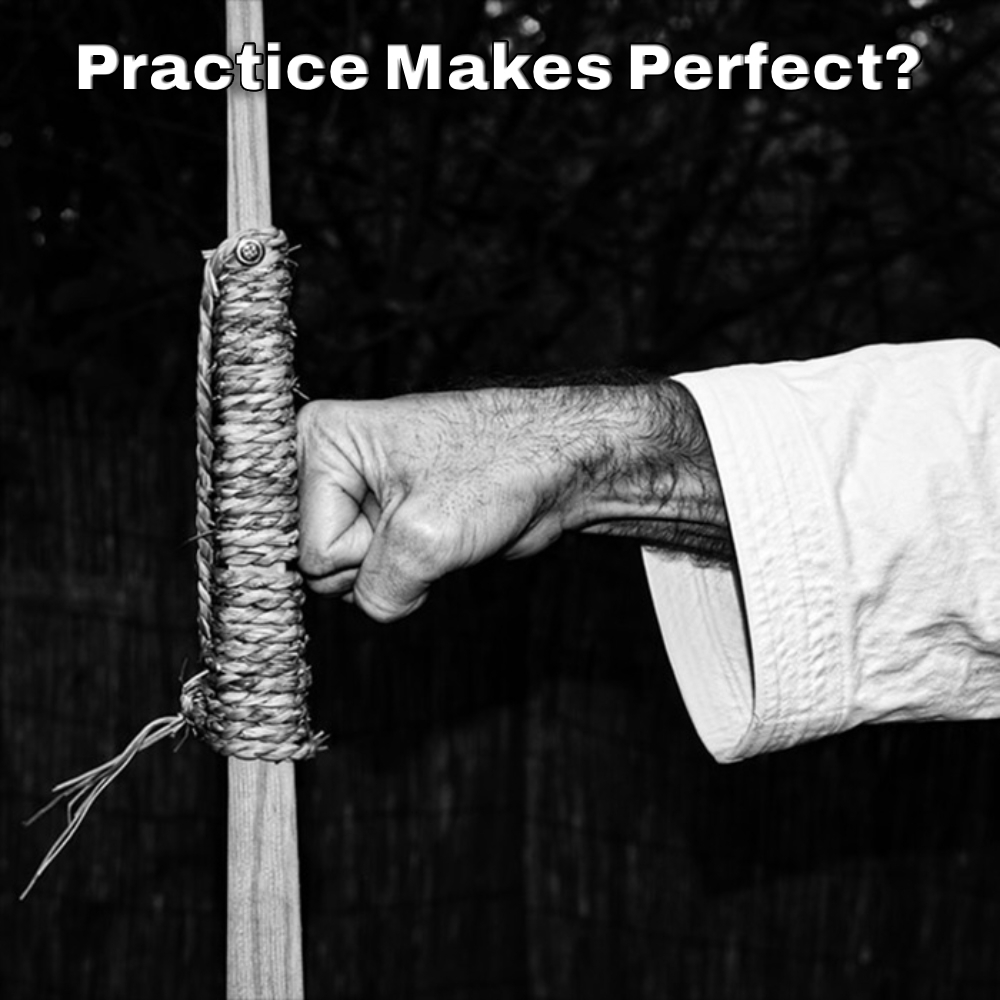
Practice Makes Perfect?

“Practice makes perfect.” How many times have you heard that to motivate you? The problem is, the phrase isn’t quite right. Practice doesn’t make perfect. It makes permanent. It should really be: Perfect practice makes perfect. Karate is known for its repetition. How many of you have attended a weekend seminar by a top instructor […]

Practice Makes Perfect? Read More »
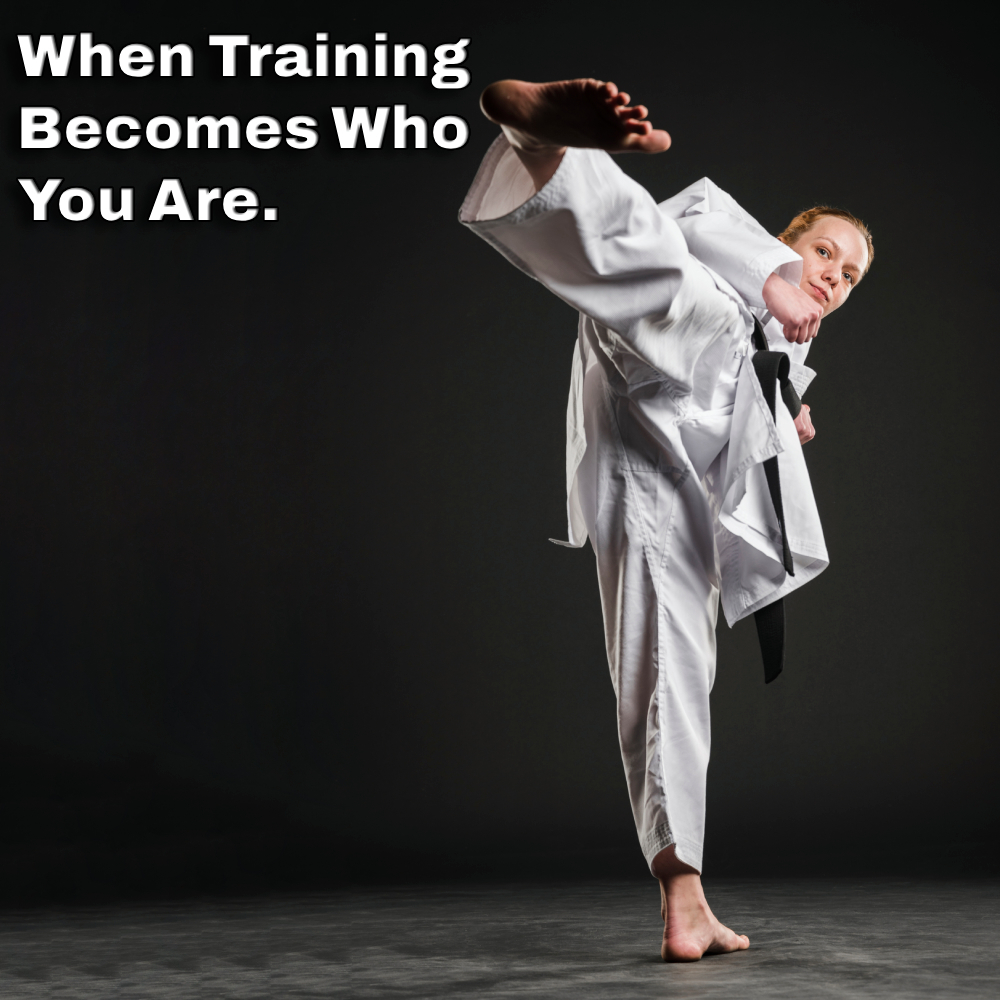
When Training Becomes Who You Are.

Losing interest in martial arts training happens to everyone at some point. It’s almost inevitable, and there are countless reasons why. How often have you heard someone say, “I used to do karate”? The decision to stop rarely feels dramatic. It’s often quiet. Yet years of work can fade surprisingly quickly. It begins innocently – skipping one

When Training Becomes Who You Are. Read More »

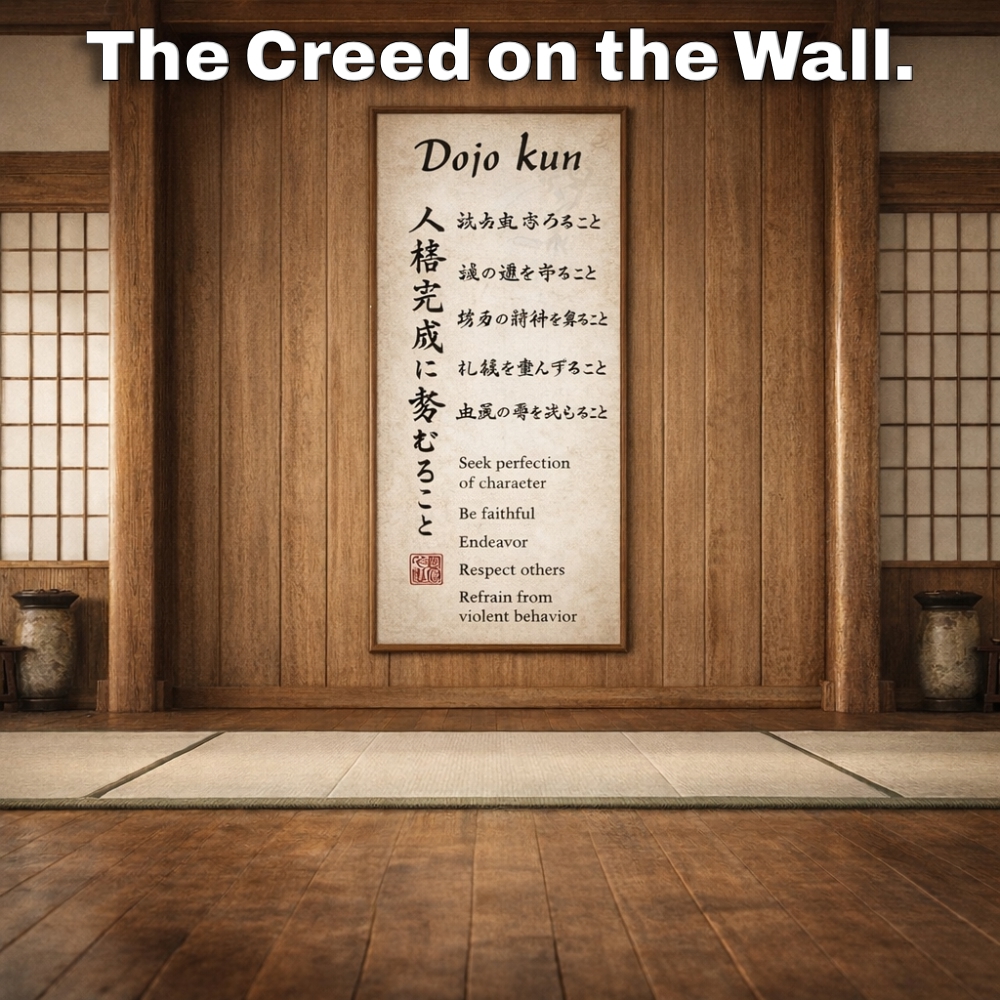
The Creed on the Wall.

Most dojos have a creed – a Dojo-Kun (道場訓). A list of promises or ideals, framed neatly on the wall. Students recite it at the start or end of class, bow respectfully, then forget half of it before they reach the car park. That isn’t criticism. It’s just observation. A creed is only words until you

The Creed on the Wall. Read More »

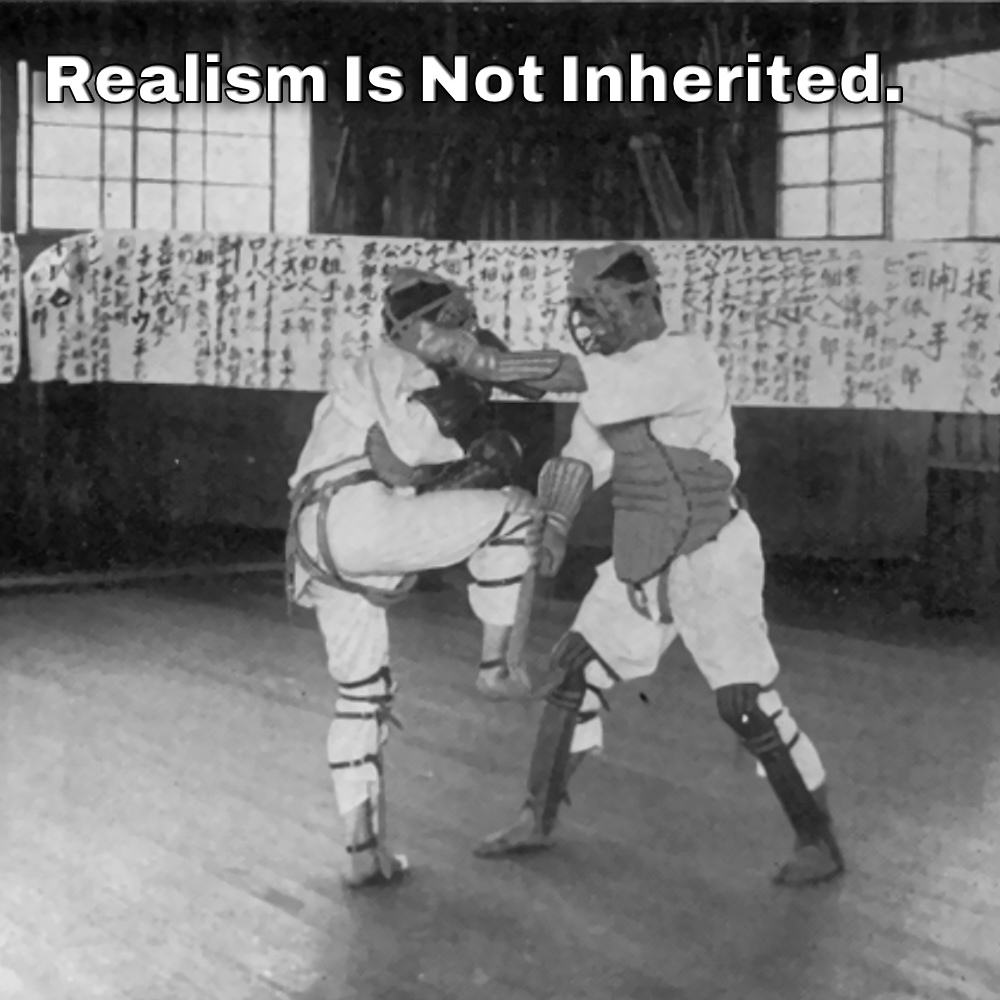
Realism Is Not Inherited.

Are older systems, older styles, closer to realism? There may be some truth in that. Older systems can preserve deeper material. They can carry forward ideas that were not designed for sport or performance. But age on its own doesn’t guarantee anything. I value lineage. I draw satisfaction from knowing who taught me, and who

Realism Is Not Inherited. Read More »

Is the Karate You Practice Really Suitable for Self-Defense?

Almost every promotional video I am sent to watch, or website I am asked to view, mentions one thing – self-defense. Very few say they teach competition. Fewer still say it is primarily for fitness or personal development. Self-defense is the preferred label. There is nothing inherently wrong with that. The problem begins when the content

Is the Karate You Practice Really Suitable for Self-Defense? Read More »

Does Kata Work – Or Are We Avoiding What It Demands?

If we don’t understand the applications in kata – are we wasting our time? Someone asked me that recently. It’s a fair question. There is no single, perfect answer to what any movement in kata “is”. Even if the original creator had something specific in mind, that intent is long gone. What remains is the

Does Kata Work – Or Are We Avoiding What It Demands? Read More »

What Are You Waiting For?

Karate has changed – we all know that. The karate created by the pioneers on Okinawa looks very different from much of what we see today. And of course, those later pioneers were part of that shift themselves. Change didn’t happen by accident. When I watch students from other dojo trying to work out bunkai

What Are You Waiting For? Read More »

Lineage Is Not a Substitute for Reality.

I’ve seen a series of so-called self-defense demonstrations doing the rounds on social media recently. They’re being promoted under the banner of a well-known karate lineage. So what? You might say. Well, it matters. Because when a respected name is attached to something, people assume credibility. They assume it must be solid. But that is

Lineage Is Not a Substitute for Reality. Read More »

Leaving Yourself Options.

In any form of martial art, action is always faster than reaction. There’s a difference between anticipating something and reacting to it. If your interest is in self-protection, anticipation is what keeps you safe. One of those principles is simple – ask yourself “what if?” When I used to teach advanced driving, we taught it all

Leaving Yourself Options. Read More »

When the Drill Breaks.

Sometimes a student freezes. Not because they don’t know a technique – but because the expected sequence has disappeared. That is the moment training becomes real. In my last article, I wrote that cooperation is not the same as pressure – that structure without uncertainty becomes choreography. The natural question follows. How do we introduce uncertainty

When the Drill Breaks. Read More »

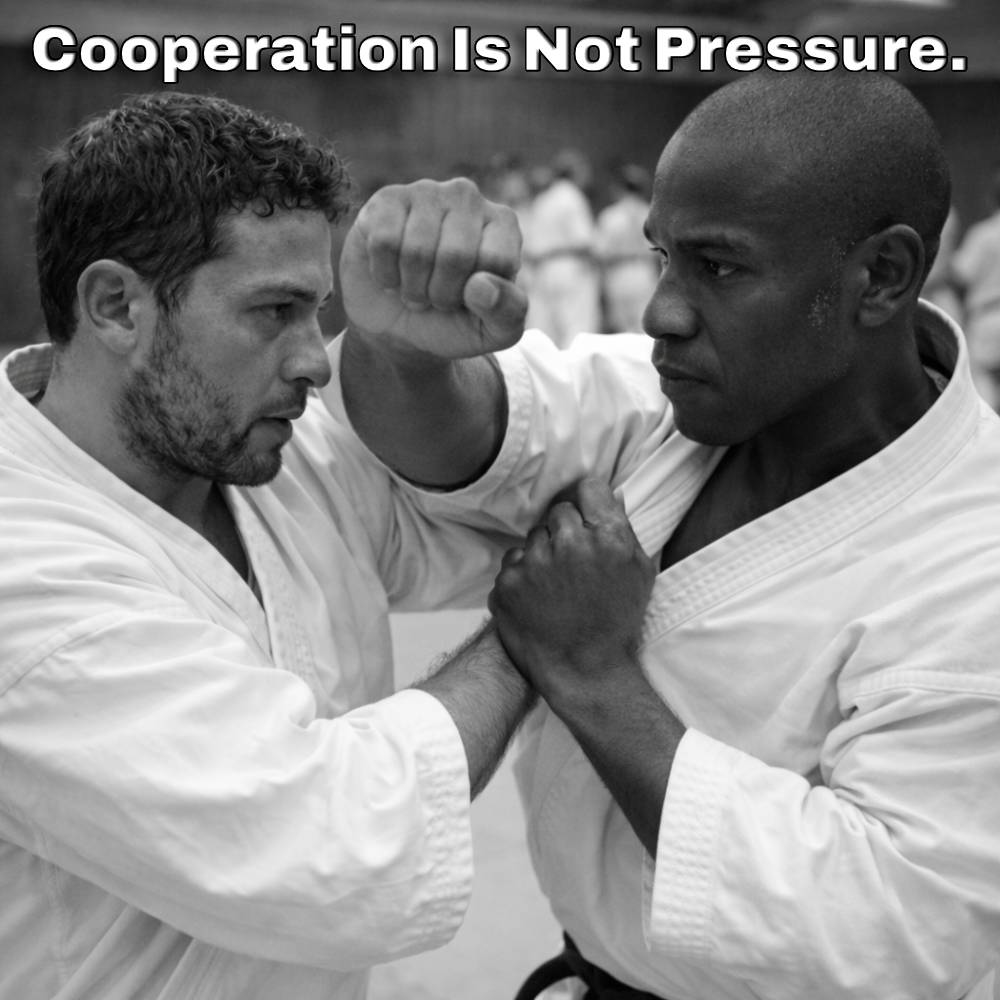
Cooperation Is Not Pressure.

In my last article, I wrote that before there were kata, there were two people working together. That order matters. But working together is not the same as working under pressure. There is a difference between training with a partner and training against uncertainty. And that difference matters. Many schools spend a great deal of time

Cooperation Is Not Pressure. Read More »