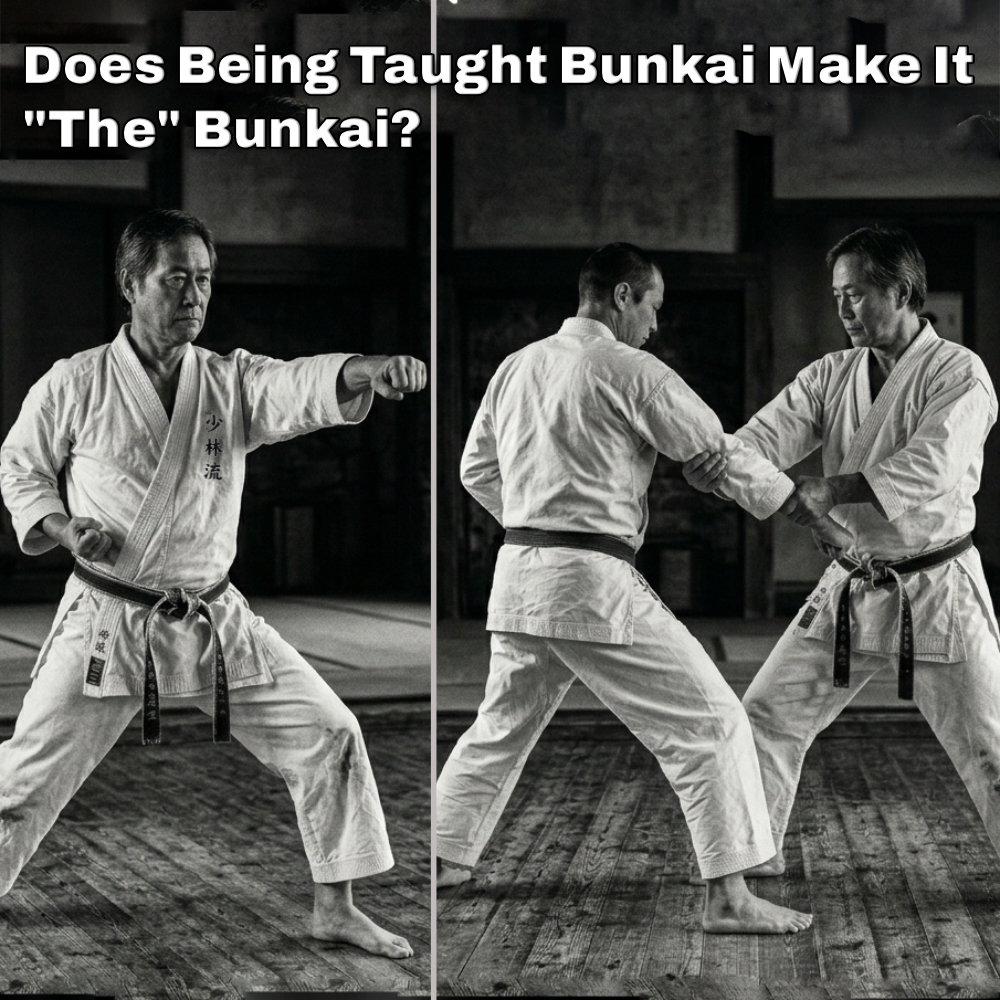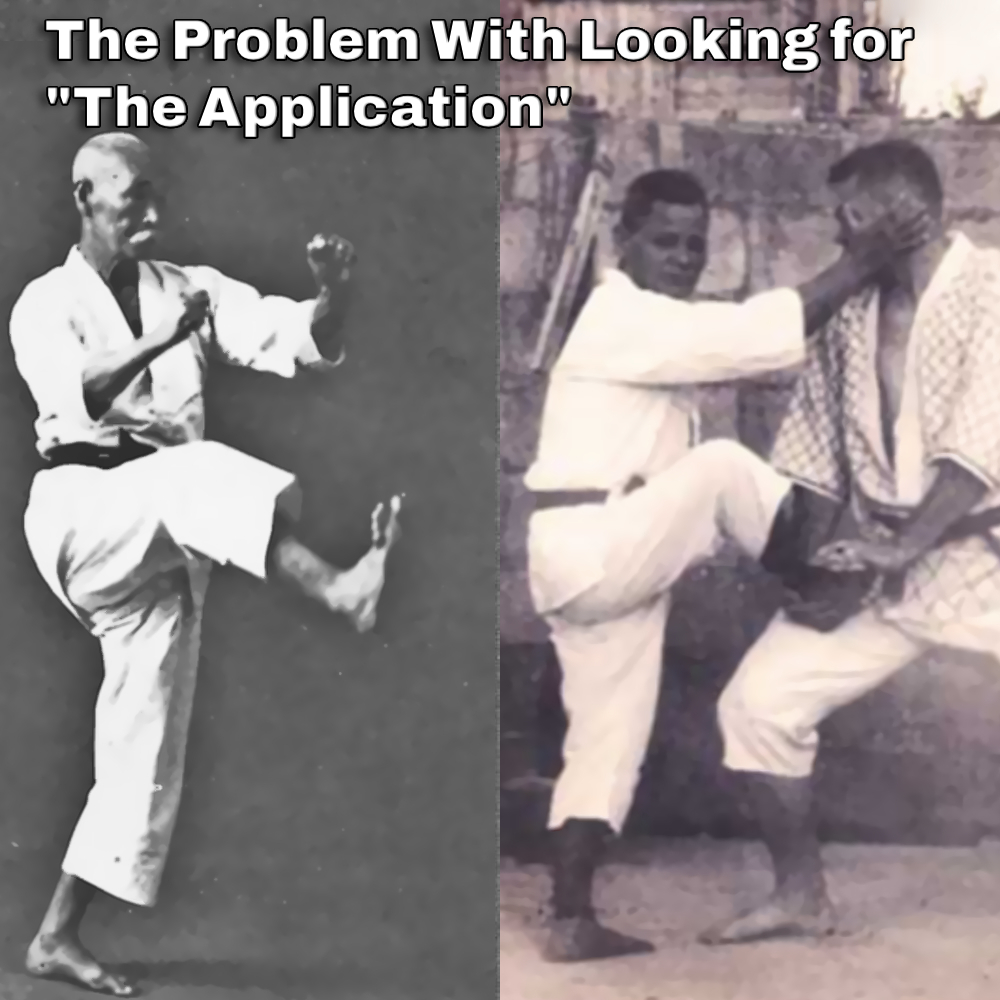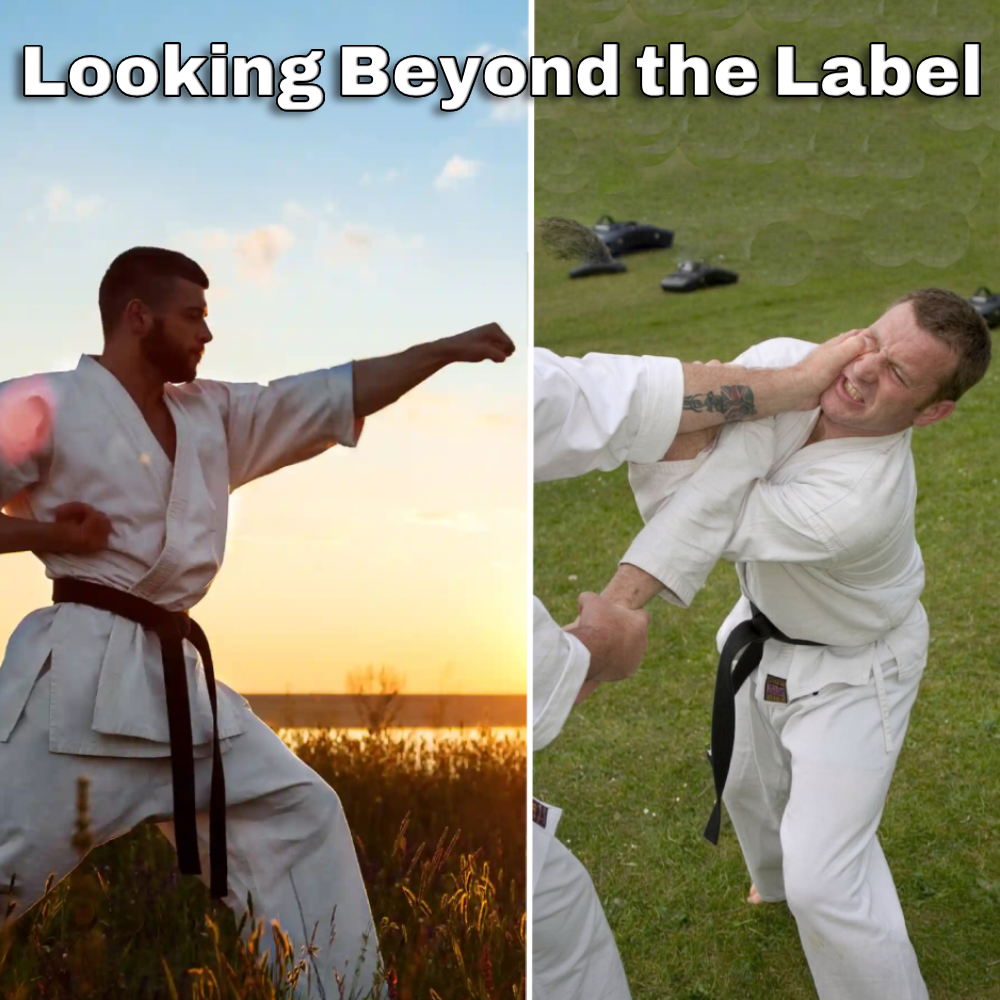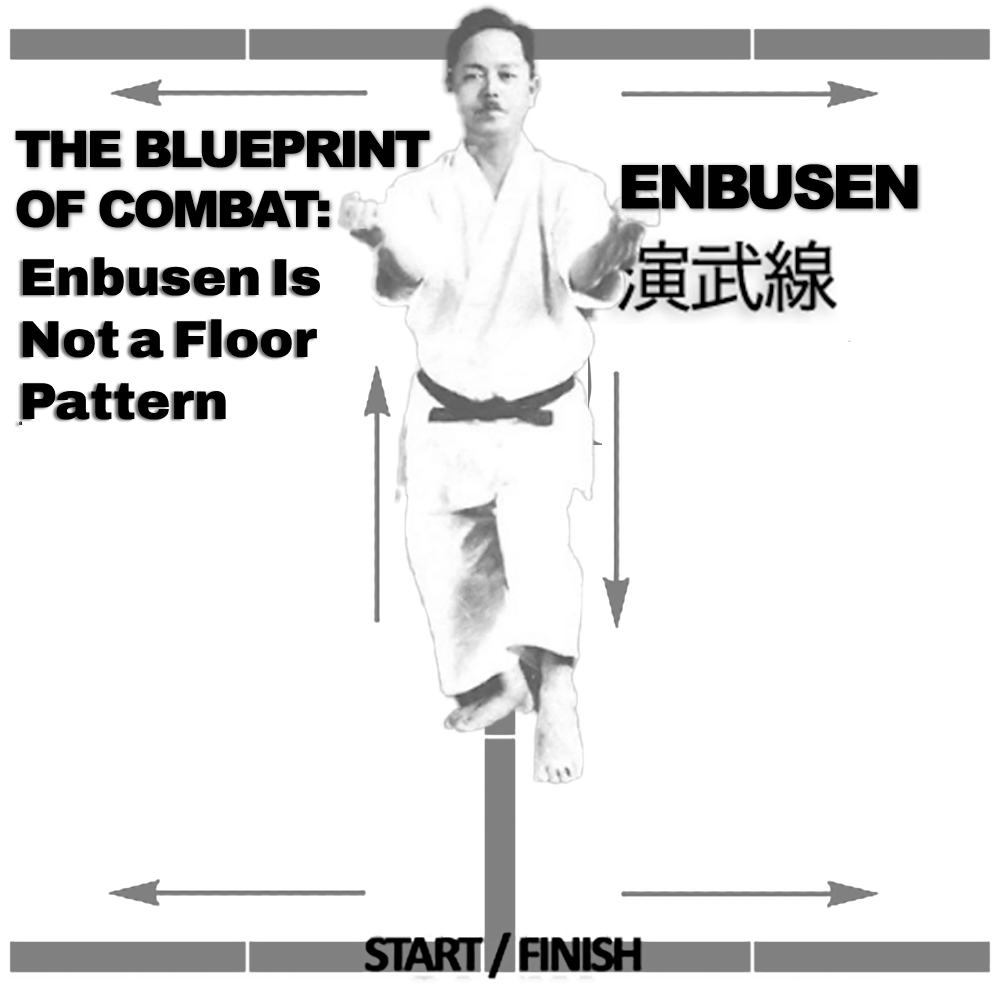
Many karate practitioners are taught to think in terms of techniques. Movements are labeled, categorized, and assigned a specific purpose. One technique blocks. Another strikes. Another performs a different function entirely. Over time this can create the impression that karate is a large collection of separate techniques, each designed to solve a specific problem. When…
Tag: Bunkai
Winning Is Not the Goal in Self-Defense
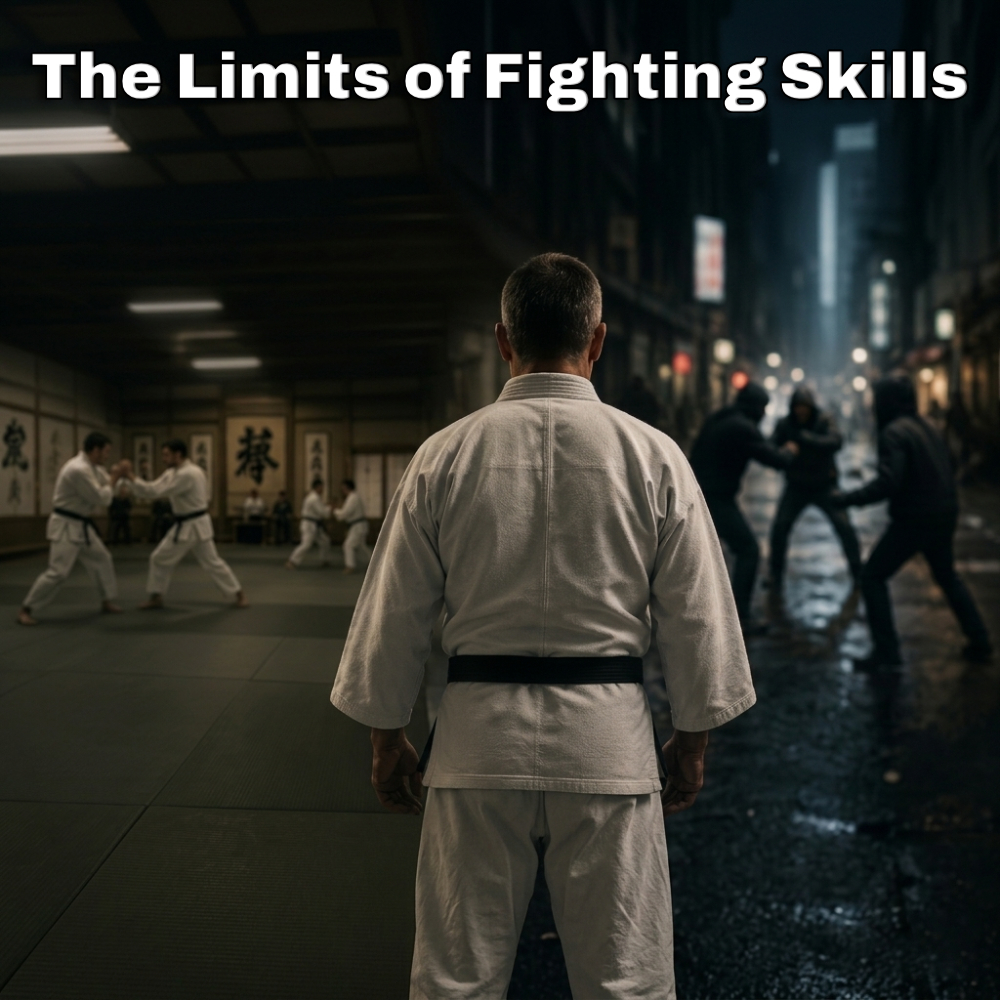
Self-defense and fighting are often spoken about as if they are the same thing. They are not. There is overlap between the two, but they are fundamentally different in both purpose and outcome. This distinction is often misunderstood, particularly because many people are taught physical or fighting skills first when they attend a “self-defense” class….
Why Karate “Blocks” Don’t Work the Way We Think
One of the first things you learn as a beginner is a ‘block’, right? Typically, it’s one of these: upper, middle inner, middle outer, or a down block. You spend a significant amount of time practicing these blocks, focusing on the small details, making sure your pulling hand (hikite) is positioned perfectly, all performed with…
What ‘Style’ Originally Meant in Early Karate
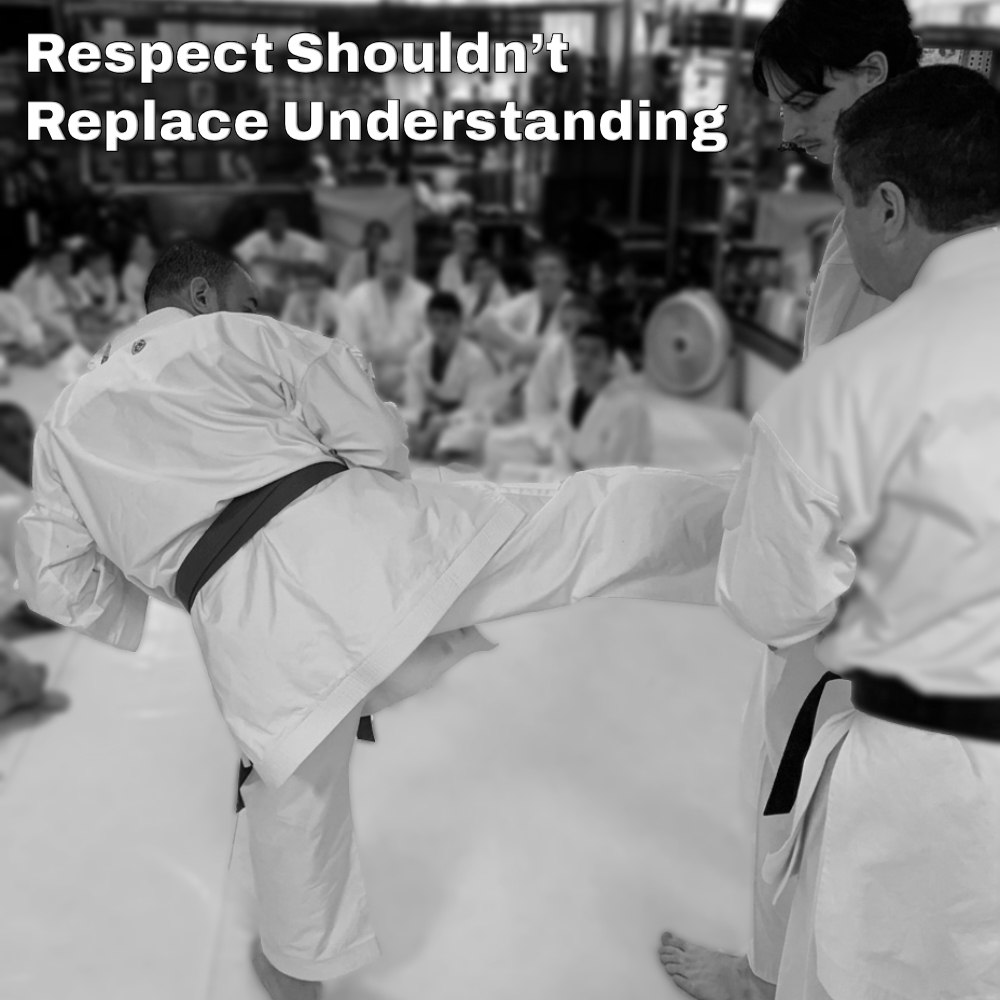
Choki Motobu once remarked that a single kata represented the style of the time. In my opinion, he wasn’t talking about stances and techniques, but something deeper. Motobu was known for his very practical view of fighting. He famously emphasized the importance of Naihanchi, once stating that “Naihanchi is the foundation of karate.” His focus…
Step Off the Centre Line… Then What?
Being attacked with a knife is terrifying. I have seen the results of many of these attacks in my past careers – some of them fatal. And yet most knife defense demonstrations begin the same way. A single, committed middle thrust from distance. Like a standard karate-type stepping punch. No – that’s not how it happens….
Realism Is Not Inherited.
Are older systems, older styles, closer to realism? There may be some truth in that. Older systems can preserve deeper material. They can carry forward ideas that were not designed for sport or performance. But age on its own doesn’t guarantee anything. I value lineage. I draw satisfaction from knowing who taught me, and who…
Is the Karate You Practice Really Suitable for Self-Defense?
Almost every promotional video I am sent to watch, or website I am asked to view, mentions one thing – self-defense. Very few say they teach competition. Fewer still say it is primarily for fitness or personal development. Self-defense is the preferred label. There is nothing inherently wrong with that. The problem begins when the content…
Does Kata Work – Or Are We Avoiding What It Demands?
If we don’t understand the applications in kata – are we wasting our time? Someone asked me that recently. It’s a fair question. There is no single, perfect answer to what any movement in kata “is”. Even if the original creator had something specific in mind, that intent is long gone. What remains is the…
What Are You Waiting For?
Karate has changed – we all know that. The karate created by the pioneers on Okinawa looks very different from much of what we see today. And of course, those later pioneers were part of that shift themselves. Change didn’t happen by accident. When I watch students from other dojo trying to work out bunkai…
Lineage Is Not a Substitute for Reality.
I’ve seen a series of so-called self-defense demonstrations doing the rounds on social media recently. They’re being promoted under the banner of a well-known karate lineage. So what? You might say. Well, it matters. Because when a respected name is attached to something, people assume credibility. They assume it must be solid. But that is…
Leaving Yourself Options.
In any form of martial art, action is always faster than reaction. There’s a difference between anticipating something and reacting to it. If your interest is in self-protection, anticipation is what keeps you safe. One of those principles is simple – ask yourself “what if?” When I used to teach advanced driving, we taught it all…
When the Drill Breaks.
Sometimes a student freezes. Not because they don’t know a technique – but because the expected sequence has disappeared. That is the moment training becomes real. In my last article, I wrote that cooperation is not the same as pressure – that structure without uncertainty becomes choreography. The natural question follows. How do we introduce uncertainty…