Self-Protection

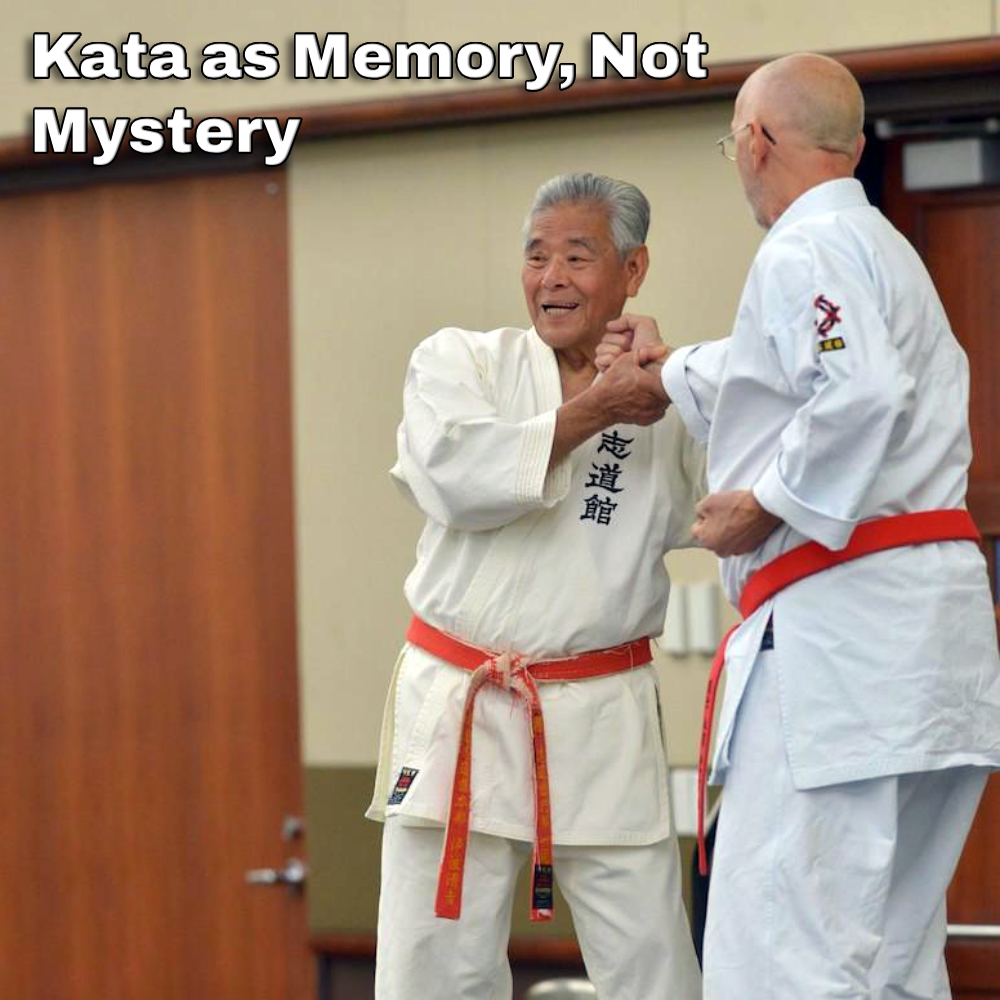
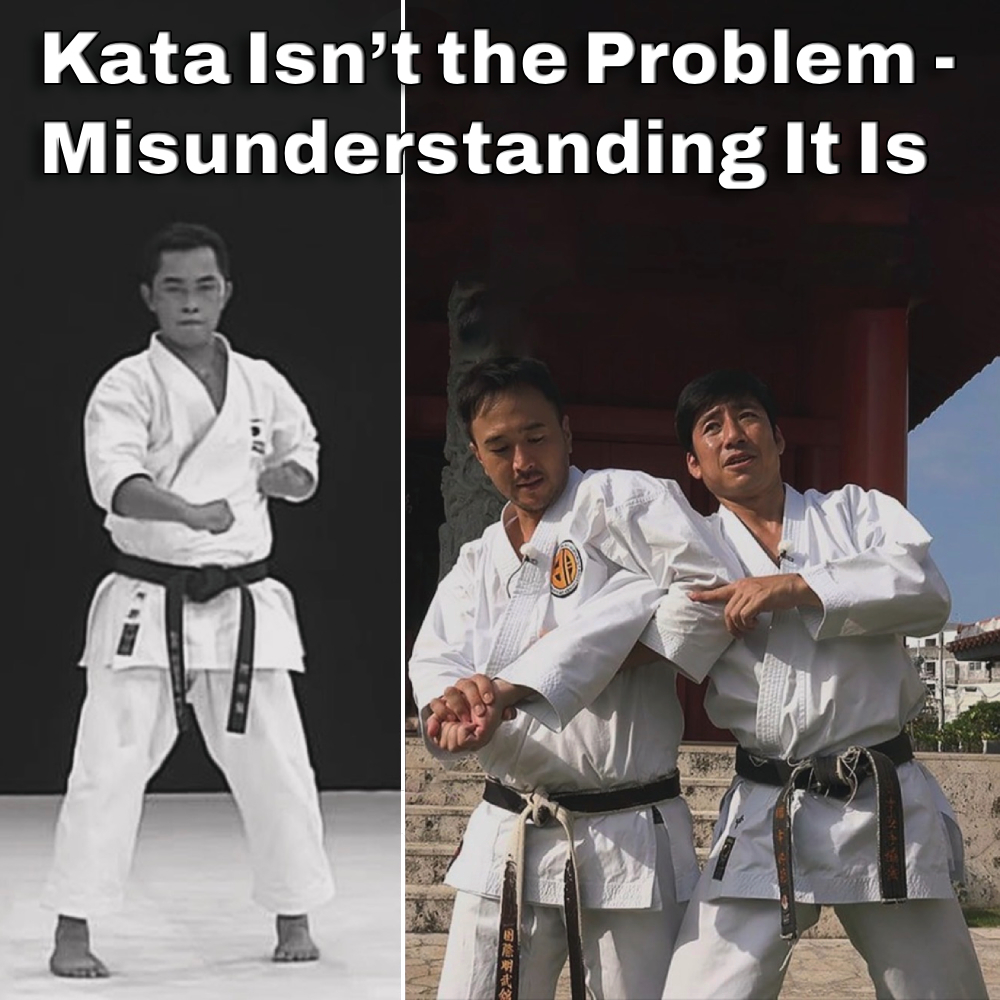
Kata as Memory, Not Mystery

I came across a story told by Seikichi Iha (1931-2024) talking about the origins of kata. What stood out for me wasn’t the detail, it was the simplicity of the idea. He suggested that kata may have been formed by working backwards from what someone found useful in a fight – simply what worked for

Kata as Memory, Not Mystery Read More »

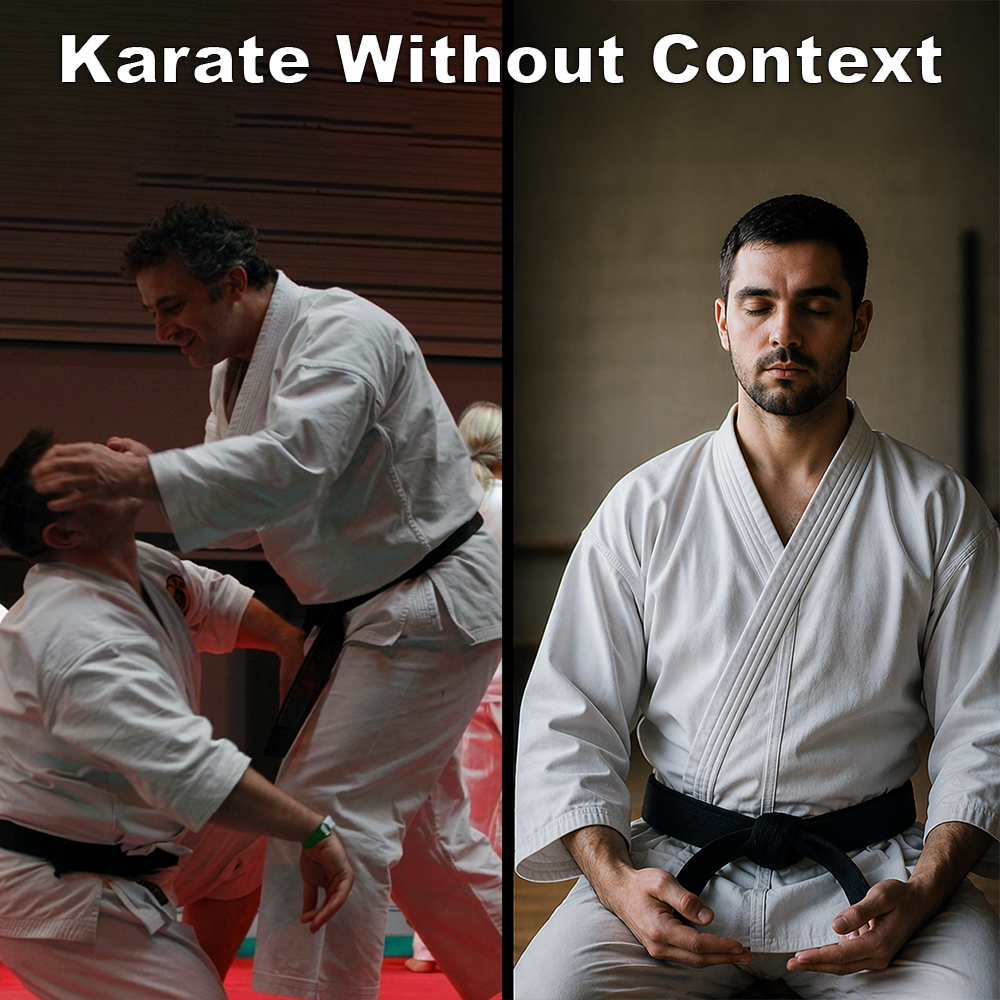
Karate Without Context

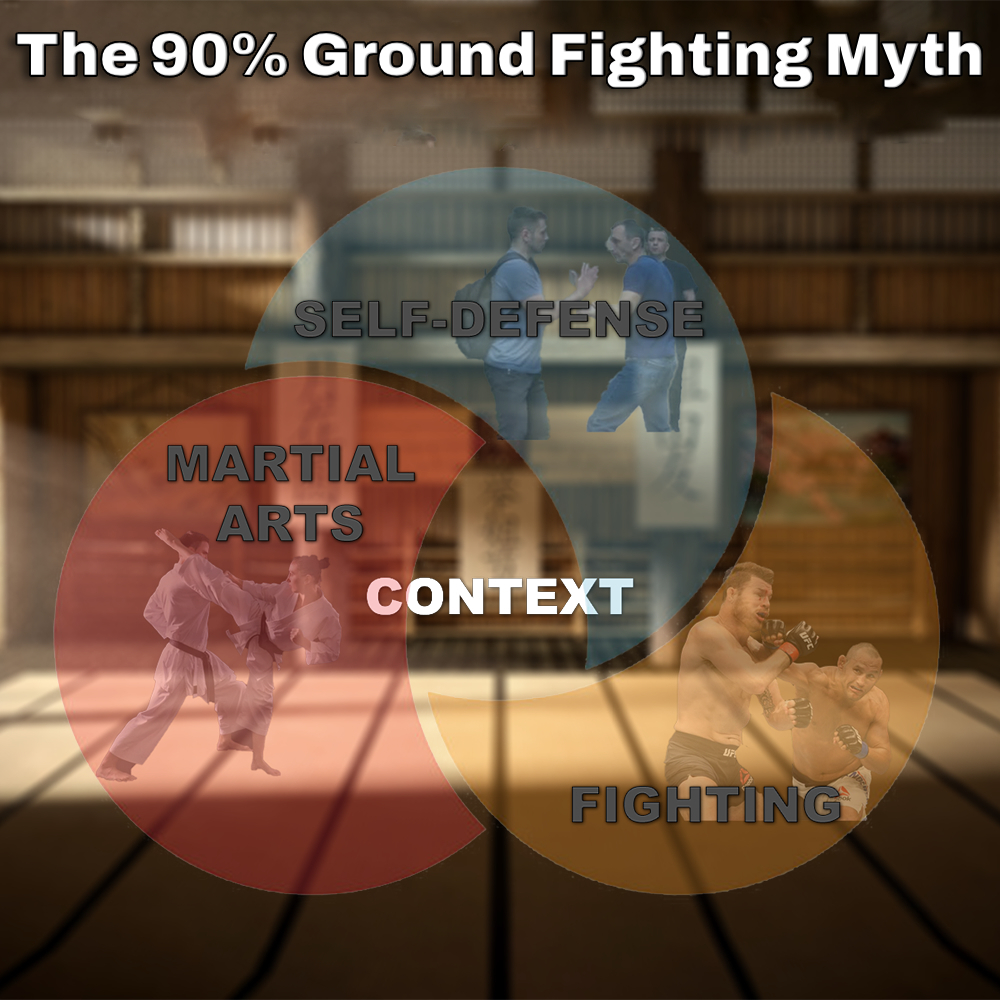
Someone made a comment recently that stuck with me. Not because it was unusual – but because it was honest. The person had been training in Shotokan for nearly 30 years and said he was completely indifferent to self-defense. For him, karate was a kind of moving meditation. Something personal. Something calm. Something far removed

Karate Without Context Read More »

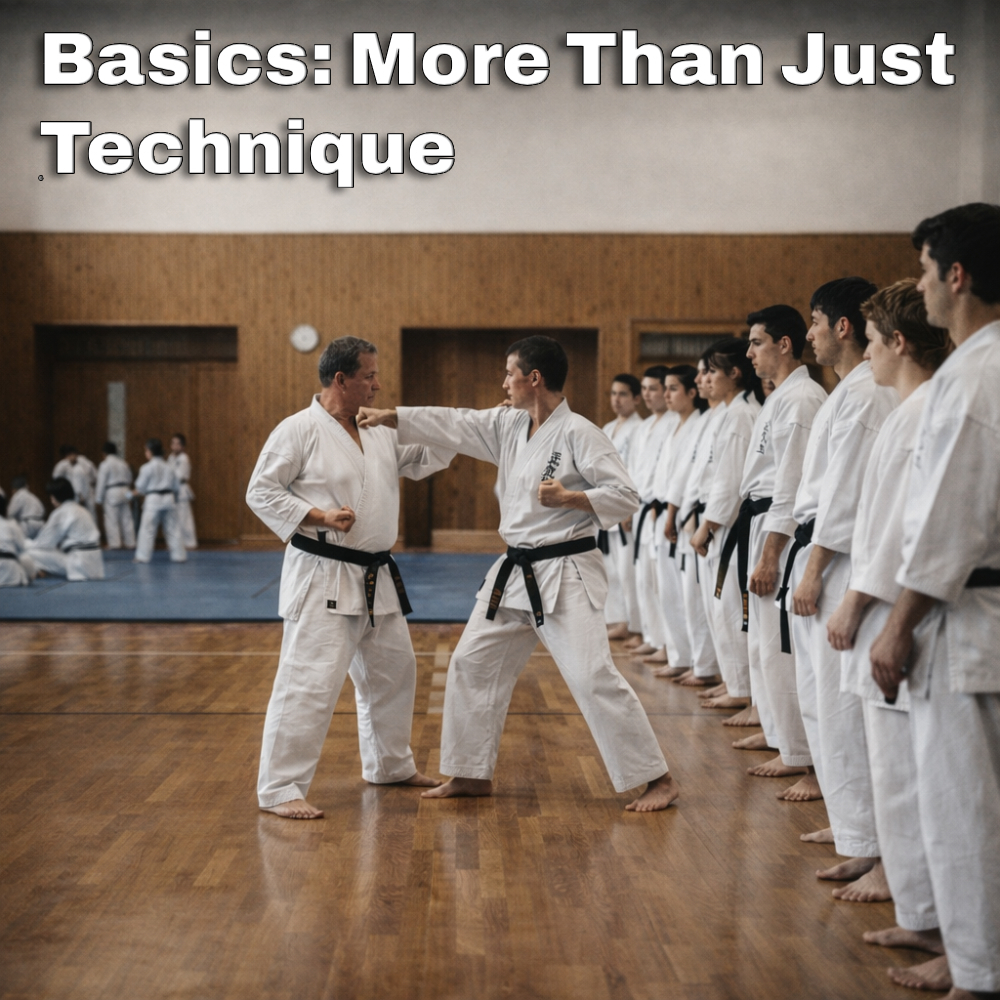
Basics: More Than Just Technique

One of the biggest challenges for any instructor is keeping students focused on the basics. Why is this important? Because without a good solid foundation, everything built on top of it eventually starts to give way. It might not be obvious at first. In fact, it often looks quite the opposite. People get faster, sharper,

Basics: More Than Just Technique Read More »

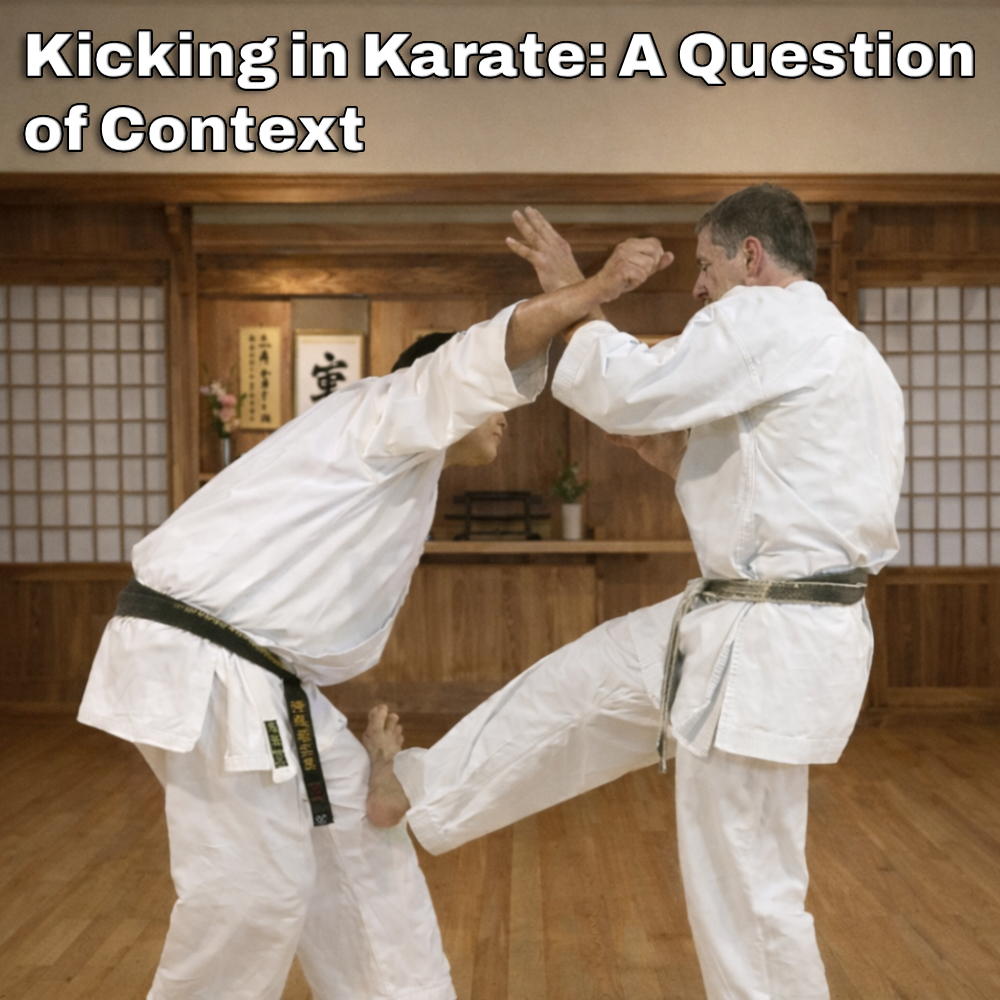
Kicking in Karate: A Question of Context

In the modern dojo, it’s common to see almost every combination include a kick somewhere within it. That isn’t accidental. It reflects the influence of competitive environments, where kicking plays a significant role. At a high level, competitors are exceptional athletes. They have the timing, flexibility, balance, and conditioning to apply kicks in ways that

Kicking in Karate: A Question of Context Read More »

What Survives at 95?

I watched a 95-year-old Okinawan Uechi-ryu master recently performing Sanseiryu, Shintoku Takara, and it stayed with me longer than I expected. Not because of anything dramatic, but because of how little seemed to be happening on the surface. There was no urgency, no obvious effort, and none of the exaggerated movement that people often associate with

What Survives at 95? Read More »

When Power Becomes Performance

Do you watch a kata and, at first glance, it looks impressive – snappy, powerful – but something about the function just feels wrong? The techniques look powerful, but only because the body is being overused to make them look that way. Big shoulder rotation. Excessive upper body movement. A visible “back and forth” to

When Power Becomes Performance Read More »