Fighting

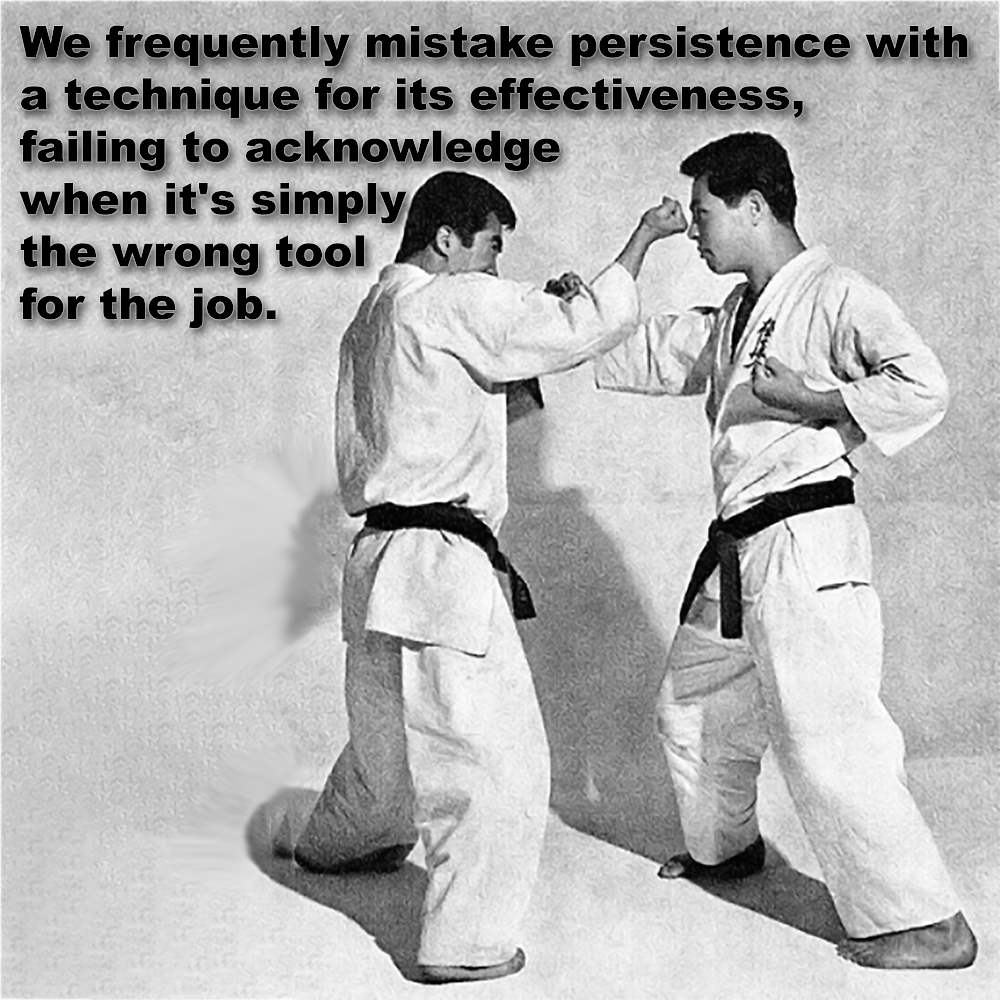
“We frequently mistake persistence with a technique for its effectiveness, failing to acknowledge when it’s simply the wrong tool for the job.”

(1 minute 55 second read) Much of today’s martial arts training, often presents a romanticized image of combat. . You bow, assume stances, exchange strikes within a controlled environment, with padded hands and feet, possibly even head guards too. This structured approach fosters discipline, technique, protection, and respect – but does it truly prepare you […]
“We frequently mistake persistence with a technique for its effectiveness, failing to acknowledge when it’s simply the wrong tool for the job.” Read More »

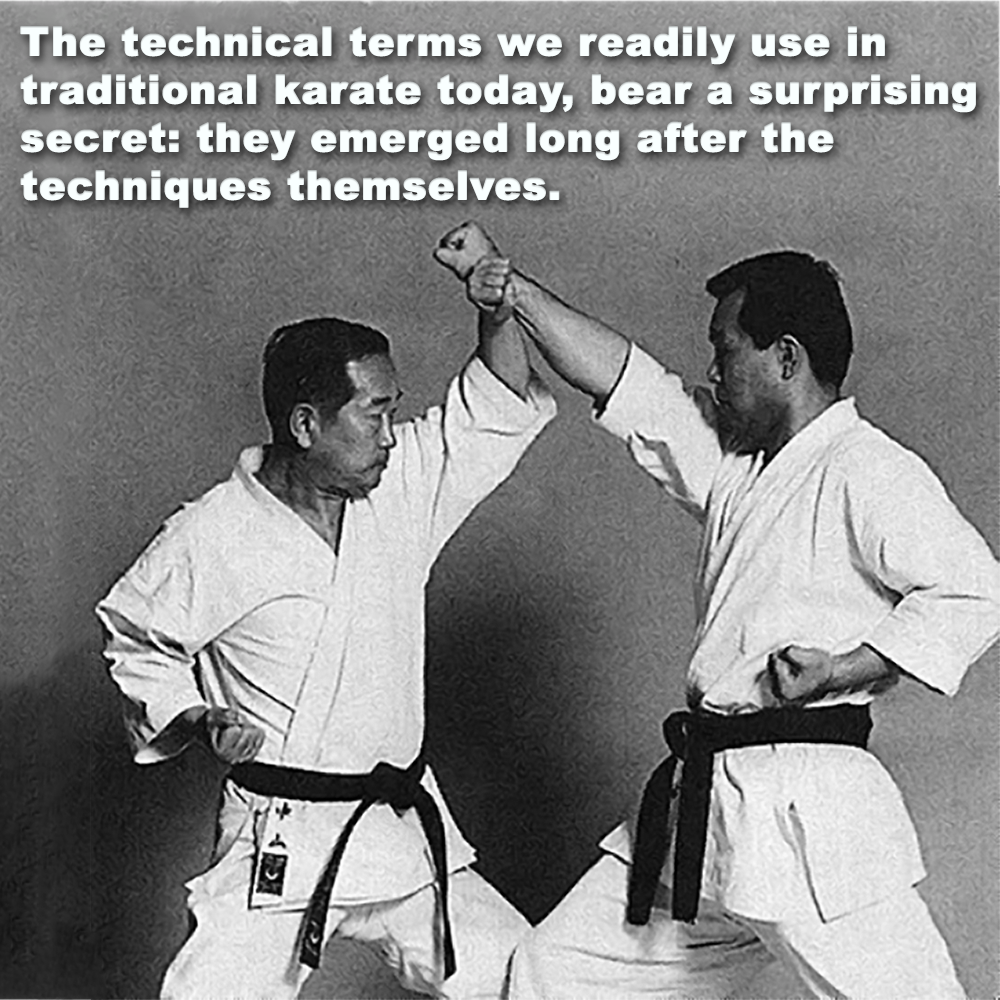
The technical terms we readily use in traditional karate today, bear a surprising secret: they emerged long after the techniques themselves.

(2 minute read) The technical terms we readily use in traditional karate today, bear a surprising secret: they emerged long after the techniques themselves. . Imagine stepping into an early Okinawan karate dojo. Unlike today’s regimented classes, this environment was very different. . The teachers of the time passed down their knowledge to only a

The technical terms we readily use in traditional karate today, bear a surprising secret: they emerged long after the techniques themselves. Read More »

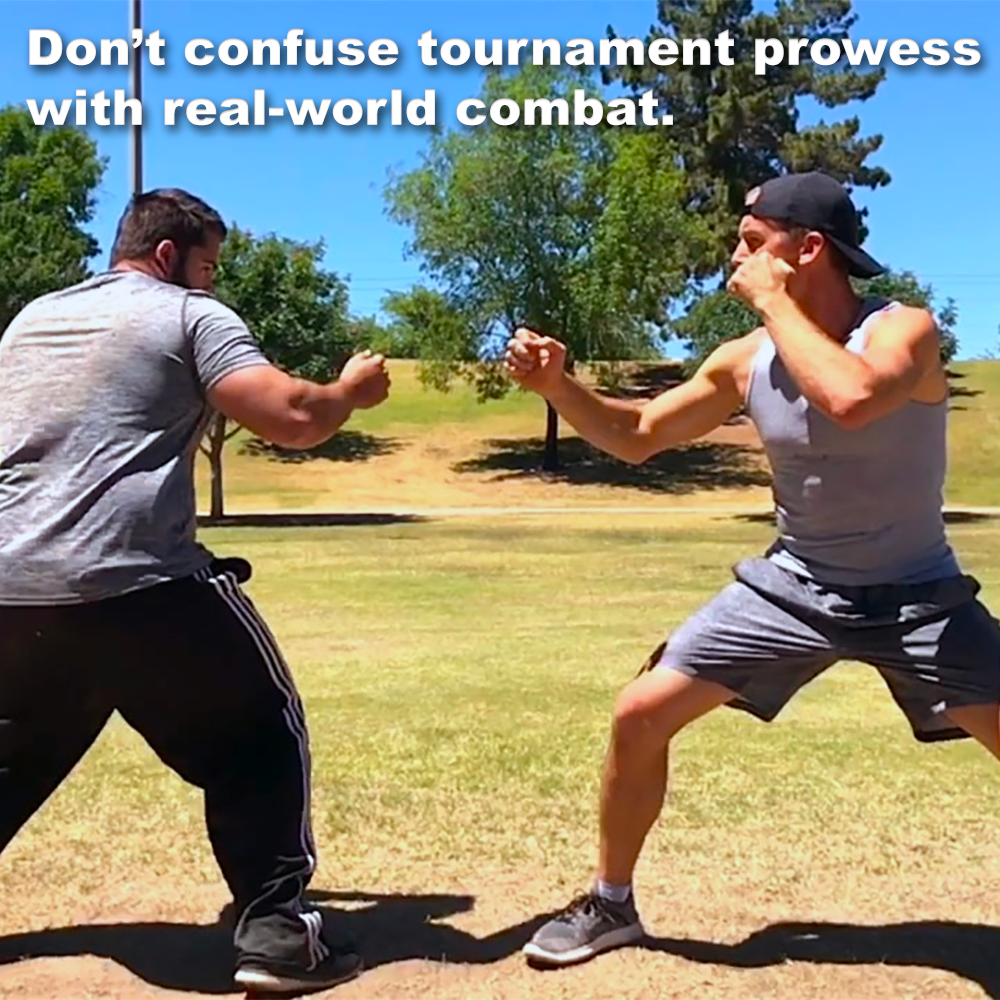
Don’t confuse tournament prowess with real-world combat.

(1 minute 7 second read) Do you consider yourself someone who rises to challenges head-on? . While strength and courage are valuable traits, it’s crucial to understand that fighting shouldn’t be the first resort in resolving conflict. . Street fights are unpredictable and fraught with dangers: hidden weapons, unexpected allies, and potentially fatal environmental hazards.

Don’t confuse tournament prowess with real-world combat. Read More »

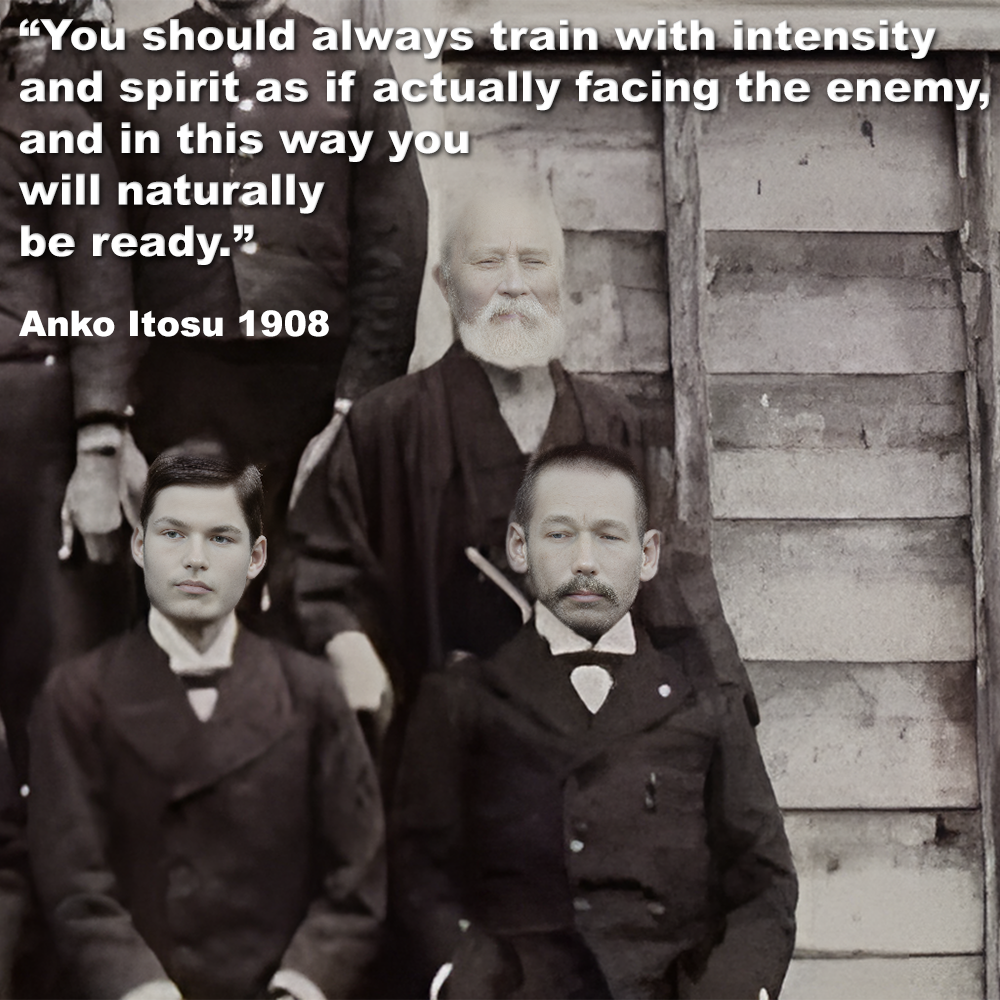
“You should always train with intensity and spirit as if actually facing the enemy, and in this way you will naturally be ready.”

(2 minute 15 second read) Anko Itosu, revered as the father (sometimes Grandfather) of modern karate, through his teachings, and writings, Itosu shaped the course of karate’s evolution. . Anko Itosu was born in 1831 in Shuri, the capital of the Ryukyu Kingdom, now Okinawa. Little is known about his childhood, but it is believed

“You should always train with intensity and spirit as if actually facing the enemy, and in this way you will naturally be ready.” Read More »

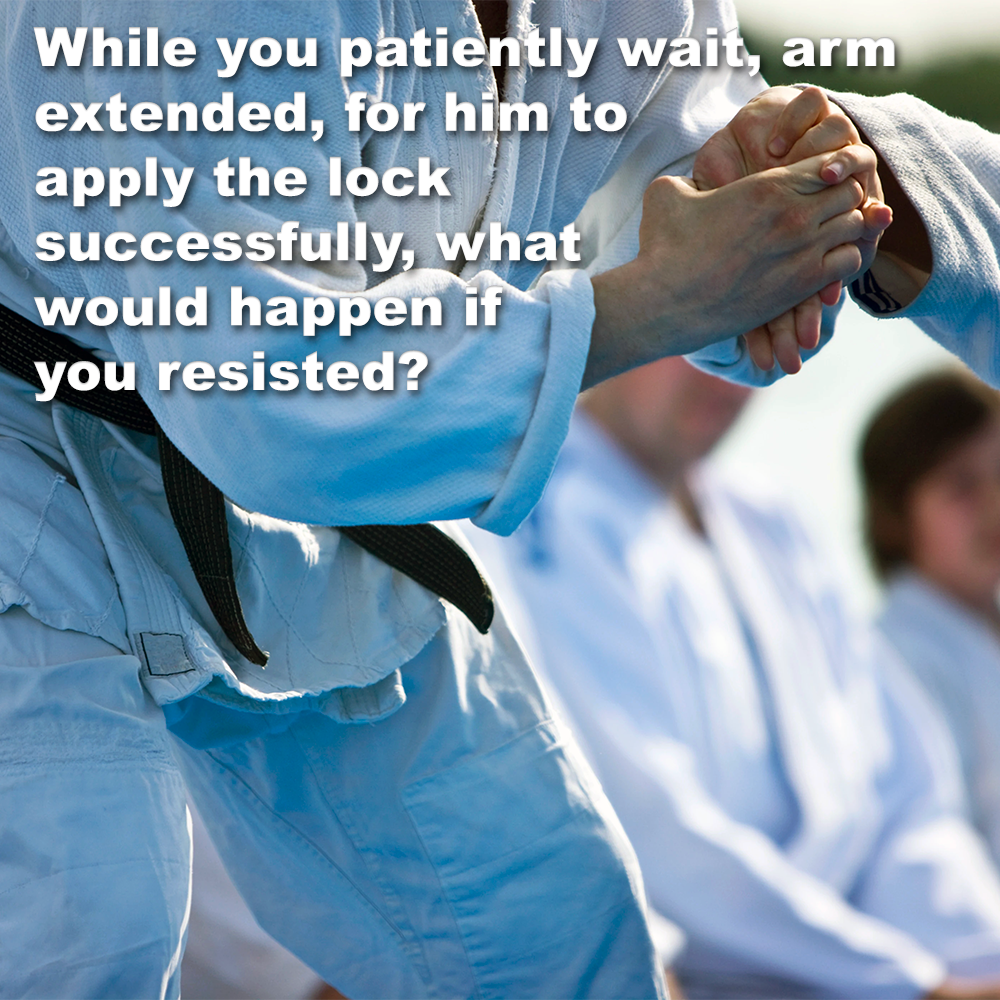
While you patiently wait, arm extended, for him to apply the lock successfully, what would happen if you resisted?

(2 minute 21 second read) Many martial arts practitioners hold onto the belief that their training translates flawlessly to real-world self-defense. Unfortunately, this can be a perilous illusion. . The efficacy of your techniques will often fail when faced with a brutal, violent, resisting opponent. You should not overlook this fundamental fact. . As an

While you patiently wait, arm extended, for him to apply the lock successfully, what would happen if you resisted? Read More »

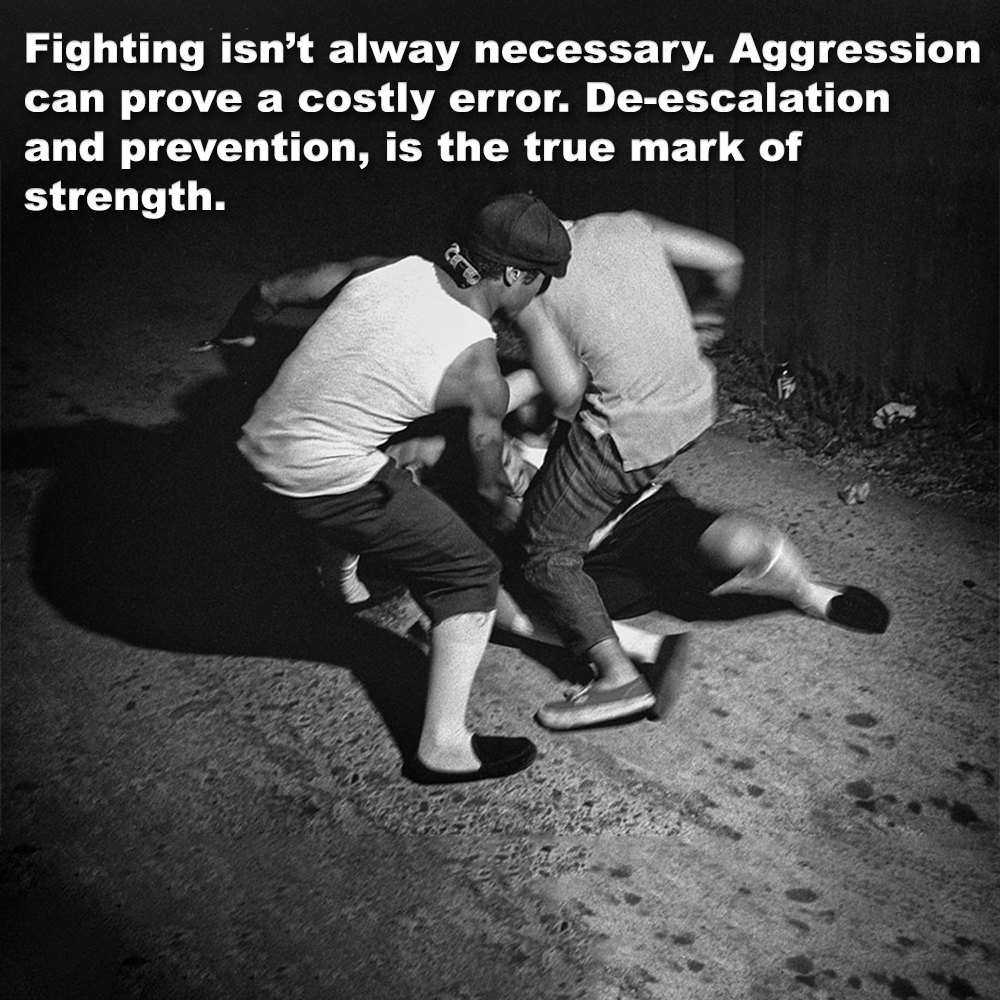
Fighting isn’t alway necessary. Aggression can prove a costly error. De-escalation and prevention, is the true mark of strength.

(2 minute and 44 second read) Many people who comment on my articles seem to want to reduce real-world scenarios to fighting in a cage, or some form of sport. . Let’s be clear. It isn’t. . If you have to fight someone for your survival, then yes, of course, any form of fighting will

Fighting isn’t alway necessary. Aggression can prove a costly error. De-escalation and prevention, is the true mark of strength. Read More »

“We must be careful not to overlook the fact that kata, and the body positions that comprises them, are just templates of sort; it is their application in combat which needs to be mastered.”

(2 minute and 14 second read) Kata, the cornerstone of traditional martial arts, are intricate archives of combative movements, much more than just a physical solo exercise. They are a living legacy, passed down from teacher to student, generation after generation. . Each kata embodies the accumulated wisdom of past masters, a codified library of

“We must be careful not to overlook the fact that kata, and the body positions that comprises them, are just templates of sort; it is their application in combat which needs to be mastered.” Read More »

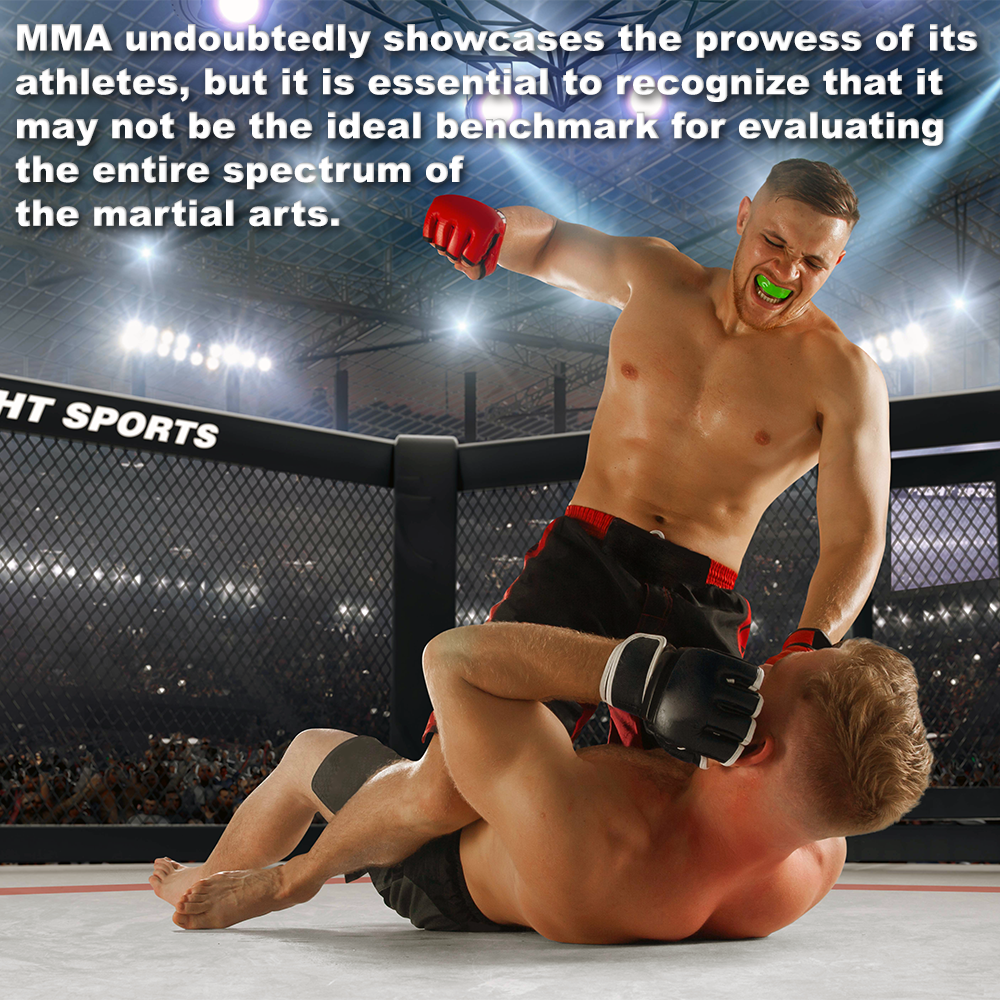
MMA undoubtedly showcases the prowess of its athletes, but it is essential to recognize that it may not be the ideal benchmark for evaluating the entire spectrum of the martial arts.

(2 minute and 20 second read) A comment on my article about the strongest karate, stated that; “it has already been addressed in the real world, by MMA”. . MMA has gained immense popularity in recent years, captivating audiences with its dynamic blend of various martial arts disciplines. . It undoubtedly showcases the prowess of

MMA undoubtedly showcases the prowess of its athletes, but it is essential to recognize that it may not be the ideal benchmark for evaluating the entire spectrum of the martial arts. Read More »

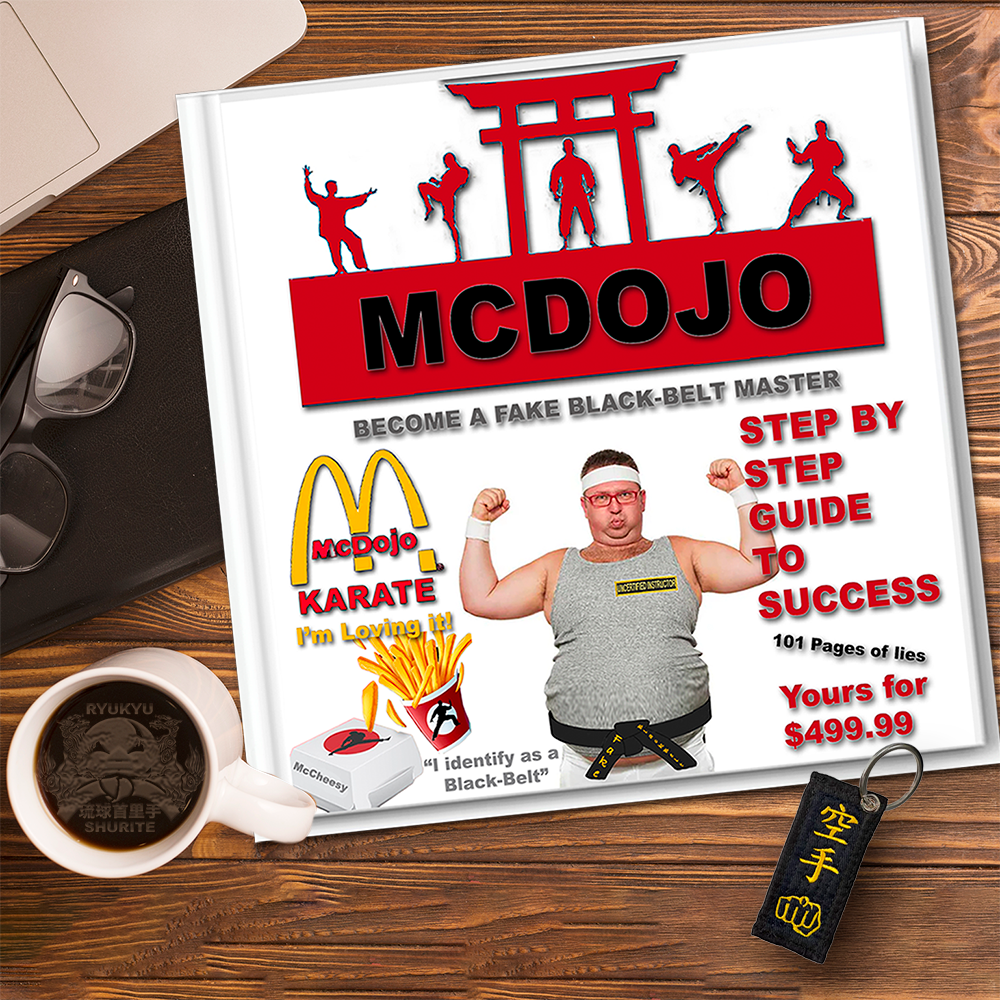
Choosing the right training, the right dojo, is critical, for your safety and for your peace of mind. Do not take that choice lightly.

In a previous article, I delved into a comment from an individual asserting that their karate was “the strongest.” While the article may have been somewhat lengthy for some (a 2 1/2 minute read – for those who prefer an easier read, coloring books are an option), it generated comments stating that numerous fake karate

Choosing the right training, the right dojo, is critical, for your safety and for your peace of mind. Do not take that choice lightly. Read More »

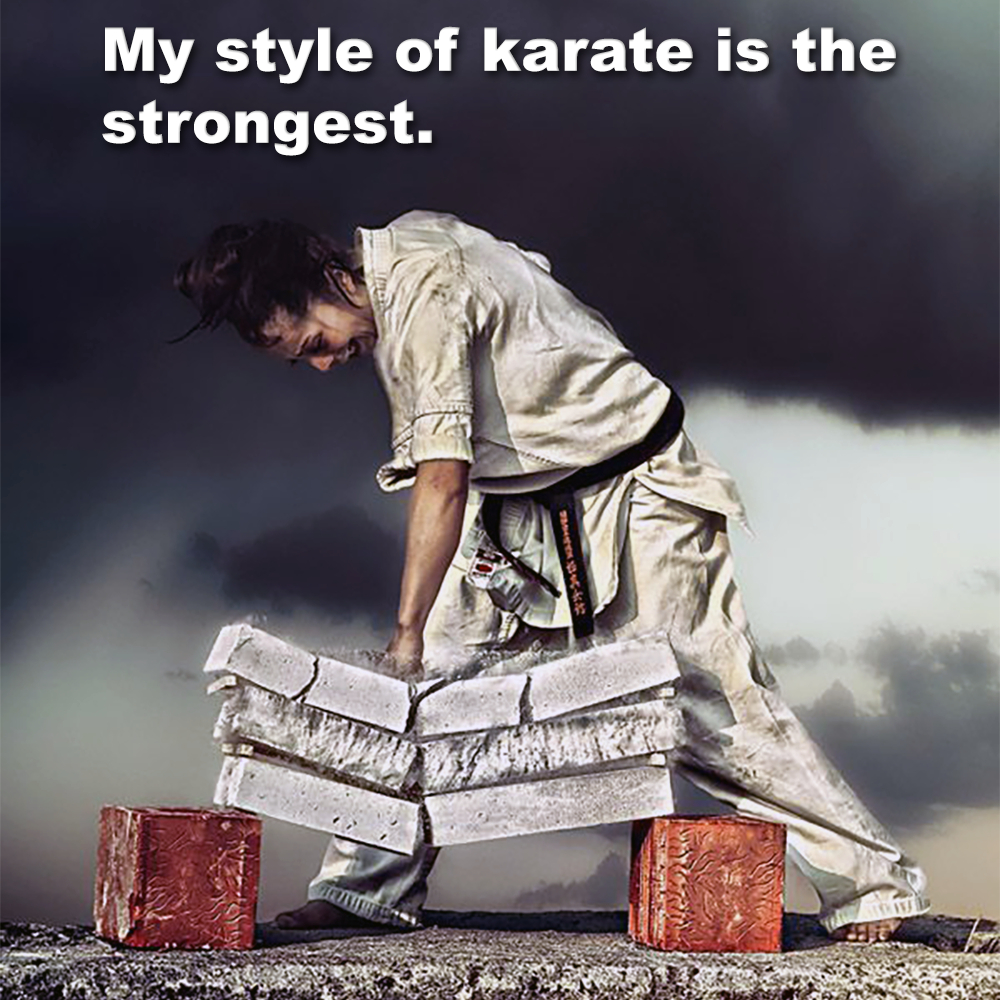
My style of karate is the strongest.

Recently someone tried to argue with me that their style of karate was the strongest. Informing me that because their athletes were successful in competition going back to the 1960’s, it was the ultimate, the strongest, and the best martial art. . Karate, has evolved into a diverse and widespread discipline. It can be practiced

My style of karate is the strongest. Read More »

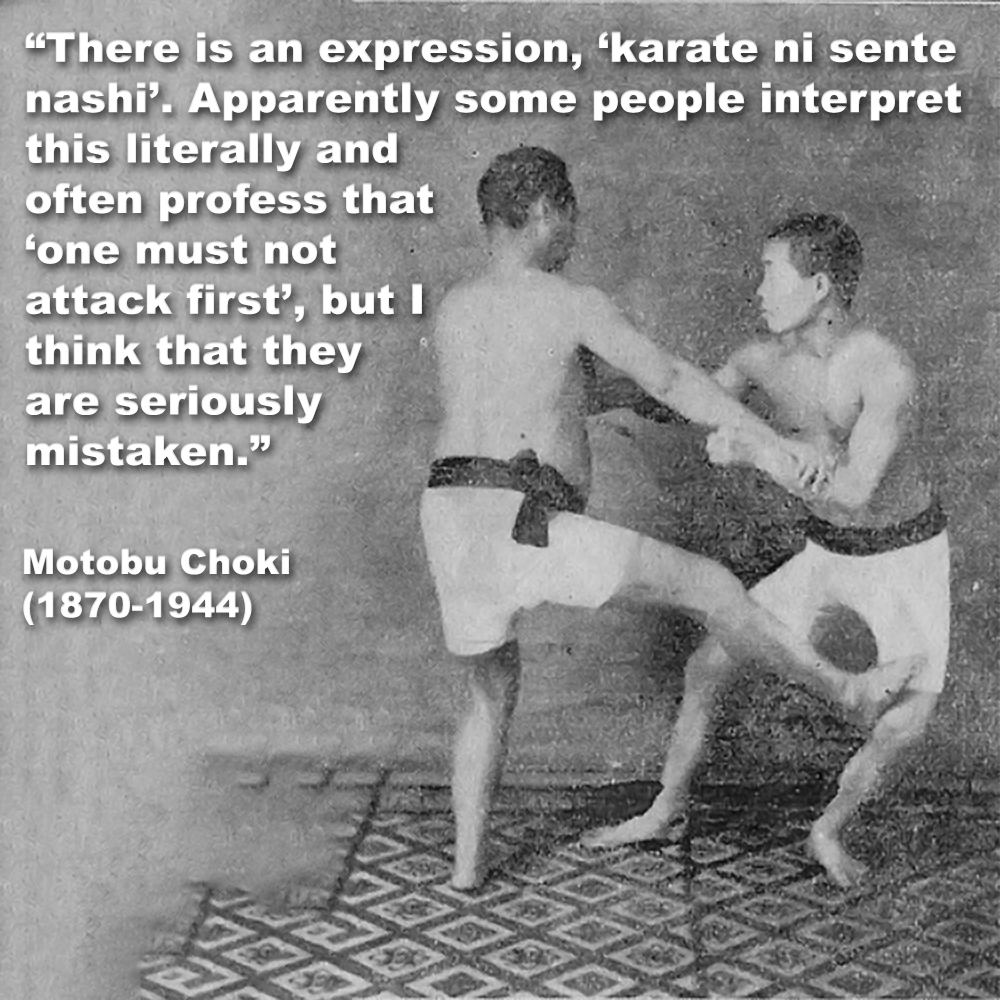
‘Karate ni sente nashi’. Apparently some people interpret this literally and often profess that ‘one must not attack first’.

The phrase “Karate ni sente nashi,” (空手に先手なし) often translated as “there is no first attack in karate,” has resonated with karate-ka for generations. . Funakoshi Gichin made this principle the second of his “Niju Kun” (二十訓) (Twenty Precepts), reminding us that “karate begins and ends with courtesy”. . However, clinging to a literal interpretation can

‘Karate ni sente nashi’. Apparently some people interpret this literally and often profess that ‘one must not attack first’. Read More »