Do you watch a kata and, at first glance, it looks impressive – snappy, powerful – but something about the function just feels wrong? The techniques look powerful, but only because the body is being overused to make them look that way. Big shoulder rotation. Excessive upper body movement. A visible “back and forth” to…
Tag: Fighting
Self-defense – what are we really training for?
Self-defense – the ability to protect yourself when it matters. We train for it for years, and for some of us, decades. But for what? One moment? Maybe a moment that never even comes. Does that make it any less important, or does it mean we should just treat training as something for fitness and…
There Is No ‘Ready’ Moment
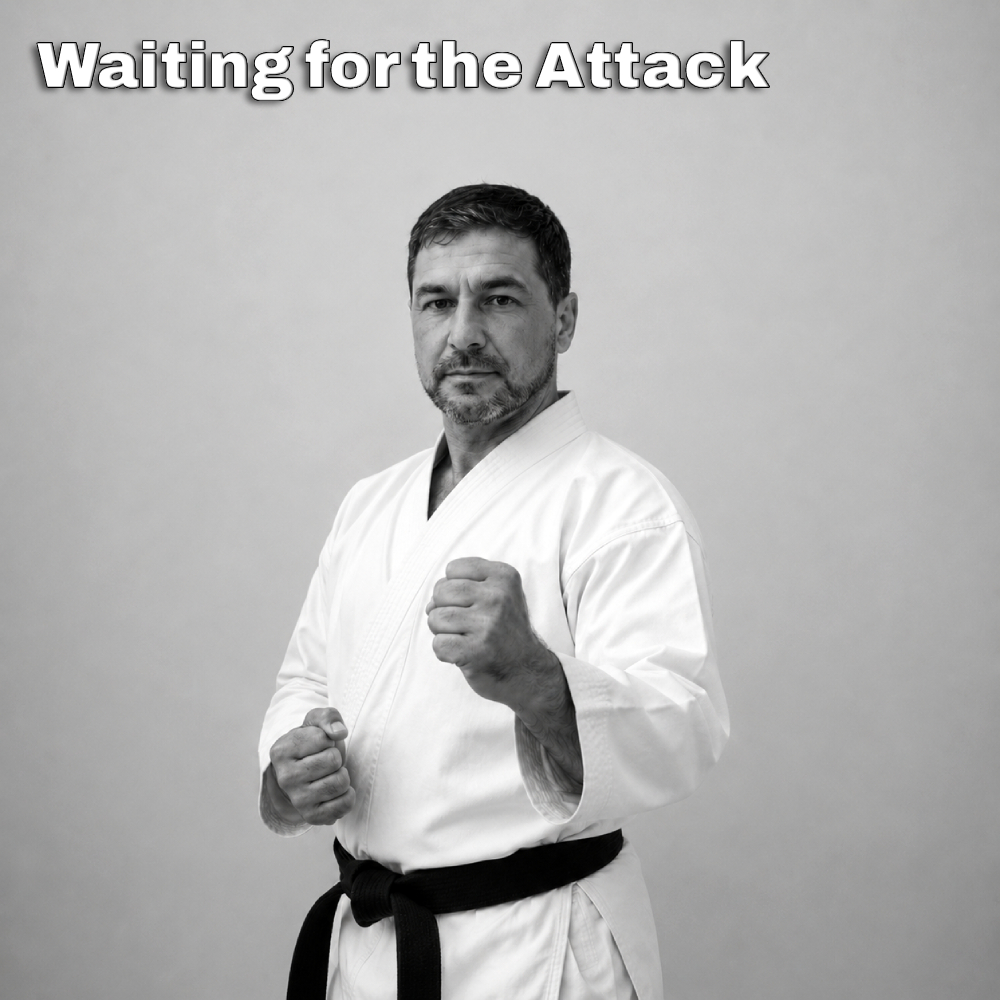
I received a comment recently about the opening of kata – the yoi position – and how it might represent awareness. The point where you recognize something isn’t right and prepare yourself. I understand why people see it that way. But it rests on something that doesn’t really hold up when you look at it…
Reflections on Kata: Why Kata Does Not Show the Setup
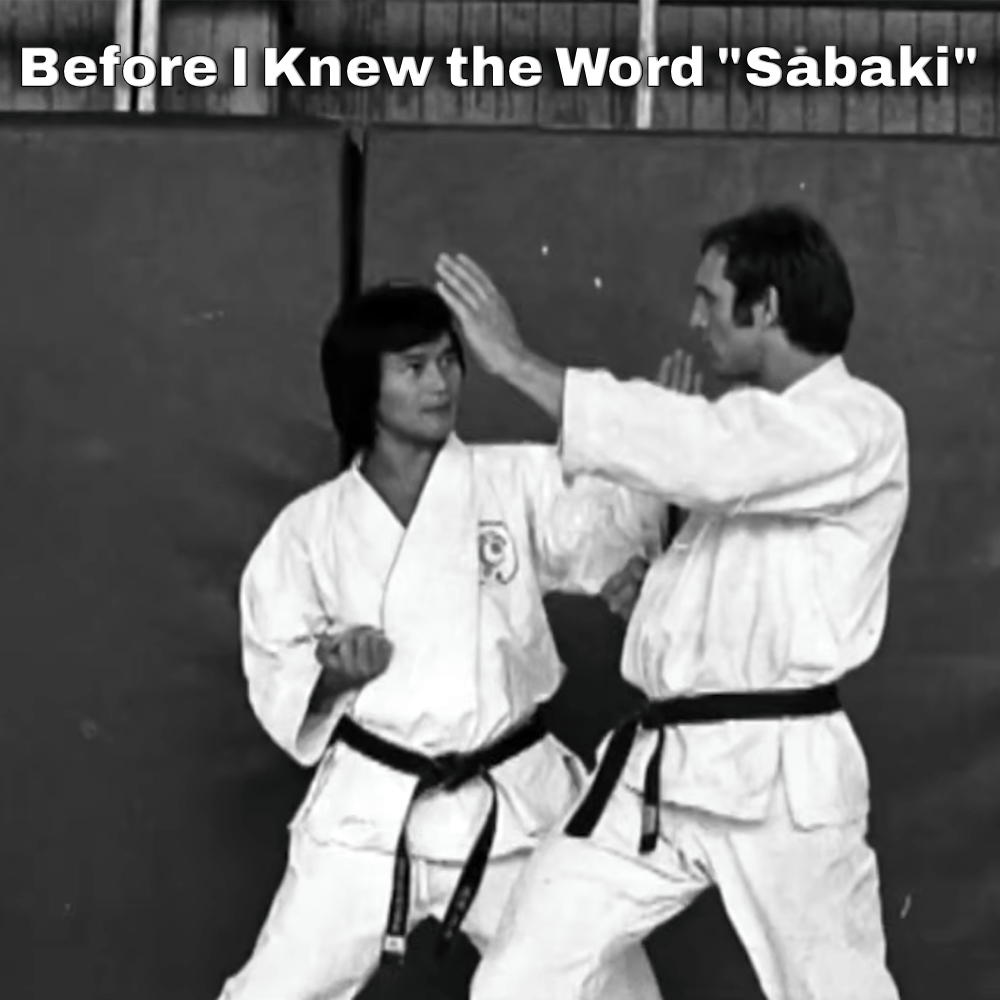
I’ve been watching this for years. Someone takes a piece of kata and immediately tries to turn it into a neat sequence. This is the attack, this is the defense, this is what comes next. It all lines up nicely, and on the surface it makes sense. But the more you look at it, the…
The Dangerous Myth of “Nothing Happened to Me”
I recently pointed out the inherent dangers of falling or fighting on hard surfaces like concrete, and, as expected, the responses came in. People sharing their experiences – “I fell off my bike and did a perfect roll”, “I’ve fought on pavement and I’m fine”, “I used to train on concrete all the time.” The underlying sentiment…
Reflections on Kata: The Syllabus in the Shadows
I’ve been thinking lately about how much time we spend polishing the outside of the vessel without ever looking at what’s inside. After over fifty years on the mat, I’ve performed thousands of repetitions of the same kata. In the beginning, it was about the physical – the crispness of the technique, the power in…
Hitting Concrete Isn’t the Same as Tatami
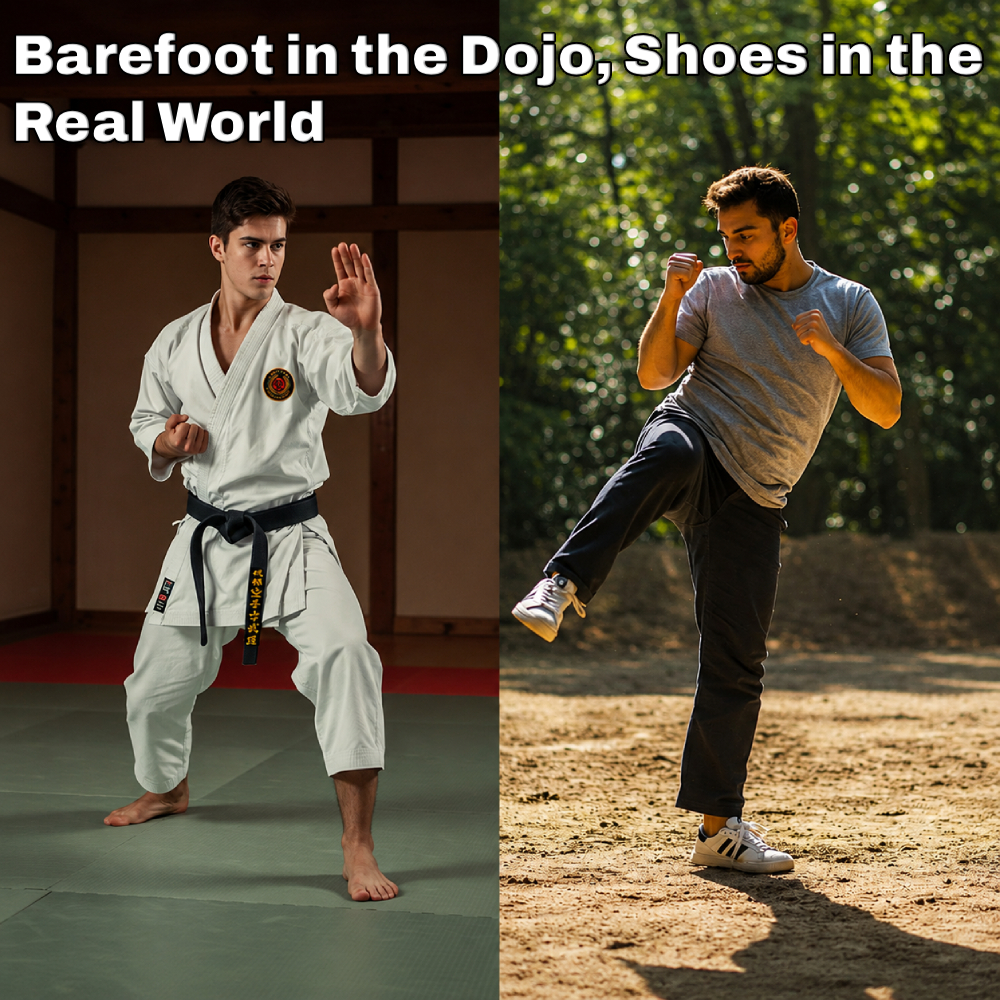
How many times, as a karate-ka, are we told, “Take it to the ground”? “You have to fight on the ground”? Quite a lot, if the comments I receive are anything to go by. Have you ever fallen on concrete – the sidewalk, the pavement? It hurts, right? A senior instructor from my dojo fell…
No Style Is the Best – Context Is
Whenever I write about real-world self-defense, the comments seem to explode into “my style is the best”. I’m not convinced a lot of these people actually train themselves – maybe keyboard warriors, maybe just inexperienced – these comments often seem to revolve around one style in particular: Kyokushin. Now, before anyone accuses me of bashing…
A comment on one of my recent articles caught my attention. Comments often do – they tend to reveal more than the article itself. This one read: “**** self-defense. I teach people to fight.” It made me pause. Is he right? After all, we are practicing a combat art – not playing a game. Much…
One of the strangest claims still repeated in karate is that throws do not belong in the art. And yet the historical record says otherwise. Gichin Funakoshi himself documented throwing methods, and senior figures have long acknowledged their place. The issue is not whether throws existed in karate. The issue is why so many modern…
Movement, Not Technique
Many karate practitioners are taught to think in terms of techniques. Movements are labeled, categorized, and assigned a specific purpose. One technique blocks. Another strikes. Another performs a different function entirely. Over time this can create the impression that karate is a large collection of separate techniques, each designed to solve a specific problem. When…
Winning Is Not the Goal in Self-Defense
Self-defense and fighting are often spoken about as if they are the same thing. They are not. There is overlap between the two, but they are fundamentally different in both purpose and outcome. This distinction is often misunderstood, particularly because many people are taught physical or fighting skills first when they attend a “self-defense” class….