Martial Arts

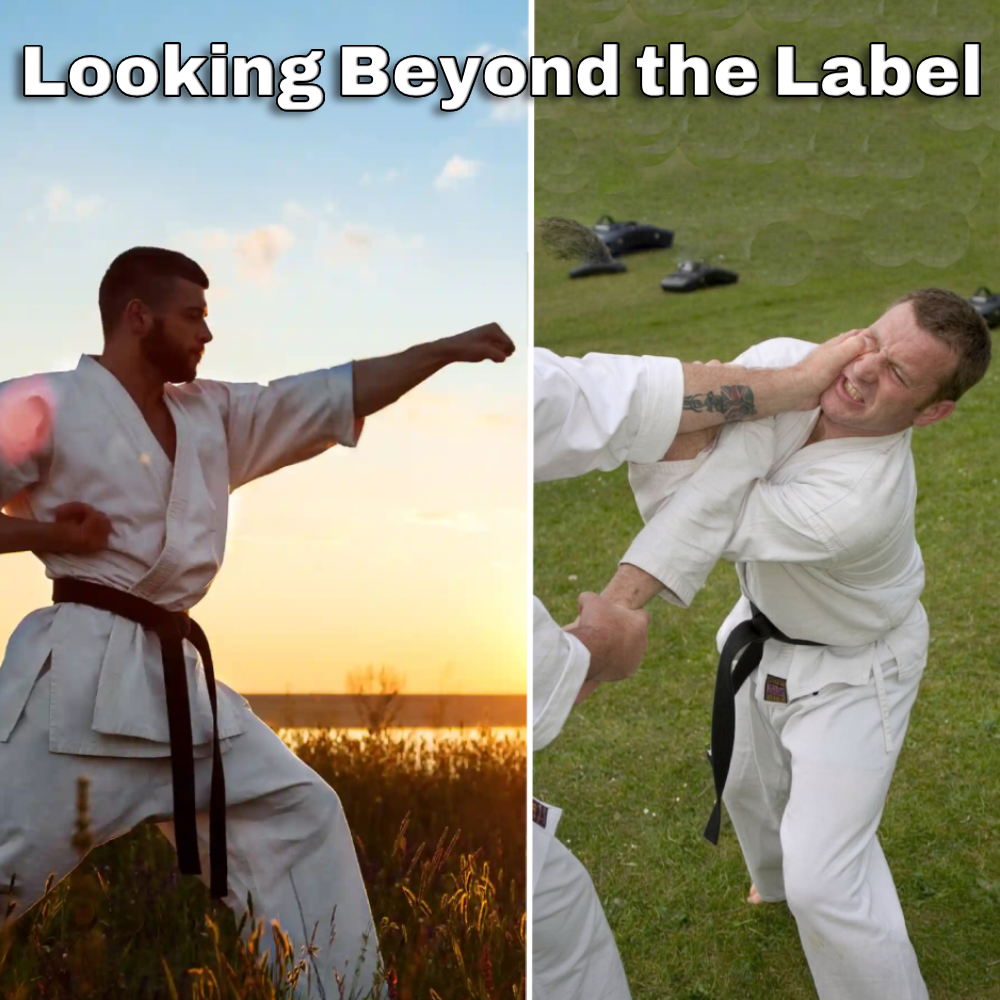
Looking Beyond the Label

Imagine stepping into an Okinawan karate dojo over a hundred years ago. It probably wasn’t a dojo in the way most people think of one today. Training often took place in a garden, courtyard, or private home. Instruction was given to a small number of students, and much of what was taught was passed on […]

Looking Beyond the Label Read More »

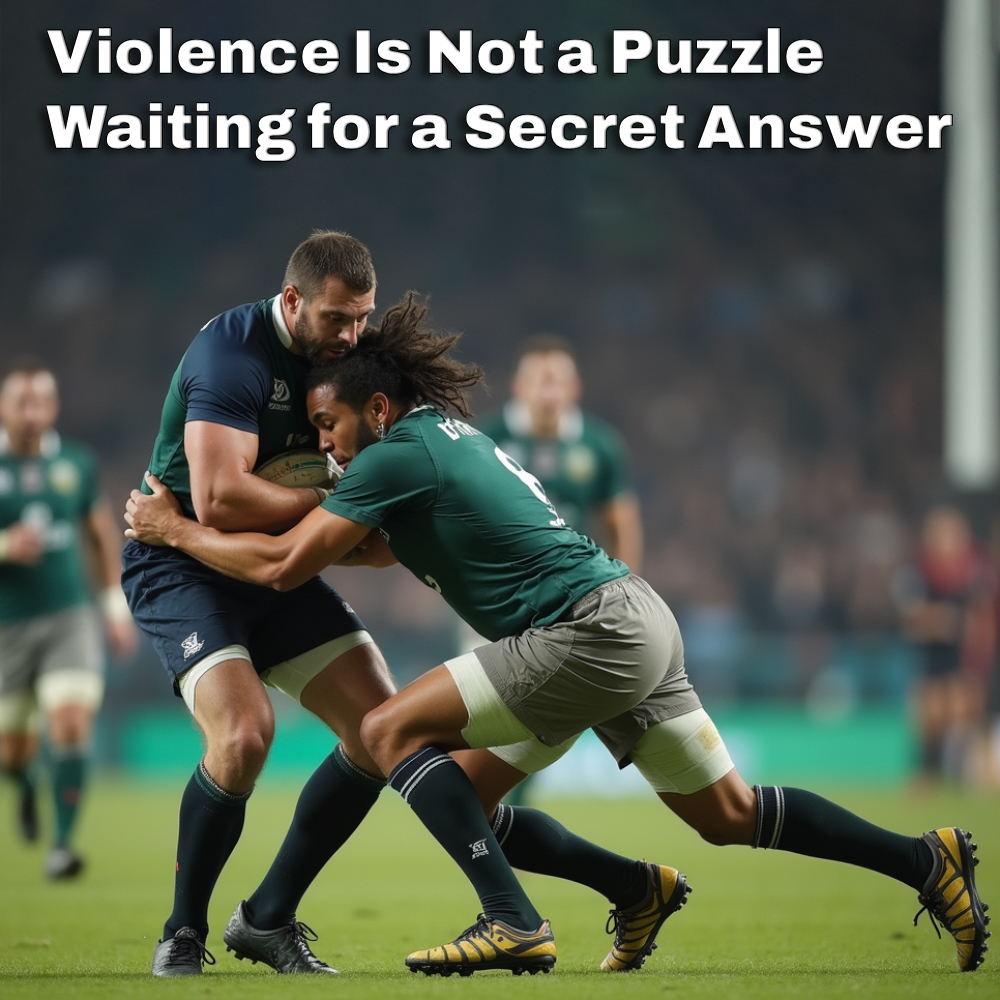
Violence Is Not a Puzzle Waiting for a Secret Answer

One of the biggest problems in martial arts is that many people discuss violence without ever having experienced what genuine violence actually feels like. I don’t mean sparring in the dojo under pressure, demonstrations, or competitive exchanges. I mean the kind of violence that is sudden, emotionally charged, physically overwhelming, and nothing like theory. There

Violence Is Not a Puzzle Waiting for a Secret Answer Read More »

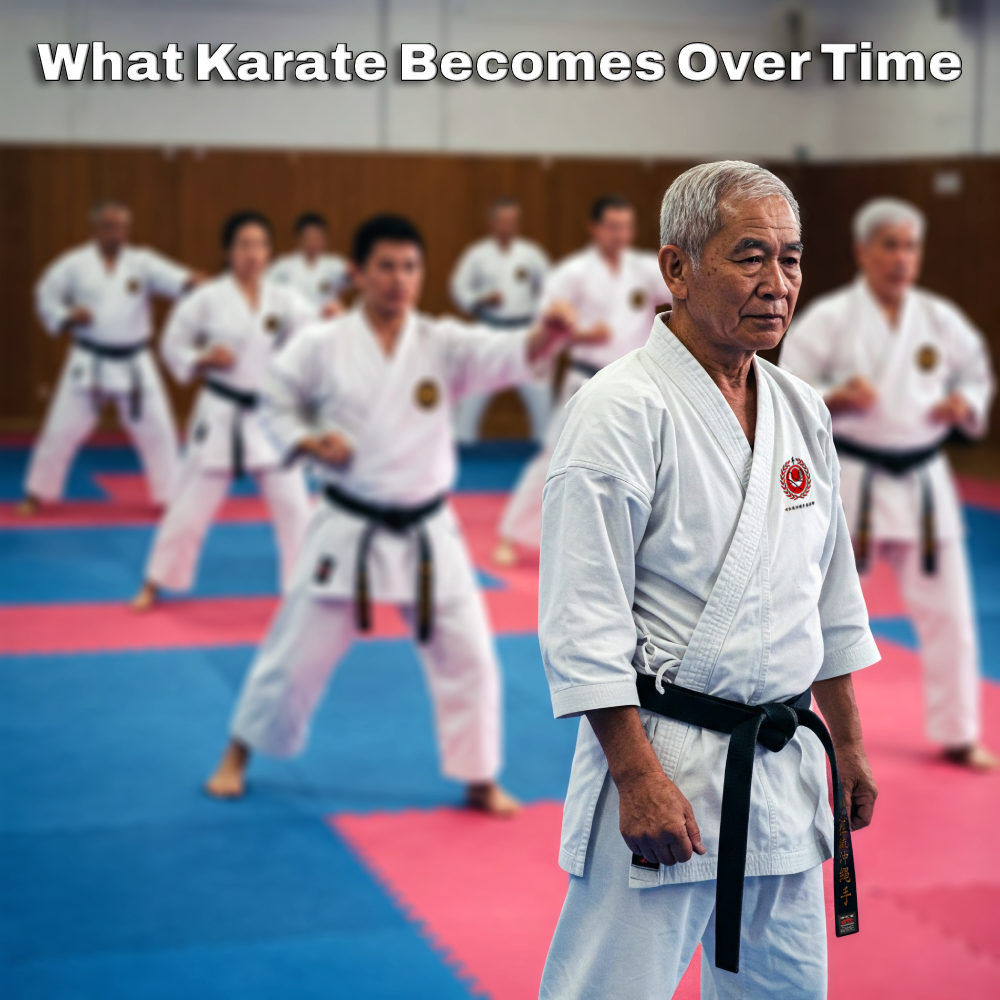
What Karate Becomes Over Time

People often associate practical karate with fighting, self-defense, and physical confrontation. That is understandable. Much of my own writing over the years has focused on practical application, violence, realism, and the realities surrounding self-protection. Those things matter. But after more than fifty years of training, I have come to realize that karate eventually becomes something

What Karate Becomes Over Time Read More »

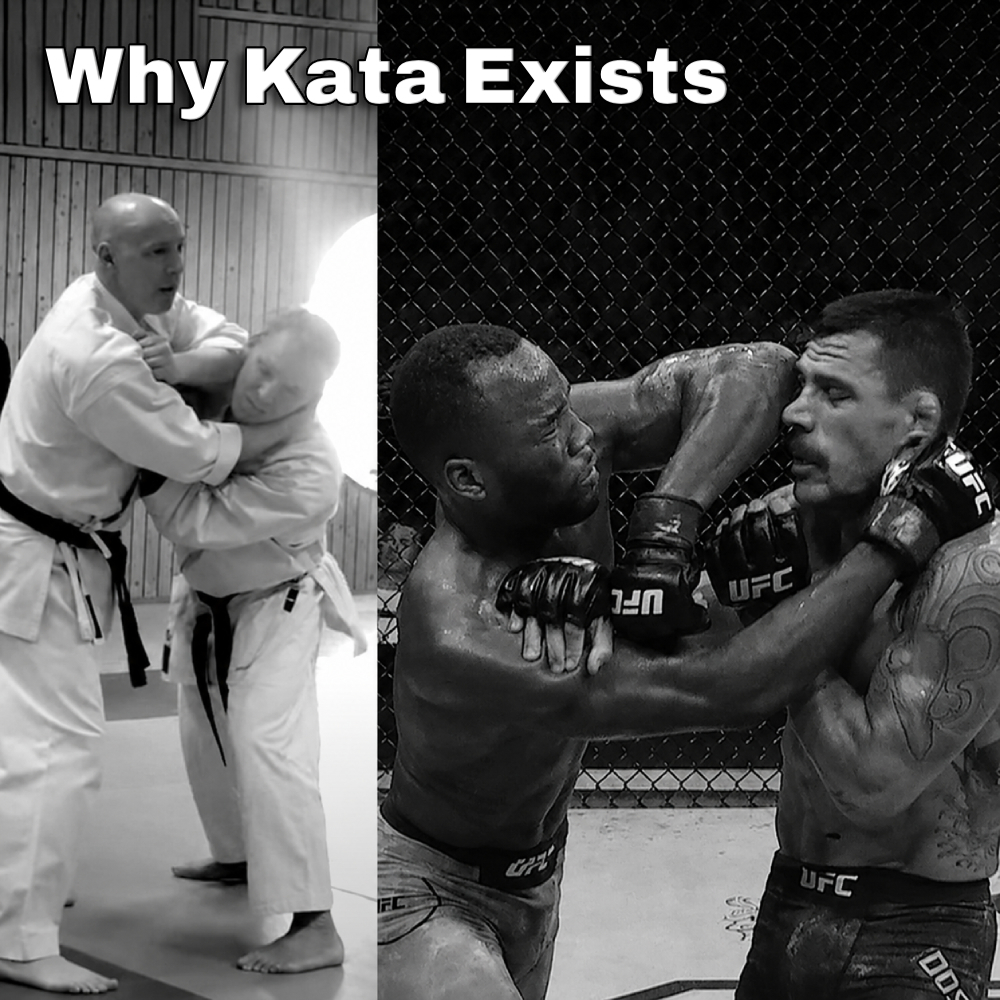
Why Kata Exists

Kata is often misunderstood because many people view it through a modern lens. Today we live in a world of instant access to information. There are videos, books, seminars, online courses, slow-motion breakdowns, and endless commentary available at the touch of a screen. When kata was developed, none of that existed. There was no social

Why Kata Exists Read More »

The Blueprint of Combat: Enbusen Is Not a Floor Pattern

“Enbusen isn’t just about where you face when you perform kata. Enbusen is the opponent themselves. Enbusen represents the opponent’s attacks or movements, the practitioner must move accordingly to the movements of the opponent, and react to said attacks accordingly… Enbusen is the opponent.” Toshihiro Oshiro One of the biggest mistakes people make with kata

The Blueprint of Combat: Enbusen Is Not a Floor Pattern Read More »

The Limits of Fighting Skills

Many people today study martial arts as a hobby. They do not train to the level that develops robust and functional real-world self-defense skills. That is why the non-physical side of self-protection is so important. While many people can make physical skills work, not everyone can develop a knockout punch or a strike that will

The Limits of Fighting Skills Read More »

Are You Teaching What You Understand?

There’s a difference between seeking guidance and expecting someone else to do your thinking for you. Over the years, I’ve had many people ask about how I approach training. How do I pressure test? How do I adapt traditional material for modern realities? How do I prepare students for unpredictability rather than compliance? I understand

Are You Teaching What You Understand? Read More »

The “Little Bloke”

When I was a kid, I wanted to join the Army Cadets, but I was too young. So I lied about my age and got in anyway. I became known as the “little bloke”. I threw myself into everything they offered – sometimes literally. During one escape and evasion exercise, after being caught, a group

The “Little Bloke” Read More »

The Problem With Drills

Every martial art uses drills. They are found in karate, boxing, jujitsu, military training, law enforcement, reality-based systems, and traditional systems. Everyone drills. That alone should tell us something important – drills clearly have value. The problem is not the existence of drills. The problem starts when people assume the drill is teaching more than

The Problem With Drills Read More »