Zen

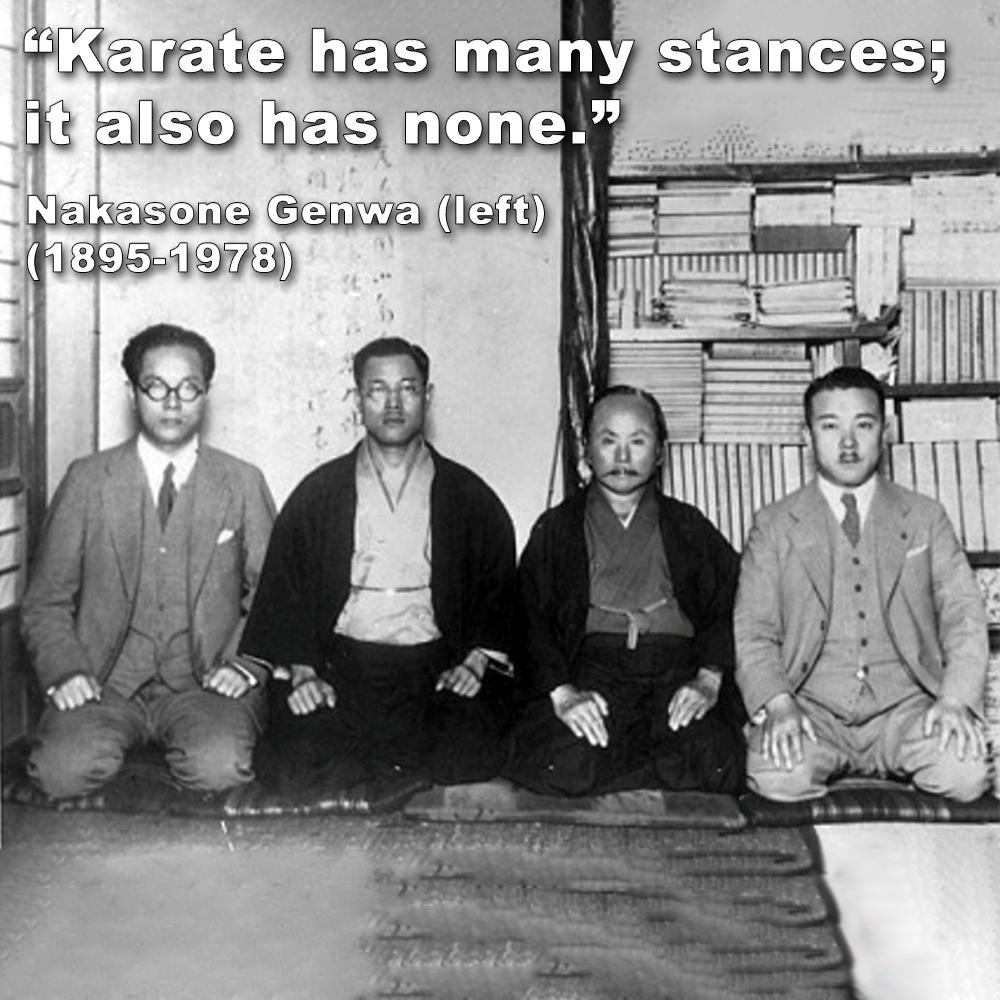
“Karate has many stances; it also has none.”

(Approx 2 minute 10 second read) Nakasone Genwa (1895-1978), once said, “Karate has many stances; it also has none.” This seemingly paradoxical statement highlights a crucial concept in training: stances are not rigid, fixed positions, but rather dynamic movements that serve a specific purpose. . In everyday English, we use the word ‘stance’ to infer […]

“Karate has many stances; it also has none.” Read More »

“The greatest victory is that which requires no battle”

(Approx 1 minute 30 second read) Many of us have experienced situations where we felt unsafe or powerless. Maybe it was childhood bullying, an uncomfortable encounter at work, or the sting of online bullying, or even the threat of physical violence. . In these moments, a common feeling emerges: the inability to control the situation.

“The greatest victory is that which requires no battle” Read More »

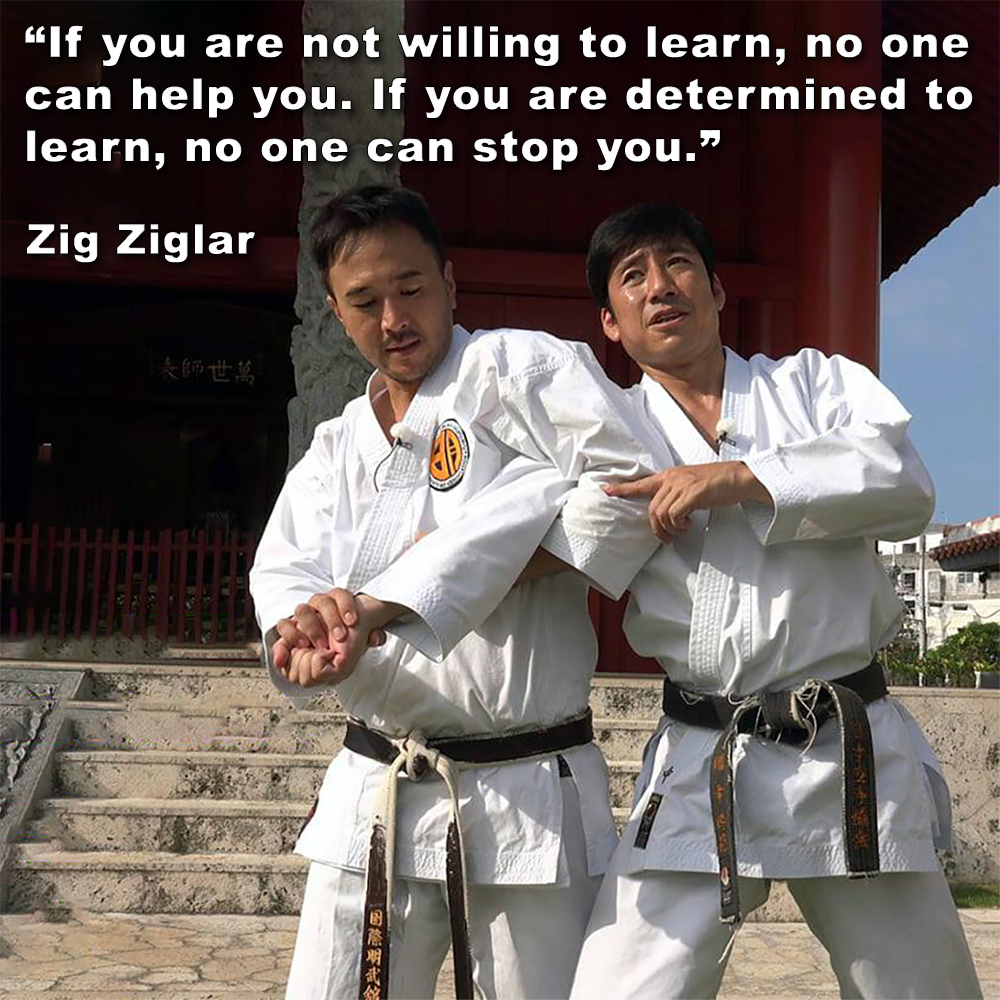
“If you are not willing to learn, no one can help you. If you are determined to learn, no one can stop you.”

(Approx 1 minute 45 second read) Why are people so afraid of learning something new or different? Even if you’ve been doing something one particular way for years, there might be a different or better way. Wouldn’t it be interesting and great to discover and learn that? Why are so many people adamant that the

“If you are not willing to learn, no one can help you. If you are determined to learn, no one can stop you.” Read More »

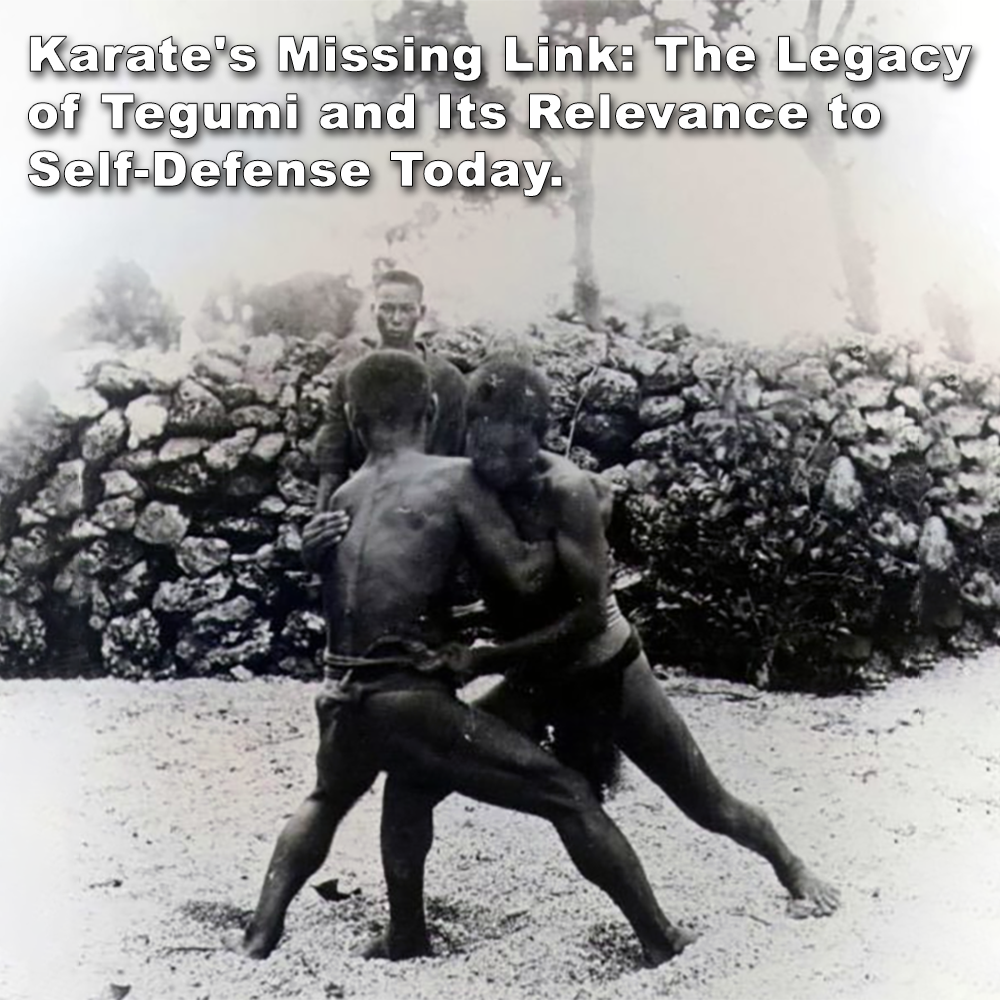
Karate’s Missing Link: The Legacy of Tegumi and Its Relevance to Self-Defense Today.

(Approx 2 minute 25 second read) In the early to mid-1950s, when karate started to spread globally, the emphasis was heavily skewed towards striking and blocking techniques. . Many of the early Western instructors, who had spent varying amounts of time learning from their Japanese and Okinawan teachers, had a wide range of experiences. Some

Karate’s Missing Link: The Legacy of Tegumi and Its Relevance to Self-Defense Today. Read More »

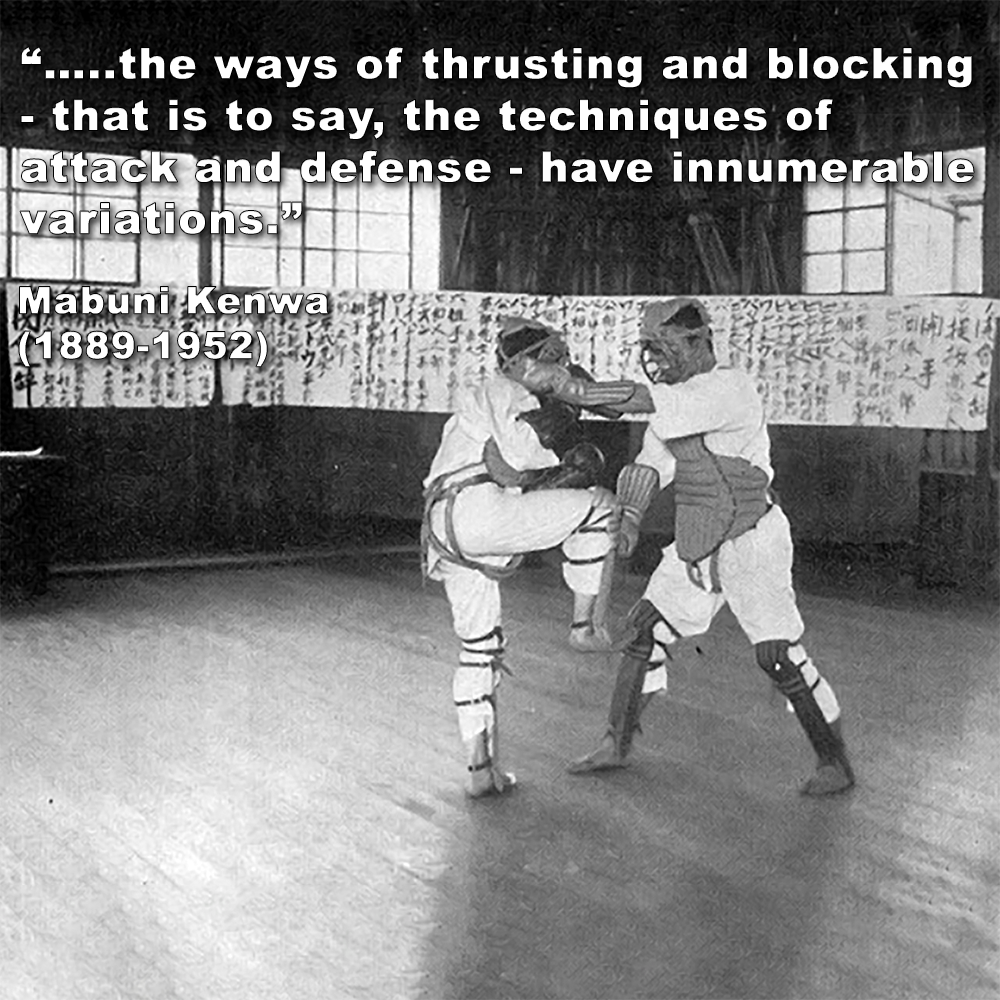
“…..the ways of thrusting and blocking – that is to say, the techniques of attack and defense – have innumerable variations.”

(Approx 2 minutes 10 second read) One of the first things you learn as a beginner is a ‘block’. . Typically, it’s one of these: upper, middle inner, middle outer, or a down block. . You spend a significant amount of time practicing these blocks, focusing on the small details, making sure your pulling hand

“…..the ways of thrusting and blocking – that is to say, the techniques of attack and defense – have innumerable variations.” Read More »

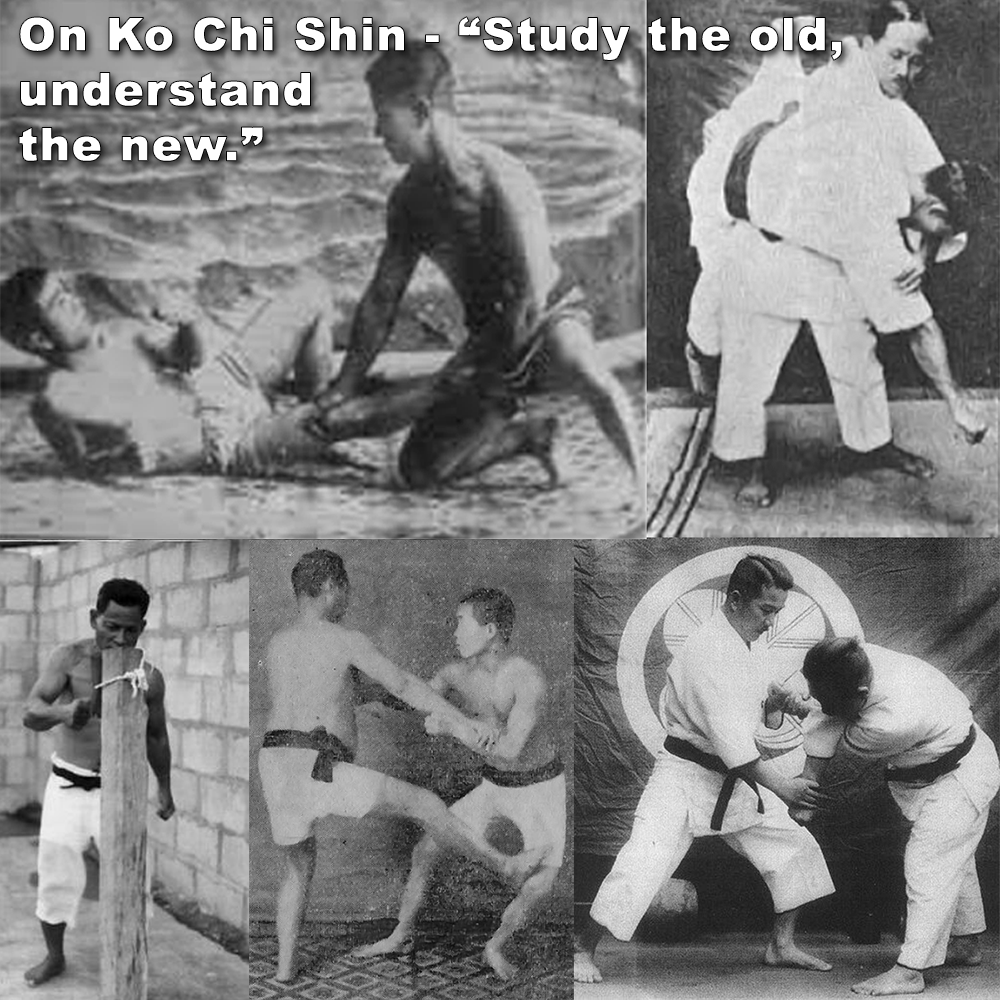
温故知新 On Ko Chi Shin — “Study the old, understand the new.”

(Approx 1 minute 40 second read) Within the structured world of the martial arts, a practitioner’s journey extends beyond expertise in techniques. It’s also about cultivating a personal expression – a unique blend of technical proficiency and individual interpretation. . This pursuit of one’s “martial voice” isn’t a rejection of established forms, but rather a

温故知新 On Ko Chi Shin — “Study the old, understand the new.” Read More »

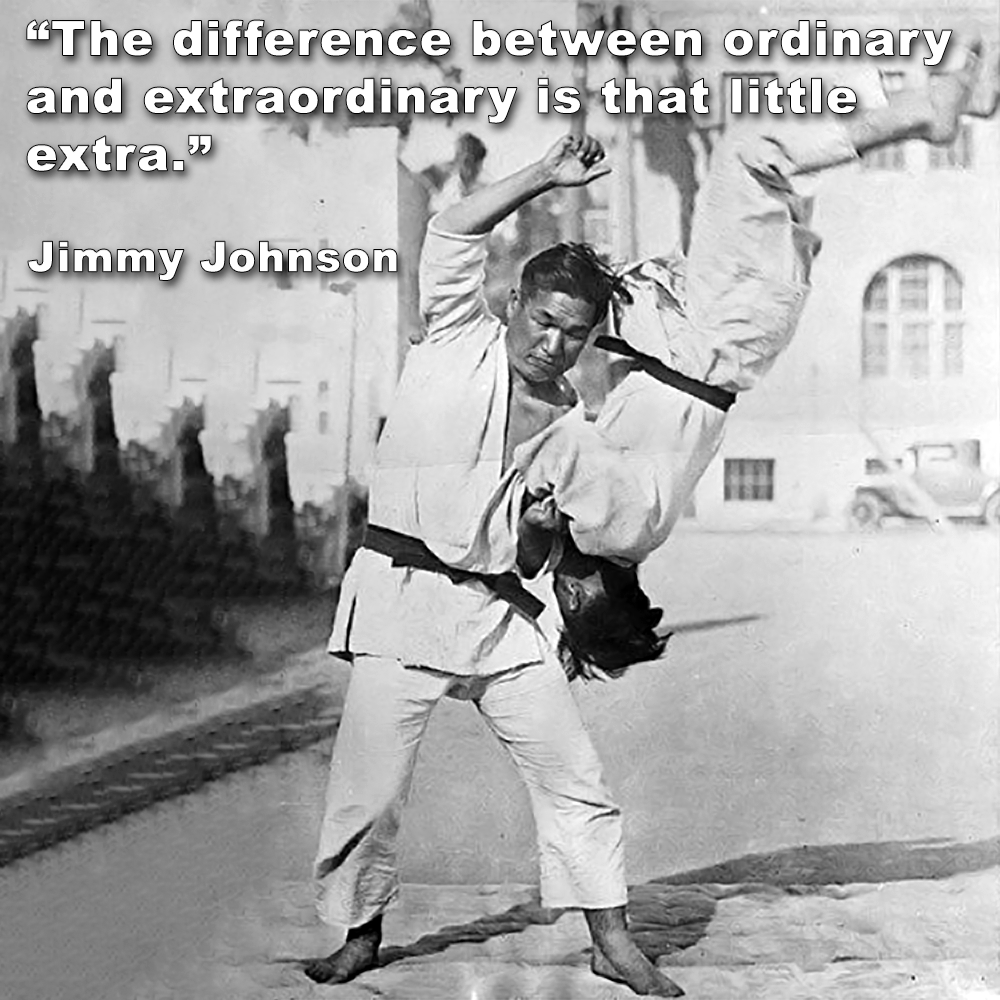
“The difference between ordinary and extraordinary is that little extra.”

I still remember my first karate class, five decades ago. Feeling awkward and intimidated, I went through the motions, just like most people do. . It was meant to be an eight week course, but as I started putting in more effort, showing up consistently, and practicing outside of class, it became clear that karate

“The difference between ordinary and extraordinary is that little extra.” Read More »

“Gichin Funakoshi’s ideal, [..] was to advance from Jutsu to Do. It has become my mission to attain this goal.”

Karate is often suffixed by the terms ‘Jutsu’ or ‘Do’. Understanding these concepts is an important part of your training. . Many people comment on my articles that they don’t need self-defense skills, finding the character-building aspect more appealing. While each to their own, this separation limits their potential. . ‘Jutsu’, translating to ‘method’, refers

“Gichin Funakoshi’s ideal, [..] was to advance from Jutsu to Do. It has become my mission to attain this goal.” Read More »

From Complacency to Overconfidence: The Many Different Views of Traditional Karate.

(Approx 1 minute 35 second read) It’s interesting that in my articles about self-protection or self-defense, several comments seem to indicate that many people just don’t prioritize self-defense. . Some commenters suggest that because they live in areas with little violence, they feel they don’t need the protection offered by realistic self-protection training. . Additionally,

From Complacency to Overconfidence: The Many Different Views of Traditional Karate. Read More »

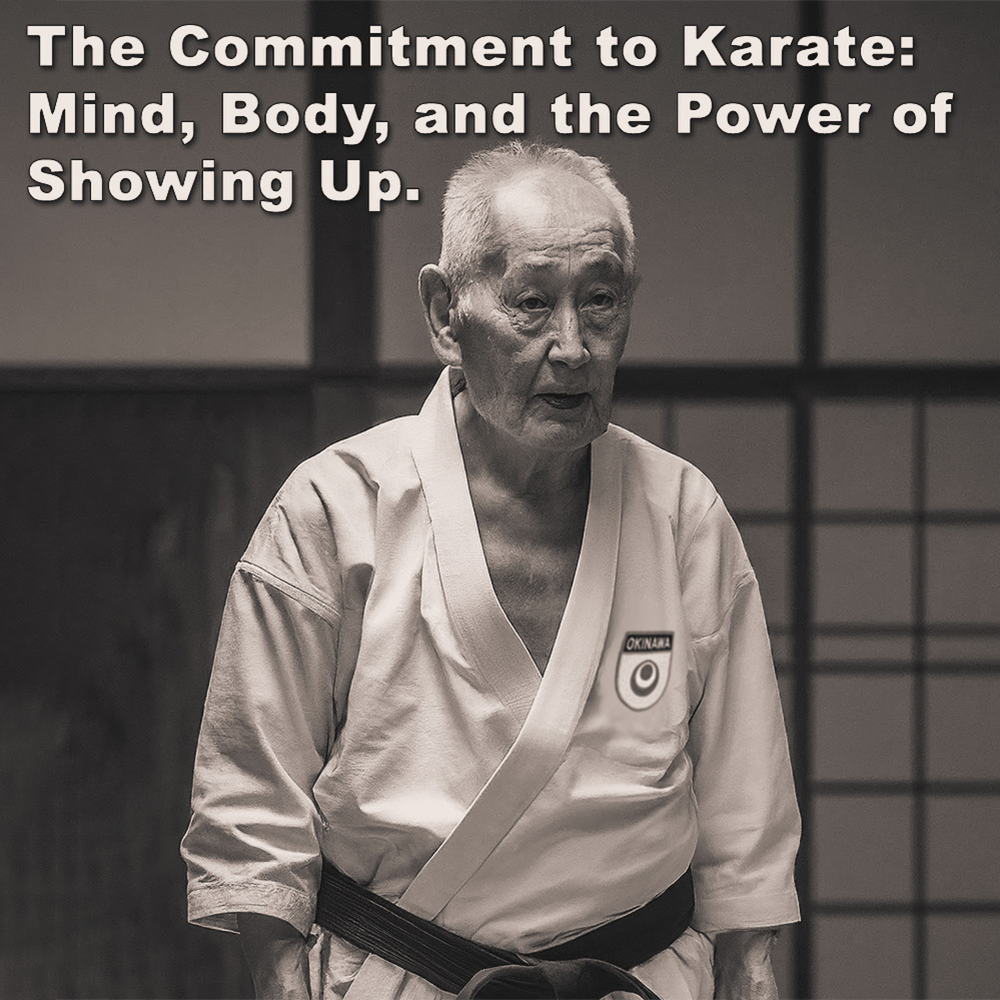
The Commitment to Karate: Mind, Body, and the Power of Showing Up.

(Approx 1 minute 55 second read) Karate isn’t just about physical strength and being the best. It’s a journey that trains both your body and your mind. . A key part of this mental training is self-discipline, the ability to push through and do what’s necessary, even when it’s tough. . Let’s face it, most

The Commitment to Karate: Mind, Body, and the Power of Showing Up. Read More »

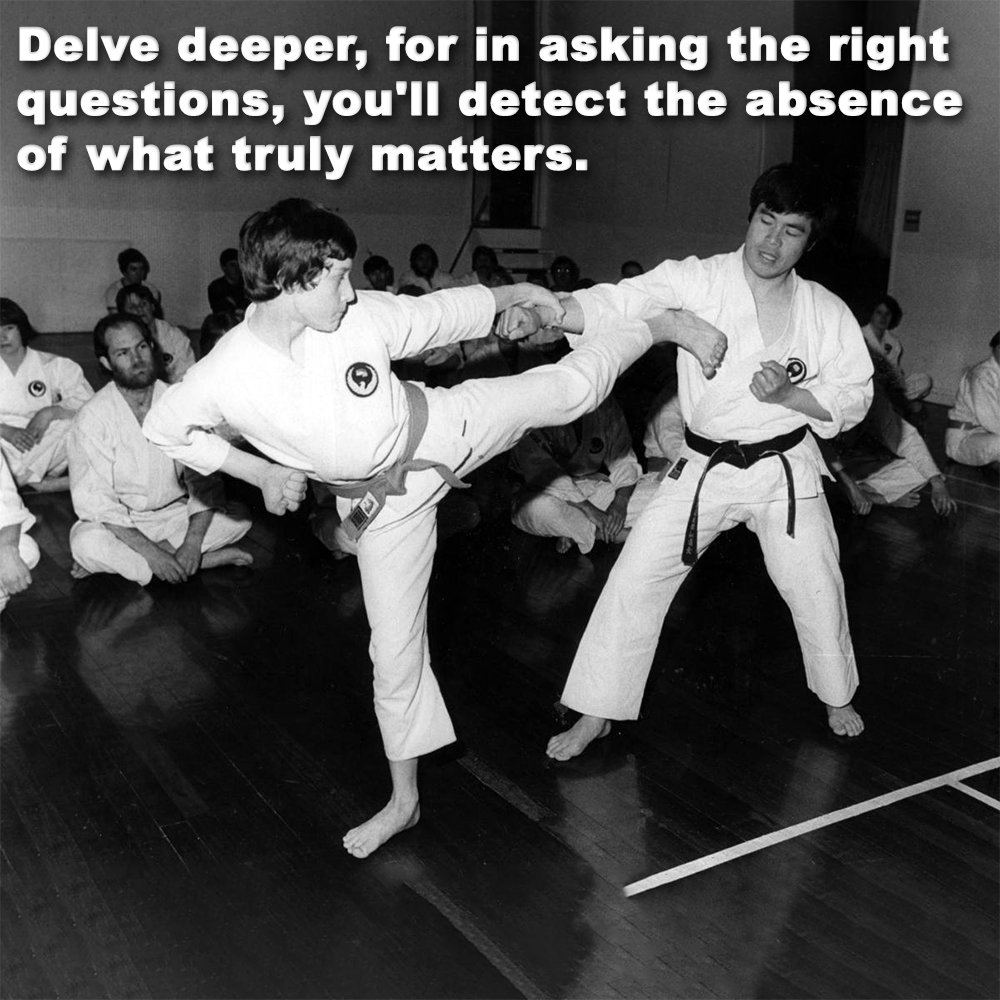
Delve deeper, for in asking the right questions, you’ll detect the absence of what truly matters.

(Approx 2 minute 15 second read) I used to love sport karate. In my late teens and twenties I just wanted to spar, fight in the dojo, and compete in tournaments. . In those early days, there was a stark contrast to the safety measures and equipment we see today. Those of us who have

Delve deeper, for in asking the right questions, you’ll detect the absence of what truly matters. Read More »

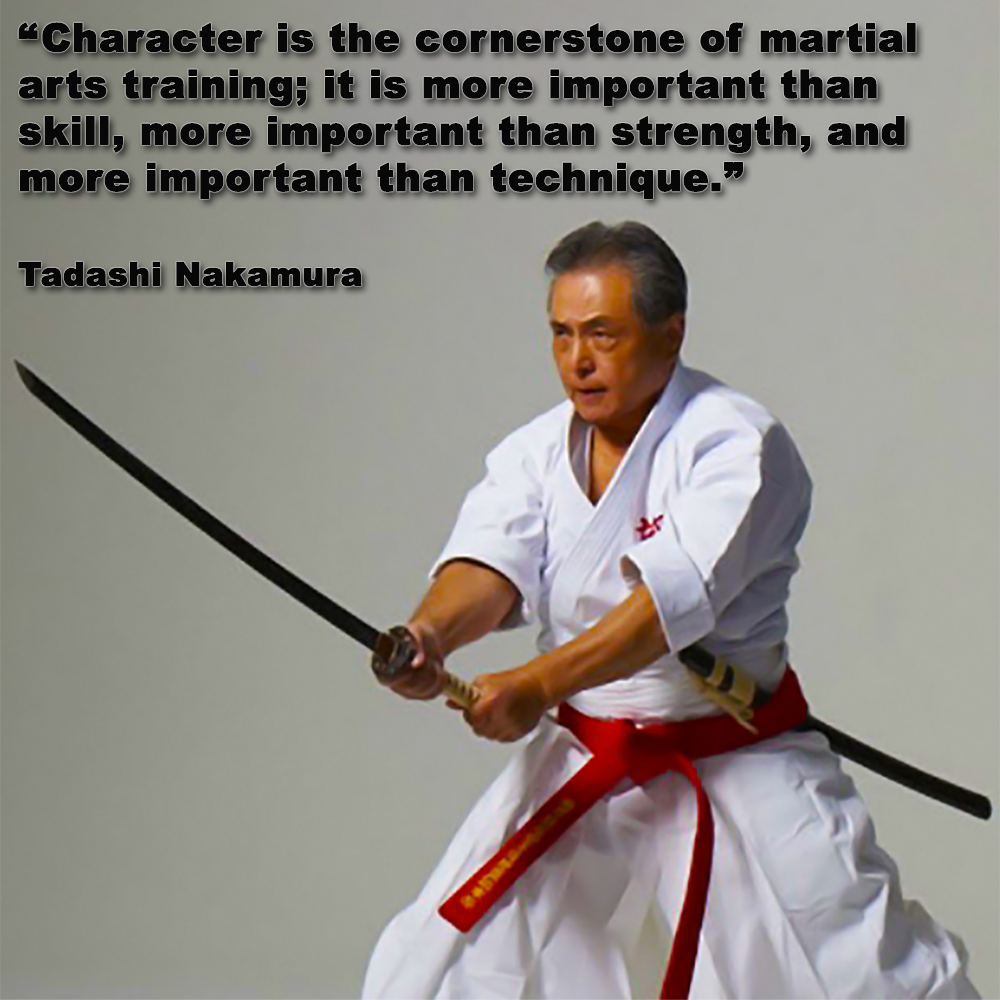
“Character is the cornerstone of martial arts training; it is more important than skill, more important than strength, and more important than technique.”

(Approx 1 minute 40 second read) Gichin Funakoshi and many other karate pioneers claim that practicing karate can enhance your character. But does karate truly improve your character? . The martial arts often conjure images of disciplined, respectful masters, practitioners, and students. However, does training automatically translate to good character? The answer is a bit

“Character is the cornerstone of martial arts training; it is more important than skill, more important than strength, and more important than technique.” Read More »