Zanshin

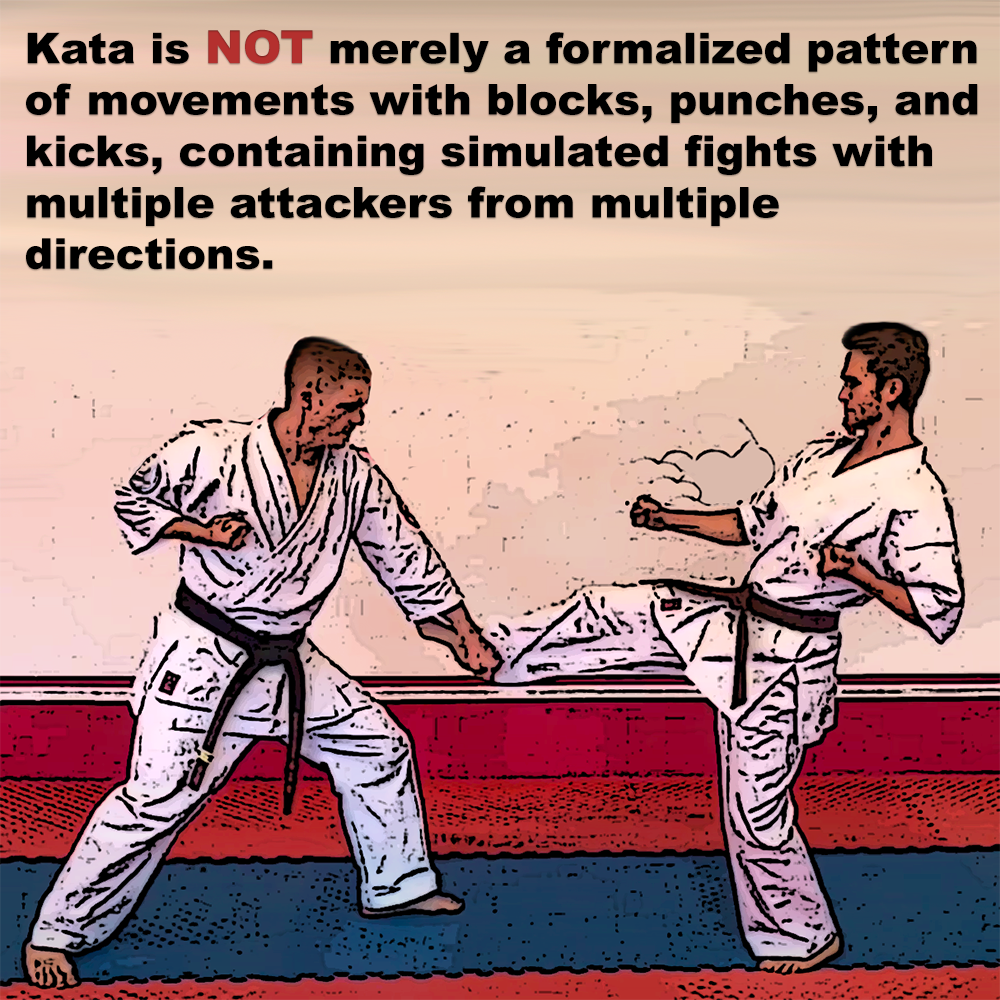
Kata is NOT merely a formalized pattern of movements with blocks, punches, and kicks, containing simulated fights with multiple attackers from multiple directions.

What is karate? Originating on the small island of Okinawa, created for its effectiveness in self-defense. But today, is it sport, self-defense, a way to improve character, a martial art? . It can be many or all those things, but for me there has to be a distinction between them all and an understanding which […]
Kata is NOT merely a formalized pattern of movements with blocks, punches, and kicks, containing simulated fights with multiple attackers from multiple directions. Read More »

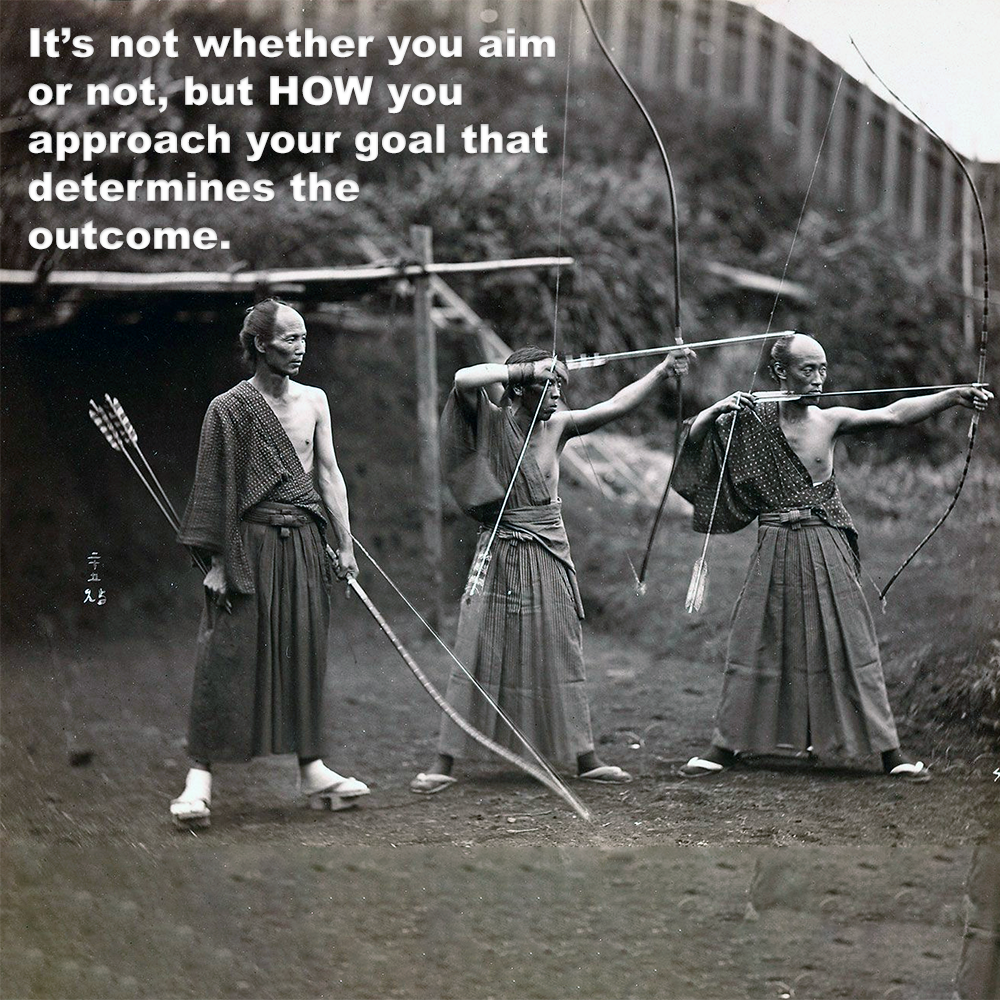
It’s not whether you aim or not, but HOW you approach your goal that determines the outcome.

Zanshin (残心) is a concept that can be translated as “remaining mind” or “lingering mind,” and it refers to a state of awareness and readiness that practitioners strive to achieve. . Zanshin is a state of mind that is achieved through the consistent practice of the martial arts. It involves being fully present in the

It’s not whether you aim or not, but HOW you approach your goal that determines the outcome. Read More »

Concentrate the front of the mind with a mundane task so the rest of the mind can find peace.

Mushin (無心) is a concept in Japanese martial arts and Zen Buddhism that refers to a state of mind characterized by a complete absence of conscious thought and an intense focus on the present moment. The term “Mushin” is composed of two Japanese characters: “mu” (無 )meaning “without” or “non” and “shin” (心) meaning “mind”

Concentrate the front of the mind with a mundane task so the rest of the mind can find peace. Read More »

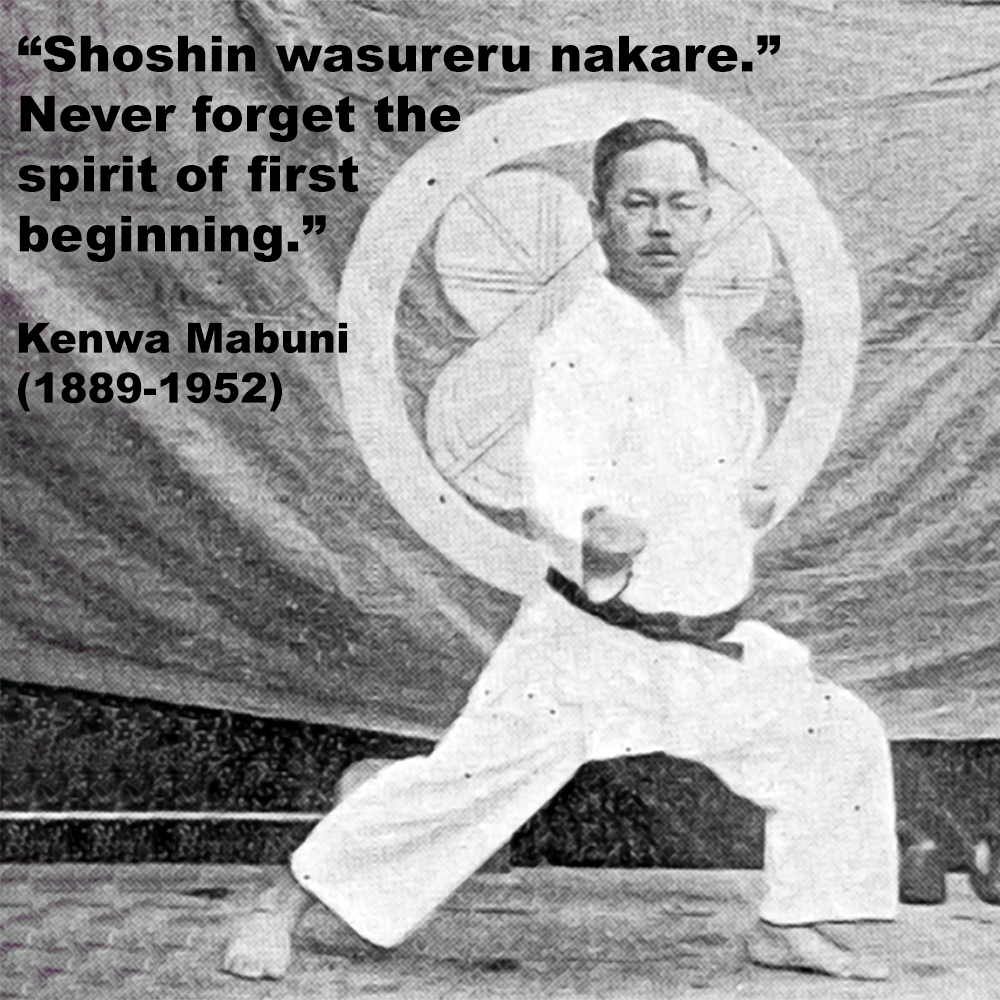
“Shoshin wasureru nakare.” – Never forget the spirit of first beginning.

Shoshin (初心) is a concept that is deeply ingrained in the philosophy of martial arts. It is a Japanese term that translates to “beginner’s mind” and refers to the attitude of openness, eagerness, and lack of preconceptions that a beginner has when they first start learning a new skill or discipline. . In the context

“Shoshin wasureru nakare.” – Never forget the spirit of first beginning. Read More »

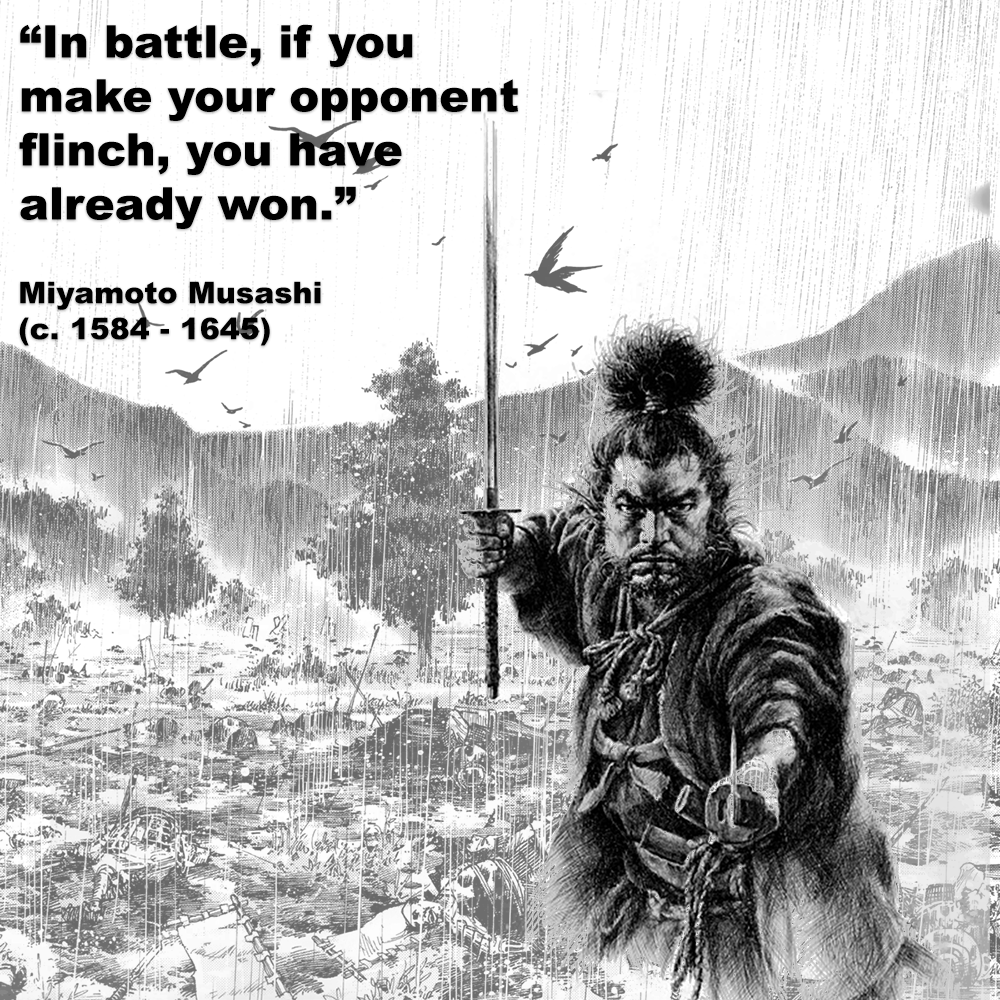
“In battle, if you make your opponent flinch, you have already won.”

The flinch response is a natural and innate reaction that occurs when we perceive a sudden threat or danger. In the context of martial arts, the flinch response is an important physiological mechanism that can be used to protect the body from harm. When training in the martial arts, it is essential to understand how

“In battle, if you make your opponent flinch, you have already won.” Read More »

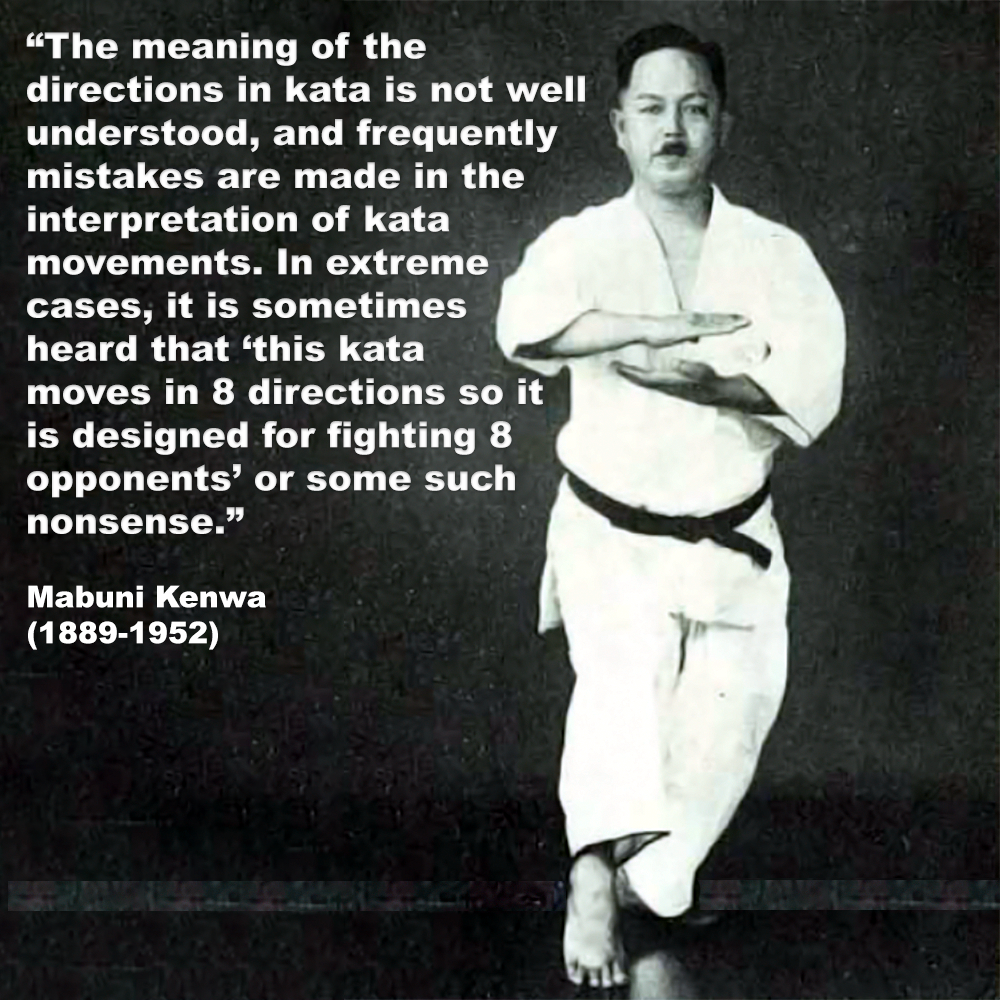
“The meaning of the directions in kata is not well understood, and frequently mistakes are made in the interpretation of kata movements.”

Enbusen (演武線 – embusen) is a term commonly used in the martial arts world. In its simplest form it refers to the pattern or shape of the movements that make up a particular kata. . The enbusen of a kata is an important aspect of its execution, as it provides a visual representation of the

“The meaning of the directions in kata is not well understood, and frequently mistakes are made in the interpretation of kata movements.” Read More »

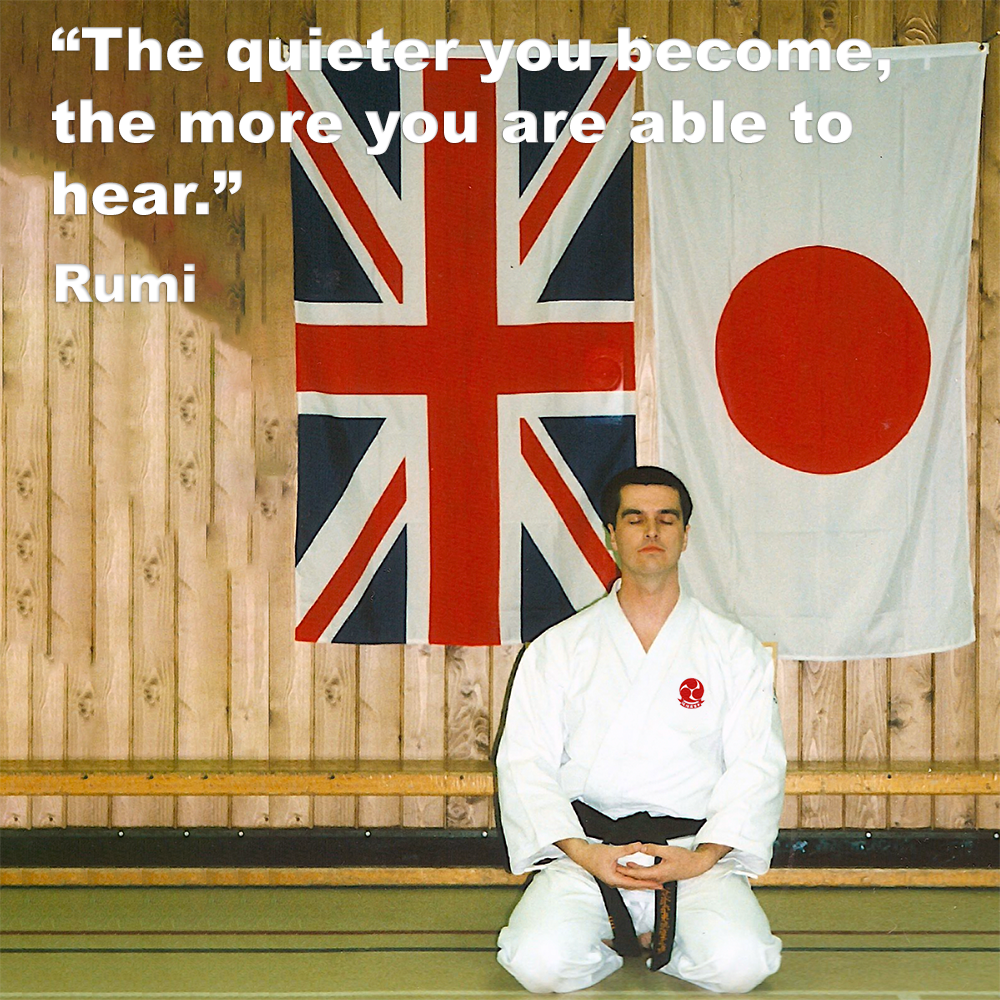
“The quieter you become, the more you are able to hear.”

‘Mokuso’ (黙想) is a Japanese term that is commonly used in the martial arts. The term refers to a period of silent meditation that is practiced at the beginning and end of a training session. . Commonly translated as “meditation”, the literal translation means “silence/still” (moku 黙) and “think/focus” (so 想). . Mokuso is often

“The quieter you become, the more you are able to hear.” Read More »

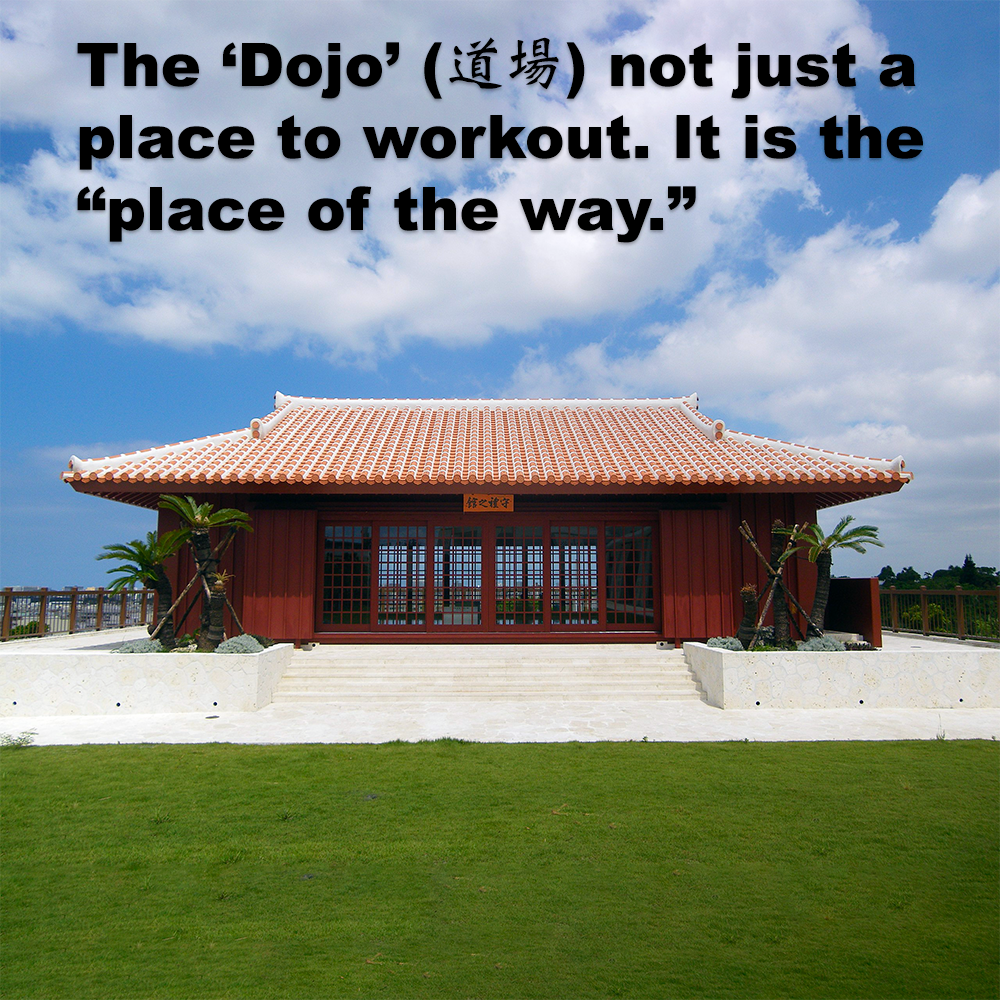
The ‘Dojo’ (道場) not just a place to workout. It is the “place of the way.”

There are numerous training facilities for all types and styles of martial arts. However, very few of these places rate the title of ‘dojo’. The commonly used terms of studio or gym are, in general, much more appropriate. Many of these institutions teach only the shell of an art and neither understand nor attempt to

The ‘Dojo’ (道場) not just a place to workout. It is the “place of the way.” Read More »

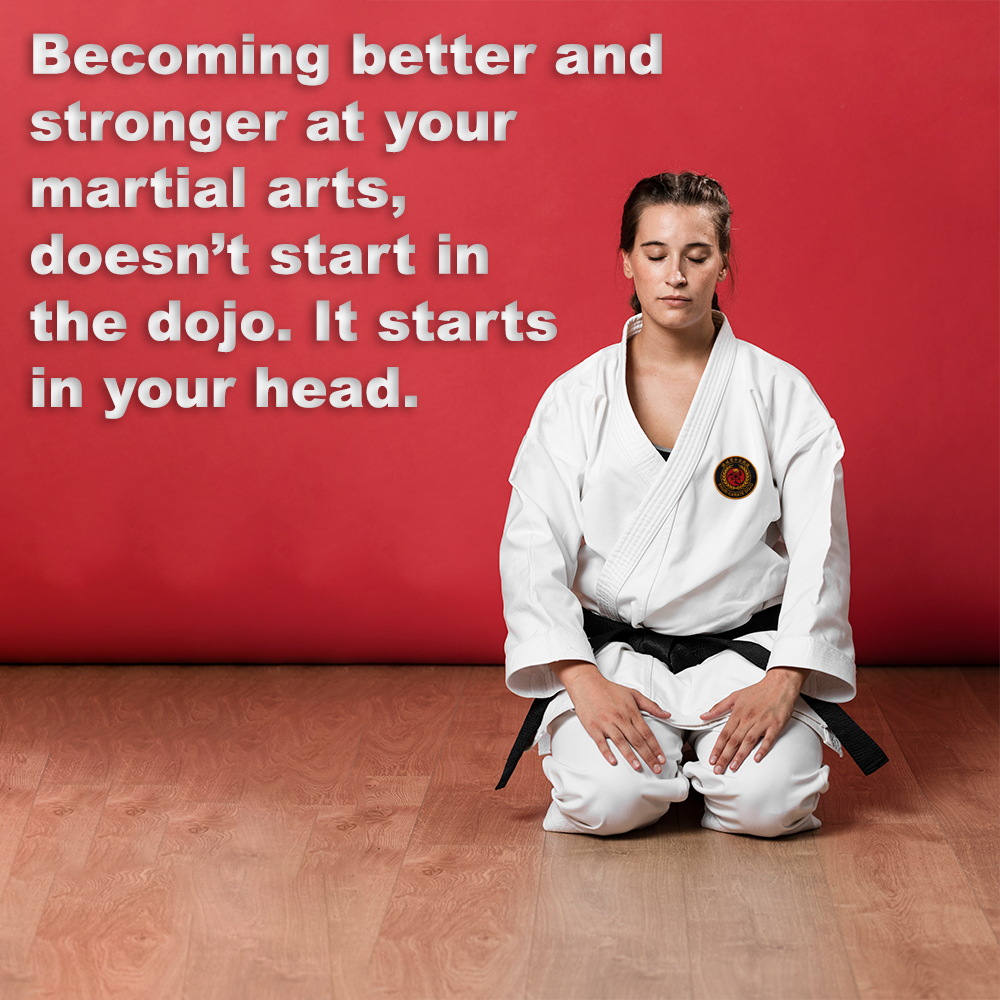
Becoming better and stronger at your martial arts, doesn’t start in the dojo. It starts in your head.

The beginning of a New Year and everyone wants to start out the year strong, but it’s finishing strong that’s also important. Many resolutions and goals are never reached because people get caught up in what’s happening in their lives, and because they haven’t developed the mental strength to keep themselves going when the momentum

Becoming better and stronger at your martial arts, doesn’t start in the dojo. It starts in your head. Read More »

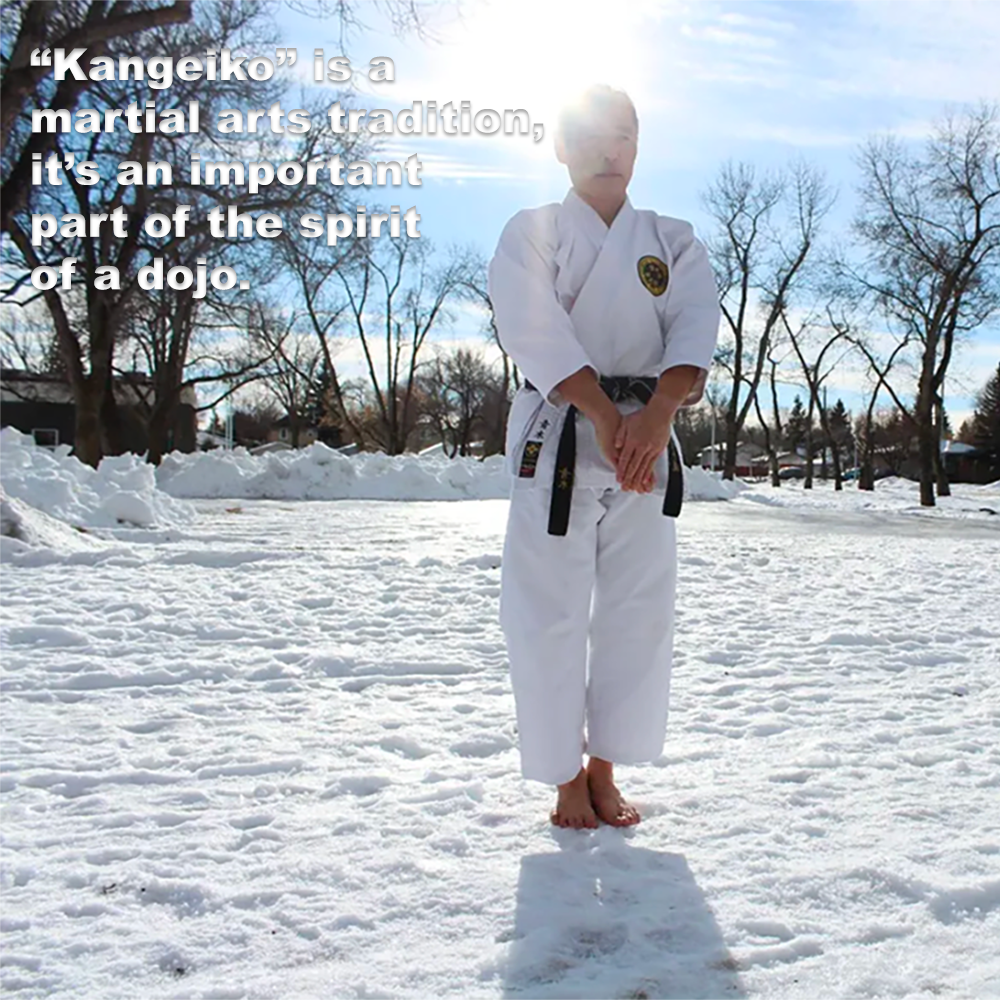
“Kangeiko” is a martial arts tradition, it’s an important part of the spirit of a dojo.

As the temperatures plummet again this time of year our thoughts turn to “Kangeiko” (寒稽古). The purpose of kangeiko is to begin the new year with a personal challenge, renew the spirit and set a tone of excellence for the entire year. . Kangeiko (literally ‘cold training’ or ‘winter training’) is a common practice of

“Kangeiko” is a martial arts tradition, it’s an important part of the spirit of a dojo. Read More »

If you’re thinking too much you’re not practicing enough.

If you’re thinking too much you’re not practicing enough. . A common problem is students don’t know what to practice or how to practice. To be effective in their learning they need to have small doable goals for them to accomplish, and then are tested on them….. the very next lesson. Unfortunately, when they return

If you’re thinking too much you’re not practicing enough. Read More »

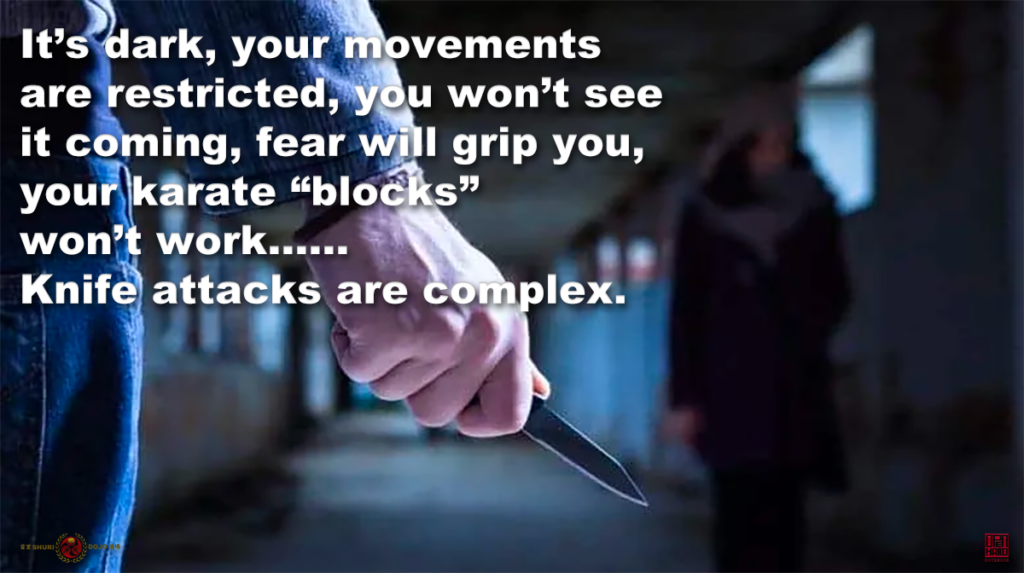
Knife attacks are complex.

Defense against knife attacks remains one of the most contentious parts of the martial arts. Very few instructors actually have any substantial experience of this type of violence and it’s a very difficult and complex topic. . Most of what is taught in martial arts classes is passed on by instructors who have never used

Knife attacks are complex. Read More »