Student

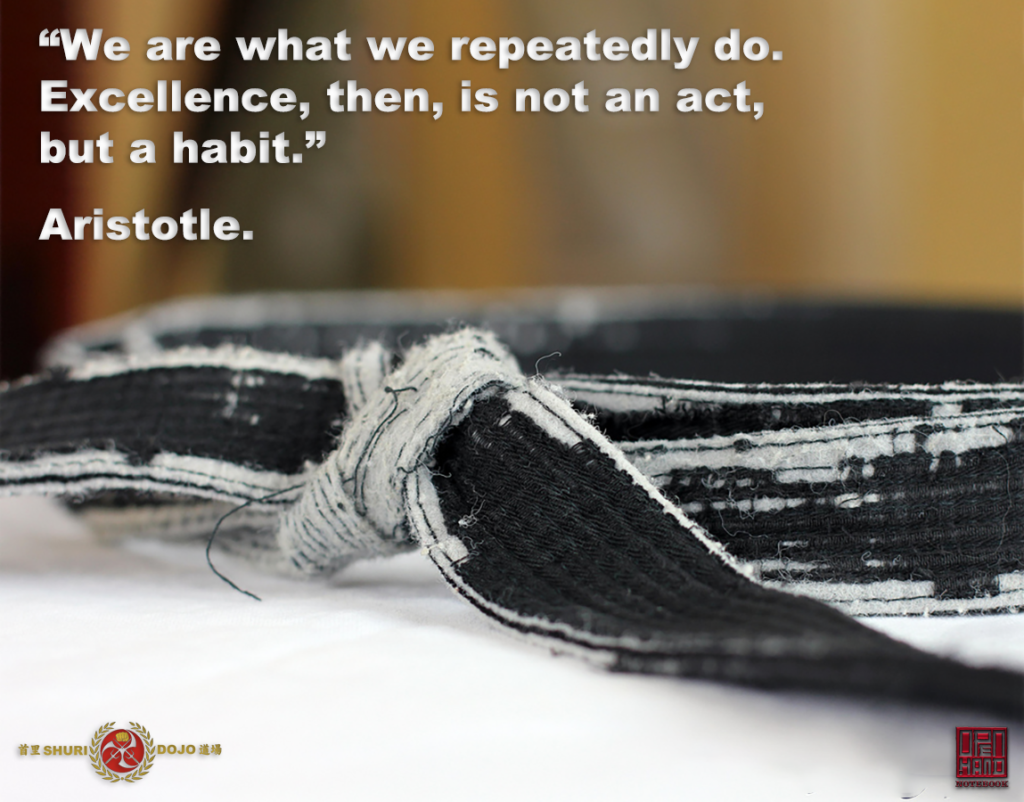
“We are what we repeatedly do. Excellence, then, is not an act, but a habit.”

If you want to be skilled at karate, do what skilled karate people do: train each day! If you get into the habit of daily training, you will surprise yourself with how much progress you can make. . I often get asked “how can I improve my karate?” The answer is really very simple…… Practice. […]

“We are what we repeatedly do. Excellence, then, is not an act, but a habit.” Read More »
The one word that separates the greats from the average. DISCIPLINE.

Passionately chase your dream. . In all honesty, this is the only way to do it. The mistake people make is trying to become motivated, they think it’s something you either have, or you don’t have. Unfortunately, you have to work at motivation. This means you have to actively tell yourself that you will go

The one word that separates the greats from the average. DISCIPLINE. Read More »

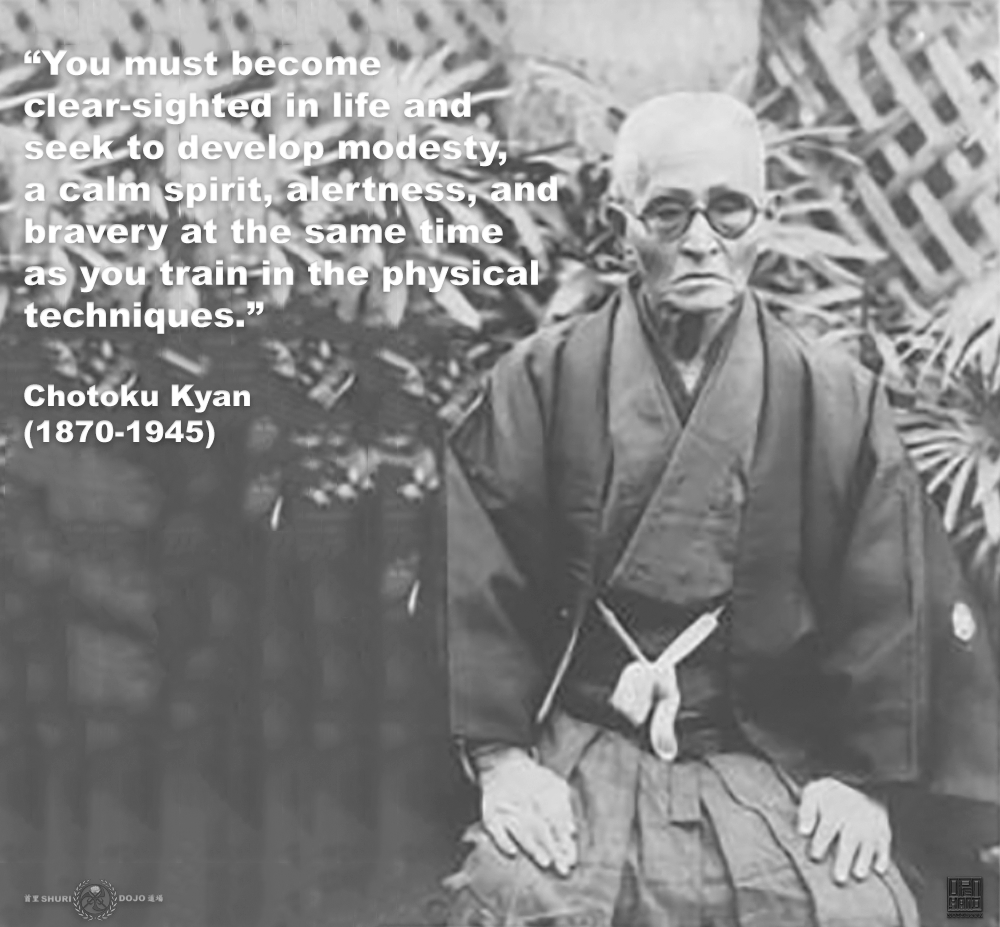
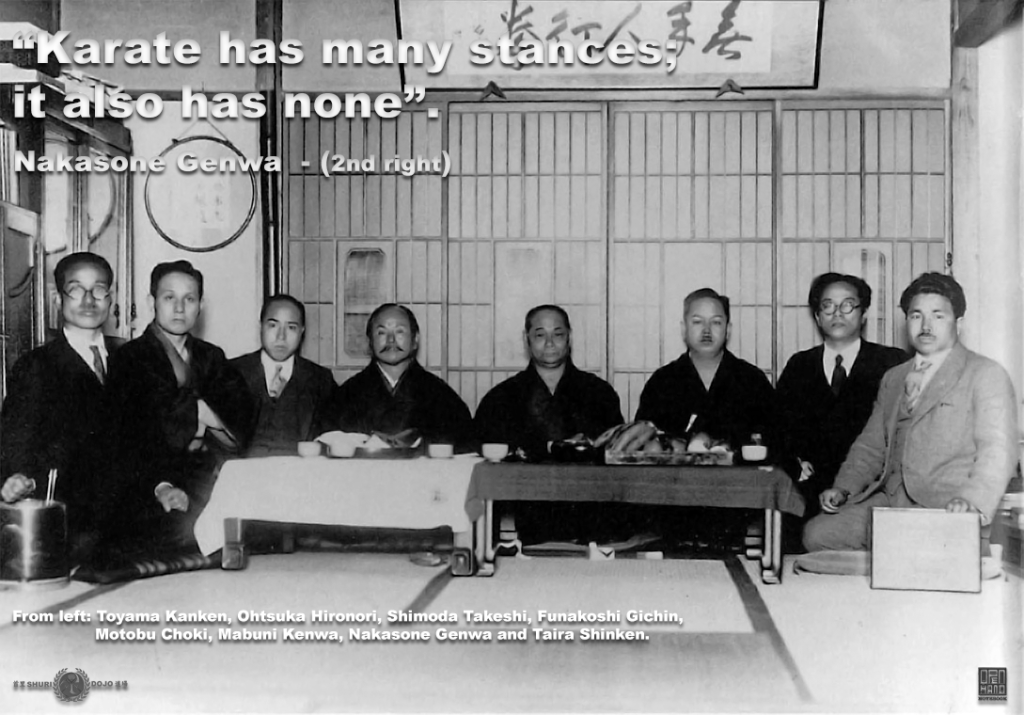
“Karate has many stances; it also has none”.

“Karate has many stances; it also has none”. – Nakasone Genwa (1895-1978) . Fundamental to the improvement of your karate technique is correct and balanced form. . In karate, ‘stance’ refers to the position of the lower body, the hips and the legs, which literally carry the upper body. Thus techniques are at their best

“Karate has many stances; it also has none”. Read More »

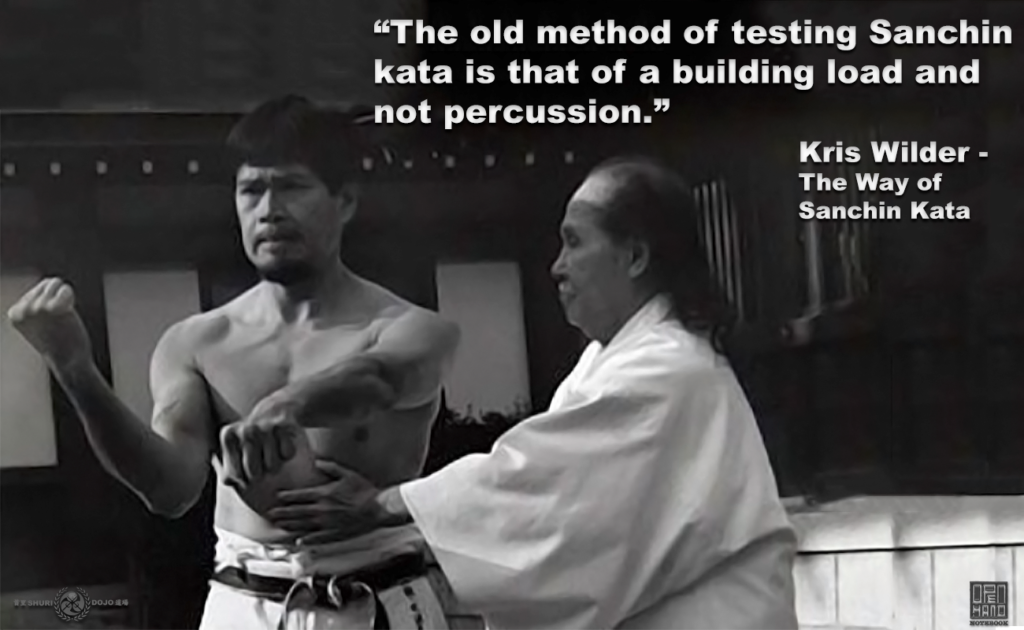
The process of ‘shime’ for Sanchin kata is about cooperation and study, and not brute force.

Shime (締め) testing is a two-person drill which serves as a way of testing a practitioner’s ability to apply the strategies and principles of Sanchin kata. . The idea behind the testing is to have the practitioner placed under a load, to evaluate their structure. . The testing involves putting pressure on the practitioner’s body.

The process of ‘shime’ for Sanchin kata is about cooperation and study, and not brute force. Read More »

“Bu, starts with Rei and ends with Rei.”

Ojigi (お辞儀) – Bowing in Japan is the act of lowering your head or the upper part of the torso, commonly used as a sign of salutation, reverence, apology or gratitude in social or religious situations. . Bowing is extremely important in Japan, children normally begin learning how to bow at a very young age,

“Bu, starts with Rei and ends with Rei.” Read More »

“The beauty of a move lies not in its appearance but in the thought behind it.”

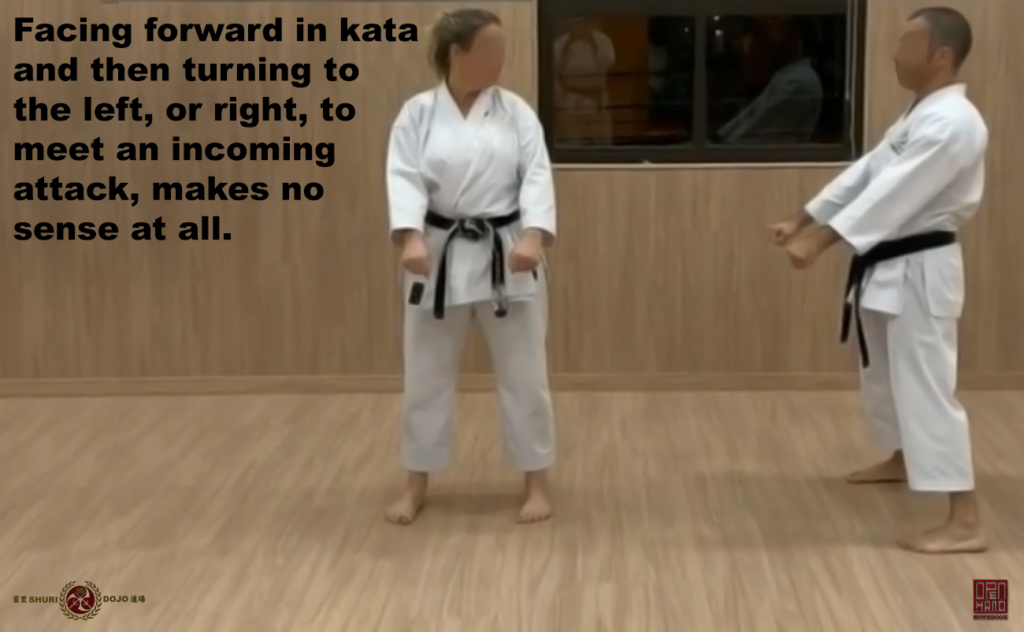
Facing forward in kata and then turning to the left, or right, to meet an incoming attack (whatever that might be), makes no sense at all. Yet today this is still being taught to students. . Throughout the history of karate we have some of the creators of kata informing us….. what they are trying

“The beauty of a move lies not in its appearance but in the thought behind it.” Read More »

What is it you want out of the martial arts?

What is it you want out of the martial arts? What is the one thing that will get you to where you want to be? . Many people look to motivation to push them toward their destination. But what happens when that motivation wears off, when the excitement declines? How can you stay committed on

What is it you want out of the martial arts? Read More »

Naihanchi (ナイハンチ) Kata

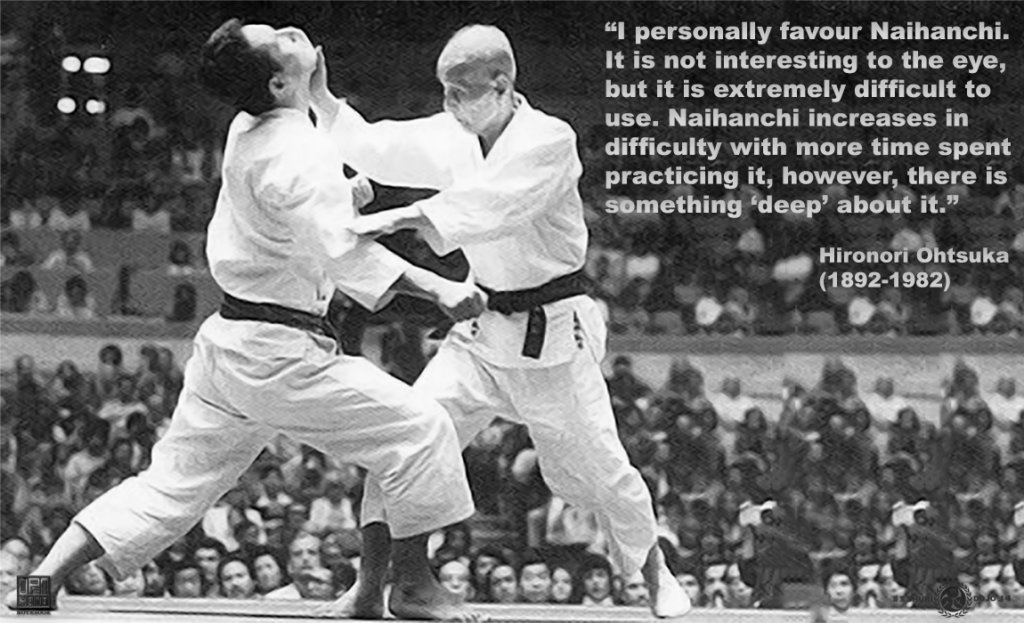
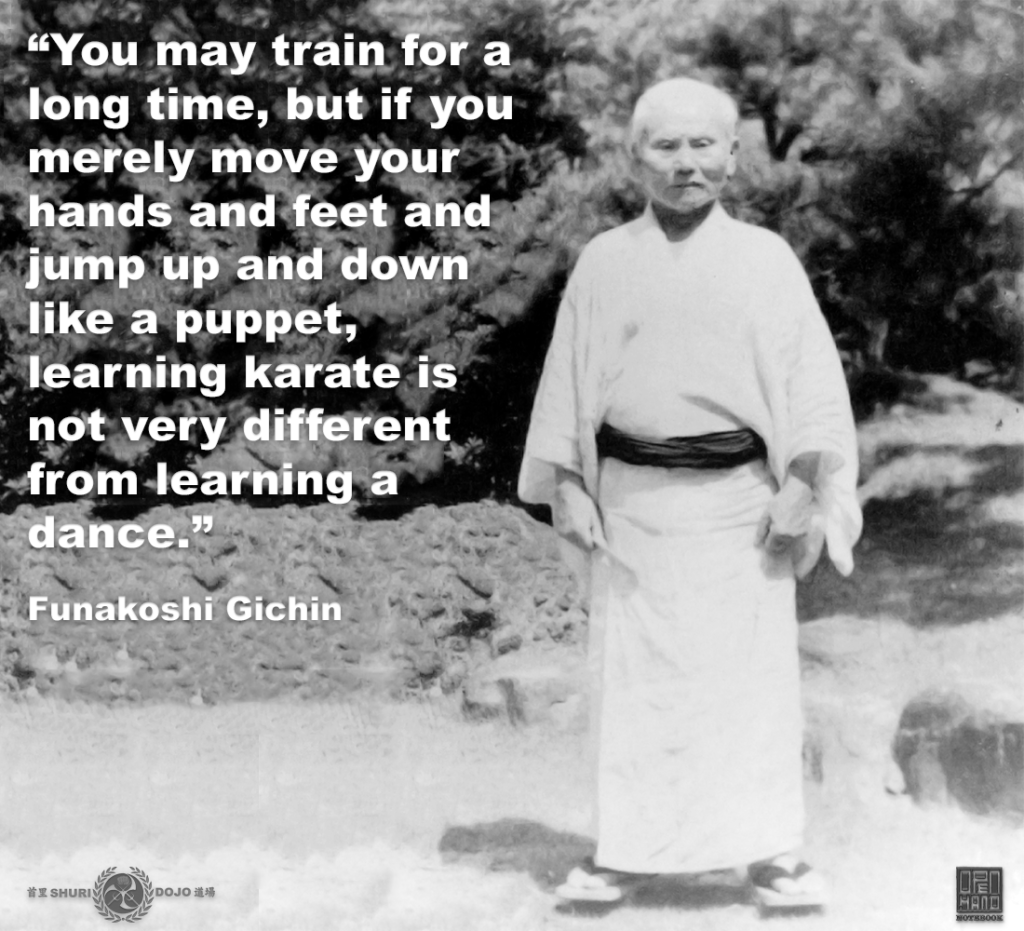
Naihanchi (ナイハンチ) . The kata Naihanchi is said to mean ‘sideways fighting’ due to the kata’s distinctive embusen (floor pattern), but is also translated as ‘internal divided conflict’, it is practiced in many styles of karate today. . Gichin Funakoshi renamed the kata Tekki (Iron Horse) in reference to his old teacher, Anko Itosu, and

Naihanchi (ナイハンチ) Kata Read More »

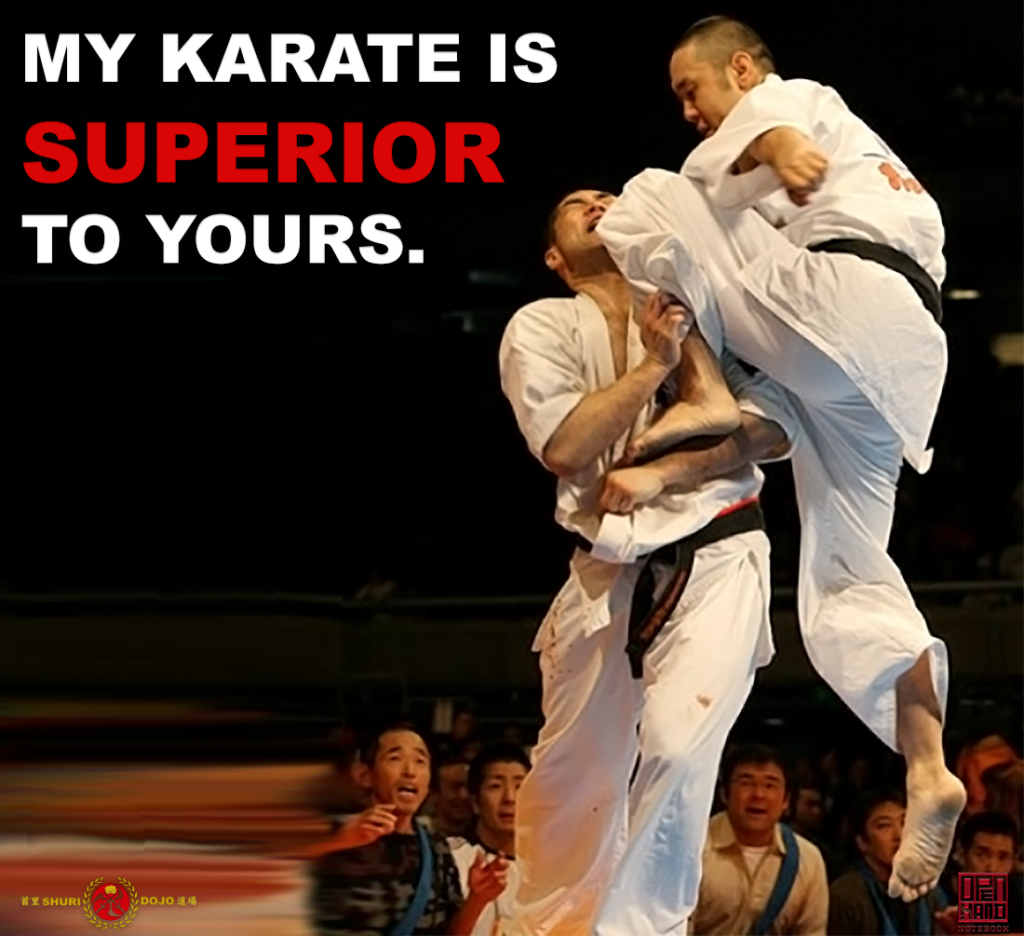
My karate is SUPERIOR to yours.

My karate is stronger, tougher, more athletic…. it’s superior to yours! . Really? It’s superior in all things?….. . You have to define what you mean by “superior”. I’m assuming that when people say a “superior karate style”, they mean the best in terms of effectiveness and practicality…… But superior, WHERE? In the dojo? In

My karate is SUPERIOR to yours. Read More »

So don’t cheat. Don’t pretend you did it. Don’t lie….. WORK FOR IT.

I am often asked for answers to questions from people online that I have never met, without knowing who these people are, or what they are doing, or where they come from. There are no introductions, or any form of politeness, it’s just…. “I want information, give it to me NOW!” . Sharing knowledge is

So don’t cheat. Don’t pretend you did it. Don’t lie….. WORK FOR IT. Read More »

Sometimes its good to practice to “slow” down

Just like learning to play a musical instrument, muscle memory is built by repetition, and doing something wrong during that repetition ingrains it into your mind. It is much more beneficial to do it right the first time, than training the bad information out later on. . In the martial arts, faster is usually considered

Sometimes its good to practice to “slow” down Read More »

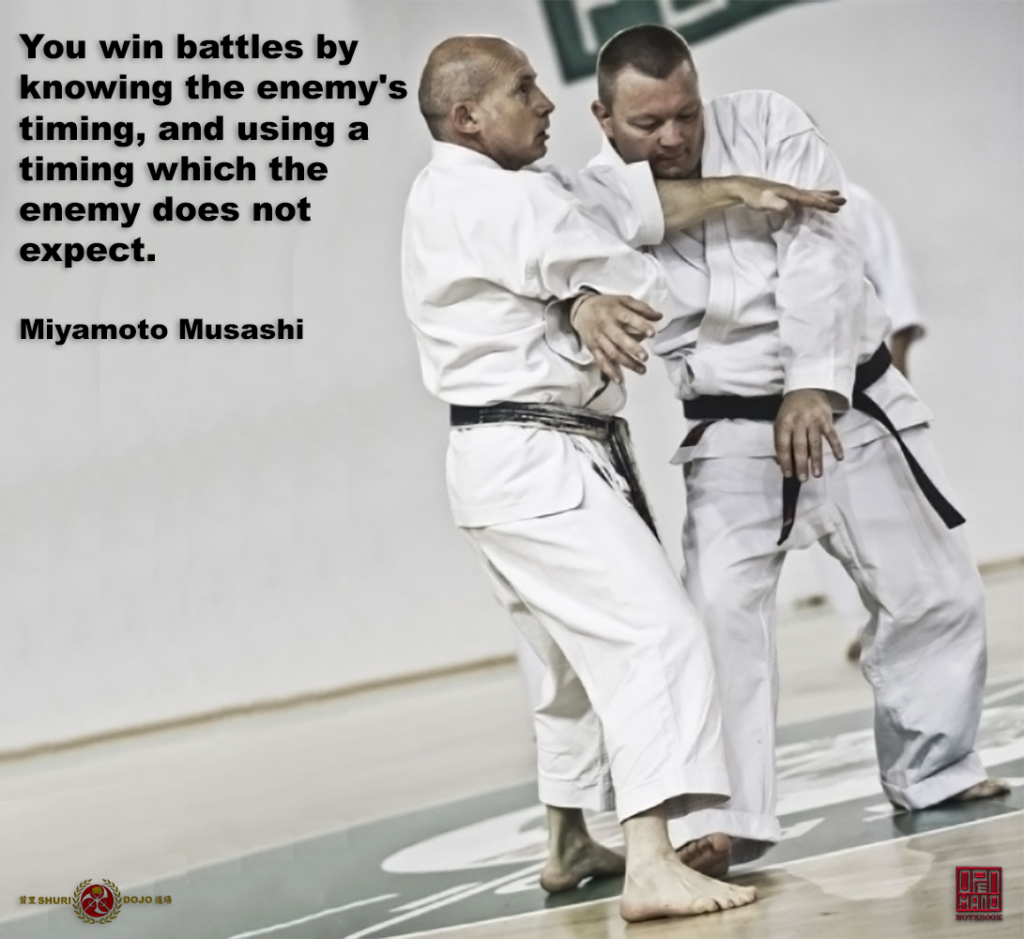
Control an attacker, don’t give them the chance to control you.

Irimi (入り身) is a Japanese martial arts term meaning “to enter with body”. An ‘irimi’ motion is one which describes when someone enters towards another. It’s a rather simple definition but performing it, especially under stress or pressure, can be quite difficult. . Perhaps a more meaningful way of using Irimi is to understand it as

Control an attacker, don’t give them the chance to control you. Read More »