Student

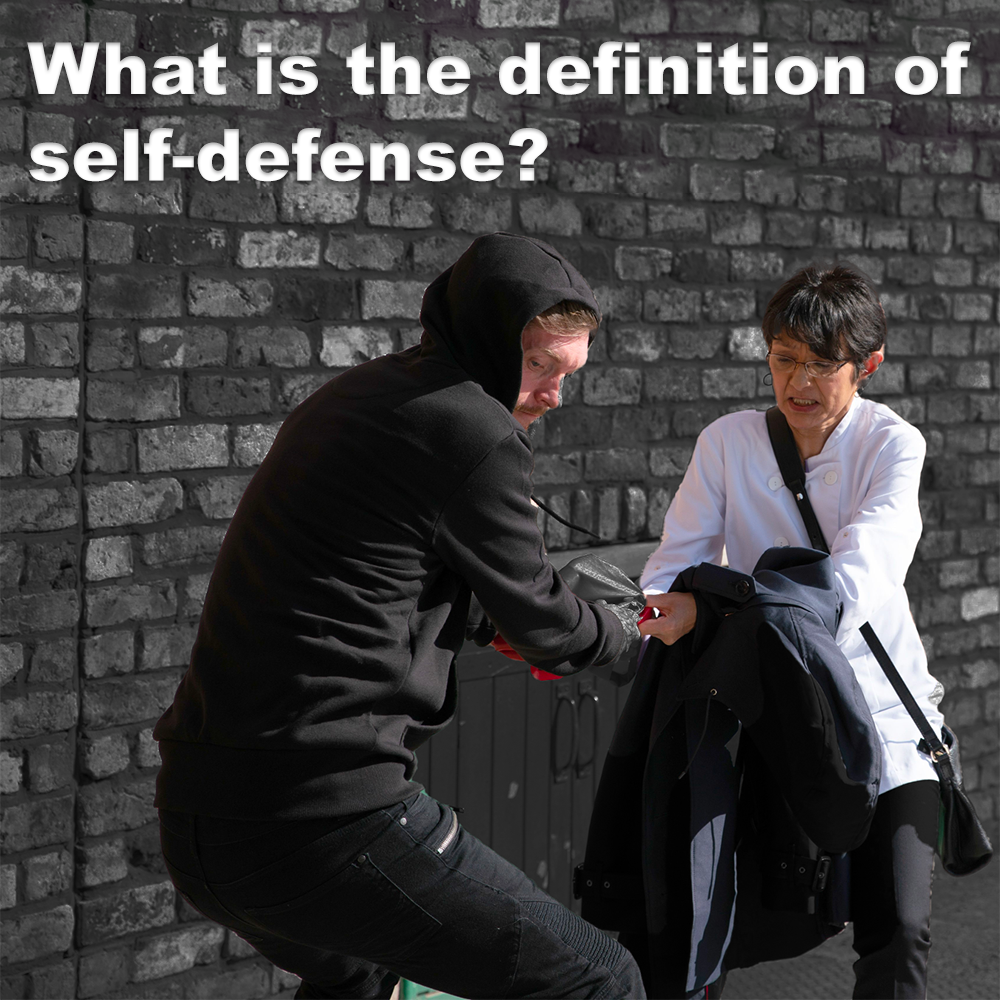
What is the definition of self-defense?

What is the definition of self-defense? . The average person’s idea of what constitutes “self-defense training” is generally the furthest thing from the truth. . The question “what is real self-defense?”, prompts many to play their ego card. Some people become offended at the suggestion of anything outside their martial arts world that is not

What is the definition of self-defense? Read More »

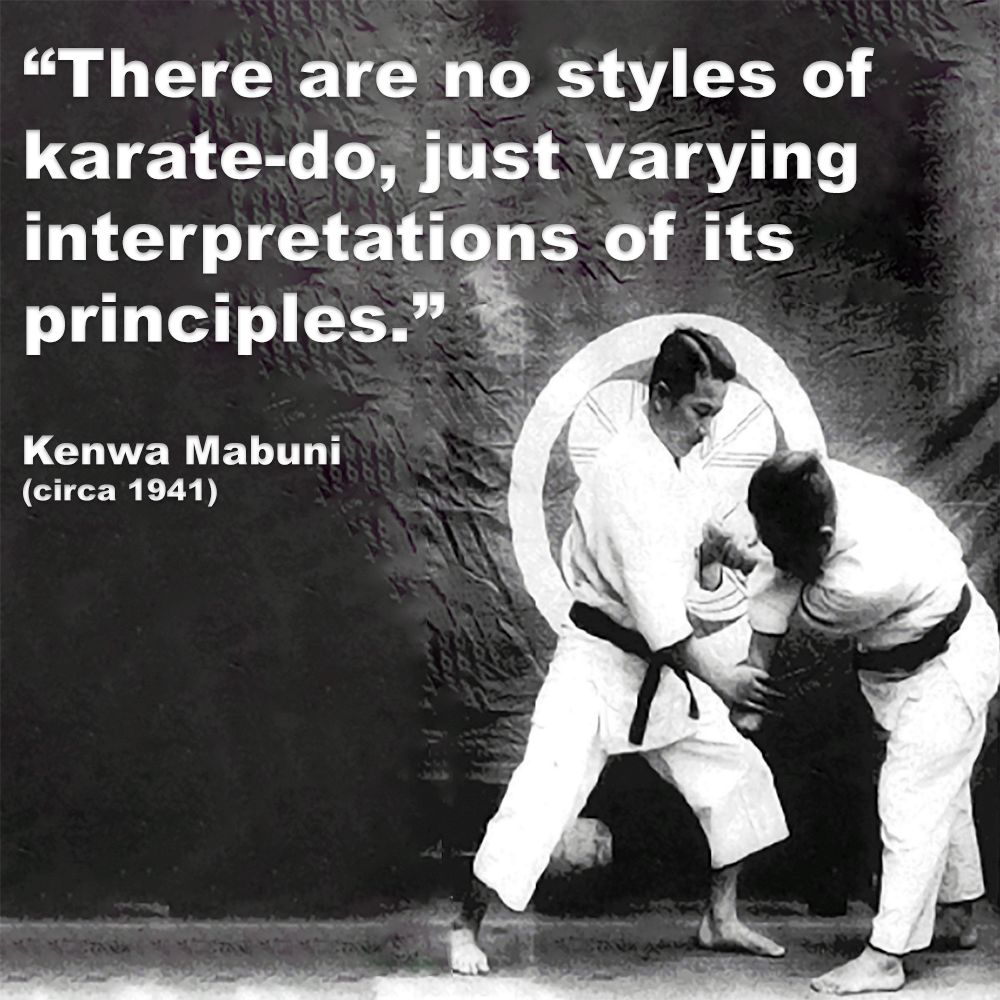
“There are no styles of karate-do, just varying interpretations of its principles.”

Talk to anyone about the martial arts and it is very likely that they will ask you, “what style do you practice?”. . How did all these various styles come into existence? Are they really that important? Should the existing styles be preserved? . It’s often stated that as you gain experience over the years

“There are no styles of karate-do, just varying interpretations of its principles.” Read More »

It begins at the beginning, with understanding “why” and not just “how” you are doing something.

If you’re an instructor in the martial arts then you will have a system that you use to instruct your class. It is more than probable that you learned this from observing your own instructor, in whatever style of the martial arts that you study and are now teaching. . As an instructor, it’s important

It begins at the beginning, with understanding “why” and not just “how” you are doing something. Read More »

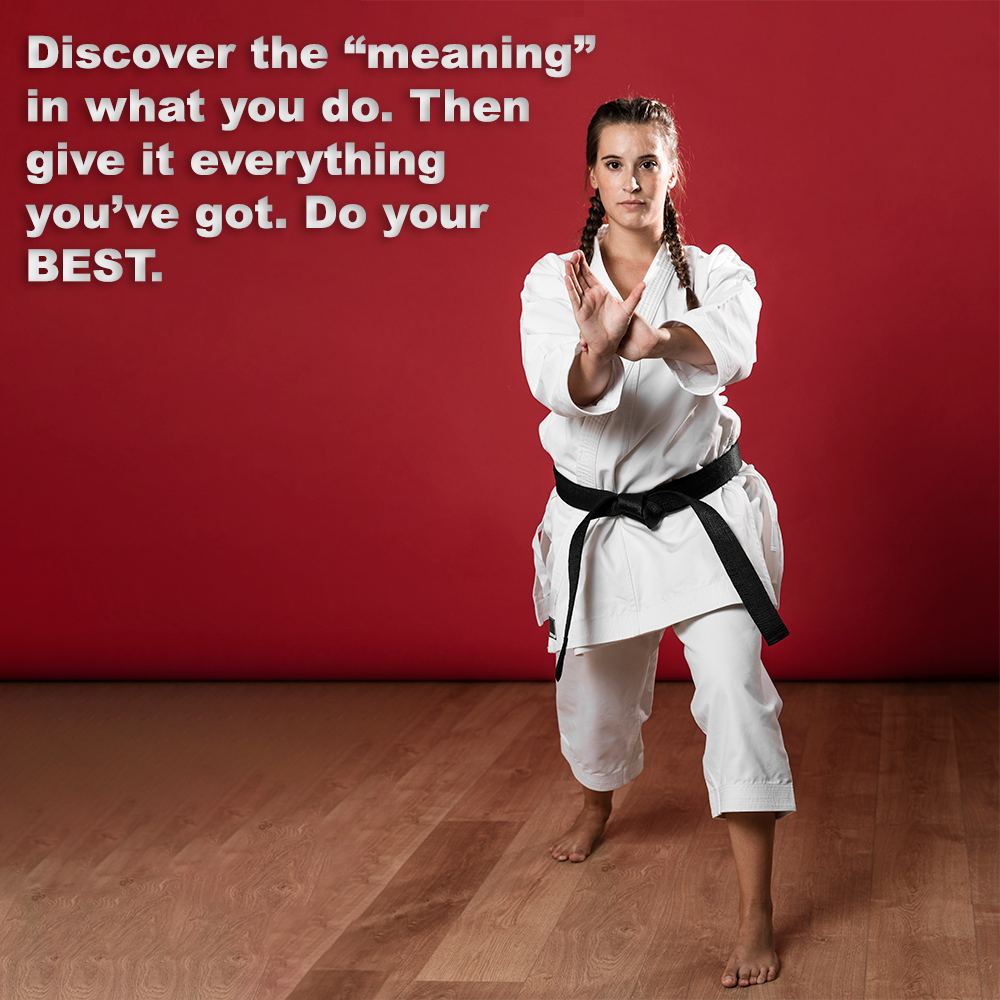
Discover the “meaning” in what you do. Then give it everything you’ve got. Do your BEST.

What does “do your best” really mean? How can you do your best? Why would you not want to do your best, in anything? . I receive so many comments from people on my articles that basically comes down to saying; “so what!”, in deference to learning something new or different. . In my mind

Discover the “meaning” in what you do. Then give it everything you’ve got. Do your BEST. Read More »

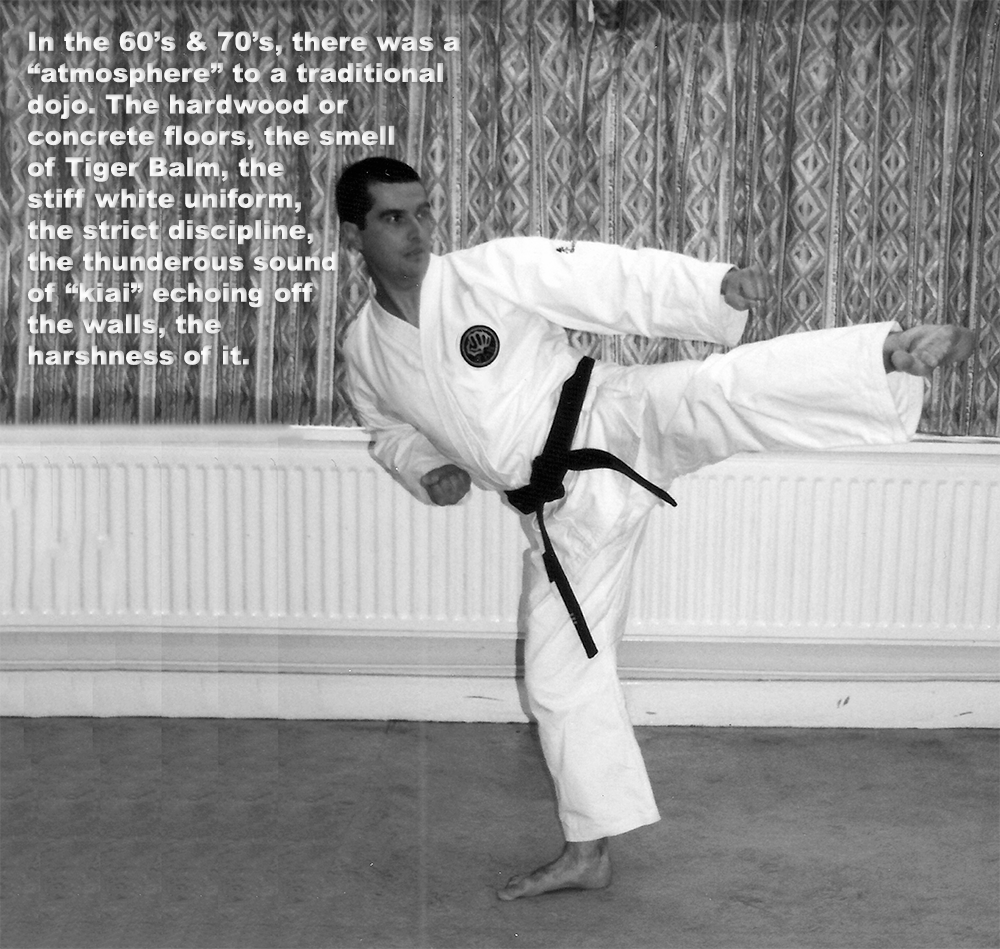
In the 60’s and 70’s, there was a “atmosphere” to a traditional dojo.

In the 60’s and 70’s martial arts were a cult. If you missed a session everyone would want to know where you were. Training practices were harsh and very dangerous and injuries commonplace. . Everyone attended every seminar and every tournament. Barefoot runs to warm up, barefoot running in the snow during winter just wearing

In the 60’s and 70’s, there was a “atmosphere” to a traditional dojo. Read More »

Don’t just practice at a specific time of the day or week…. Live your art.

There are a number of reasons why you might want to take up a martial art. The regular physical practice can help you keep fit, build confidence, and let off steam. In the right environment you can learn effective self-defense, or become a tournament competitor (they are different). A martial art can also be a

Don’t just practice at a specific time of the day or week…. Live your art. Read More »

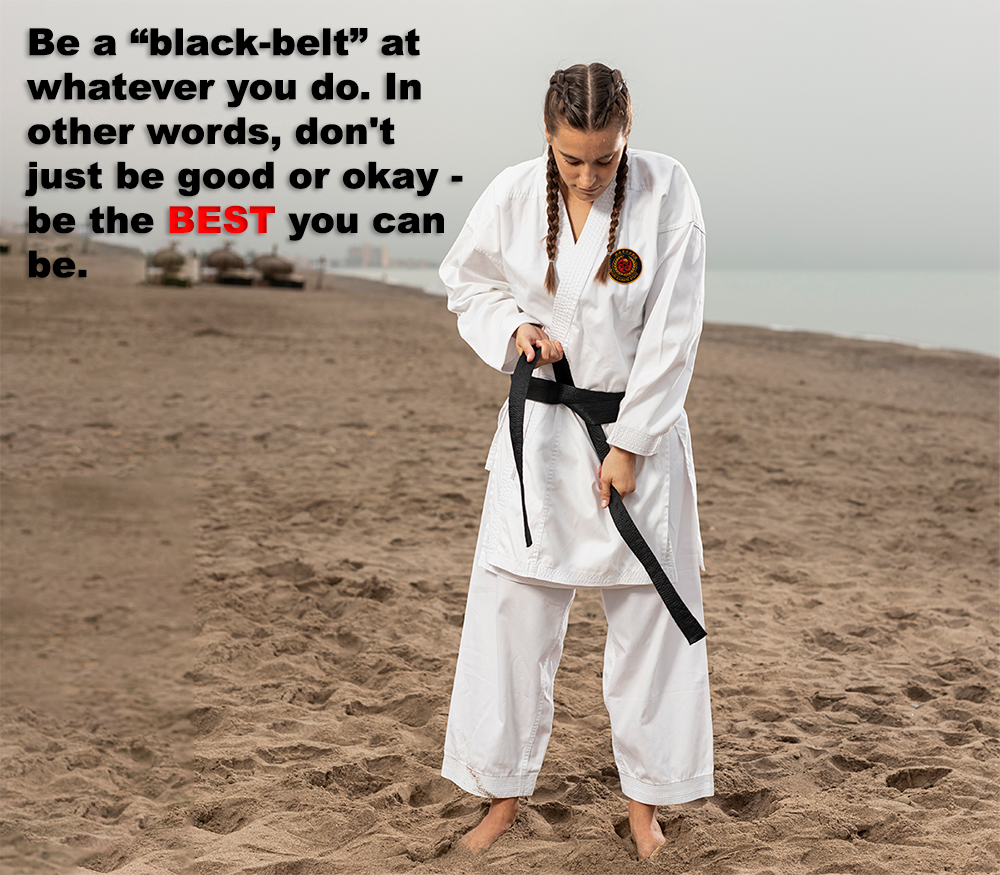
Be a “black-belt” at whatever you do. In other words, don’t just be good or okay – be the BEST you can be.

Teachers teach content then test students. This cycle of teaching and testing is familiar to anyone who has been a martial arts student. Tests seek to see what students have learned. . Tests are supposed to be evaluations that see what you know at a particular point in time. But teaching students to practice for

Be a “black-belt” at whatever you do. In other words, don’t just be good or okay – be the BEST you can be. Read More »

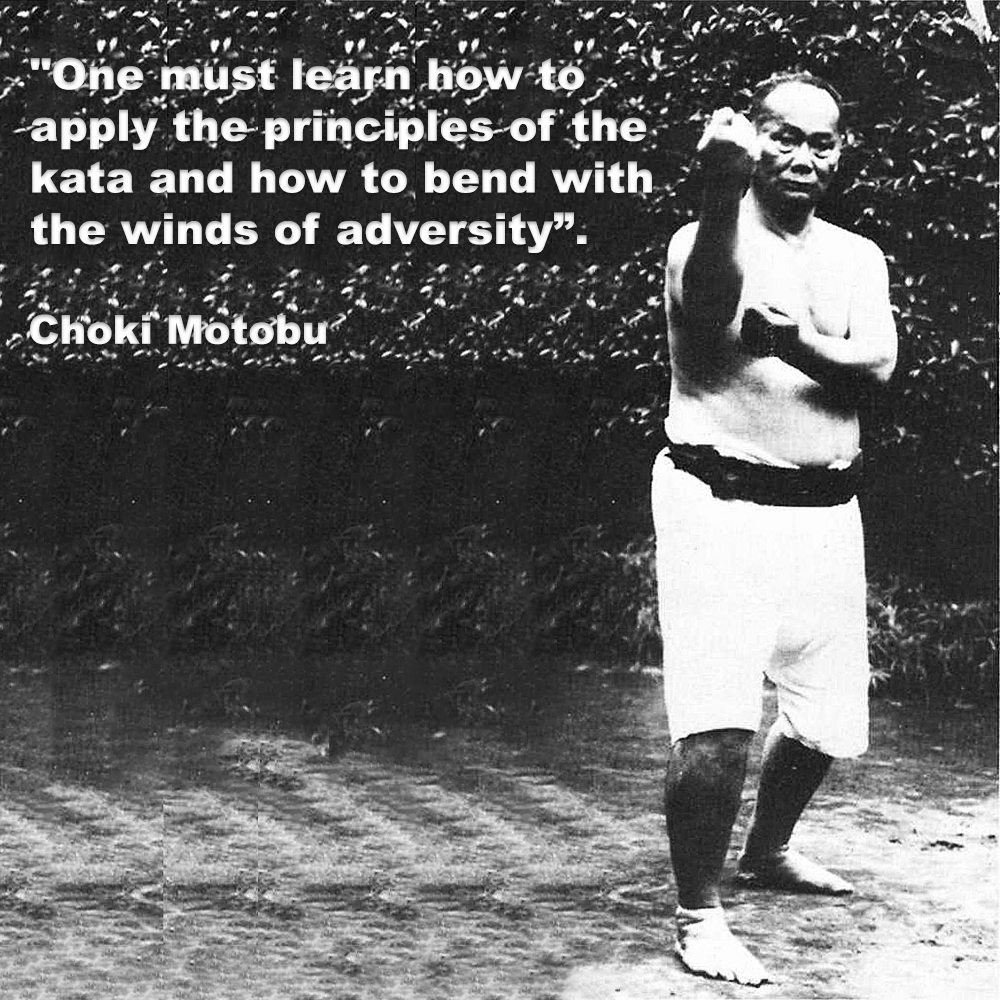
“One must learn how to apply the principles of the kata and how to bend with the winds of adversity”.

Kata are not simply a bunch of techniques one after the other;…. no, each and every kata were created to record the key principles and strategies of a complete fighting system. . Historically, an individual would formulate a kata to record their own personal fighting methods, the styles of the time. . It obviously would

“One must learn how to apply the principles of the kata and how to bend with the winds of adversity”. Read More »