Humility

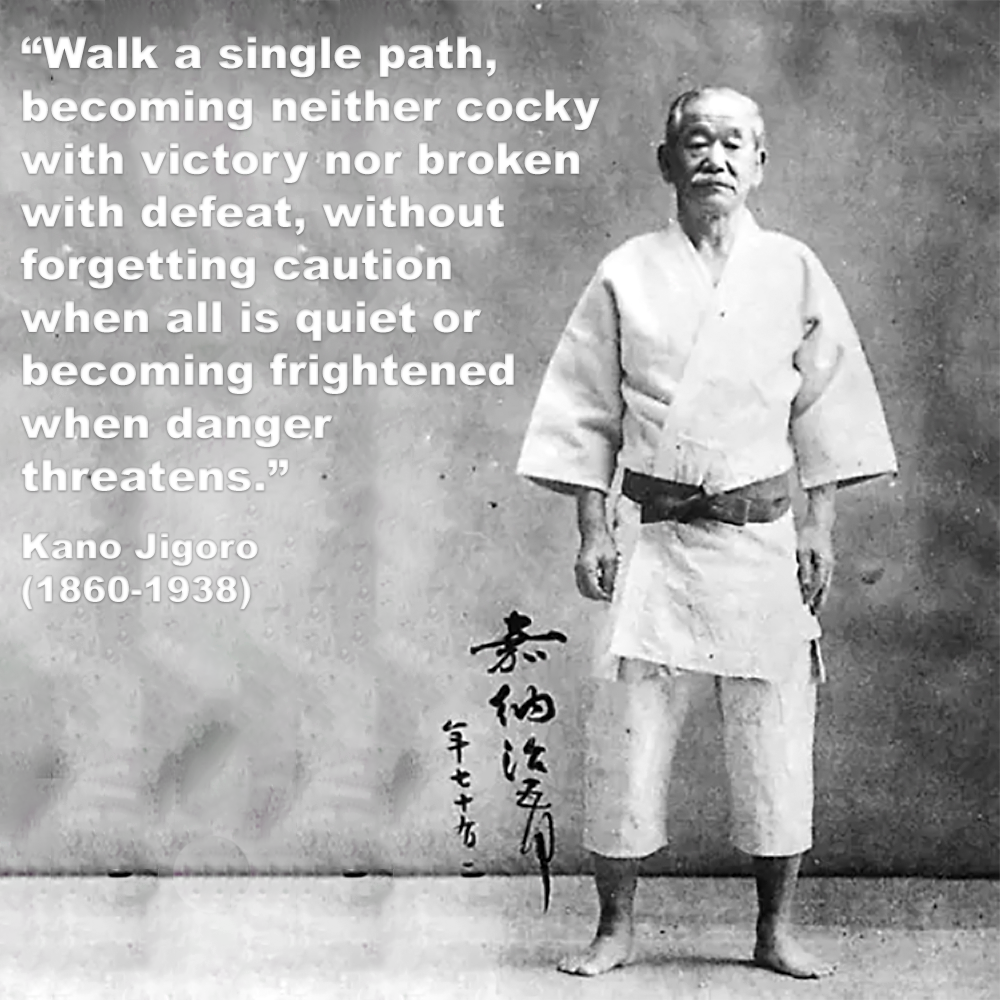
“Walk a single path, becoming neither cocky with victory nor broken with defeat, without forgetting caution when all is quiet or becoming frightened when danger threatens.”

One of the most recognizable aspects of karate is the black-belt, which is awarded to those who have achieved a high level of proficiency in the art. But the black-belt is more than just a physical accessory or a symbol of skill; it represents a journey of personal growth and development. Another beginning, not the […]
“Walk a single path, becoming neither cocky with victory nor broken with defeat, without forgetting caution when all is quiet or becoming frightened when danger threatens.” Read More »

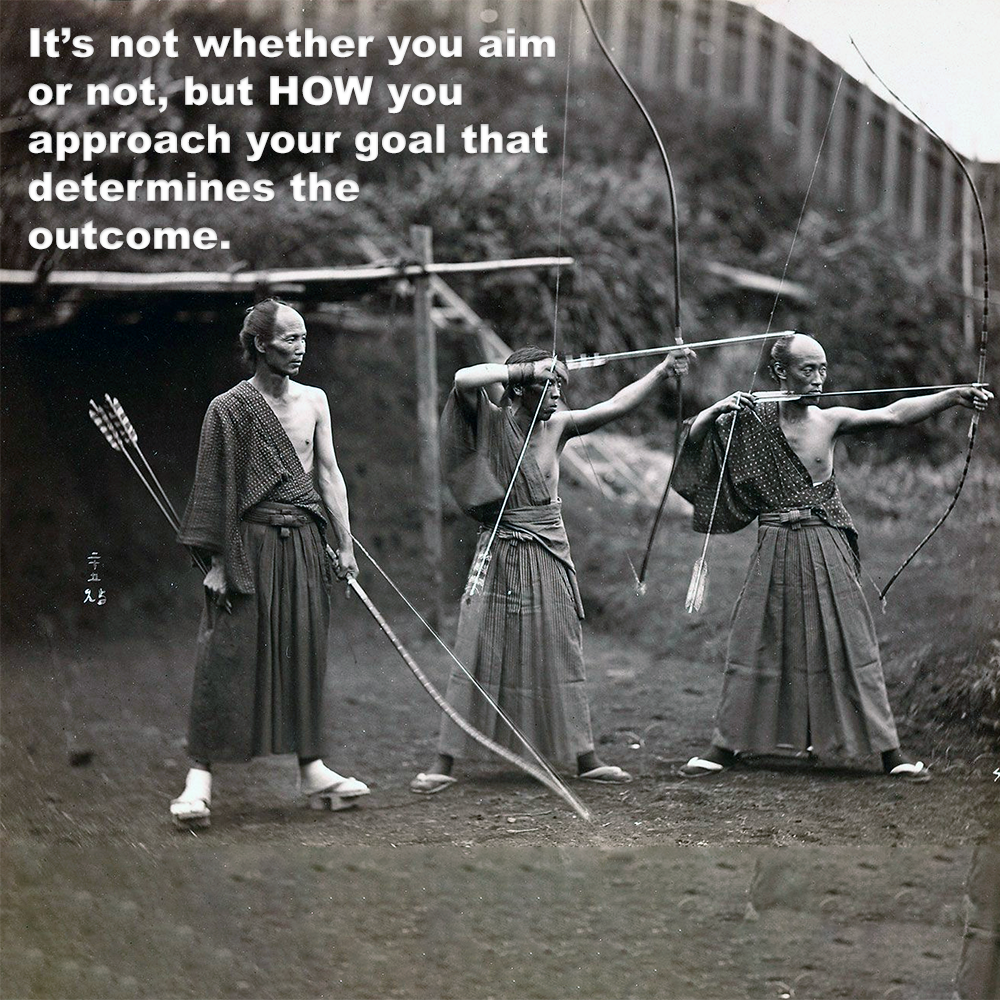
It’s not whether you aim or not, but HOW you approach your goal that determines the outcome.

Zanshin (残心) is a concept that can be translated as “remaining mind” or “lingering mind,” and it refers to a state of awareness and readiness that practitioners strive to achieve. . Zanshin is a state of mind that is achieved through the consistent practice of the martial arts. It involves being fully present in the

It’s not whether you aim or not, but HOW you approach your goal that determines the outcome. Read More »

Concentrate the front of the mind with a mundane task so the rest of the mind can find peace.

Mushin (無心) is a concept in Japanese martial arts and Zen Buddhism that refers to a state of mind characterized by a complete absence of conscious thought and an intense focus on the present moment. The term “Mushin” is composed of two Japanese characters: “mu” (無 )meaning “without” or “non” and “shin” (心) meaning “mind”

Concentrate the front of the mind with a mundane task so the rest of the mind can find peace. Read More »

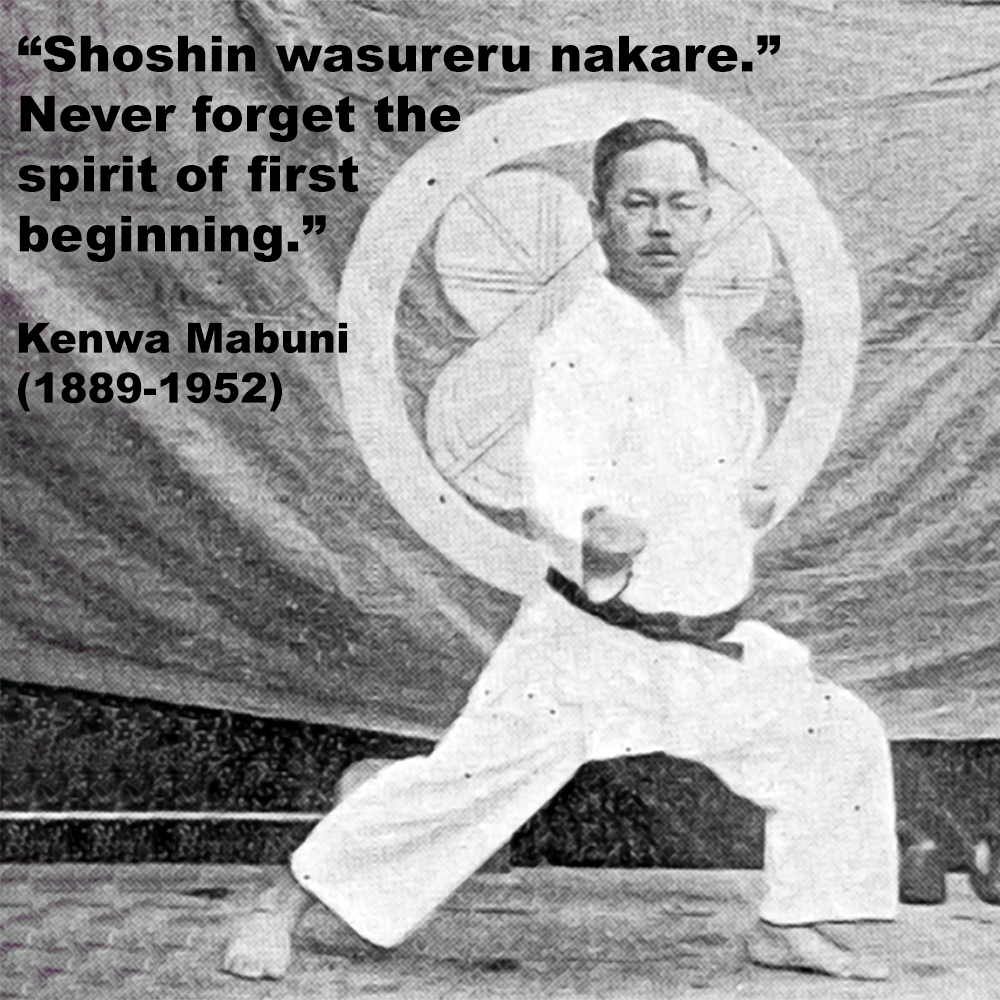
“Shoshin wasureru nakare.” – Never forget the spirit of first beginning.

Shoshin (初心) is a concept that is deeply ingrained in the philosophy of martial arts. It is a Japanese term that translates to “beginner’s mind” and refers to the attitude of openness, eagerness, and lack of preconceptions that a beginner has when they first start learning a new skill or discipline. . In the context

“Shoshin wasureru nakare.” – Never forget the spirit of first beginning. Read More »

‘Fudoshin’ is an essential mental state that is crucial for your wellbeing in both martial arts and everyday life.

‘Fudoshin’ (不動心) is a term used in the martial arts to describe a state of mind that translates to “immovable mind” or “unshakable spirit.” It is a mental state that is characterized by an unwavering determination to achieve a goal, regardless of the obstacles that may arise. . Fudoshin is not only important in martial

‘Fudoshin’ is an essential mental state that is crucial for your wellbeing in both martial arts and everyday life. Read More »

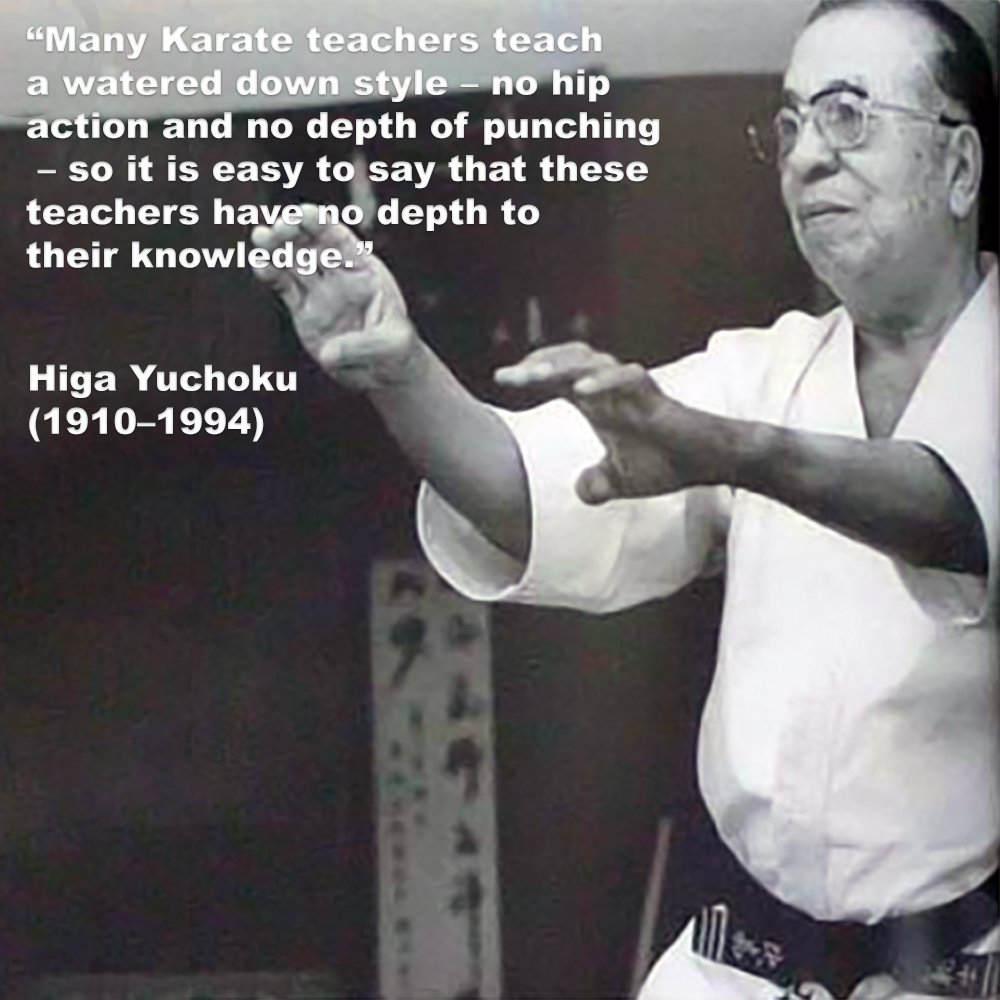
“Many Karate teachers teach a watered down style – no hip action and no depth of punching – so it is easy to say that these teachers have no depth to their knowledge.”

The proverb “Teachers open the door, but you must enter by yourself”, is a powerful reminder of the role that teachers play in our lives. Teachers are there to provide us with knowledge, guidance, and support, but ultimately, it is up to you to take responsibility for your own learning and growth. . In today’s

“Many Karate teachers teach a watered down style – no hip action and no depth of punching – so it is easy to say that these teachers have no depth to their knowledge.” Read More »

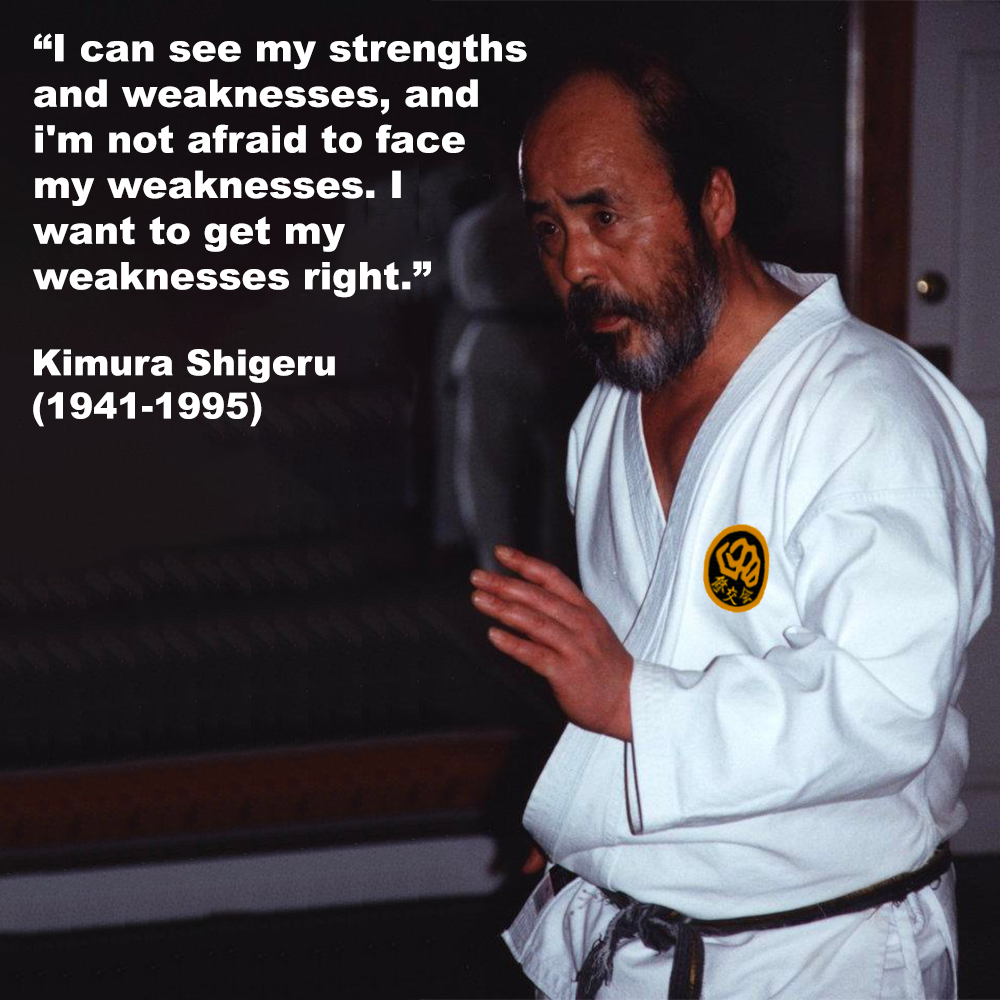
“I can see my strengths and weaknesses, and i’m not afraid to face my weaknesses.”

Growth in the martial arts comes through repetitive daily practice and studying at every opportunity. Today, society finds repetition boring and stifling. The self-discipline of repetition is at the heart of the martial arts. Through repetition, you can quiet the inner dialogue between the ego and the over-thinking mind. . Everything is a test….. and

“I can see my strengths and weaknesses, and i’m not afraid to face my weaknesses.” Read More »

“The quieter you become, the more you are able to hear.”

‘Mokuso’ (黙想) is a Japanese term that is commonly used in the martial arts. The term refers to a period of silent meditation that is practiced at the beginning and end of a training session. . Commonly translated as “meditation”, the literal translation means “silence/still” (moku 黙) and “think/focus” (so 想). . Mokuso is often

“The quieter you become, the more you are able to hear.” Read More »

What makes one person commit their life toward a specific goal, while another person quickly gives up pursuing a goal the first moment they experience adversity? . In the martial arts, what makes one practitioner continue to persevere against all odds, while another quits the moment he/she begins to feel pain and discomfort? Why do

Read More »

“You think it’ll last forever, people and cars and concrete, but it won’t. One day it’s all gone. Even the sky”.

“You think it’ll last forever, people and cars and concrete, but it won’t. One day it’s all gone. Even the sky”. . Time does not care about anything but moving forward. What do the martial arts offer the aging student? . Young practitioners mostly see karate, or the martial arts in general, as something I

“You think it’ll last forever, people and cars and concrete, but it won’t. One day it’s all gone. Even the sky”. Read More »

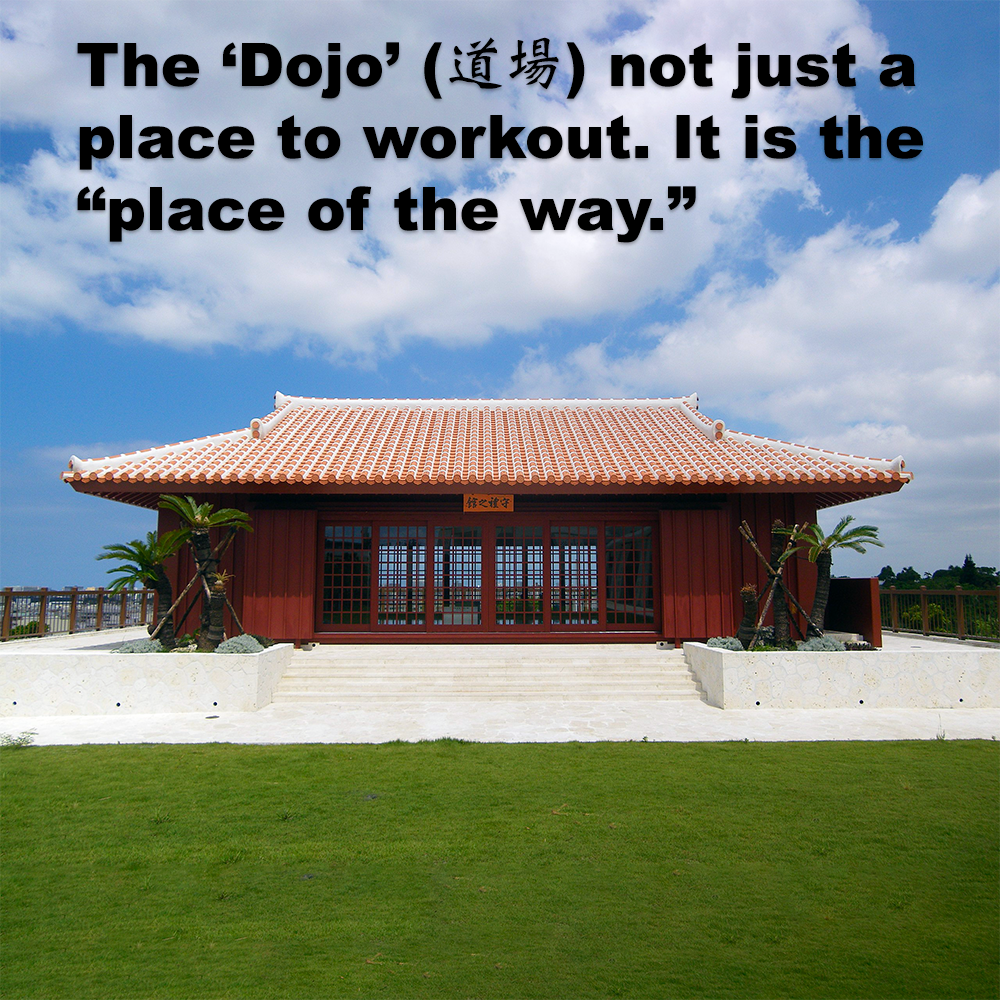
The ‘Dojo’ (道場) not just a place to workout. It is the “place of the way.”

There are numerous training facilities for all types and styles of martial arts. However, very few of these places rate the title of ‘dojo’. The commonly used terms of studio or gym are, in general, much more appropriate. Many of these institutions teach only the shell of an art and neither understand nor attempt to

The ‘Dojo’ (道場) not just a place to workout. It is the “place of the way.” Read More »