Humility

“By constant self-discipline and self-control you can develop greatness of character.”

If karate has to do with your own personal growth and development, what is the student supposedly developing? . Many instructors cite discipline. By this do we mean conformity and obedience? . This may have been regarded as a valid objective in Japan a century or two ago, but conformity and obedience aren’t generally valued […]

“By constant self-discipline and self-control you can develop greatness of character.” Read More »

What is the definition of self-defense?

What is the definition of self-defense? . The average person’s idea of what constitutes “self-defense training” is generally the furthest thing from the truth. . The question “what is real self-defense?”, prompts many to play their ego card. Some people become offended at the suggestion of anything outside their martial arts world that is not

What is the definition of self-defense? Read More »

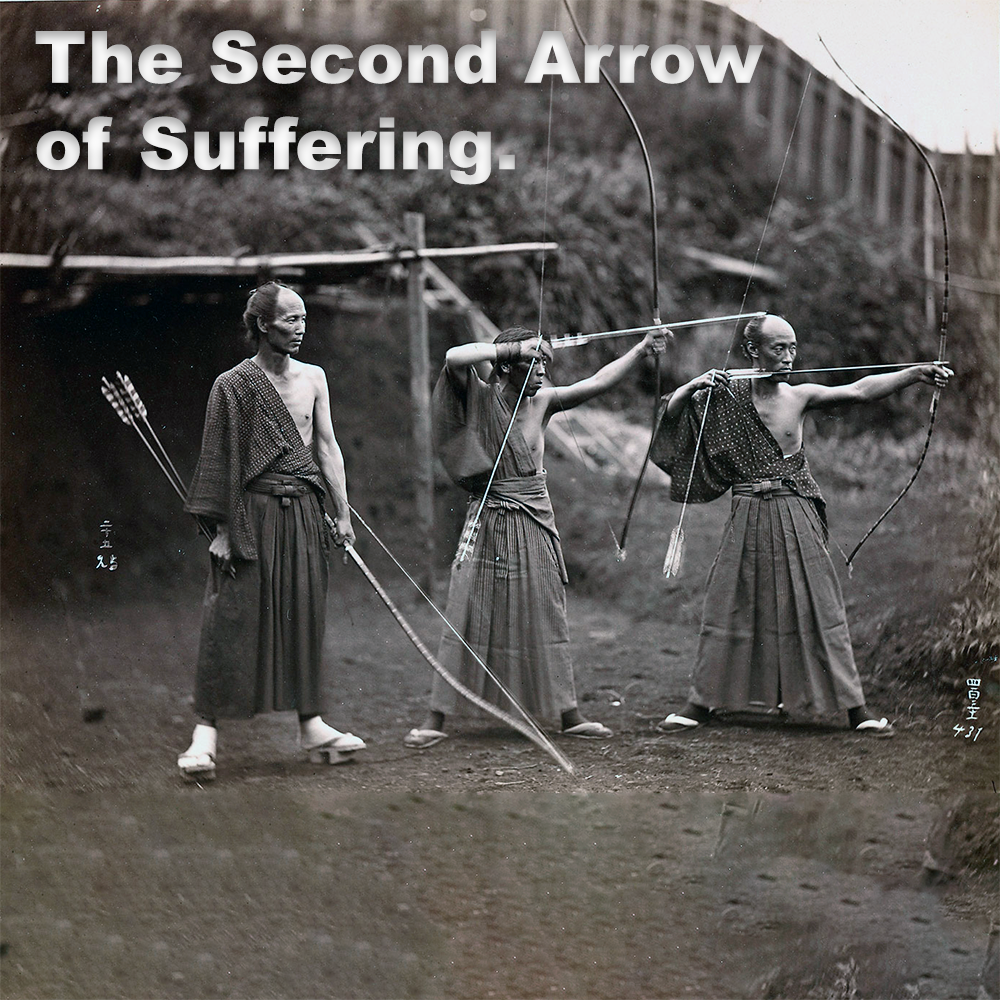
The Second Arrow of Suffering.

We all have had something upsetting or disappointing happen, it’s life after all, and sometimes we get frustrated at ourselves or others. We wish things could be different. . Our interpretation of events plays a large role in how we experience them. We get ill, have accidents and get emotionally wounded for numerous reasons, and

The Second Arrow of Suffering. Read More »

Discover the “meaning” in what you do. Then give it everything you’ve got. Do your BEST.

What does “do your best” really mean? How can you do your best? Why would you not want to do your best, in anything? . I receive so many comments from people on my articles that basically comes down to saying; “so what!”, in deference to learning something new or different. . In my mind

Discover the “meaning” in what you do. Then give it everything you’ve got. Do your BEST. Read More »

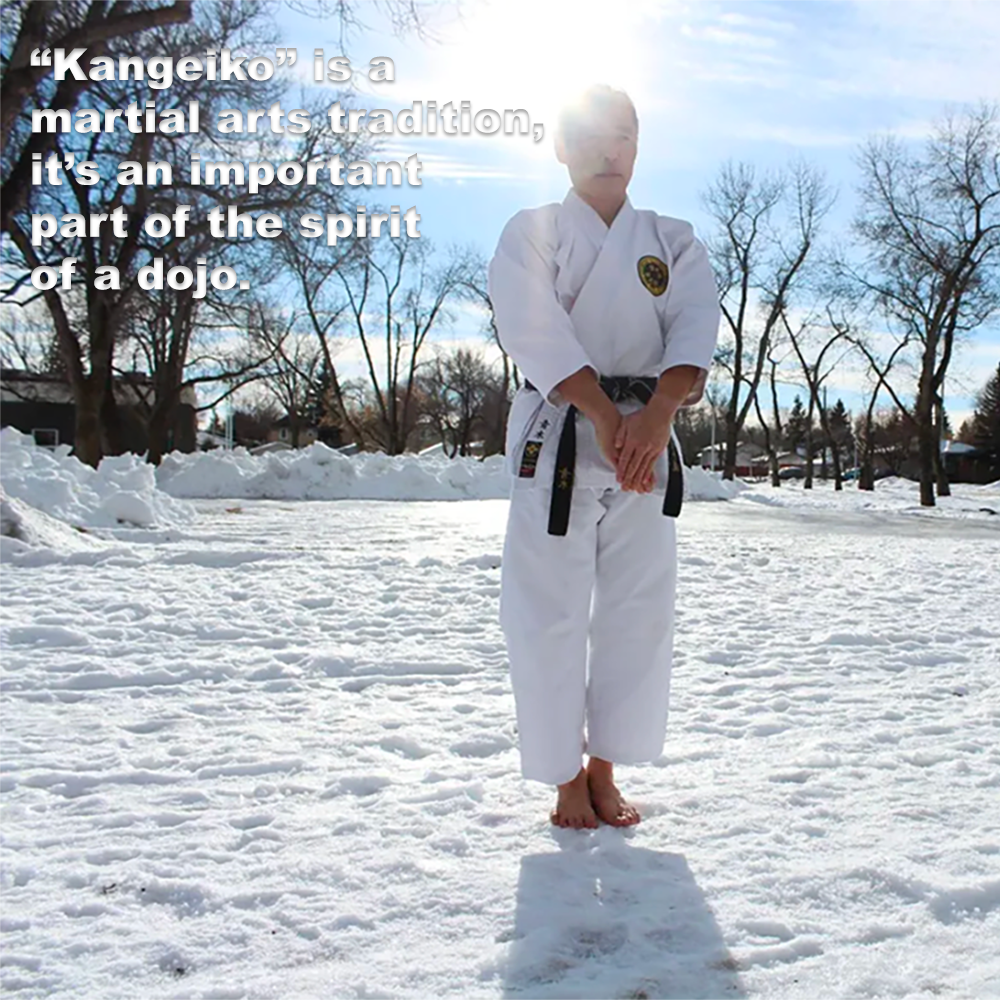
“Kangeiko” is a martial arts tradition, it’s an important part of the spirit of a dojo.

As the temperatures plummet again this time of year our thoughts turn to “Kangeiko” (寒稽古). The purpose of kangeiko is to begin the new year with a personal challenge, renew the spirit and set a tone of excellence for the entire year. . Kangeiko (literally ‘cold training’ or ‘winter training’) is a common practice of

“Kangeiko” is a martial arts tradition, it’s an important part of the spirit of a dojo. Read More »

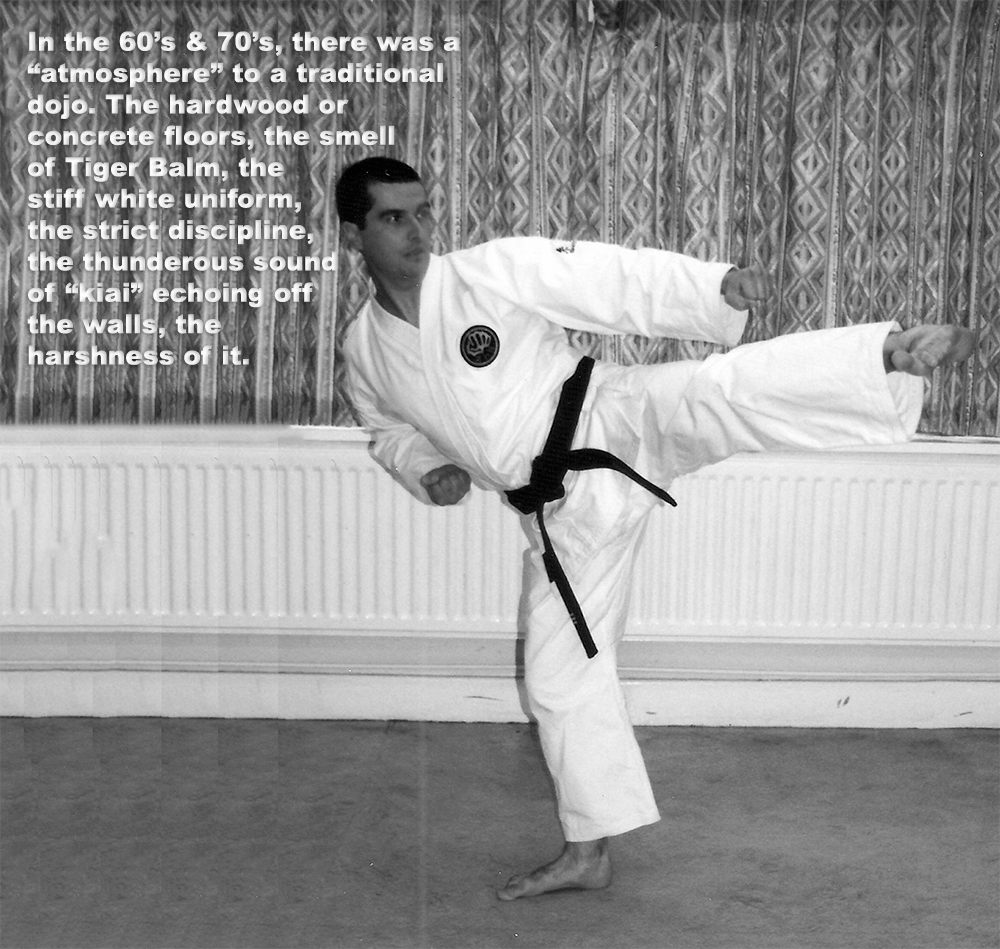
In the 60’s and 70’s, there was a “atmosphere” to a traditional dojo.

In the 60’s and 70’s martial arts were a cult. If you missed a session everyone would want to know where you were. Training practices were harsh and very dangerous and injuries commonplace. . Everyone attended every seminar and every tournament. Barefoot runs to warm up, barefoot running in the snow during winter just wearing

In the 60’s and 70’s, there was a “atmosphere” to a traditional dojo. Read More »

Don’t just practice at a specific time of the day or week…. Live your art.

There are a number of reasons why you might want to take up a martial art. The regular physical practice can help you keep fit, build confidence, and let off steam. In the right environment you can learn effective self-defense, or become a tournament competitor (they are different). A martial art can also be a

Don’t just practice at a specific time of the day or week…. Live your art. Read More »

Be a “black-belt” at whatever you do. In other words, don’t just be good or okay – be the BEST you can be.

Teachers teach content then test students. This cycle of teaching and testing is familiar to anyone who has been a martial arts student. Tests seek to see what students have learned. . Tests are supposed to be evaluations that see what you know at a particular point in time. But teaching students to practice for

Be a “black-belt” at whatever you do. In other words, don’t just be good or okay – be the BEST you can be. Read More »

Nana korobi ya oki

When you’re pursuing a worthwhile goal it’s almost inevitable that at some point you’ll think one or more of the following: “This is harder than I thought it would be.” – “Why is this taking so long?” – “I’m getting nowhere with this.” – “I keep failing at this goal.” – “I can’t do this.

Nana korobi ya oki Read More »