Student

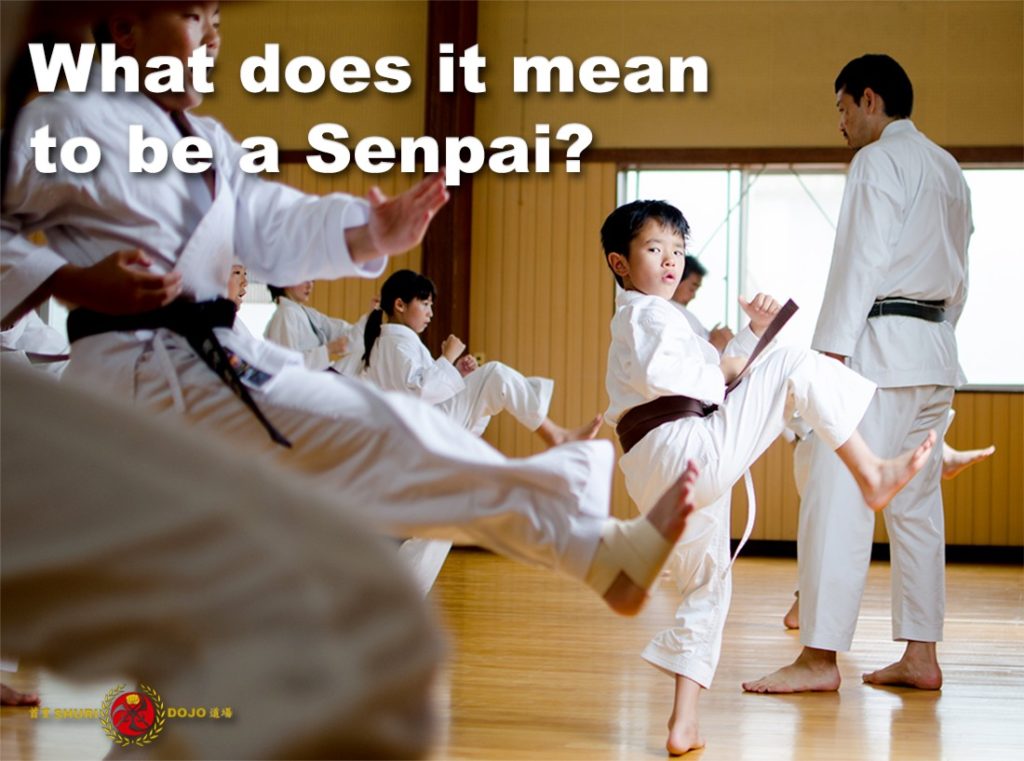
What does it mean to be a senpai?

What does it mean to be a Senpai (sempai)? Senpai (先輩) translates as “Senior” and can be applied in any situation where someone is senior to you. But the meaning for those in a traditionally run martial art school is far deeper than simply ‘Senior’. The senpai of a dojo has usually trained for a […]

What does it mean to be a senpai? Read More »
“The most powerful weapon on earth is the human soul on fire.”

Be passionate about your martial arts training and your martial arts training will improve. . People join martial arts schools for many different reasons, perhaps wanting to learn how to fight, how to protect themselves, get fit, gain confidence or a combination of all those things. Often times those reasons change when there is a

“The most powerful weapon on earth is the human soul on fire.” Read More »

It’s not the number of techniques you know, but how well you know them. 

Some instructors teach their students “just enough” and often these instructors believe that they themselves have been taught all there is. . Learning is often taken to mean memorization, and advancing from one grade to the next as education, and passing that grade to mean they are competent. . If instructors just follow the curriculum,

It’s not the number of techniques you know, but how well you know them.  Read More »

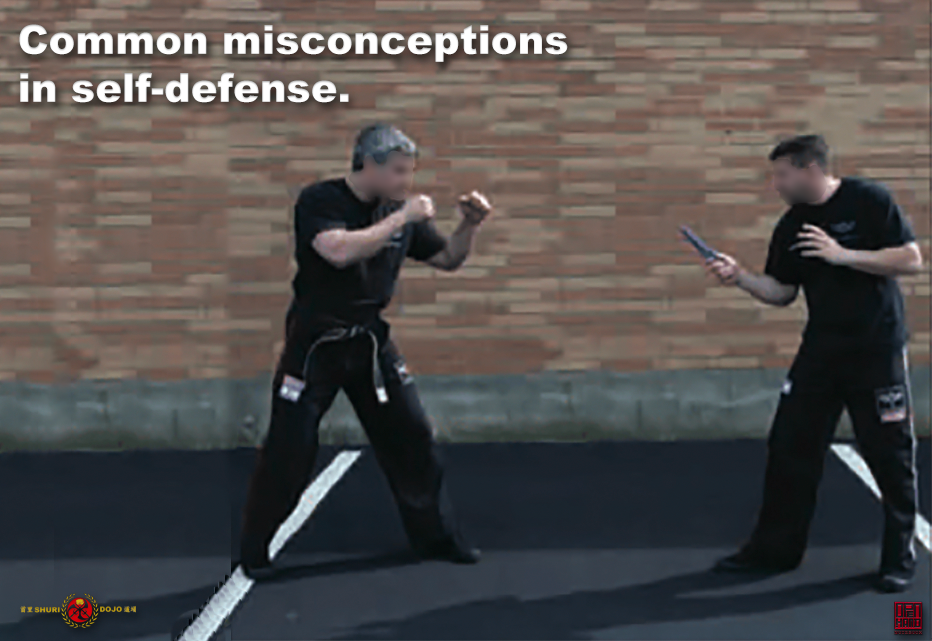
Common misconceptions in self-defense.

Fighting ability is just one aspect of self-defense. It exists alongside other skills such as situational awareness, verbal de-escalation, escaping, weapons, protecting others, the law, etc. which many people unfortunately overlook. . Also learning to recognize and avoid, or verbally de-escalate potentially hostile situations, these are hugely important skills if your interest in practicing the

Common misconceptions in self-defense. Read More »

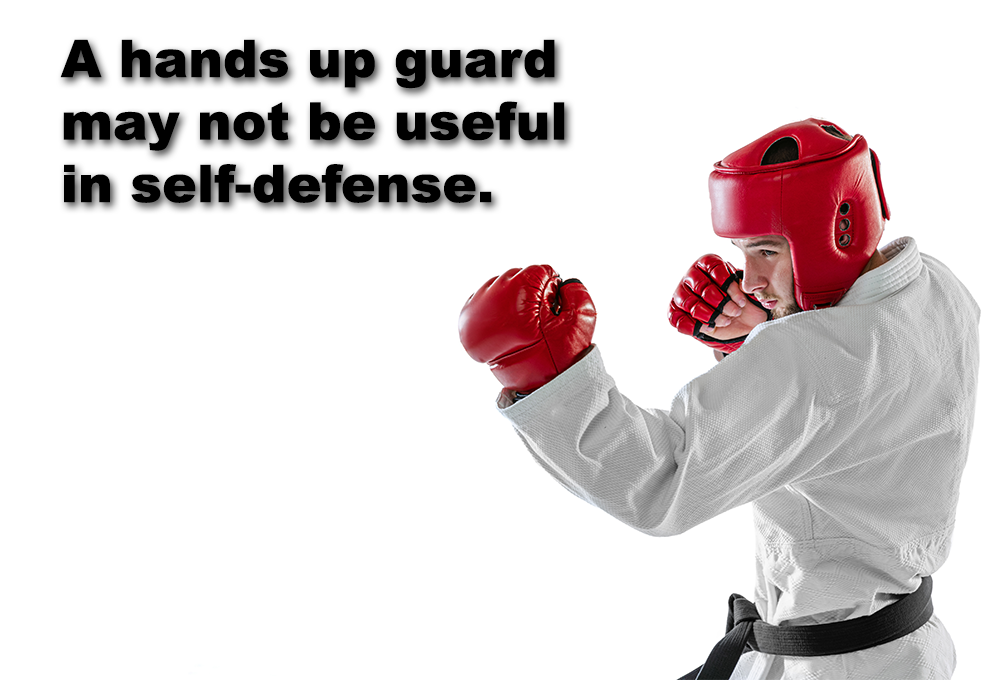
A hands up guard may not be useful in self-defense.

In boxing we were taught the importance of a good, tight guard. When you put up a guard you’ve just consented to a fight. . Self-defense is different. In self-defense if you lift your hands and wait in your perfectly aligned tight guard, you’ve lost the initiative, the ability to surprise, and control the enemy’s

A hands up guard may not be useful in self-defense. Read More »

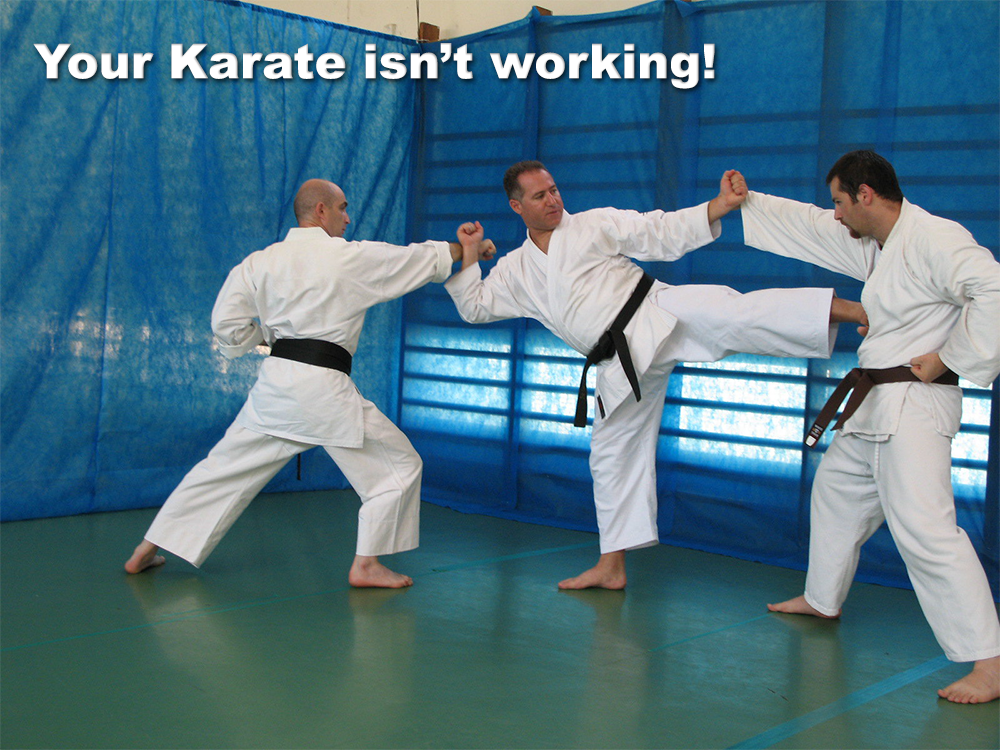
Your Karate isn’t working!

“Karate doesn’t work”…… I hear this all the time. This is a meaningless statement without a qualifier. . Works for what? You have to define the goal and from there seek the solution. . For you, is it a martial art (culture, health, personal challenge, etc). Is it fighting, competition, tournaments (consensual). Or is it

Your Karate isn’t working! Read More »

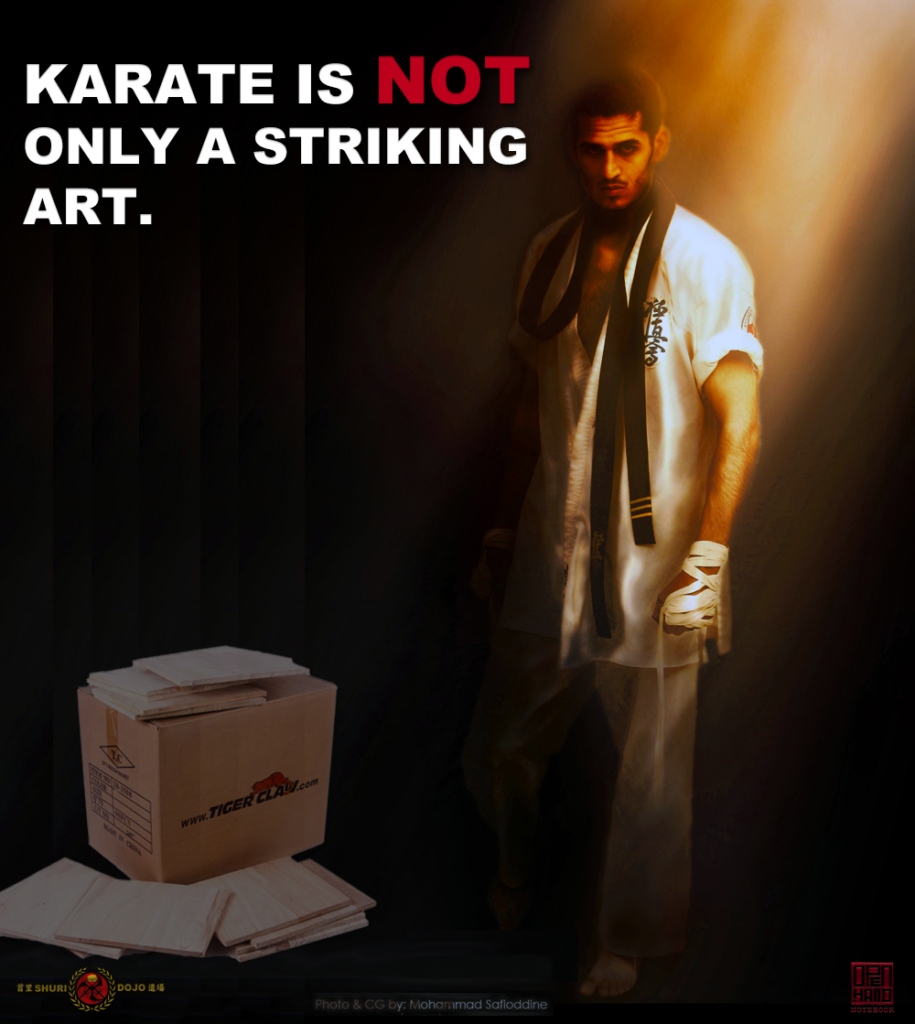
Karate is NOT only a striking art.

When karate began to move across the world in the early to mid 1950’s the training emphasis was almost exclusively on striking. Kata was not properly understood. . Even today you can still find karate dojo that teach kata without ‘bunkai’ (analysis/breakdown). Those first generation Western practitioners then went on to perpetuate the bias of

Karate is NOT only a striking art. Read More »

If you’re thinking too much you’re not practicing enough.

If you’re thinking too much you’re not practicing enough. . A common problem is students don’t know what to practice or how to practice. To be effective in their learning they need to have small doable goals for them to accomplish, and then are tested on them….. the very next lesson. Unfortunately, when they return

If you’re thinking too much you’re not practicing enough. Read More »

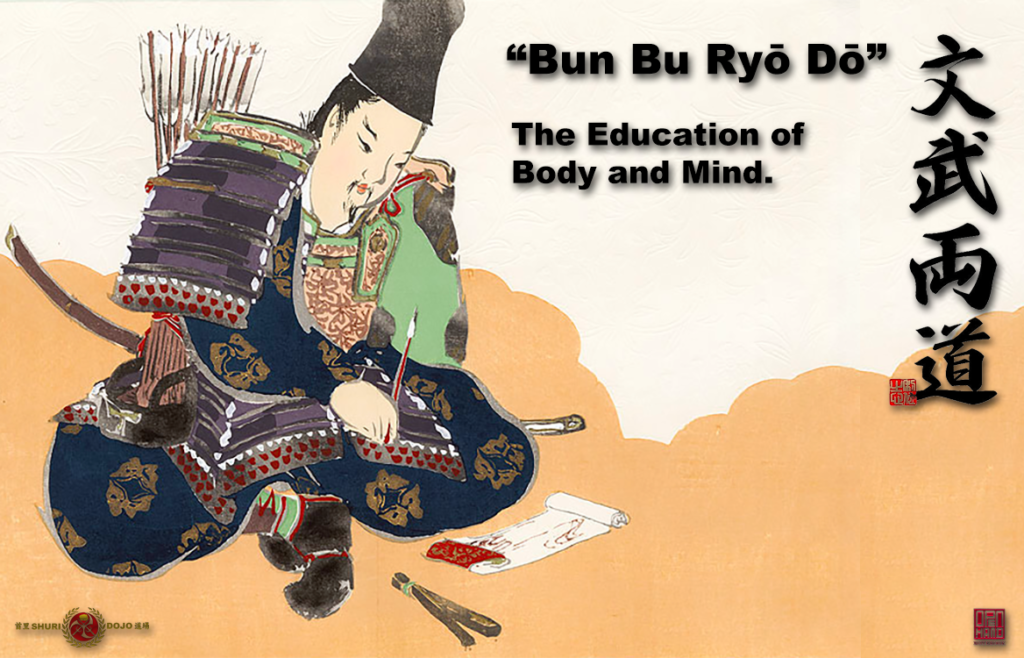
“Bun Bu Ryō Dō” – The “Education of Body and Mind”.

Many of you who have spent a good number of years studying the martial arts have probably heard the term “Bun Bu Ryō Dō” (文武両道). . Bun Bu Ryō Dō is a term which has been in use throughout Japanese history, possibly going back further than the Heian period (794 – 1185). In a simple

“Bun Bu Ryō Dō” – The “Education of Body and Mind”. Read More »

Throughout history certain people have become Masters of their art.

Throughout history certain people have become Masters of their art. . You know what they all had in common? They chose to dedicate their time to their art. They showed up when it was fun and easy….. and they showed up when the training was tedious, hard, frustrating and tough. . You too can be

Throughout history certain people have become Masters of their art. Read More »

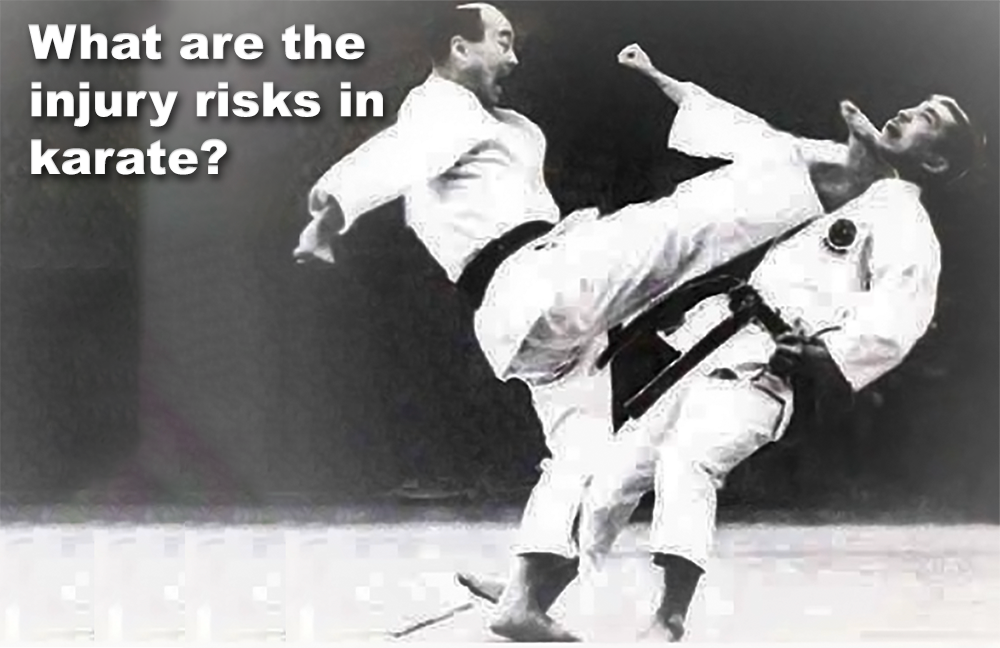
What are the injury risks in karate?

For our students, fortunately injuries a rare occurrence at our Dojo. However, there are some injuries such as bruises, sprains and strains that can occur despite everyone’s best efforts. . Martial arts are a surprisingly safe form of physical activity, controlled training is statistically very safe. . Training injuries unfortunately do happen. If you train

What are the injury risks in karate? Read More »

“Always leave things better than when you found them…… especially people.”

  Within the martial arts community there are many types of people. Some have morals and are good people that you can rely upon, and others…….well, not quite so much. . You would think that in a profession where character traits such as honor, integrity, courtesy, perseverance, and an unbreakable spirit, are held in such

“Always leave things better than when you found them…… especially people.” Read More »