Tradition

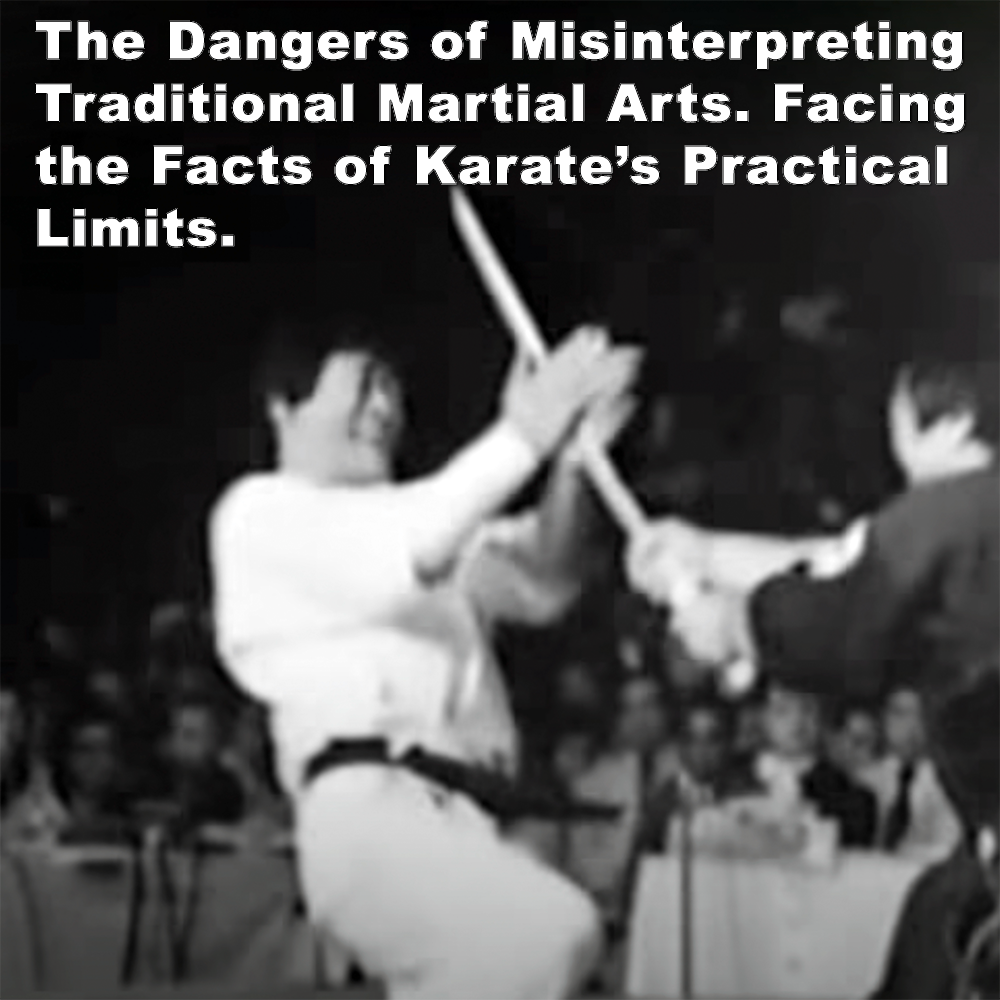
The Dangers of Misinterpreting Traditional Martial Arts. Facing the Facts of Karate’s Practical Limits.

(Approx 2 minute 5 second read) Some of the comments on my articles are really interesting to read, often inspiring me to write more. Many of them offer insight into the training of friends and colleagues from all over the world. . On the other hand – OMG. . The article in question was where […]

The Dangers of Misinterpreting Traditional Martial Arts. Facing the Facts of Karate’s Practical Limits. Read More »

The Open Mind: Key to Unlocking Your Potential.

(Approx 1 minute 40 second read) I receive numerous comments on my articles from people struggling to decipher their kata. This is understandable, especially when considering the implausibility of many modern performance ‘bunkai’ demonstrations. . A good starting point is to understand that “uke” does NOT mean block. Unfortunately, almost everyone is taught that it

The Open Mind: Key to Unlocking Your Potential. Read More »

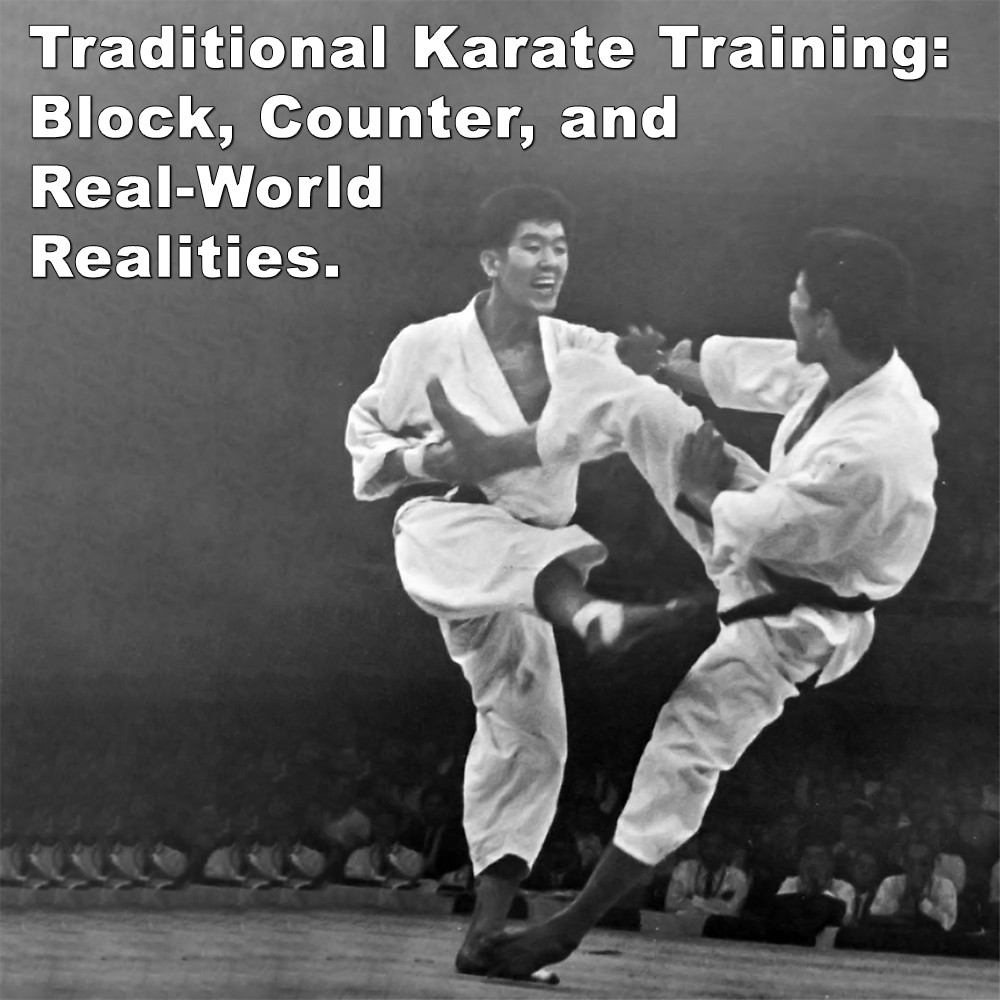
Traditional Karate Training: Block, Counter, and Real-World Realities.

(Approx 2 minute 40 second read) Many believe “traditional karate” is a direct descendant of ancient, battle-tested martial arts. However, the karate popularized and taught in schools and universities in Japan during the early 20th century underwent significant changes with many of the so-called ‘dangerous’ techniques removed. . Karate became a way to develop strong

Traditional Karate Training: Block, Counter, and Real-World Realities. Read More »

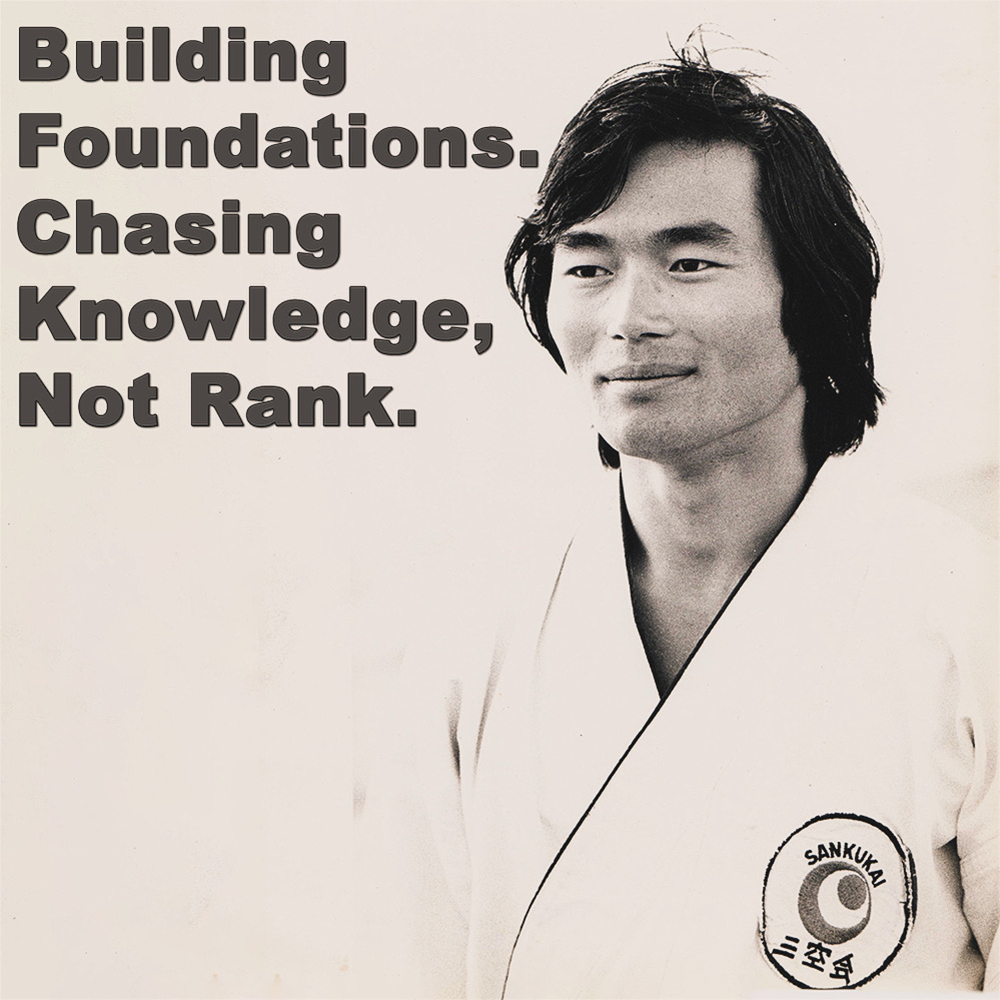
Building Foundations. Chasing Knowledge, Not Rank.

(Approx 2 minute read) Reaching the level of Shodan black belt is often considered a significant milestone in the martial arts. . However, it’s essential to understand that this achievement represents just a new beginning. Shodan should signify the end of your initial training and the start of building upon a solid foundation. . In

Building Foundations. Chasing Knowledge, Not Rank. Read More »

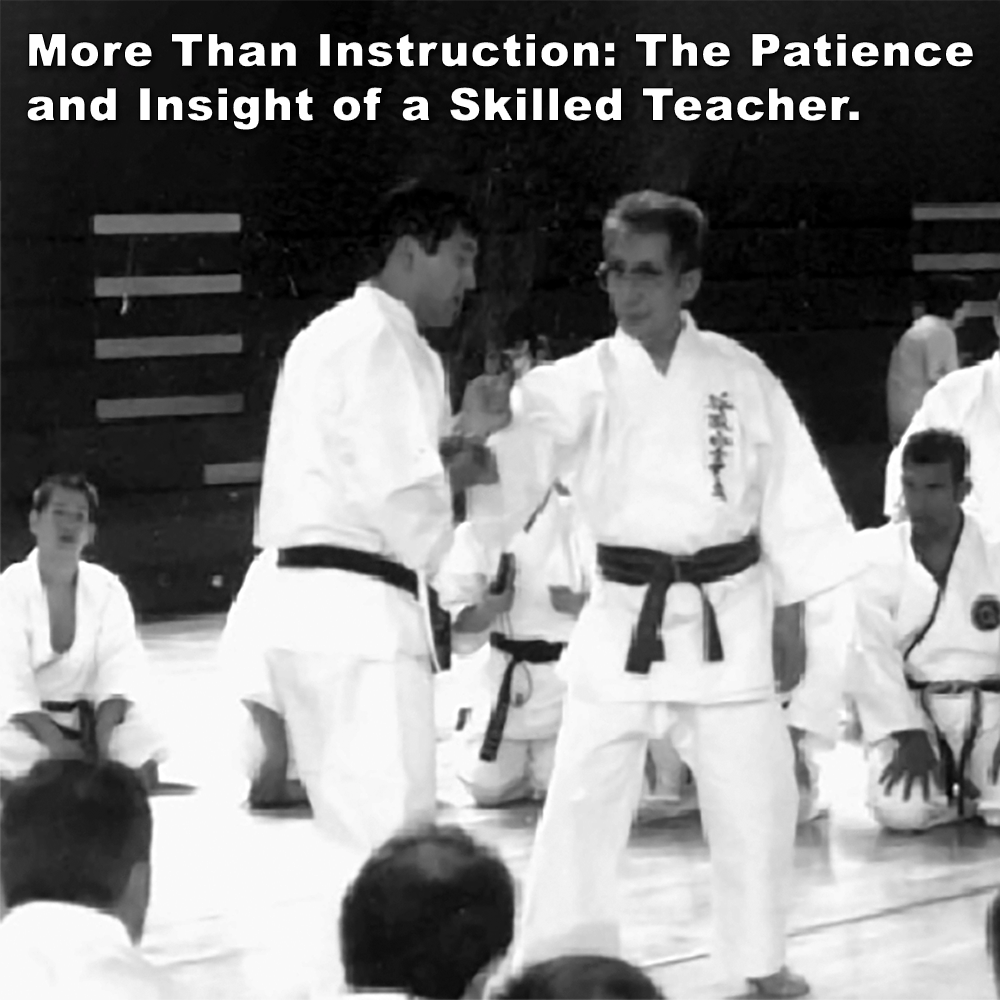
More Than Instruction: The Patience and Insight of a Skilled Teacher.

(Approx 1 minute 36 second read) We all know that the role of a good instructor is pivotal to learning and understanding. A skilled karate instructor goes beyond simply demonstrating techniques for the next grading. . As an instructor, a teacher, true proficiency lies in keenly observing and understanding each student’s unique path. . Unfortunately,

More Than Instruction: The Patience and Insight of a Skilled Teacher. Read More »

Sensei Says: Why We Quote Our Martial Arts Teachers.

(Approx 1 minute 40 second read) Have you ever noticed how, in martial arts discussions, people frequently preface their comments with, “My sensei always says…” or “Well, according to [Sensei’s name]…”? . This is a common occurrence in martial arts discussions, where the teachings of instructors are highly valued and frequently cited. . This isn’t

Sensei Says: Why We Quote Our Martial Arts Teachers. Read More »

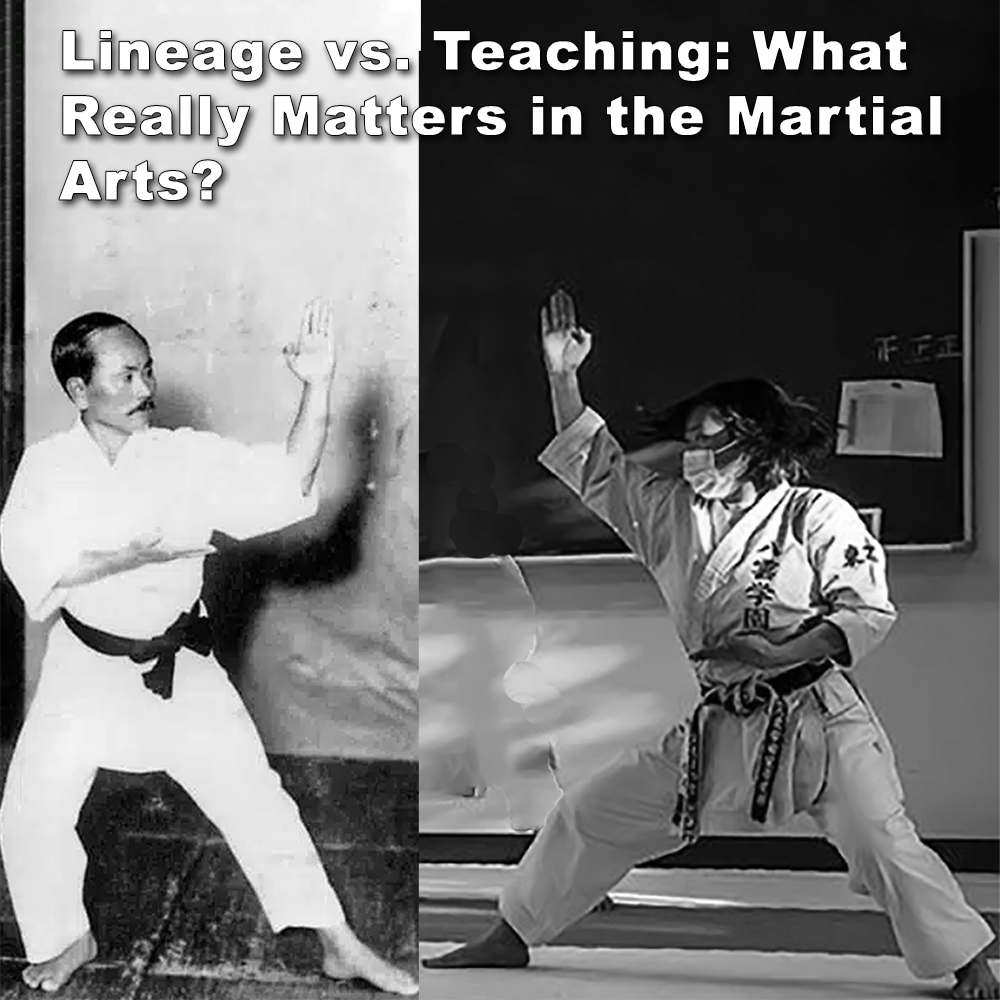
Lineage vs. Teaching: What Really Matters in the Martial Arts?

(Approx 1 minute 35 second read) Lineage holds a significant place in traditional martial arts, signifying a historical line of teachers and students who have passed down knowledge and skills through generations. . This unbroken chain connects practitioners to the art’s origins and fosters a responsibility to preserve its legacy. . Studying under a master

Lineage vs. Teaching: What Really Matters in the Martial Arts? Read More »

From Respect to Rifts: The Role of Negativity in Karate.

(Approx 2 minute 15 second read) Traditional karate, with its rich tapestry of styles and history, is often seen as a domain of discipline and unity. However, beneath the surface lies a landscape fractured by disagreements and divisions. . A poignant example is the notable dislike between two karate legends, Funakoshi Gichin and Motobu Choki.

From Respect to Rifts: The Role of Negativity in Karate. Read More »

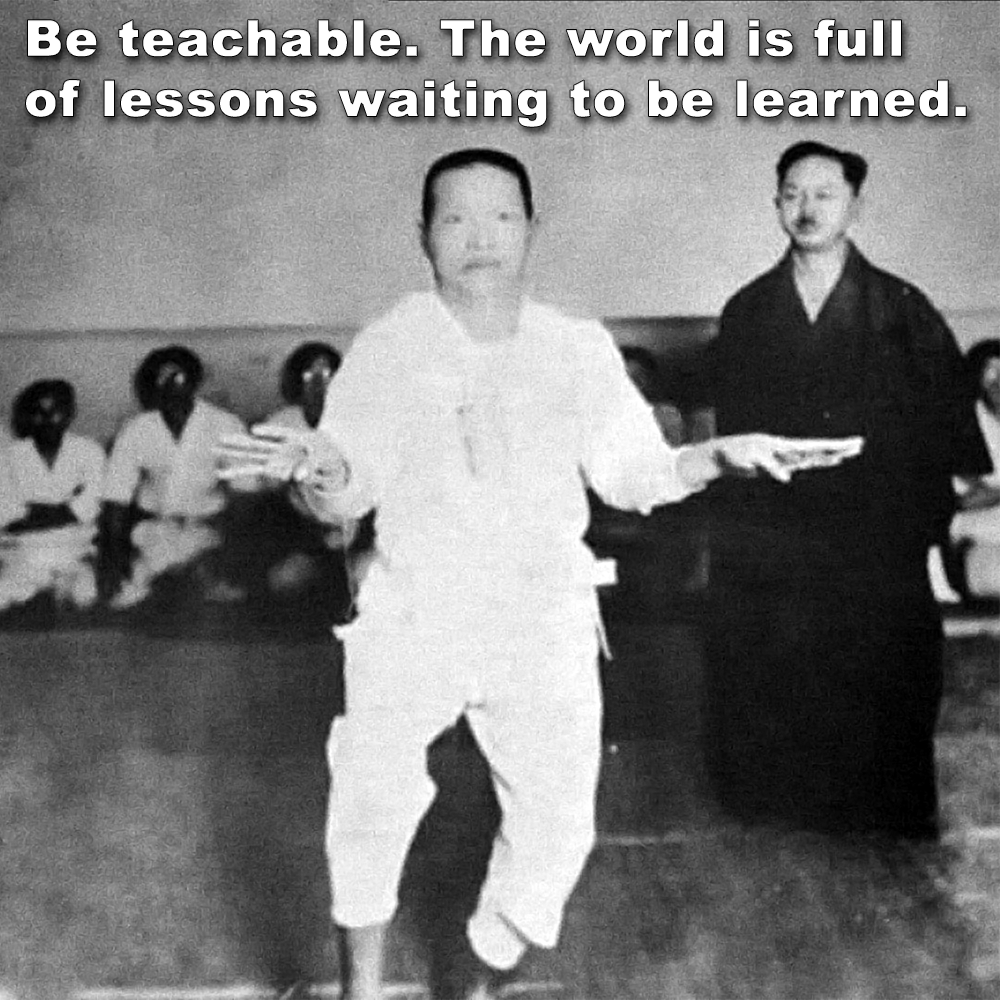
Be teachable. The world is full of lessons waiting to be learned.

(Approx 1 minute 36 second read) In modern times, there is an emphasis towards performing kata aesthetically without grasping the underlying principles, and with more kata available to watch on video, or YouTube, many students now learn them this way. . For me, it’s not the number of kata you know, but the depth of

Be teachable. The world is full of lessons waiting to be learned. Read More »

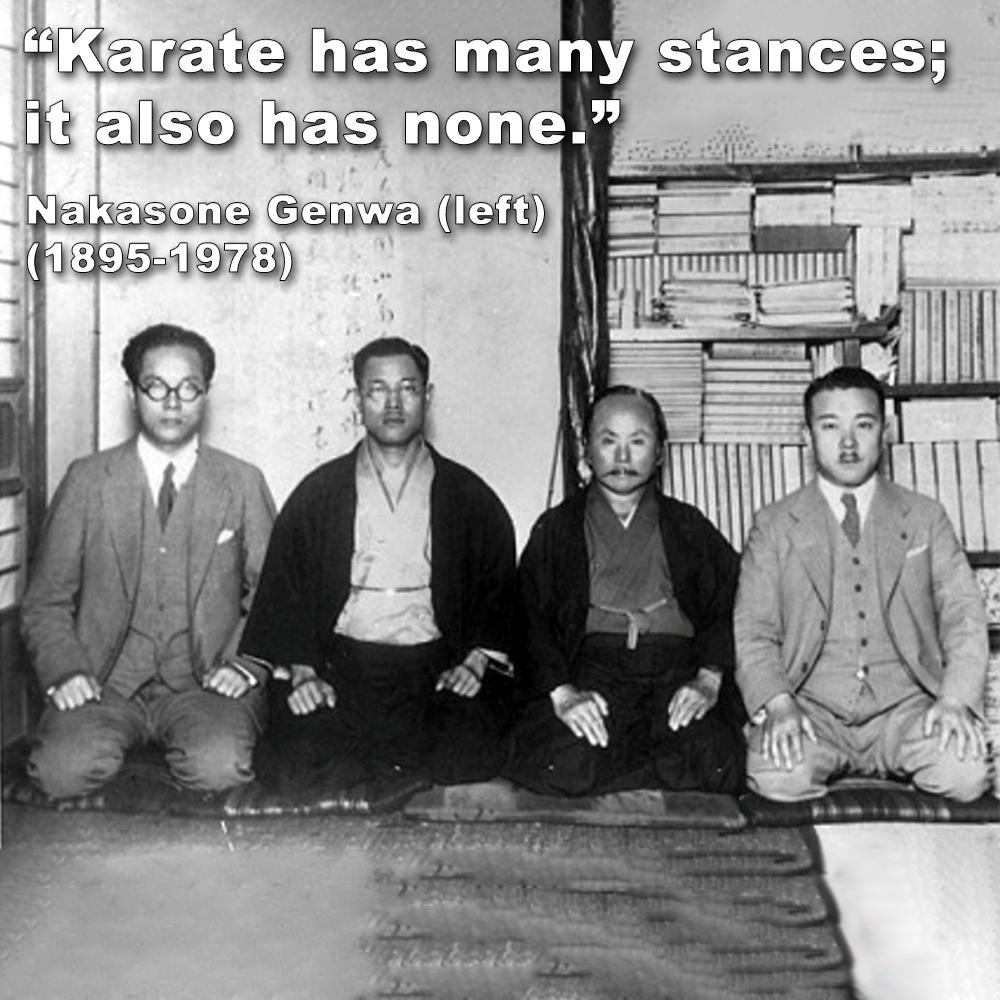
“Karate has many stances; it also has none.”

(Approx 2 minute 10 second read) Nakasone Genwa (1895-1978), once said, “Karate has many stances; it also has none.” This seemingly paradoxical statement highlights a crucial concept in training: stances are not rigid, fixed positions, but rather dynamic movements that serve a specific purpose. . In everyday English, we use the word ‘stance’ to infer

“Karate has many stances; it also has none.” Read More »

“Kata were never meant to ‘teach’ us anything but rather to culminate the lessons we should have already learned in two-person practice.”

(Approx 2 minute 10 second read) Recently, a comment on one of my articles challenged the notion that kata originated from two-person drills, asserting that “there is no evidence” to support this claim. . This critic argued that kata were devised independently and later had practical applications extracted from them. However, this viewpoint overlooks critical

“Kata were never meant to ‘teach’ us anything but rather to culminate the lessons we should have already learned in two-person practice.” Read More »

“The greatest victory is that which requires no battle”

(Approx 1 minute 30 second read) Many of us have experienced situations where we felt unsafe or powerless. Maybe it was childhood bullying, an uncomfortable encounter at work, or the sting of online bullying, or even the threat of physical violence. . In these moments, a common feeling emerges: the inability to control the situation.

“The greatest victory is that which requires no battle” Read More »