Meditation

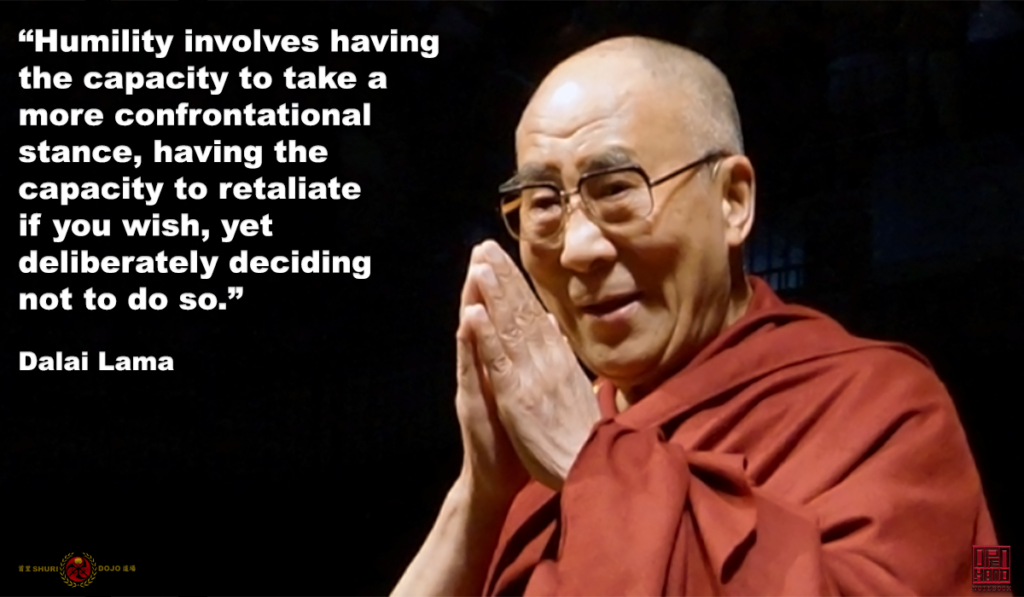
Judging a person does not define who they are, it defines who you are.

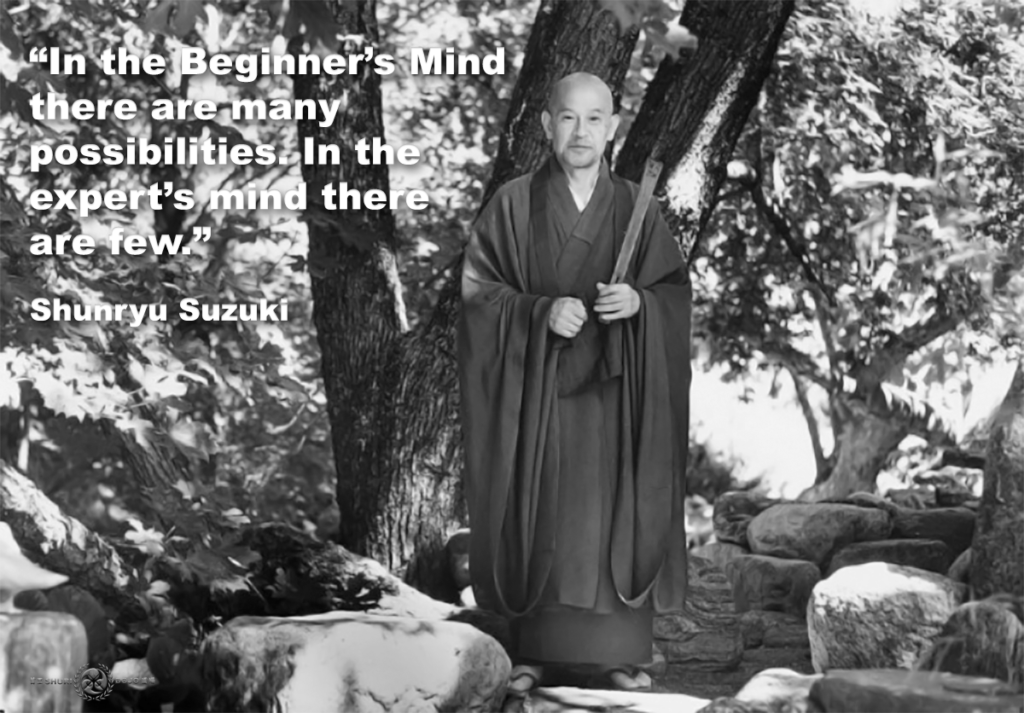
Zen Buddhism teaches a concept of “Shoshin“ (Beginner’s Mind), as a positive attribute that refers to having an attitude of openness, eagerness, and lack of preconceptions, just as a beginner would. Zen Master Shunryu Suzuki said, in his book Zen Mind, Beginner’s Mind: Informal Talks on Zen Meditation and Practice; “In the Beginner’s Mind there

Judging a person does not define who they are, it defines who you are. Read More »

Be stronger than your excuses.

What is Kangeiko? . ‘Kangeiko’ (寒稽古) a Japanese word meaning; “cold training” or “winter training.” It’s special training, in various forms of budo/bujutsu, in which practitioners endure training in the cold. This mid-winter practice is meant to strengthen not only the body, but the mind. . Kangeiko is a common practice of many traditional Japanese

Be stronger than your excuses. Read More »

“You have two choices, to control your mind or to let your mind control you.”

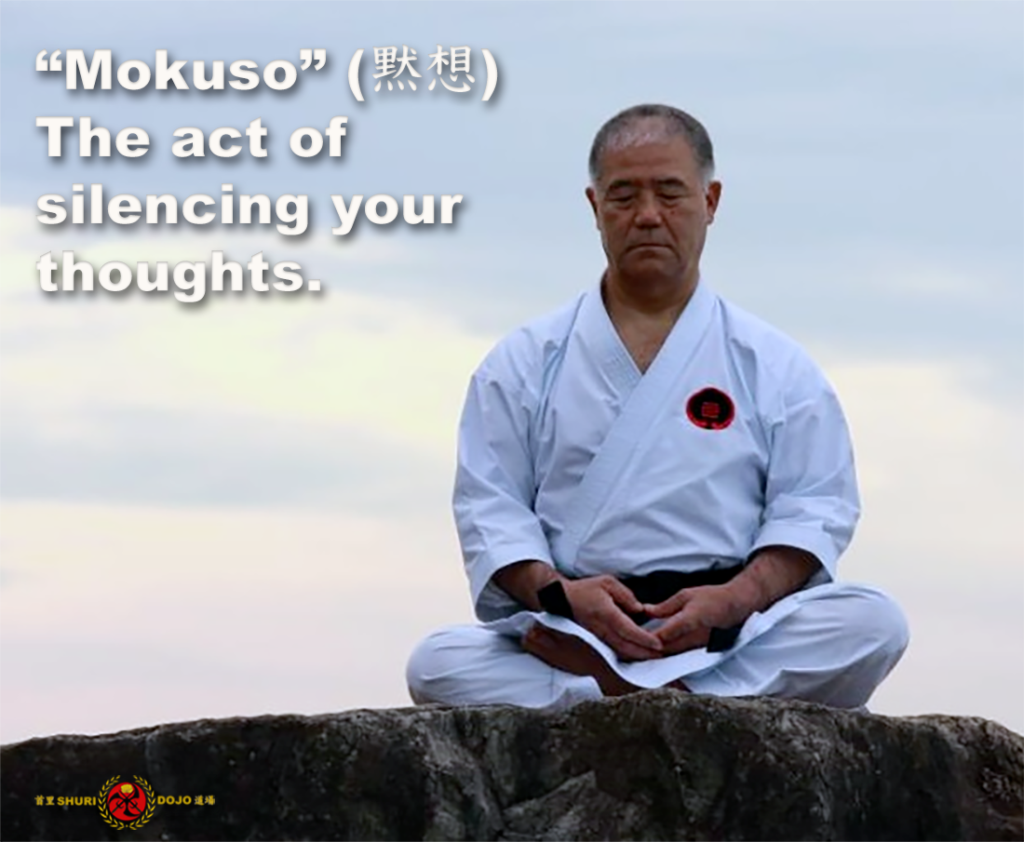
Commonly translated as “meditation”, mokuso (黙想) literally means “silent/still” (moku-) + “thoughts/thinking” (-so). In other words, mokuso is the act of silencing our minds. . Your mind is the most powerful tool you have for the creation of good in your life, but if not used correctly, can also be the most destructive. To control

“You have two choices, to control your mind or to let your mind control you.” Read More »