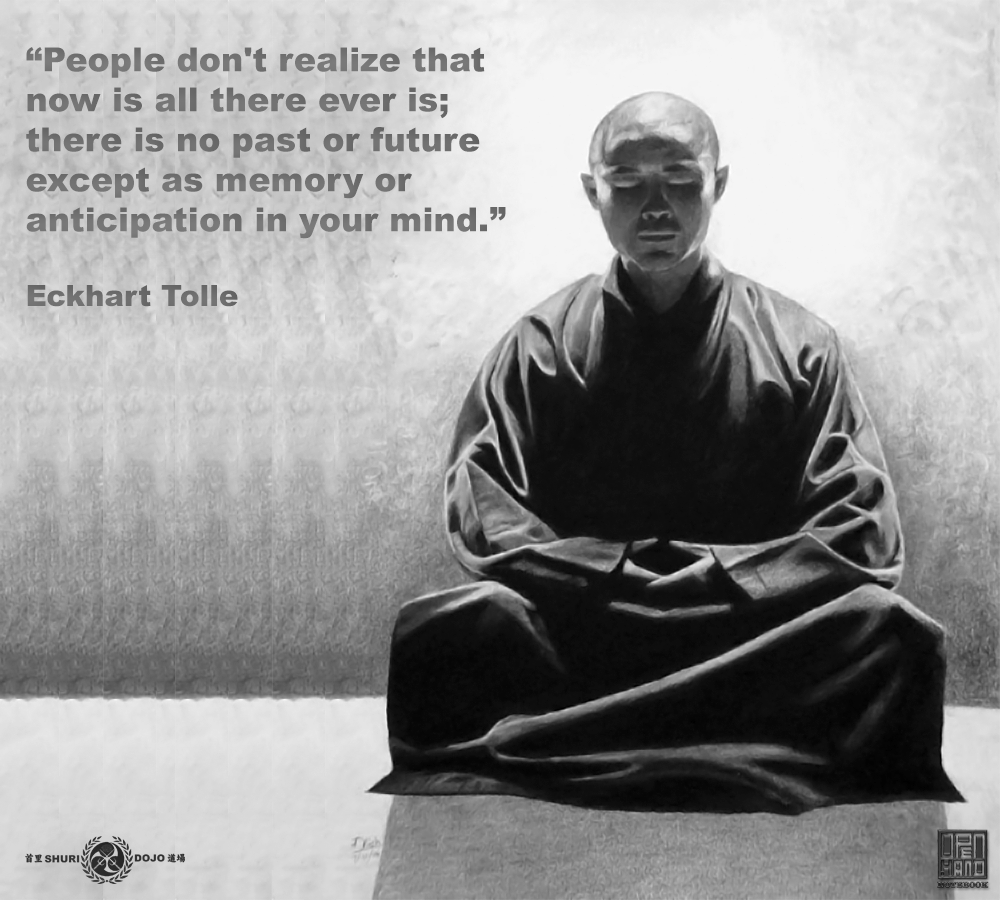
Meditation

Keiko (稽古) and Shugyō (修行)

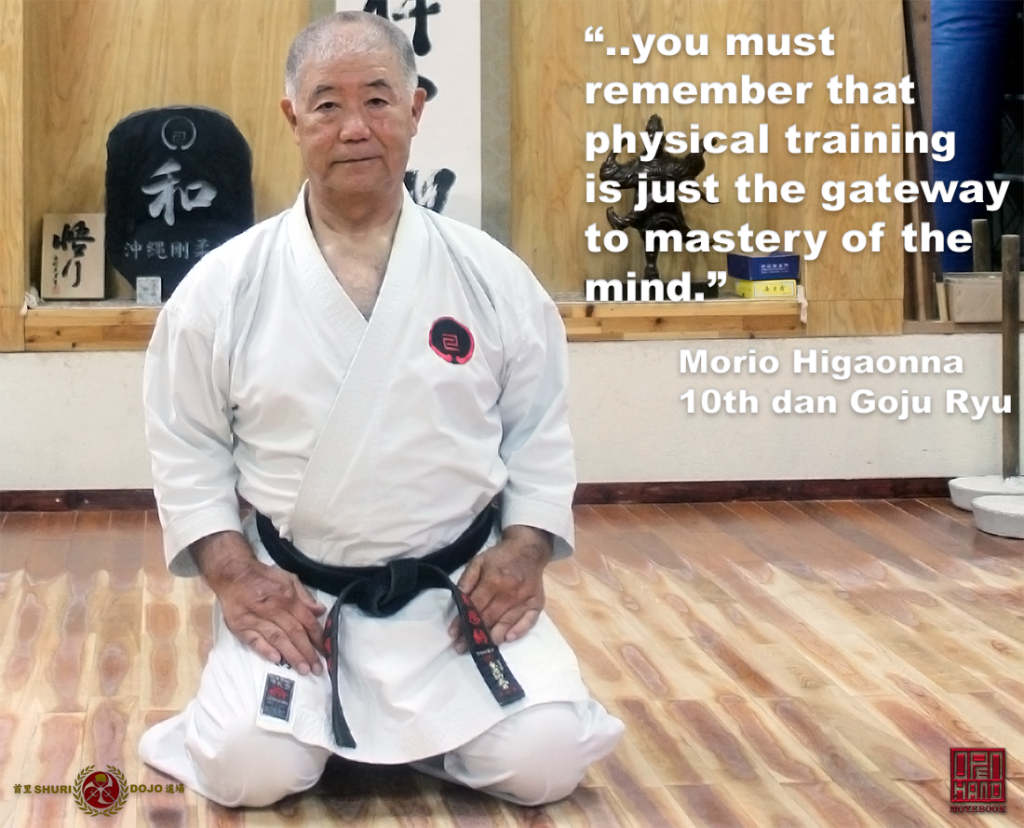
Keiko (稽古) and Shugyō (修行) . Training in the martial arts is not just a hobby; we should contemplate our practice deeply. . The Japanese have six words for training, each signifying a deeper, more encompassing path: Keiko – practice; Renshu – training; Kunren – discipline; Tanren – forging; Kufu – struggling to solve a […]

Keiko (稽古) and Shugyō (修行) Read More »
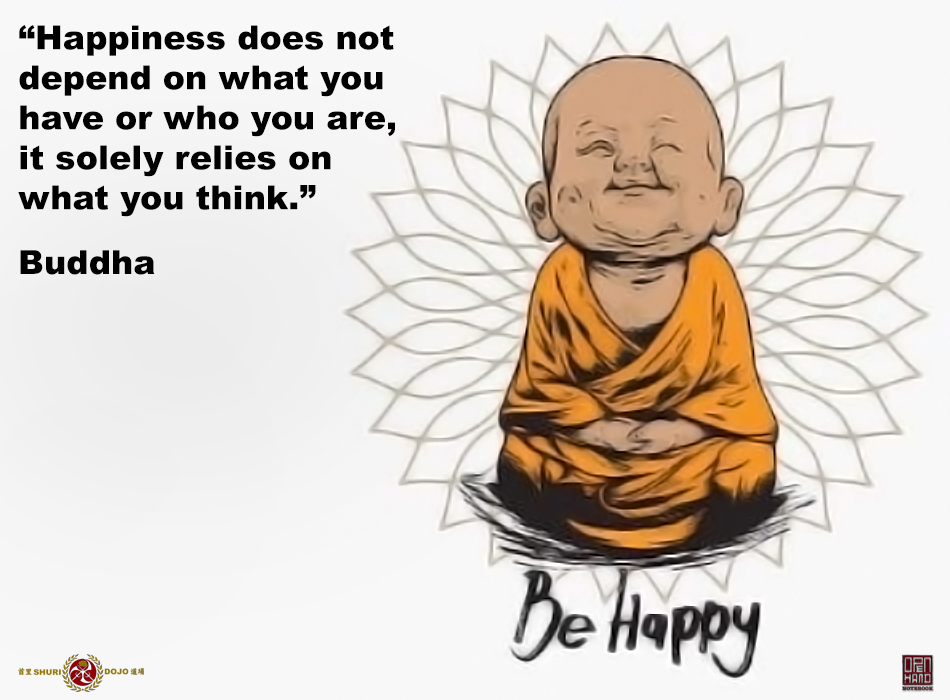
Be Happy!

Buddhism and happiness are complementary to each other. There is a lot to be learnt about happiness from Buddhist philosophies. . Buddha taught that happiness is one of the seven factors of Enlightenment. . Life Involves Suffering – Accept It. . According to Buddhist philosophy, acceptance to the truth of Life involving suffering is crucial

Be Happy! Read More »

What is Zen Buddhism?

What is Zen Buddhism? . Trying to explain or define Zen Buddhism, by reducing it to an article, to a post on a website is almost impossible, it weakens its meaning. . Defining Zen (禅) is like trying to describe the taste of honey to someone who has never tasted it before. You can try

What is Zen Buddhism? Read More »

Mushin no shin

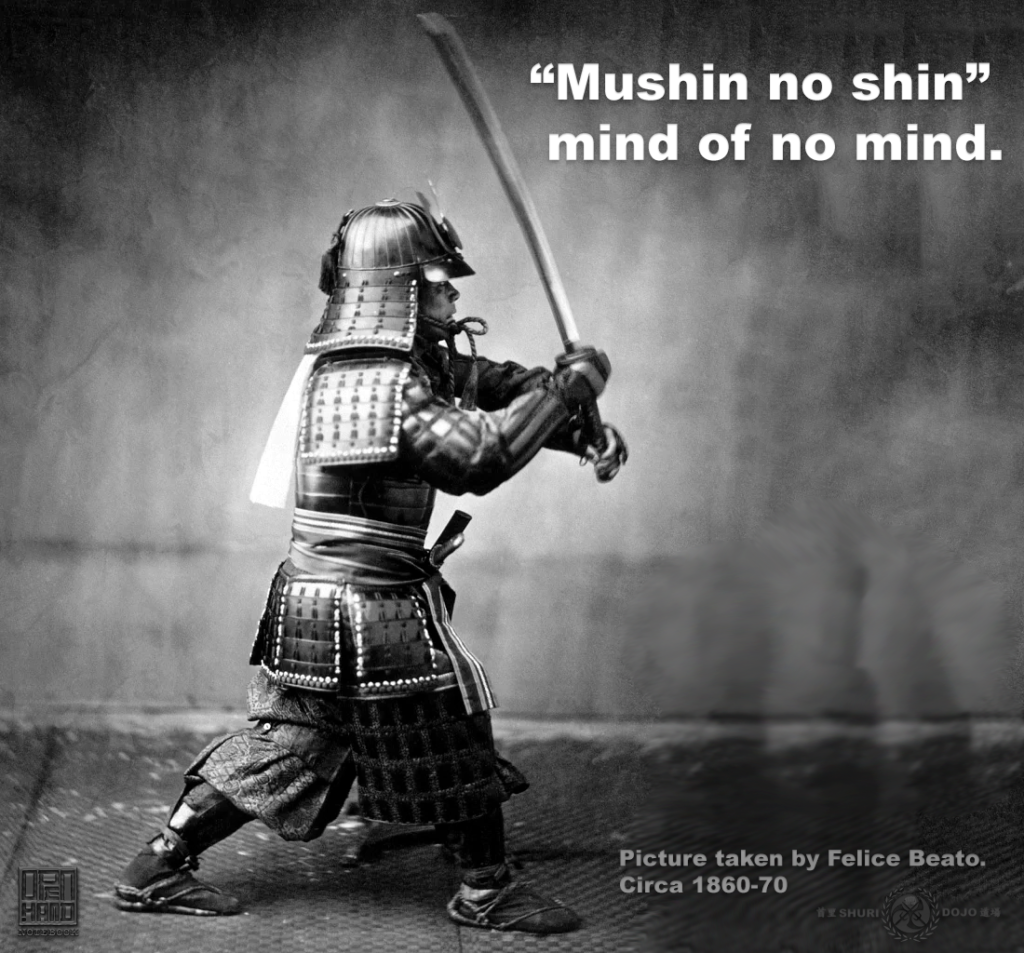
The word ‘mushin’ is comprised of two kanji characters: 無 (mu), meaning ‘nothingness’, and 心 (shin), meaning ‘heart’, ‘spirit’, or, in this case, ‘mind’. In this way, mushin can be roughly translated to ‘nothing mind’ or ‘no mind’. It comes from a longer phrase used in Zen Buddhism, ‘無心の心’ (mushin no shin), or ‘mind of

Mushin no shin Read More »