Zen

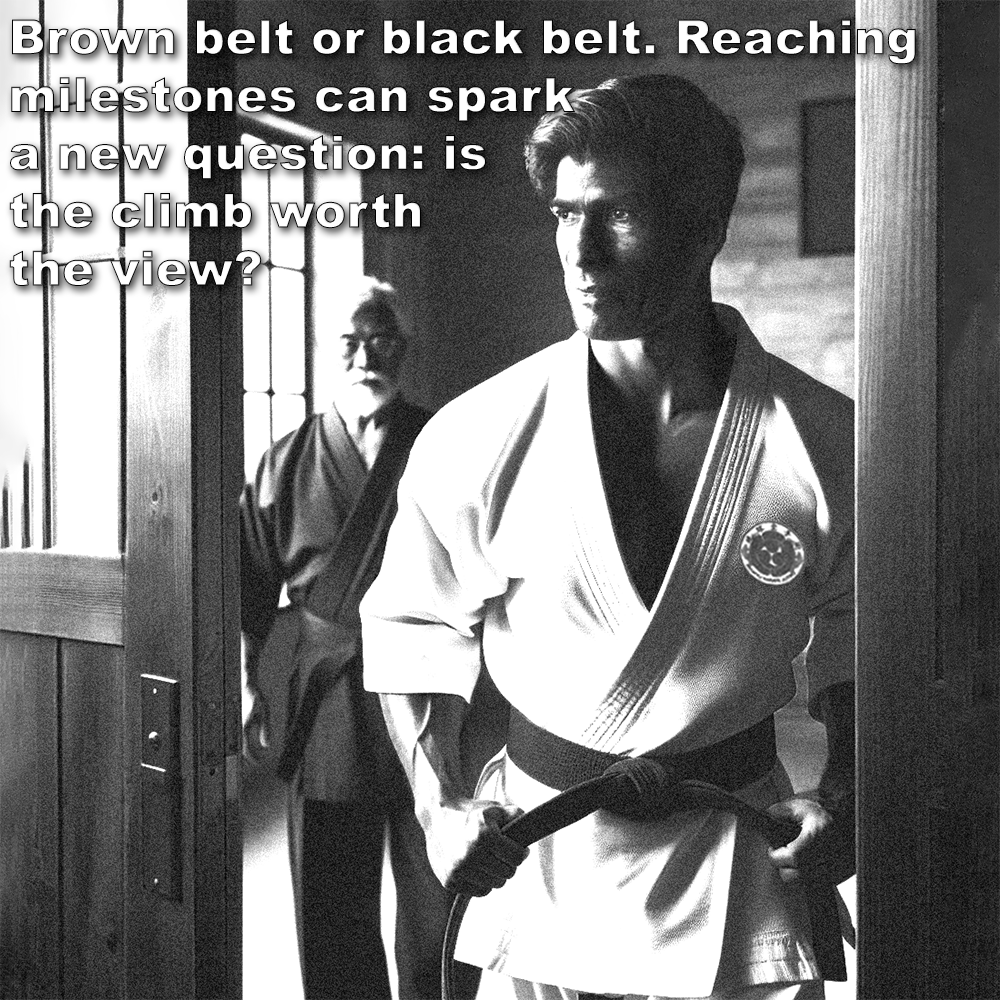
Brown belt or black belt. Reaching milestones can spark a new question: is the climb worth the view?

(1 minute 55 second read) It’s a familiar sight in any karate dojo: students you see today might be gone tomorrow. Life throws curveballs, and sometimes karate falls off the priority list. . There are so many adults that regret quitting the martial arts when they are young. I can almost guarantee that anyone who […]
Brown belt or black belt. Reaching milestones can spark a new question: is the climb worth the view? Read More »

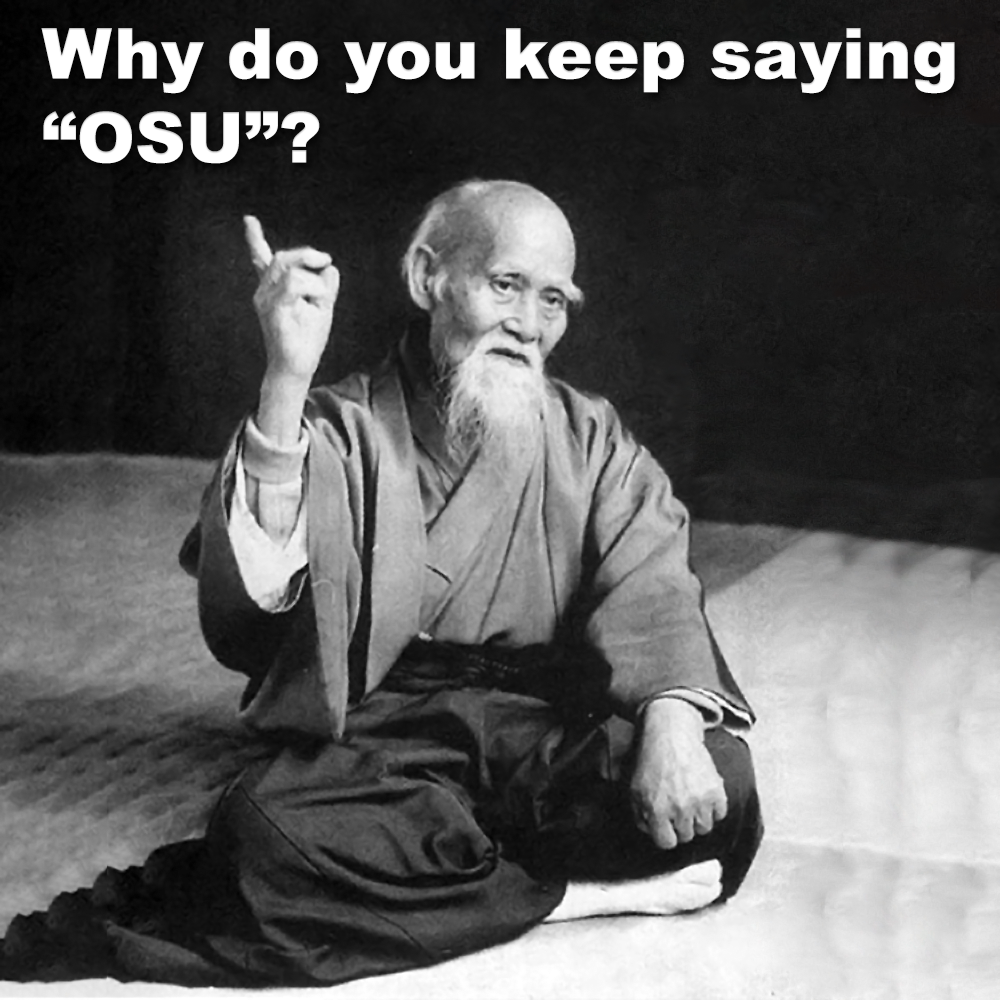
Why do you keep saying “OSU”?

(2 minute 10 second read) Communication can sometimes be ambiguous, especially on social media or in messages, when it involves terms or phrases that have different meanings or cultural connotations depending on the context. . The energetic ‘Osu’ is a familiar sound in karate circles. In many instances it’s meant to convey perseverance, respect, and

Why do you keep saying “OSU”? Read More »

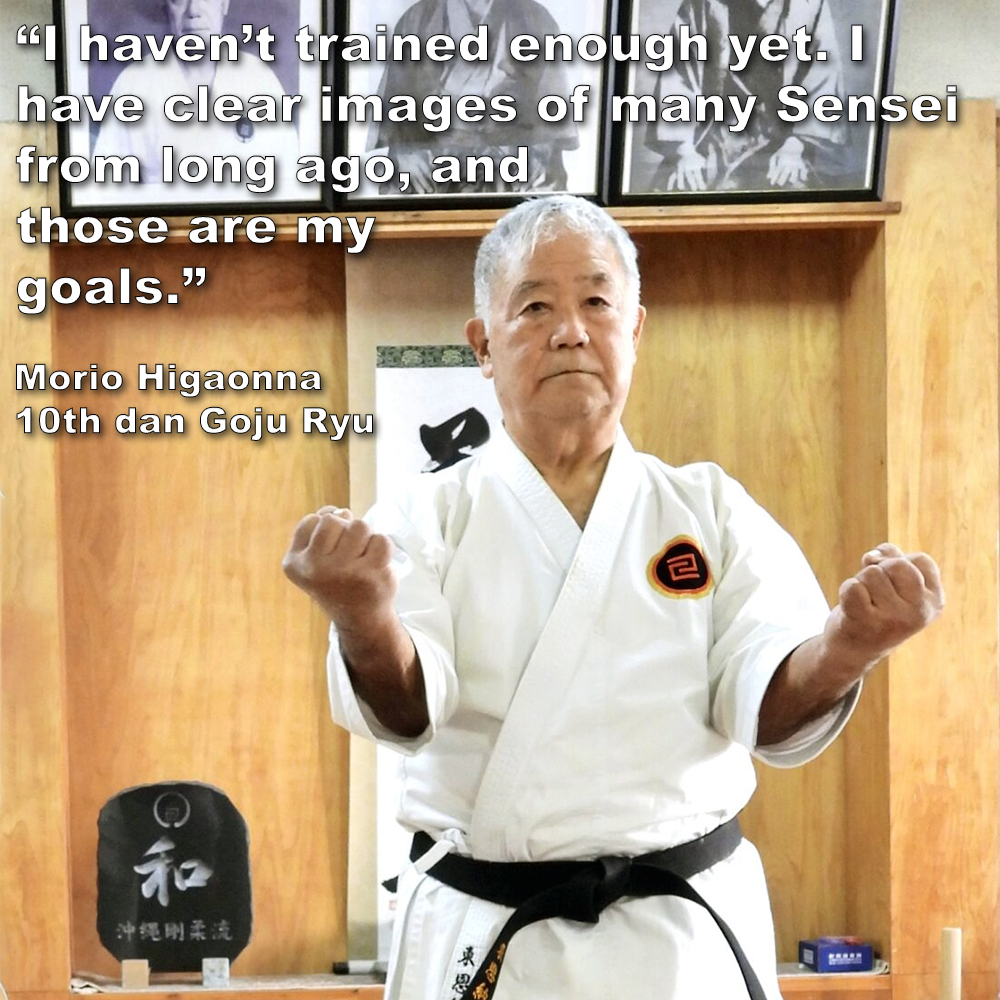
“I haven’t trained enough yet. I have clear images of many Sensei from long ago, and those are my goals.”

(2 minute 17 second read) We shouldn’t just do martial arts; we should contemplate them deeply. Keiko (稽古) often translated as “practice”, has two kanji, the first Kei (稽) meaning ‘to think or to consider’. The second, ko (古) means ‘old’. . When we perform keiko, we are refining and considering the things that came

“I haven’t trained enough yet. I have clear images of many Sensei from long ago, and those are my goals.” Read More »

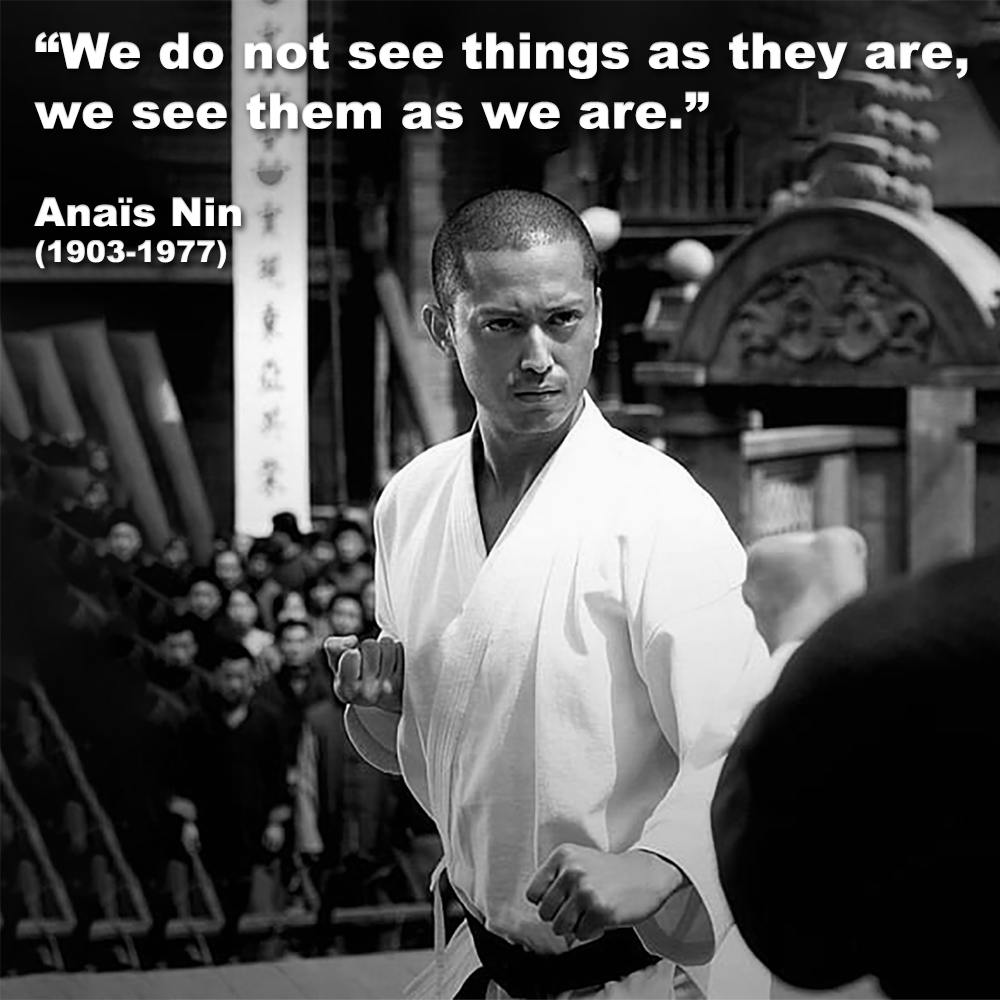
“We do not see things as they are, we see them as we are.”

(2 minute 30 second read) Many of the articles that I write are created to ask the reader to view, perhaps something different, and discuss the content in a polite discussion. . Yeah right, who am I kidding? This is social media. . An opinion is this: the beliefs of a single person based on

“We do not see things as they are, we see them as we are.” Read More »

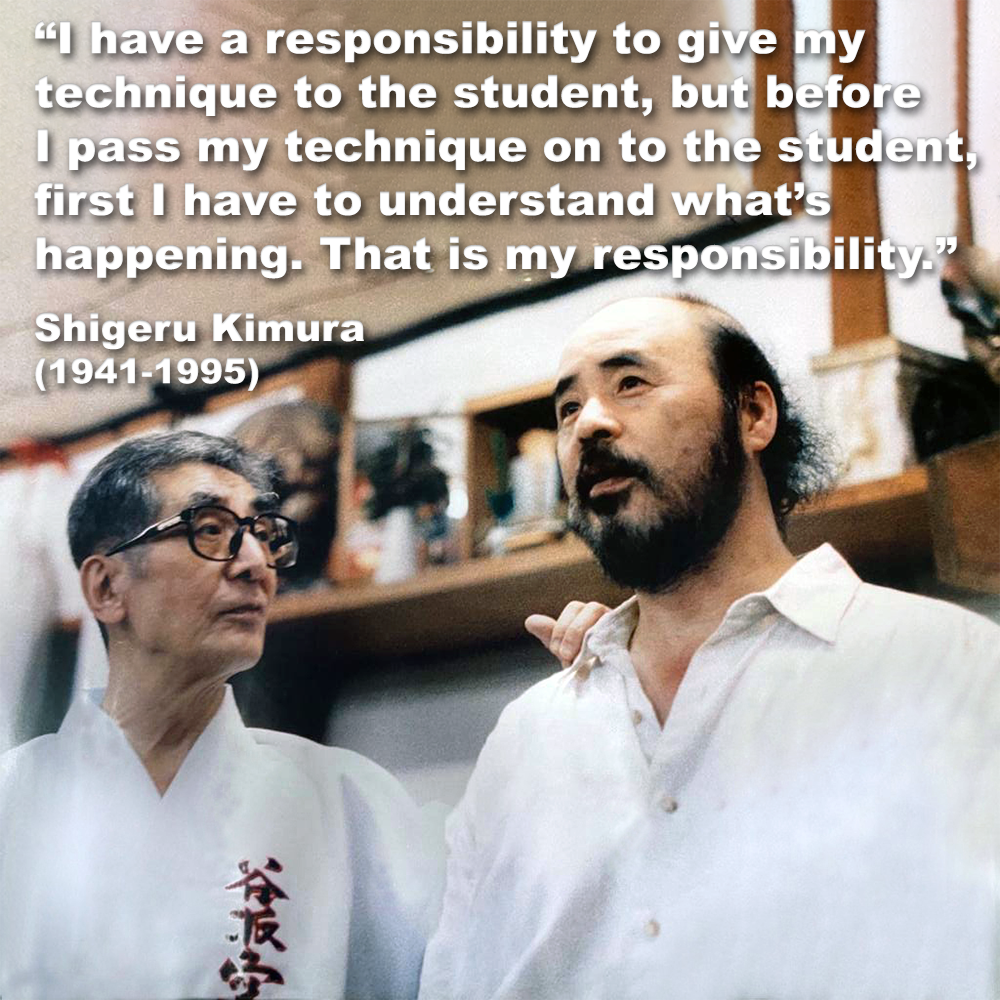
“Before I pass my technique on to the student, first I have to understand what’s happening.”

(2 minute read) The comments on my articles often inspire me to write another, whether those comments are good or bad. Many are interesting and show a diverse understanding, and sometimes highlighting misunderstandings too. . So, thank you to everyone who follows and comments on my articles. . The foundation of any karate technique lies

“Before I pass my technique on to the student, first I have to understand what’s happening.” Read More »

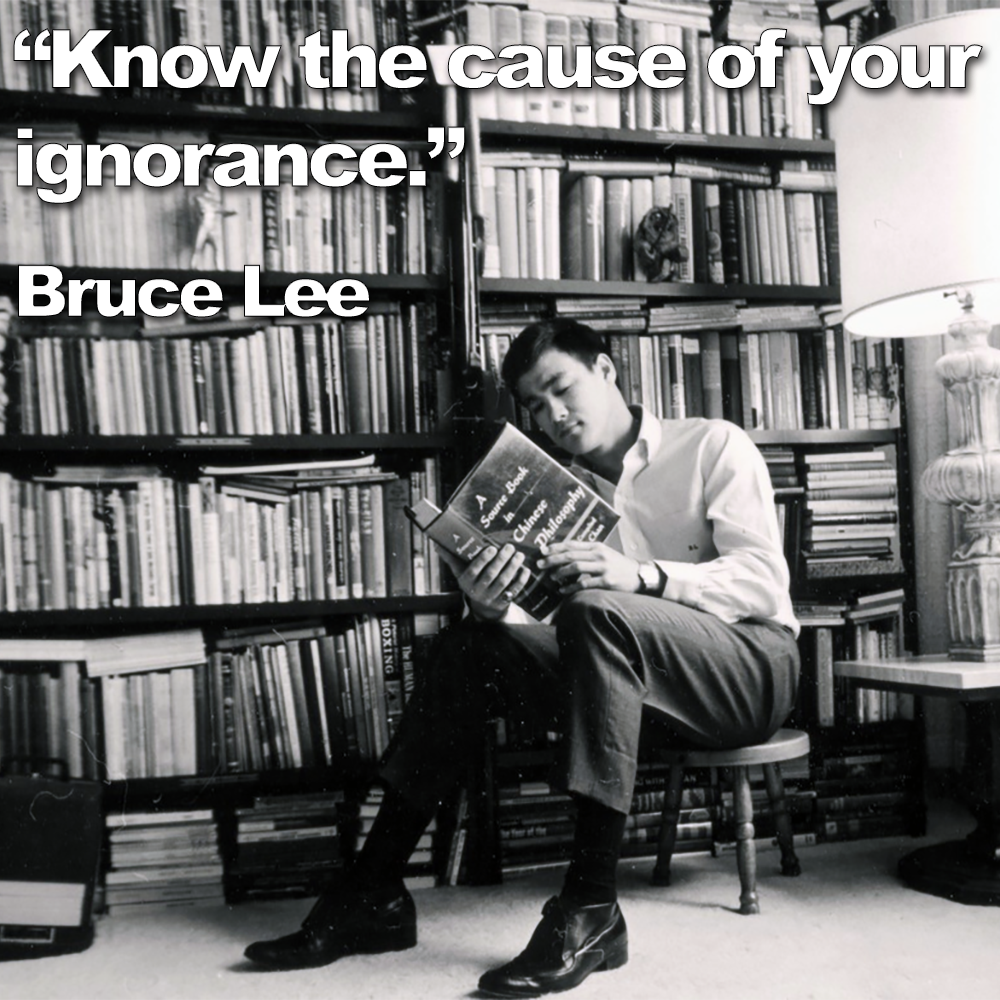
“Know the cause of your ignorance.”

(1 minute 35 second read) Have you ever encountered someone who seems completely stuck in their ways? Someone who refuses to consider any viewpoint but their own? That’s the hallmark of a closed mind. . And boy, have I had a few of these in the comments on my articles lately. . A closed-minded person

“Know the cause of your ignorance.” Read More »

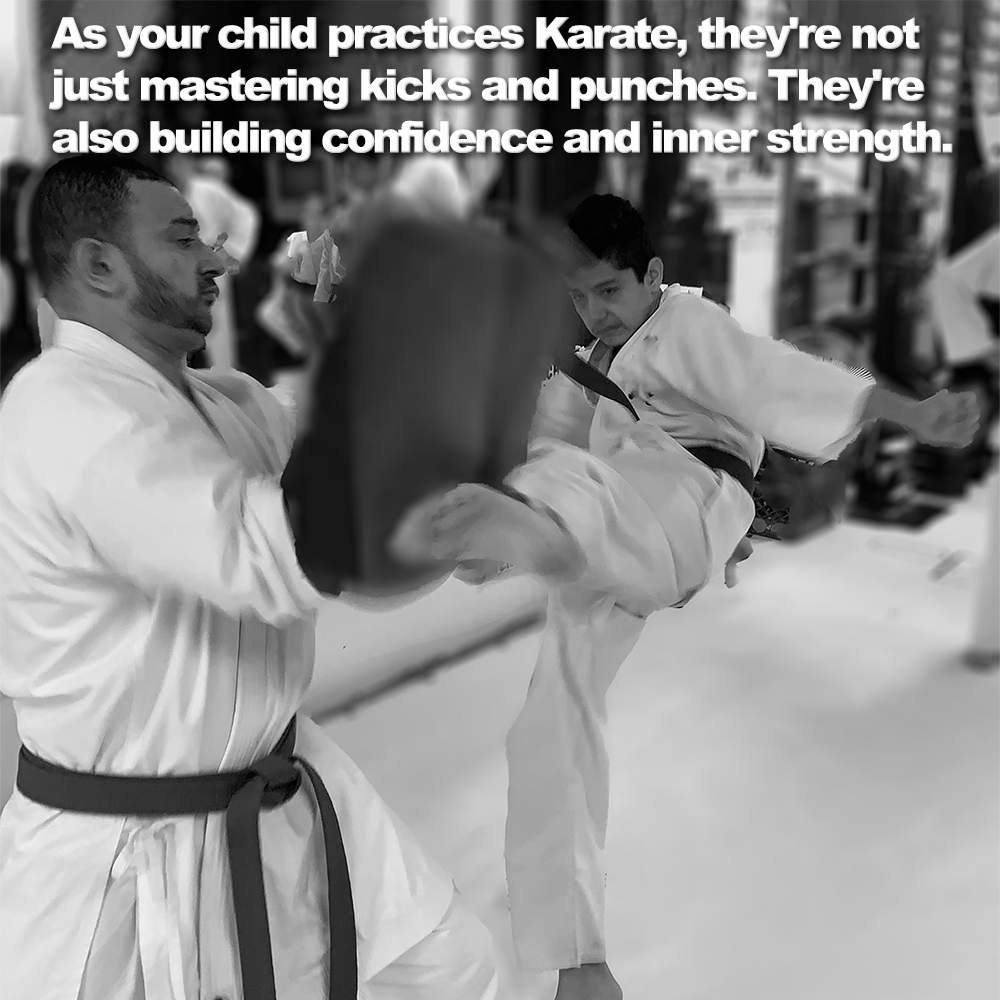
As your child practices Karate, they’re not just mastering kicks and punches. They’re also building confidence and inner strength.

(1 minute 45 second read) Let’s talk about something crucial – if you teach the martial arts, it’s not just about teaching your students how to fight. Fighting isn’t always the answer. Especially if you’re dealing with kids. . Teaching your students how to avoid trouble is extremely important, this is the first line of

As your child practices Karate, they’re not just mastering kicks and punches. They’re also building confidence and inner strength. Read More »

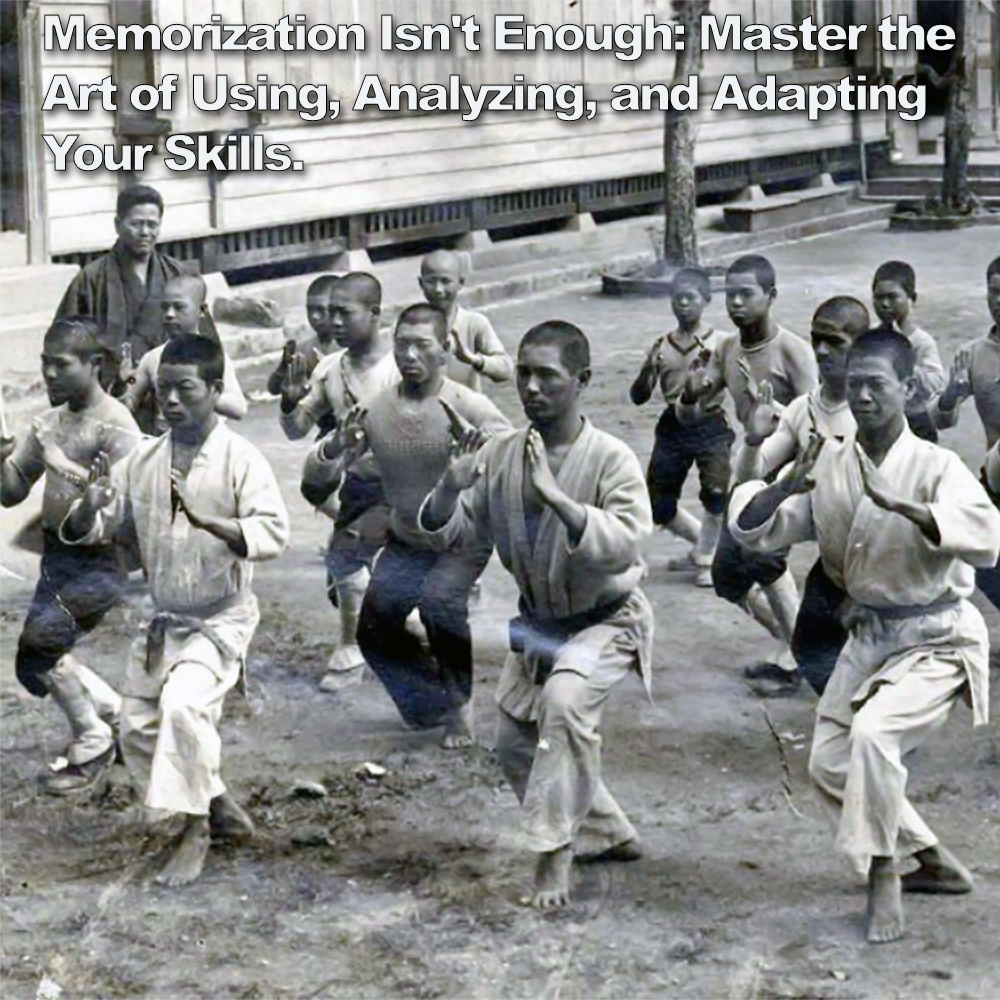
Memorization Isn’t Enough: Master the Art of Using, Analyzing, and Adapting Your Skills.

(1 minute 35 second read) Just like any other pursuit, true learning in the martial arts goes beyond rote memorization. It’s not about simply accumulating facts, but about developing the ability to use, analyze, and adapt the skills you’re taught. . Rote memorization may have its place in the initial stages of learning, providing a

Memorization Isn’t Enough: Master the Art of Using, Analyzing, and Adapting Your Skills. Read More »

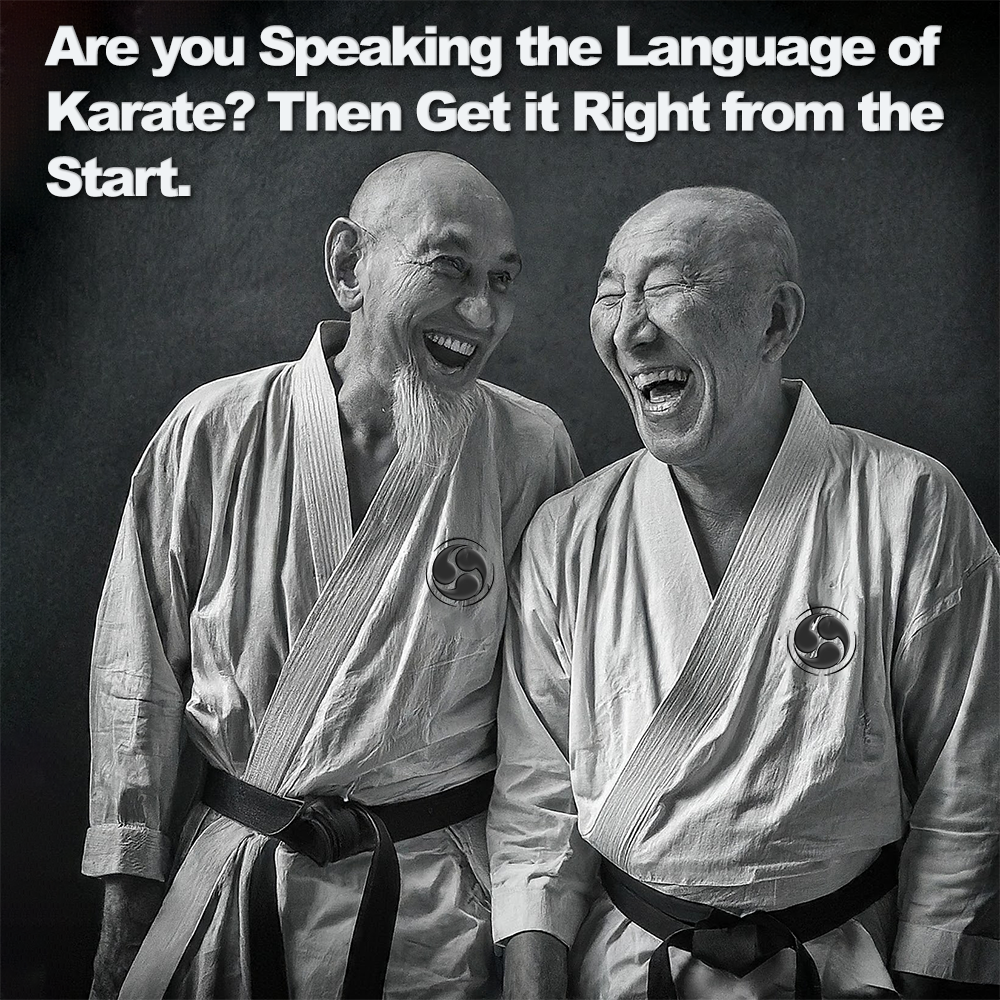
Are you Speaking the Language of Karate? Then Get it Right from the Start.

(1 minute 48 second read) Do you use Japanese terminology in your dojo? . I always tell my students that karate originated from Okinawa and Japan, thus it is common to use Japanese terminology and other cultural aspects in the dojo. . But why bother? What difference does it make? There are many dojo where

Are you Speaking the Language of Karate? Then Get it Right from the Start. Read More »

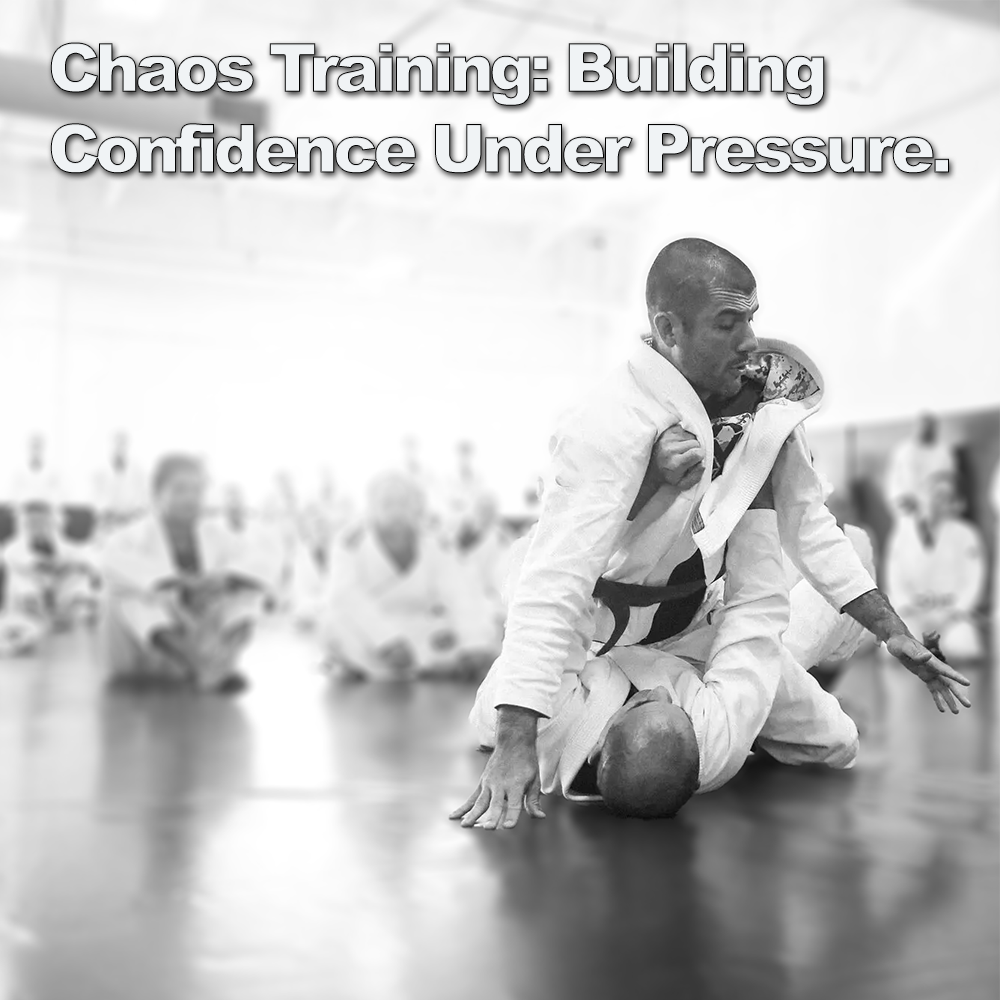
Chaos Training: Building Confidence Under Pressure.

(2 minute read) Some of the comments on my articles recently seem to be producing quite a range of interesting views. . One such comment seemed to suggest that the methods of pressure testing I mentioned in an article; – “to include in your practice pressure testing; unknown wild attacks, pushing, pulling, grabbing, verbal escalation,

Chaos Training: Building Confidence Under Pressure. Read More »

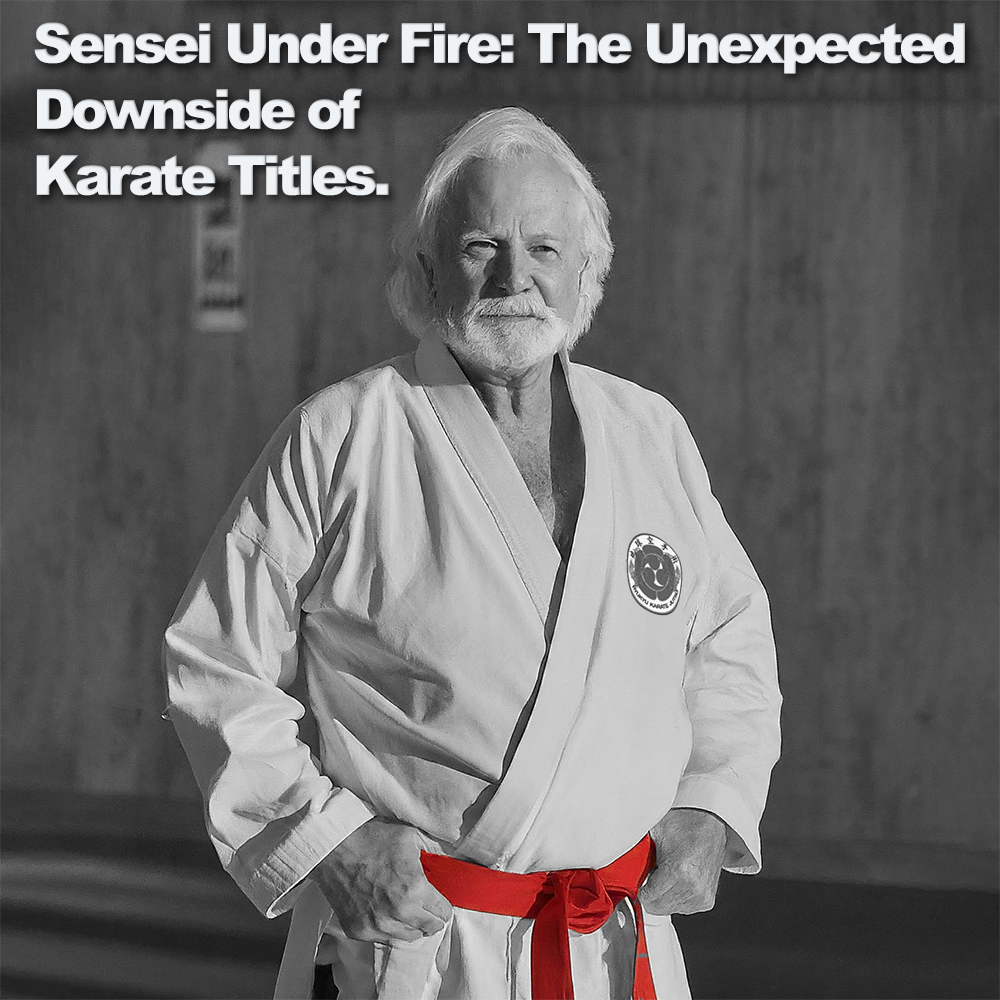
Sensei Under Fire: The Unexpected Downside of Karate Titles.

(2 minute 28 second read) If often receive damming comments when I write an article which has anything to do with belts, grades or titles. . The whole system of awarding belts, grades and titles, seems to be a sensitive topic for many karate practitioners….. and for those that don’t practice. . The “Shogo” (称号)

Sensei Under Fire: The Unexpected Downside of Karate Titles. Read More »

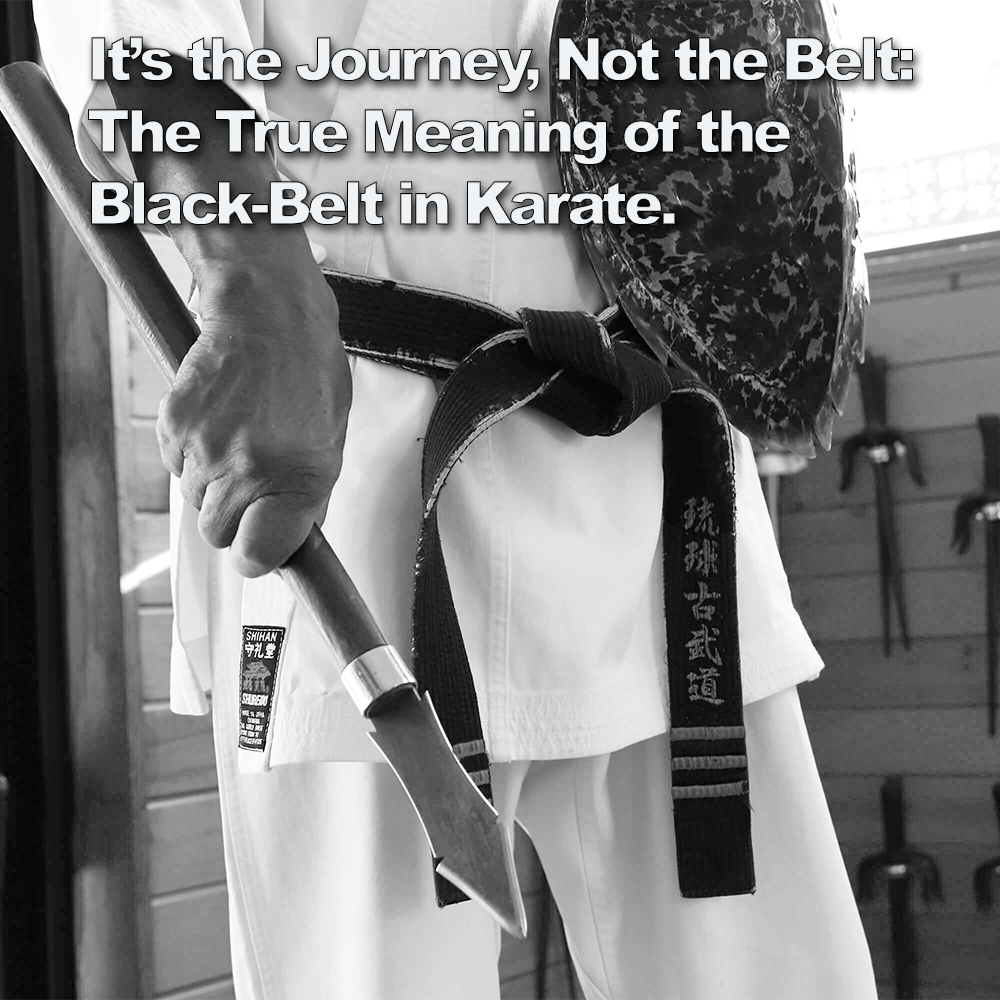
It’s the Journey, Not the Belt: The True Meaning of the Black-Belt in Karate.

(2 minute 4 second read) It’s the Journey, Not the Belt: The True Meaning of the Black-Belt in Karate. . ‘Shodan’ (初段), first-degree (first-level) black-belt, is the bedrock of your karate practice. It’s the foundation you build upon, the launchpad for your continued development. . Earning your Shodan signifies the completion of your initial training,

It’s the Journey, Not the Belt: The True Meaning of the Black-Belt in Karate. Read More »