Student

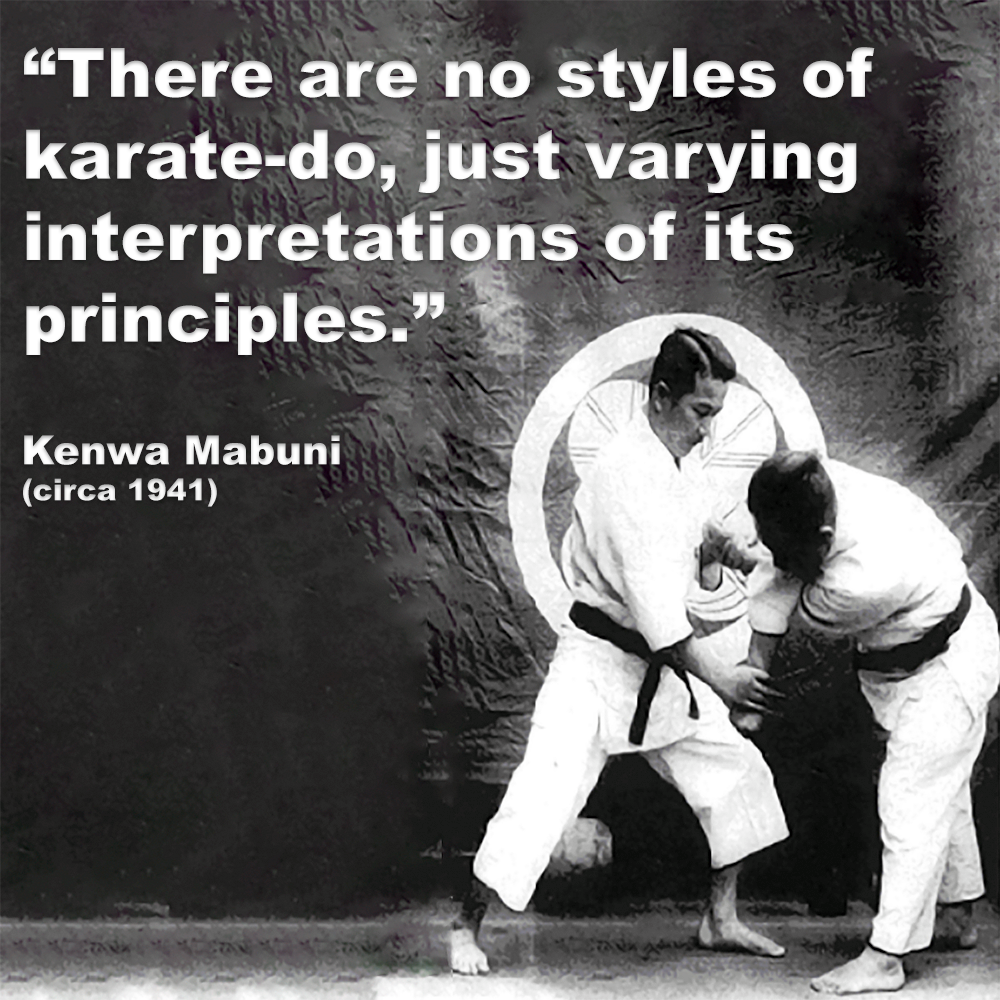
“There are no styles of karate-do, just varying interpretations of its principles.”

Talk to anyone about the martial arts and it is very likely that they will ask you, “what style do you practice?”. . How did all these various styles come into existence? Are they really that important? Should the existing styles be preserved? . It’s often stated that as you gain experience over the years […]

“There are no styles of karate-do, just varying interpretations of its principles.” Read More »
It begins at the beginning, with understanding “why” and not just “how” you are doing something.

If you’re an instructor in the martial arts then you will have a system that you use to instruct your class. It is more than probable that you learned this from observing your own instructor, in whatever style of the martial arts that you study and are now teaching. . As an instructor, it’s important

It begins at the beginning, with understanding “why” and not just “how” you are doing something. Read More »

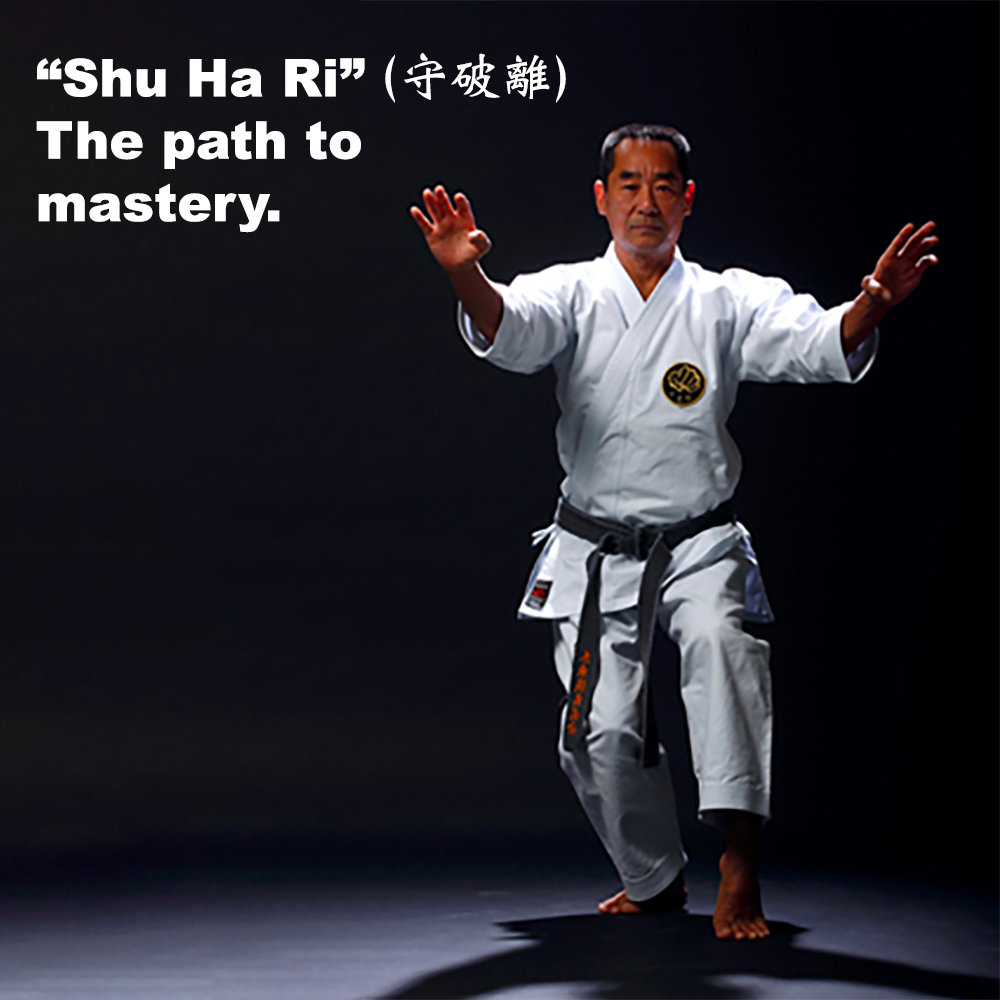
“Shu Ha Ri” (守破離) The path to mastery.

The Japanese concept of “Shu-Ha-Ri” (守破離), applies to the practice of learning, from beginner to a level of mastery. . “Shu-Ha-Ri” is a way to think about the levels of learning that we progress through as we gain knowledge through our practice. The idea is that in order for a person to master something they

“Shu Ha Ri” (守破離) The path to mastery. Read More »

Discover the “meaning” in what you do. Then give it everything you’ve got. Do your BEST.

What does “do your best” really mean? How can you do your best? Why would you not want to do your best, in anything? . I receive so many comments from people on my articles that basically comes down to saying; “so what!”, in deference to learning something new or different. . In my mind

Discover the “meaning” in what you do. Then give it everything you’ve got. Do your BEST. Read More »

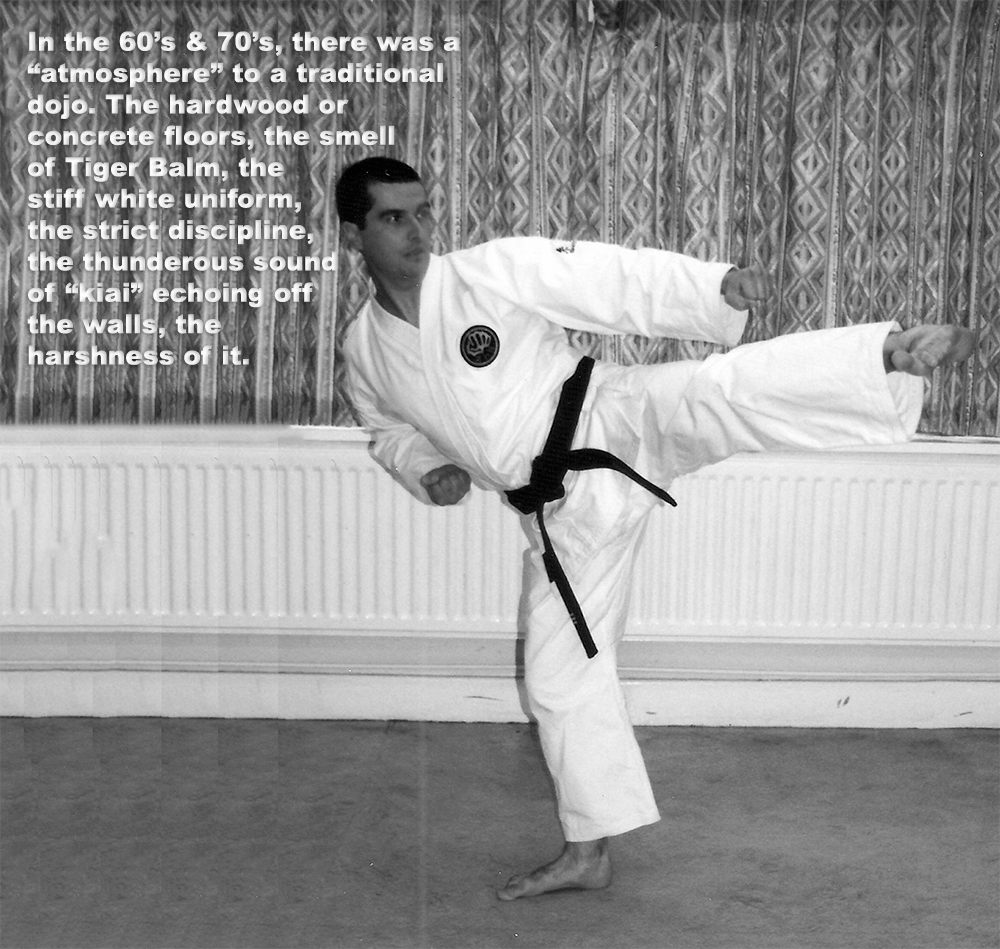
In the 60’s and 70’s, there was a “atmosphere” to a traditional dojo.

In the 60’s and 70’s martial arts were a cult. If you missed a session everyone would want to know where you were. Training practices were harsh and very dangerous and injuries commonplace. . Everyone attended every seminar and every tournament. Barefoot runs to warm up, barefoot running in the snow during winter just wearing

In the 60’s and 70’s, there was a “atmosphere” to a traditional dojo. Read More »

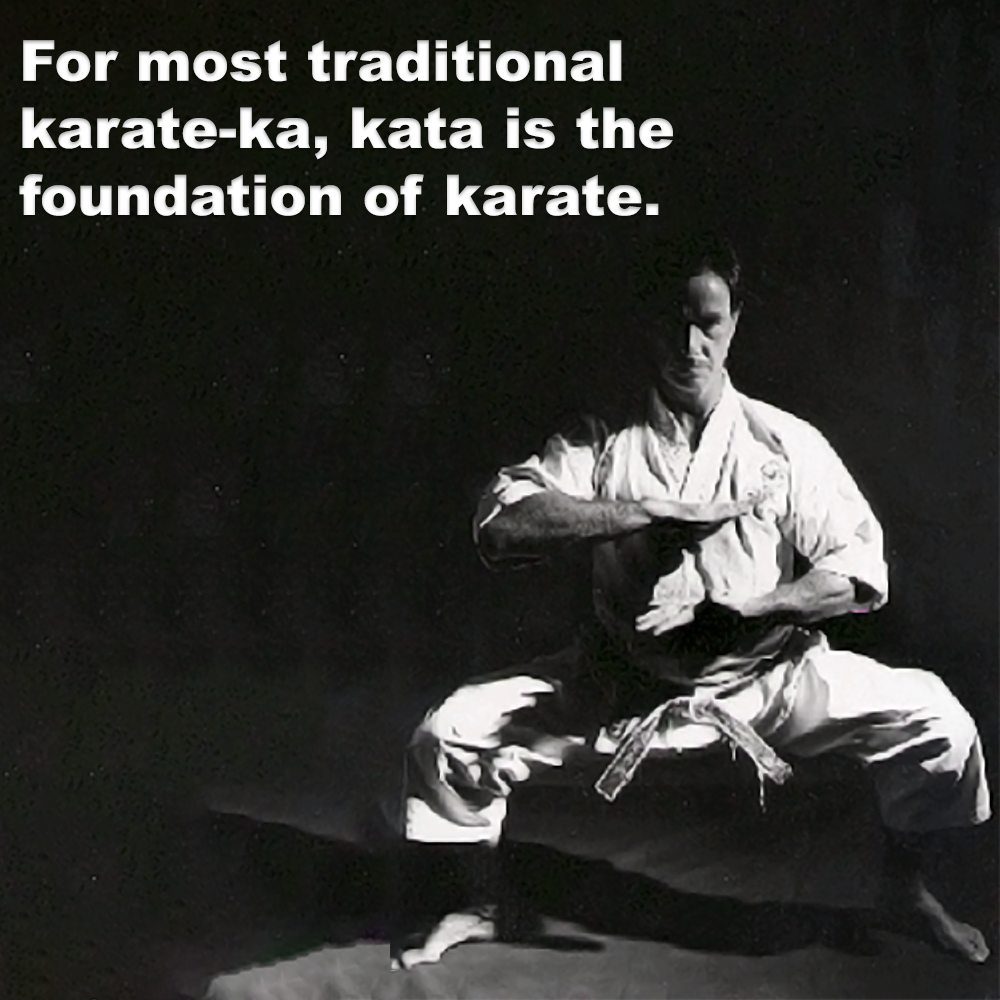
For most traditional karate-ka, kata is the foundation of karate.

What is the purpose of kata in karate? For most traditional karate-ka, kata is the foundation of karate. But why is that? . The trouble with determining the purpose of kata, is that the purpose you find in kata is directly related to your understanding and your training focus. The key to the purpose of

For most traditional karate-ka, kata is the foundation of karate. Read More »

Don’t just practice at a specific time of the day or week…. Live your art.

There are a number of reasons why you might want to take up a martial art. The regular physical practice can help you keep fit, build confidence, and let off steam. In the right environment you can learn effective self-defense, or become a tournament competitor (they are different). A martial art can also be a

Don’t just practice at a specific time of the day or week…. Live your art. Read More »

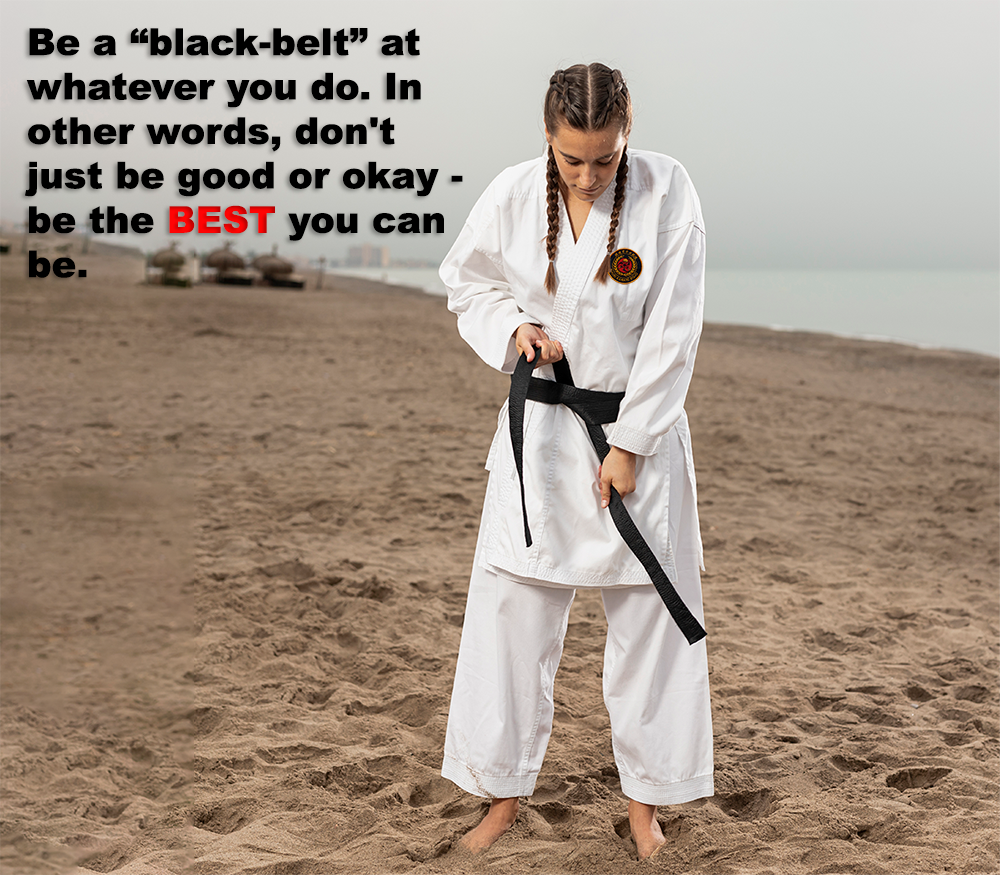
Be a “black-belt” at whatever you do. In other words, don’t just be good or okay – be the BEST you can be.

Teachers teach content then test students. This cycle of teaching and testing is familiar to anyone who has been a martial arts student. Tests seek to see what students have learned. . Tests are supposed to be evaluations that see what you know at a particular point in time. But teaching students to practice for

Be a “black-belt” at whatever you do. In other words, don’t just be good or okay – be the BEST you can be. Read More »

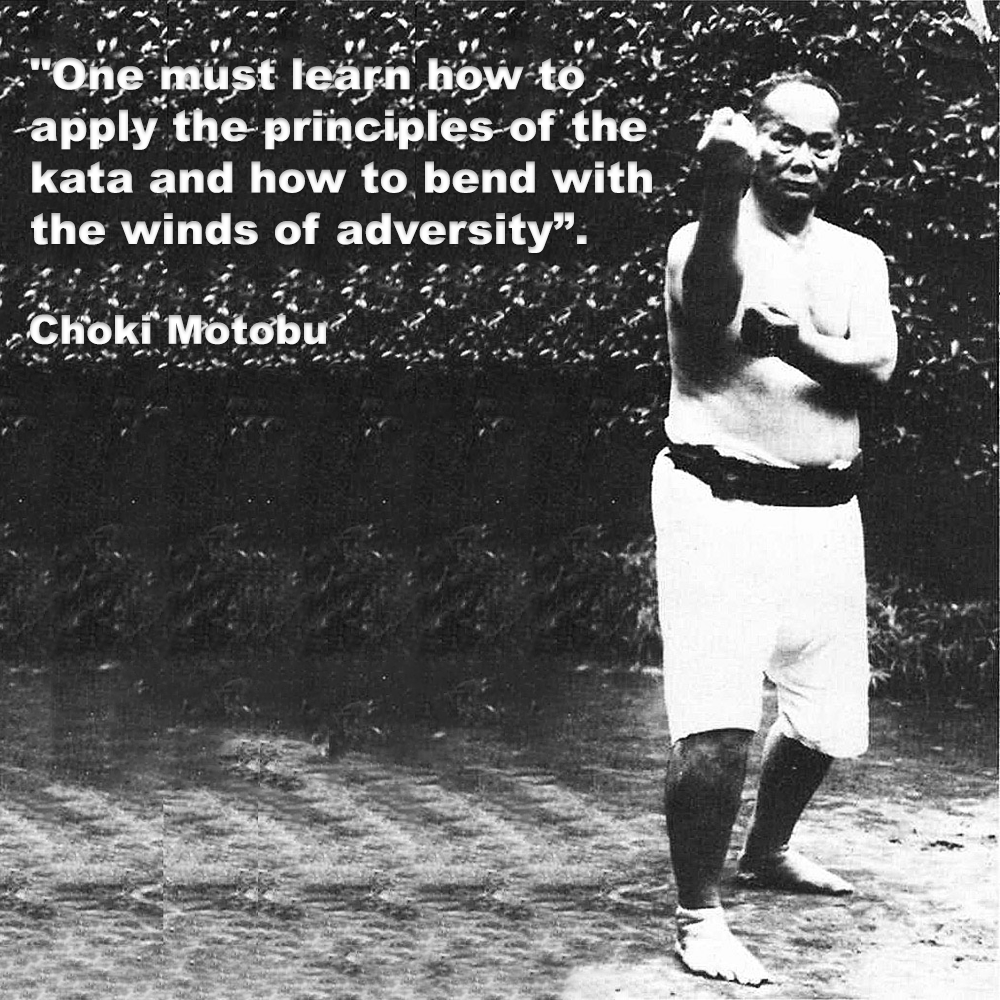
“One must learn how to apply the principles of the kata and how to bend with the winds of adversity”.

Kata are not simply a bunch of techniques one after the other;…. no, each and every kata were created to record the key principles and strategies of a complete fighting system. . Historically, an individual would formulate a kata to record their own personal fighting methods, the styles of the time. . It obviously would

“One must learn how to apply the principles of the kata and how to bend with the winds of adversity”. Read More »

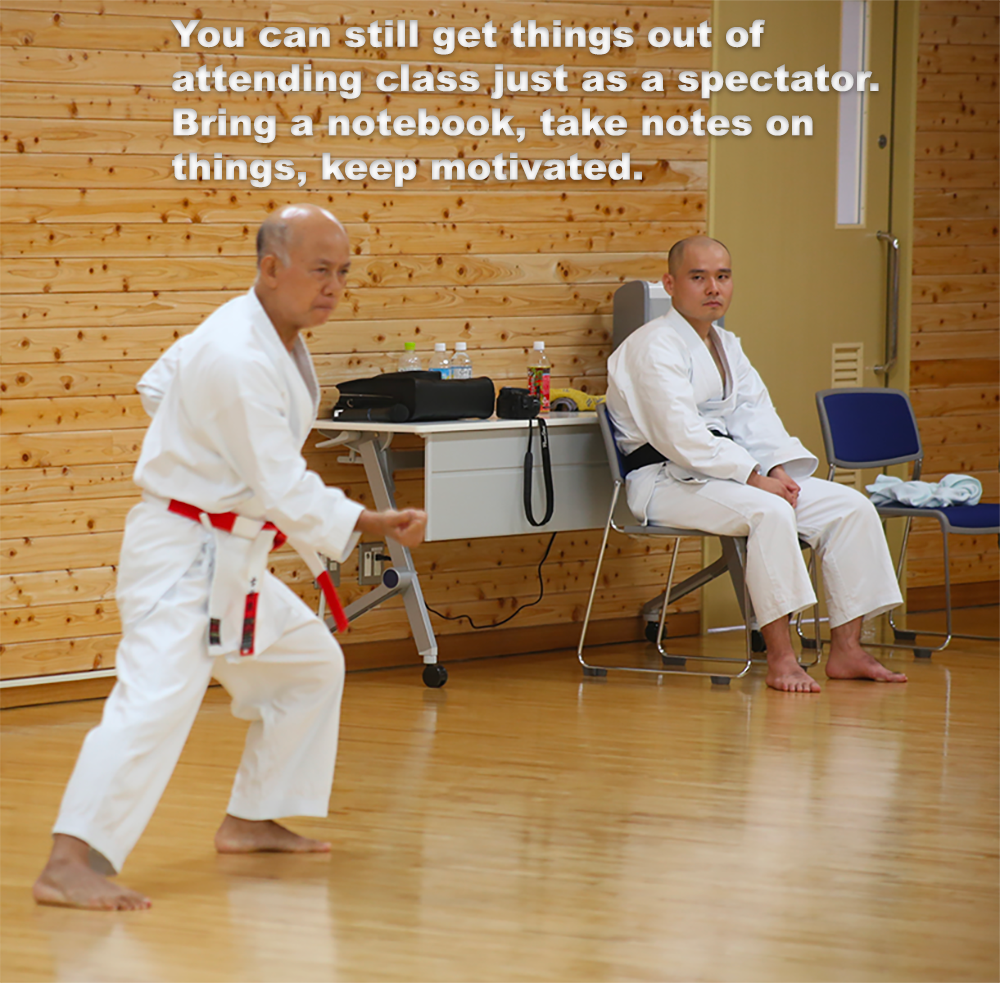
You can still get things out of attending class just as a spectator.

We know injuries are inevitable, and are usually perceived as a huge bummer when time is needed off from training. But with every injury is opportunity, and continuing to show up to class is one way of capitalizing on them. . We learn from watching, everyone is at least somewhat of a visual learner, and

You can still get things out of attending class just as a spectator. Read More »

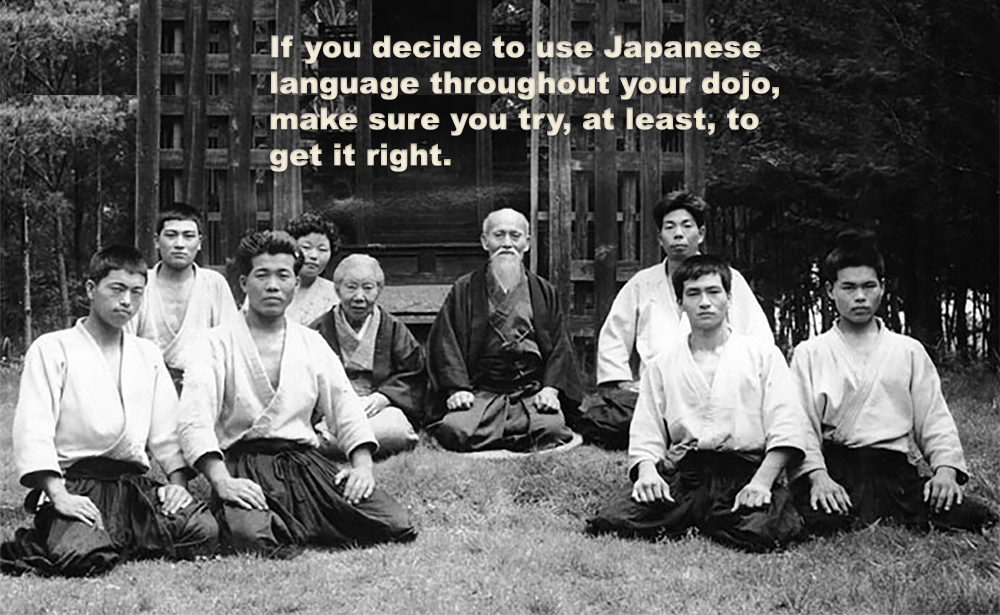
If you decide to use Japanese language throughout your dojo, make sure you try, at least, to get it right.

Karate has an Okinawan/Japanese cultural background, thus it is common to use Japanese terminology and cultural characteristics in the dojo. It’s important that if someone uses Japanese terms that this someone is using them right and knows what they are saying. . In every field of interest, there is a certain risk in using technical

If you decide to use Japanese language throughout your dojo, make sure you try, at least, to get it right. Read More »