Loyalty Is Not a One-Way Street

Not every patch is a symbol of trust. Over the years, I’ve seen many martial arts groups rise and fall. Names change, alliances shift, and new banners are flown – but the questions stay the same. What does it mean to be loyal? What should an association stand for? And when that loyalty isn’t returned,…

Was Itosu Preserving Karate – Or Changing It?

I’ve been looking at Anko Itosu’s 1908 letter again. It’s one of those documents people often cite. But if you look past the standard translations, I’m not sure the letter says what people think it says. Itosu was in a difficult position. He wanted karate in the school system, which meant he had to make…

The Real Opponent

At some point in training, you begin to look back a little more. Not in a nostalgic way, but simply to make sense of things. You start to notice patterns, not just in what you do, but in how you think and how you react. People often say your body can stand almost anything, it’s…

Movement, Not Technique

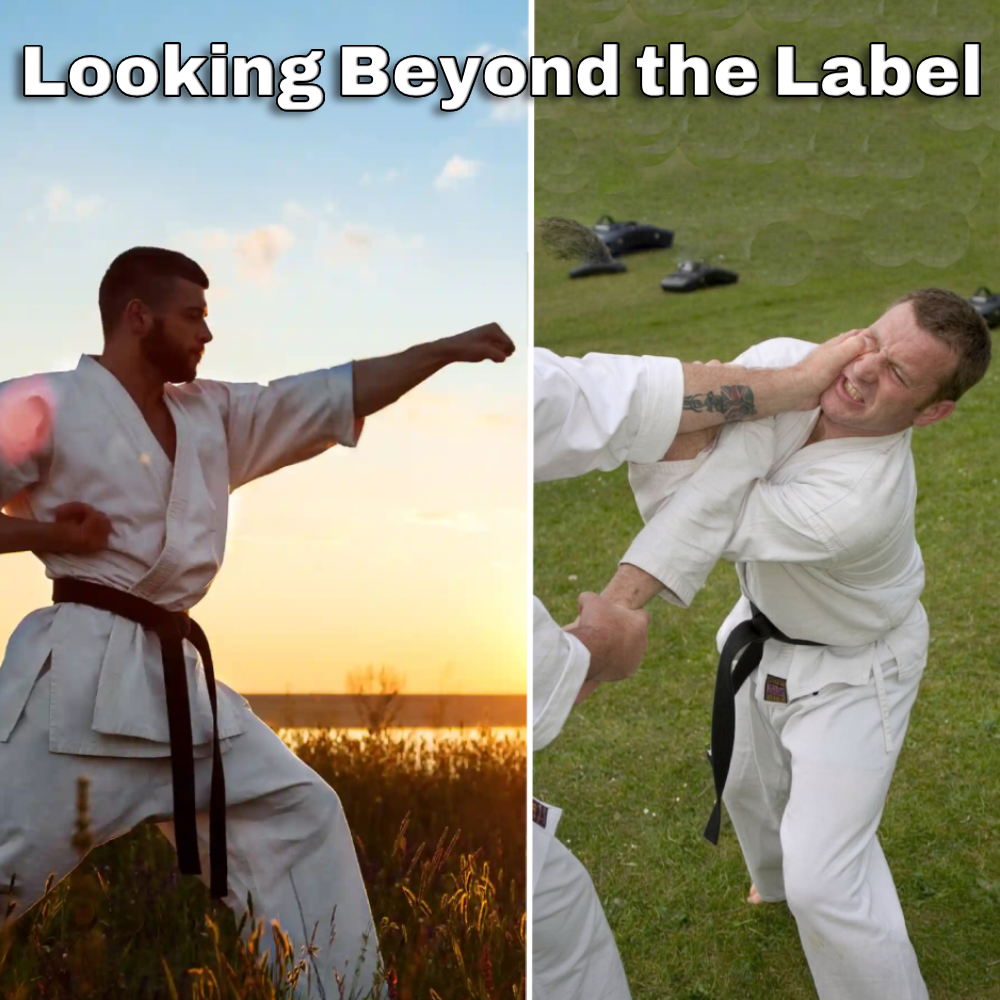
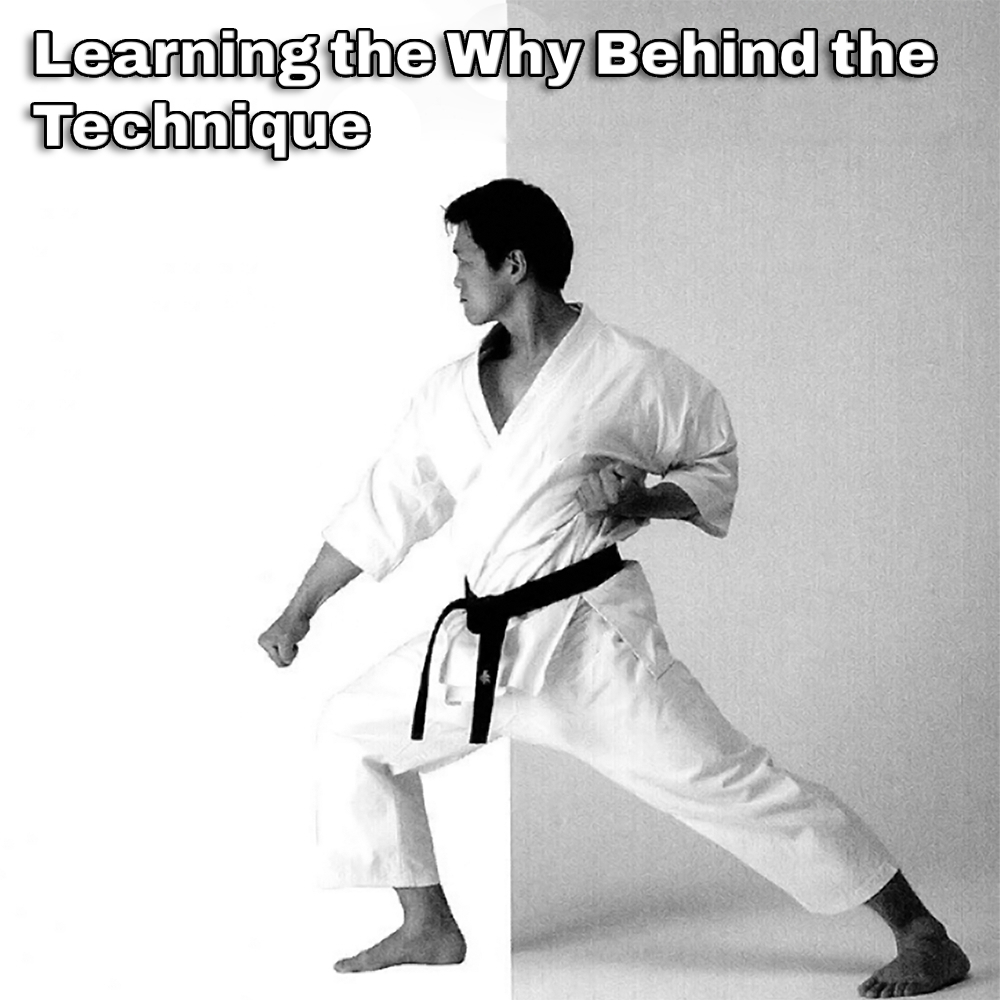
Many karate practitioners are taught to think in terms of techniques. Movements are labeled, categorized, and assigned a specific purpose. One technique blocks. Another strikes. Another performs a different function entirely. Over time this can create the impression that karate is a large collection of separate techniques, each designed to solve a specific problem. When…

Winning Is Not the Goal in Self-Defense

Self-defense and fighting are often spoken about as if they are the same thing. They are not. There is overlap between the two, but they are fundamentally different in both purpose and outcome. This distinction is often misunderstood, particularly because many people are taught physical or fighting skills first when they attend a “self-defense” class….

Why Karate “Blocks” Don’t Work the Way We Think

One of the first things you learn as a beginner is a ‘block’, right? Typically, it’s one of these: upper, middle inner, middle outer, or a down block. You spend a significant amount of time practicing these blocks, focusing on the small details, making sure your pulling hand (hikite) is positioned perfectly, all performed with…

What ‘Style’ Originally Meant in Early Karate

Choki Motobu once remarked that a single kata represented the style of the time. In my opinion, he wasn’t talking about stances and techniques, but something deeper. Motobu was known for his very practical view of fighting. He famously emphasized the importance of Naihanchi, once stating that “Naihanchi is the foundation of karate.” His focus…

The Problem with “Osu” in Karate

Communication can sometimes be surprisingly ambiguous, especially online. A single word, used casually in one place, can carry very different meanings somewhere else. The term “Osu” is a familiar sound in karate circles. In many instances it’s meant to convey perseverance, respect, or commitment to training. In some Japanese karate styles it holds a strong…

The Mental Side of Training

Training the Mind Most people think of martial arts training as physical. Techniques. Speed. Power. Conditioning. Those things matter, of course. But over time many practitioners begin to realize that martial arts training involves something more as well. The training of the mind. Anyone who has watched sport long enough has seen how quickly psychology…

Chibariyo

The Ryukyu Kingdom, the historical heart of modern-day Okinawa, fostered a unique culture distinct from mainland Japan. This distinctiveness extends to language, with Okinawan dialects collectively known as Uchinaaguchi. Many karate practitioners, myself included, appreciate using the Japanese terminology that’s part of our practice. While most practitioners utilize it primarily for principles, techniques, drills, and…

The Opponent We Cannot Defeat

Time is the one opponent we cannot defeat, yet it’s the one we often underestimate the most. The reason people say, “the trouble is you think you have time”, is because when we’re younger, it moves so slowly. But as we age, it speeds up. You gain a new perspective. You reach a deeper understanding…

Walking Your Own Path in Karate

Karate has always evolved. Kata have changed. Methods of teaching have changed. Even within a single generation, subtle differences appear. That was happening long before Westerners ever set foot in an Okinawan dojo. What we can know tends to come from personal experience rather than historical reconstruction. Much of karate back then was not taught as a…