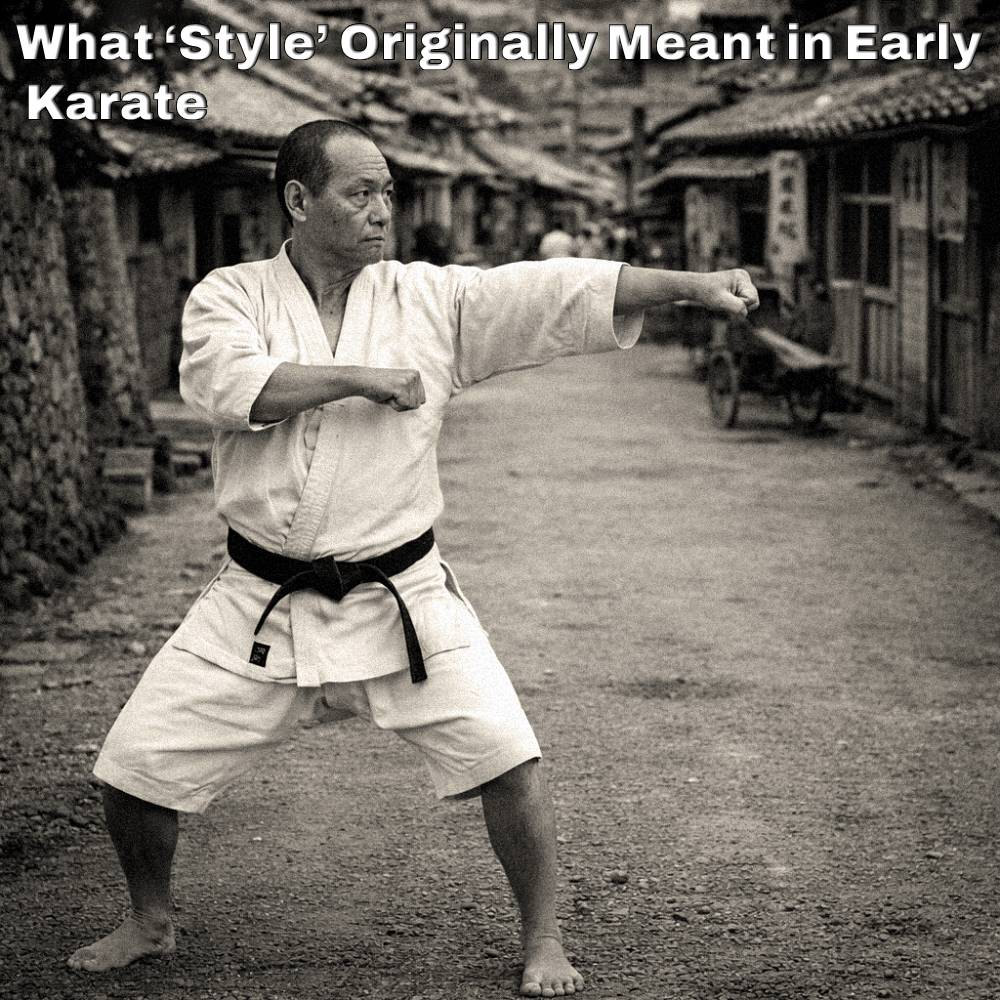
Style

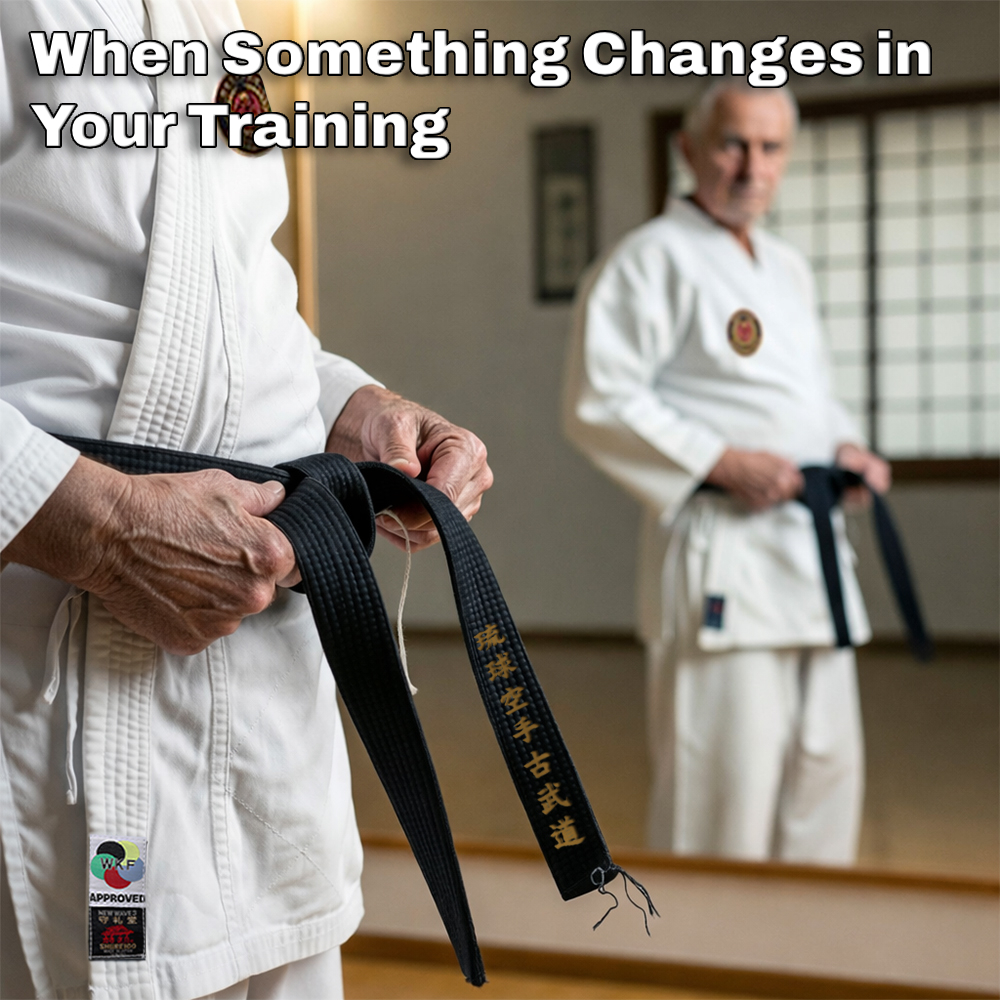
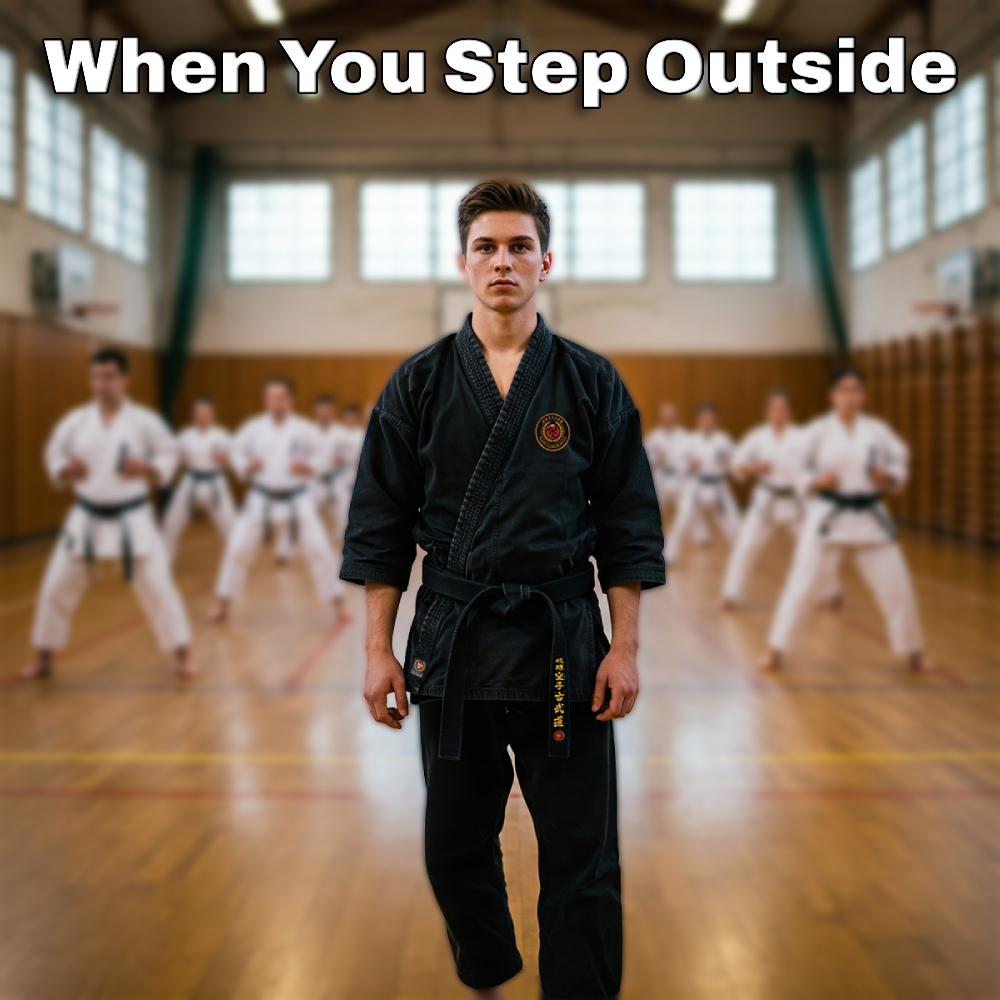
When You Step Outside

I was asked recently what actually happens when someone steps away from an organization, goes on their own path. You’re part of something for years. You put time into it, help where you can, stand alongside people, and for the most part you don’t question any of it because it feels normal. It feels like […]

When You Step Outside Read More »
No Style Is the Best – Context Is

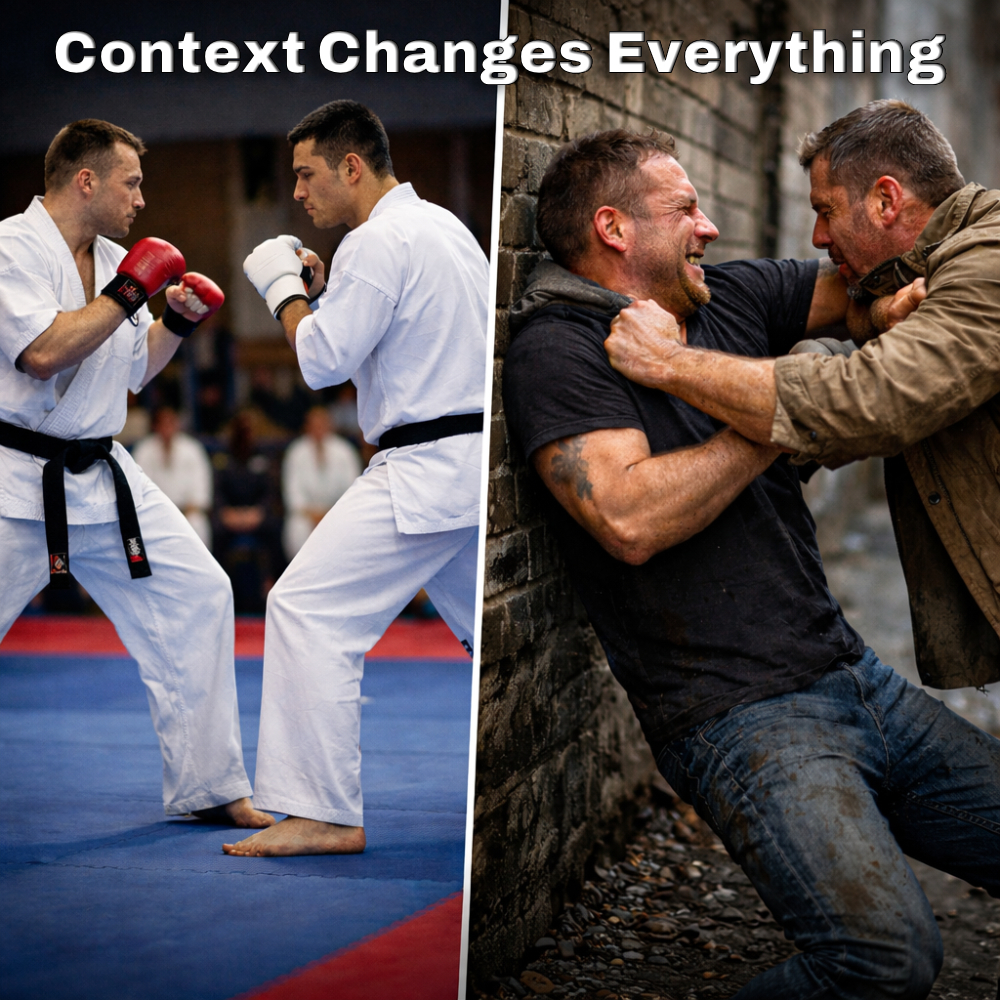
Whenever I write about real-world self-defense, the comments seem to explode into “my style is the best”. I’m not convinced a lot of these people actually train themselves – maybe keyboard warriors, maybe just inexperienced – these comments often seem to revolve around one style in particular: Kyokushin. Now, before anyone accuses me of bashing

No Style Is the Best – Context Is Read More »

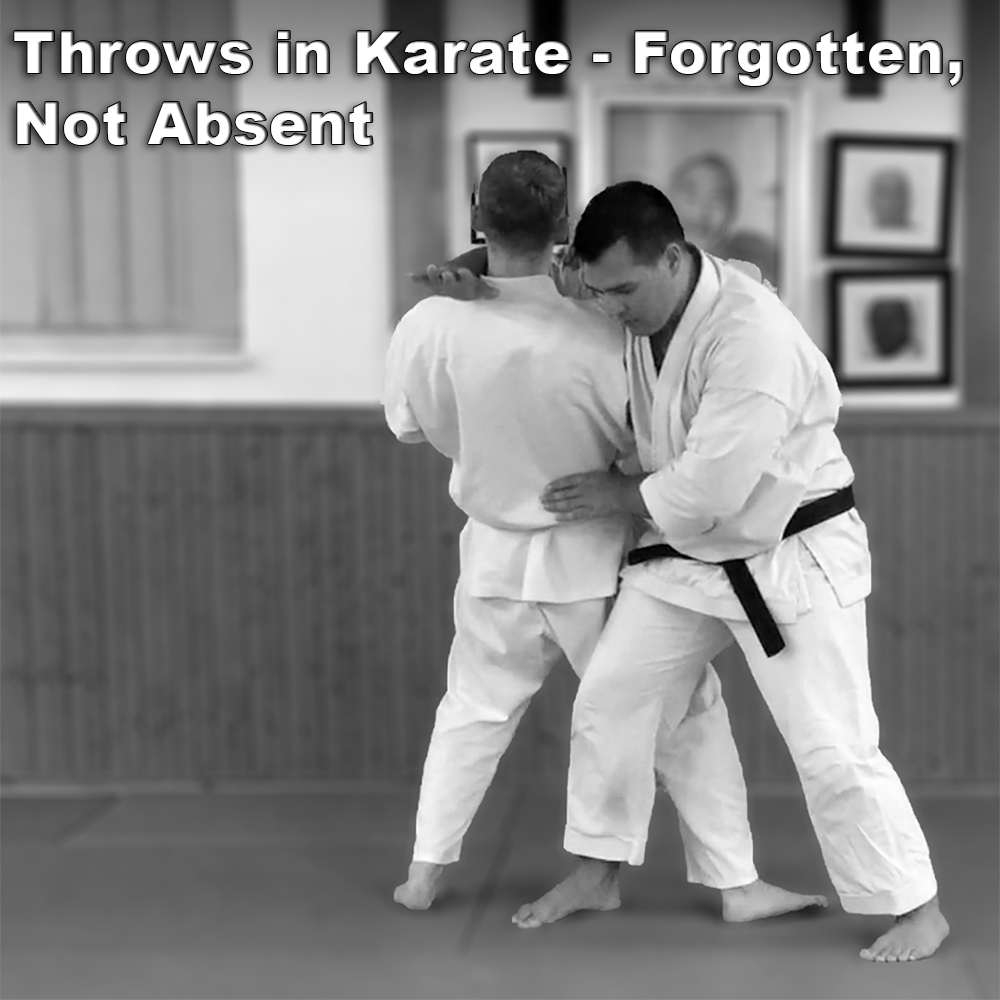
One of the strangest claims still repeated in karate is that throws do not belong in the art. And yet the historical record says otherwise. Gichin Funakoshi himself documented throwing methods, and senior figures have long acknowledged their place. The issue is not whether throws existed in karate. The issue is why so many modern

Read More »

Loyalty Is Not a One-Way Street

Not every patch is a symbol of trust. Over the years, I’ve seen many martial arts groups rise and fall. Names change, alliances shift, and new banners are flown – but the questions stay the same. What does it mean to be loyal? What should an association stand for? And when that loyalty isn’t returned,

Loyalty Is Not a One-Way Street Read More »

The Problem with “Osu” in Karate

Communication can sometimes be surprisingly ambiguous, especially online. A single word, used casually in one place, can carry very different meanings somewhere else. The term “Osu” is a familiar sound in karate circles. In many instances it’s meant to convey perseverance, respect, or commitment to training. In some Japanese karate styles it holds a strong

The Problem with “Osu” in Karate Read More »

Walking Your Own Path in Karate

Karate has always evolved. Kata have changed. Methods of teaching have changed. Even within a single generation, subtle differences appear. That was happening long before Westerners ever set foot in an Okinawan dojo. What we can know tends to come from personal experience rather than historical reconstruction. Much of karate back then was not taught as a

Walking Your Own Path in Karate Read More »

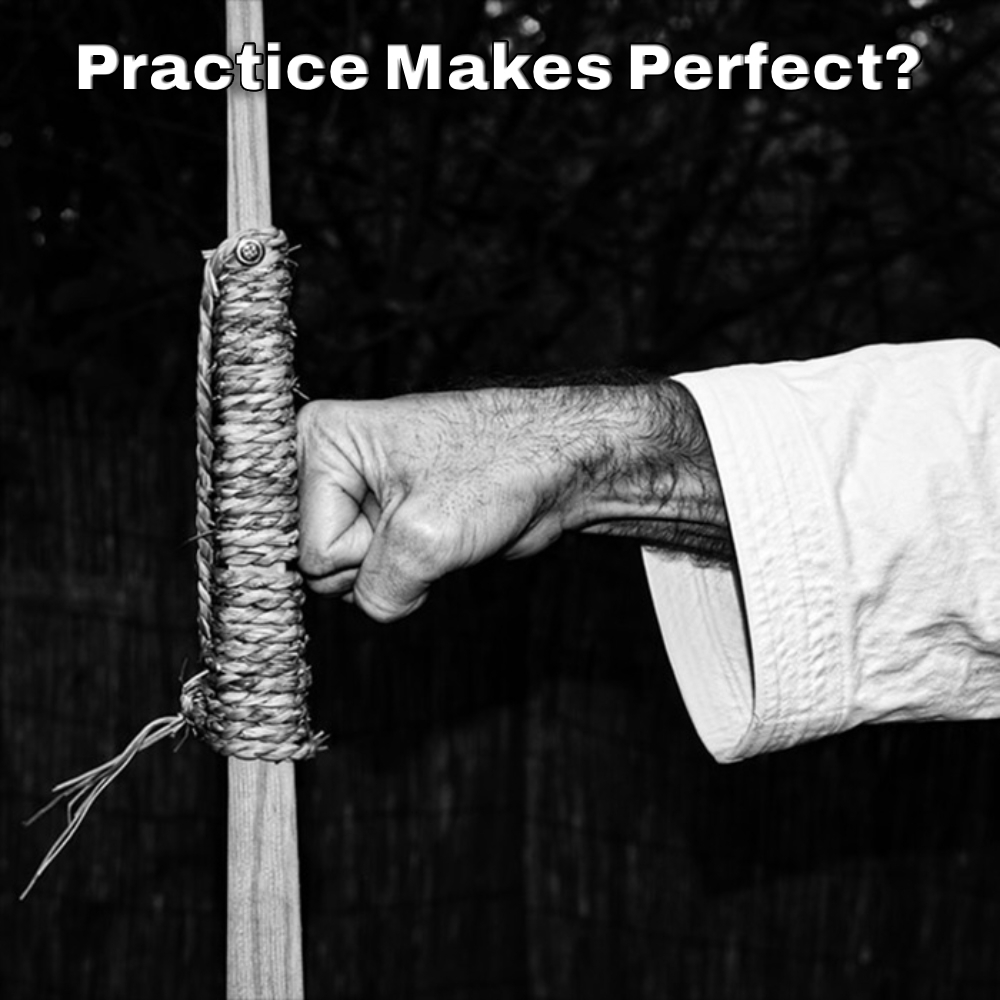
Practice Makes Perfect?

“Practice makes perfect.” How many times have you heard that to motivate you? The problem is, the phrase isn’t quite right. Practice doesn’t make perfect. It makes permanent. It should really be: Perfect practice makes perfect. Karate is known for its repetition. How many of you have attended a weekend seminar by a top instructor

Practice Makes Perfect? Read More »