Humility

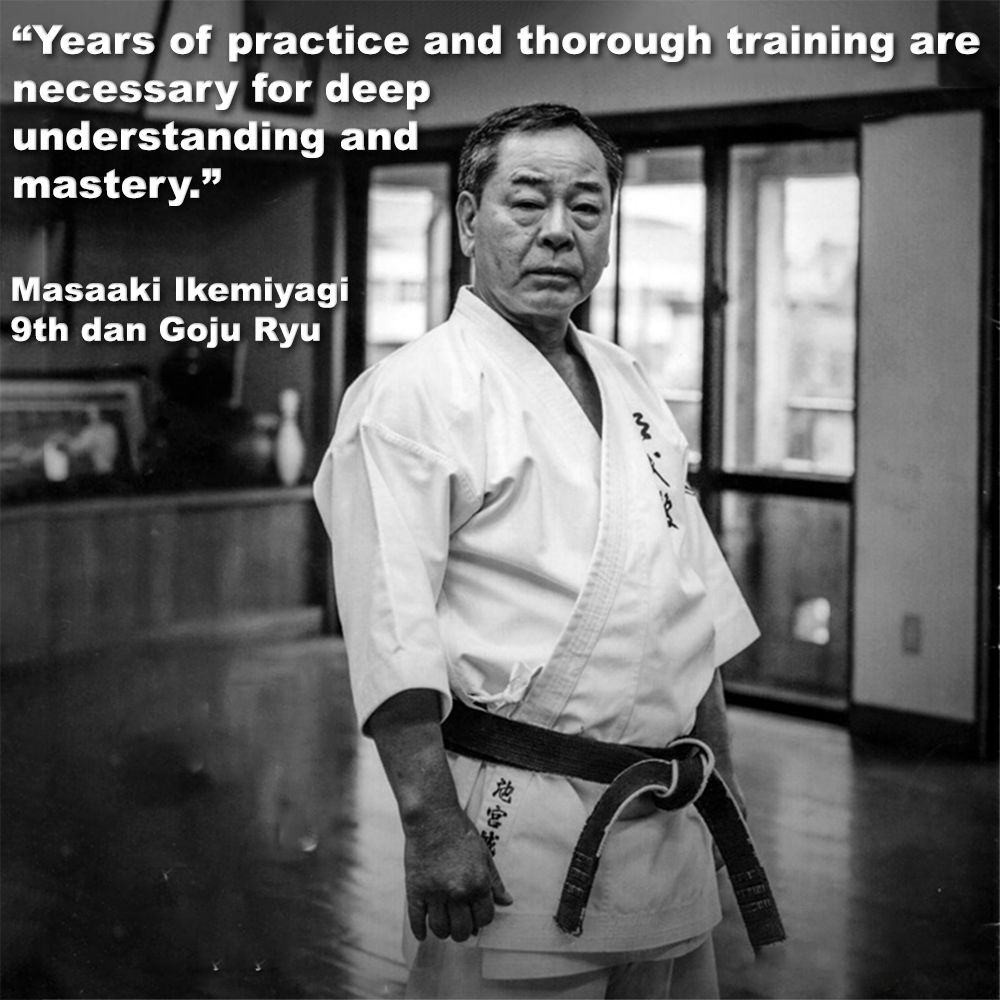
“Years of practice and thorough training are necessary for deep understanding and mastery.”

(2 minute and 2 second read) “Years of practice and thorough training are necessary for deep understanding and mastery.” – Masaaki Ikemiyagi 9th dan Goju Ryu . In today’s fast-paced world, people often overlook patience and understanding. This is especially noticeable in the martial arts, where everyone seems in a hurry to become skilled quickly. […]

“Years of practice and thorough training are necessary for deep understanding and mastery.” Read More »

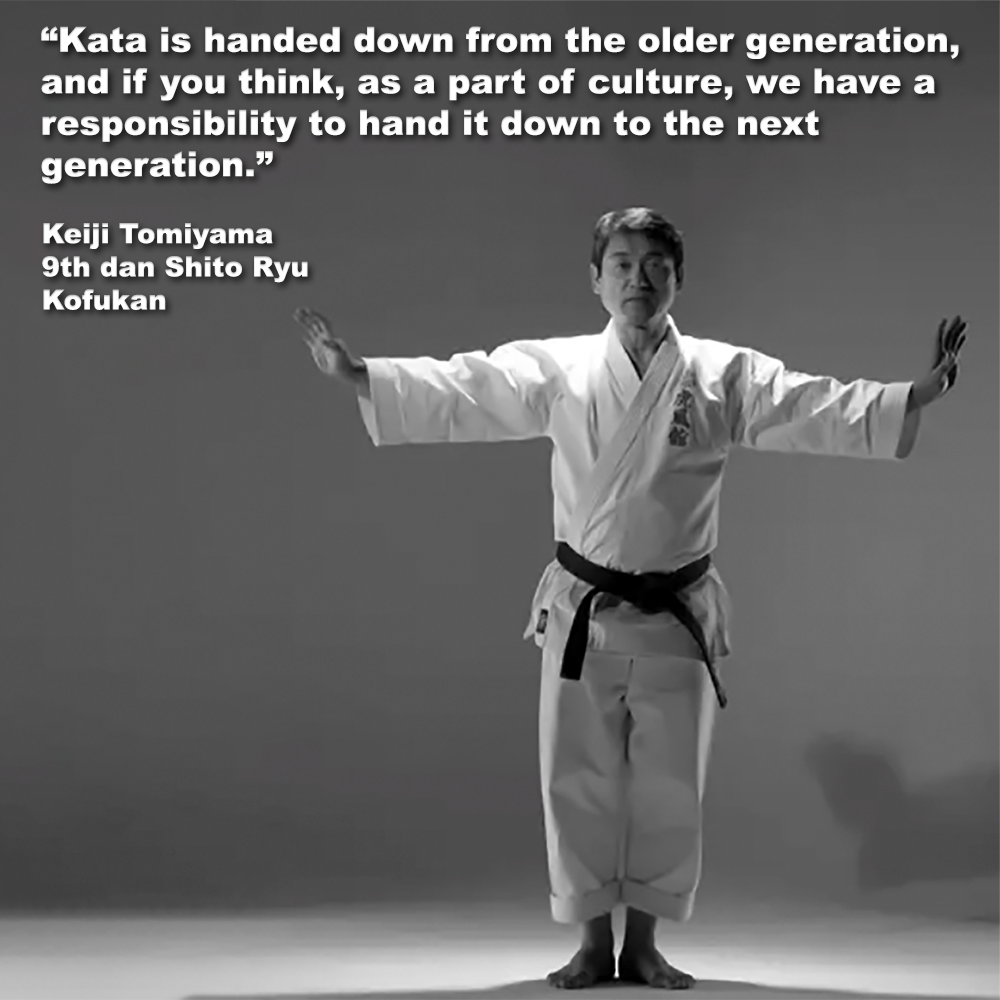
“Kata is handed down from the older generation,[…]we have a responsibility to hand it down to the next generation.”

“Kata is handed down from the older generation, and if you think, as a part of culture, we have a responsibility to hand it down to the next generation.” – Keiji Tomiyama 9th dan Shito Ryu Kofukan . Teaching is a profound act of sharing the knowledge we have acquired from others, with the sincere

“Kata is handed down from the older generation,[…]we have a responsibility to hand it down to the next generation.” Read More »

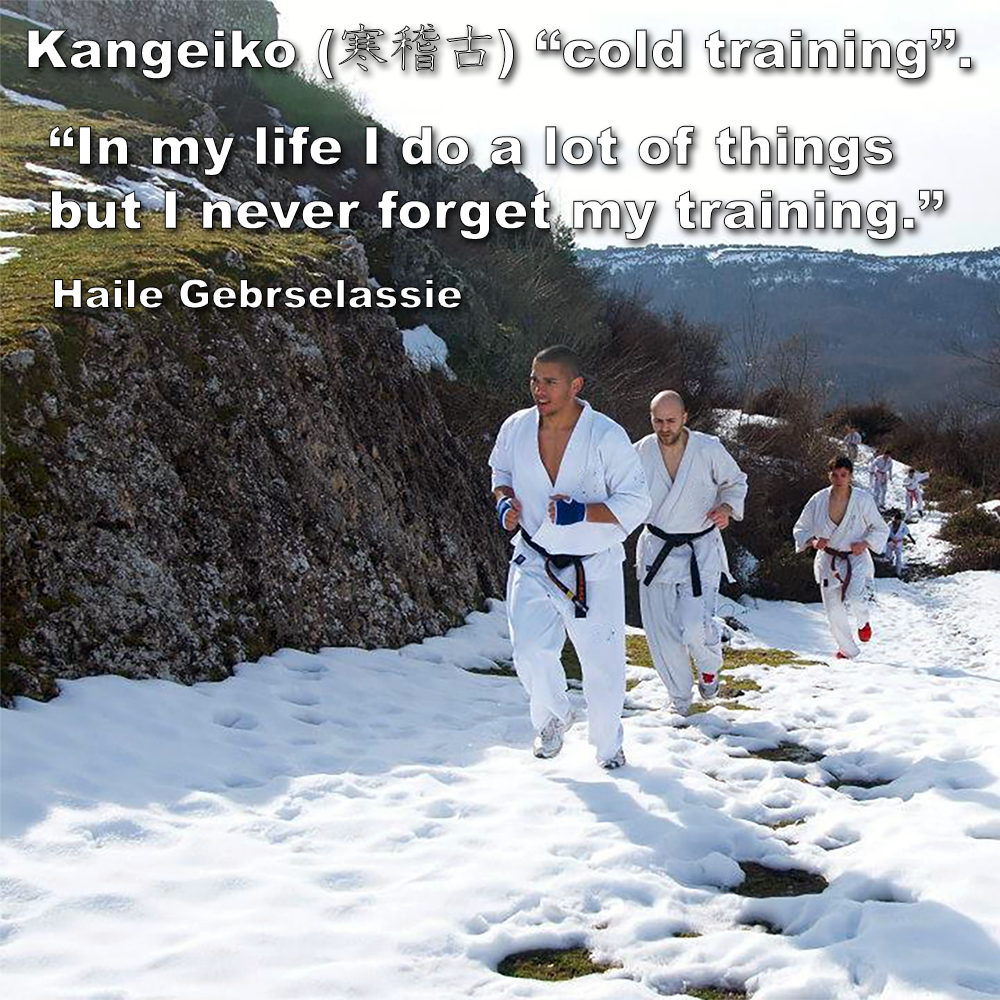
“In my life I do a lot of things but I never forget my training.”

It‘s that time of year again. Substantial snowfall, temperatures plummeting below freezing, and a polar wind that leaves you breathless. . The icy wind whips across your face, your fingers and toes numb from the cold, and your breath hangs heavy in the air. But you stand there, muscles burning, sweat freezing in your keiko-gi,

“In my life I do a lot of things but I never forget my training.” Read More »

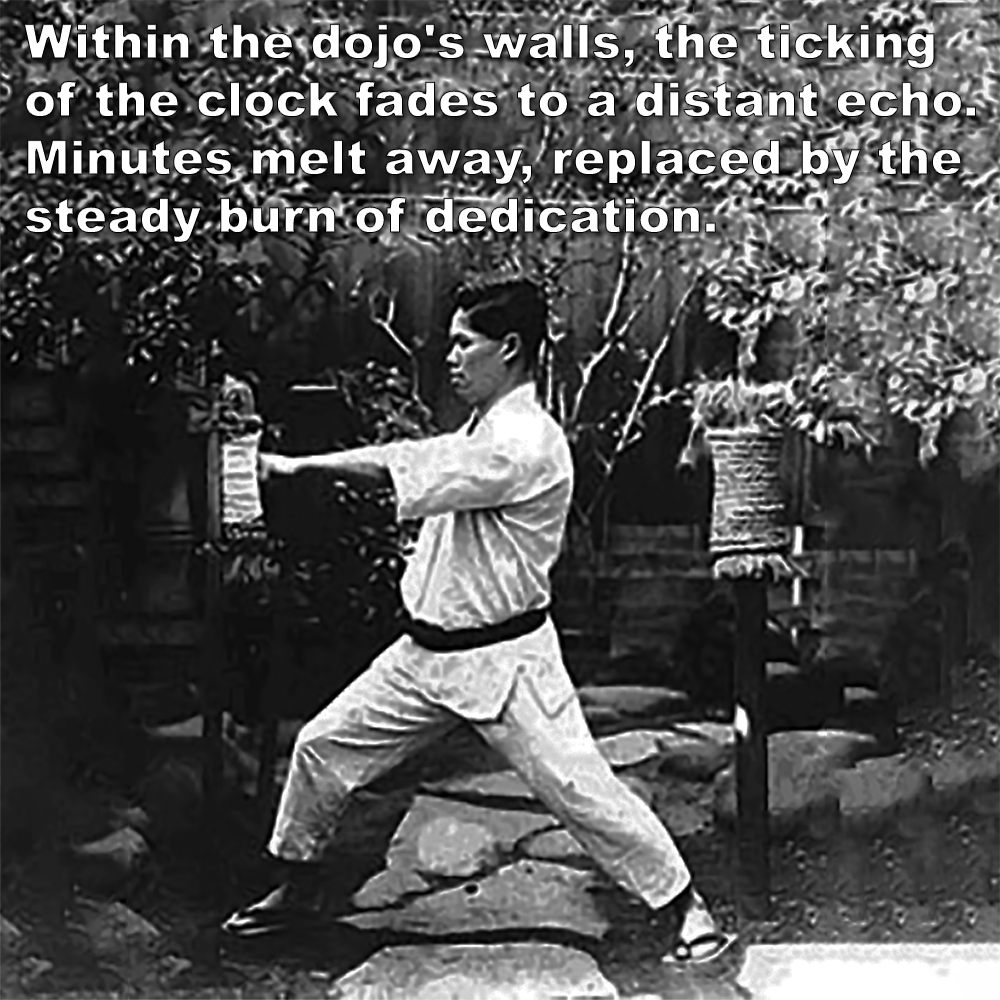
Within the dojo’s walls, the ticking of the clock fades to a distant echo. Minutes melt away, replaced by the steady burn of dedication.

Around the corner from the modern fitness center, lies a realm where discipline, respect, and self-discovery converge – the dojo. . Within this modest area, laden with tradition and resonating with the echoes of disciplined footsteps, reverberating to the sound of punches meeting the ‘makiwara’, is not merely a training ground for martial arts; it

Within the dojo’s walls, the ticking of the clock fades to a distant echo. Minutes melt away, replaced by the steady burn of dedication. Read More »

Choosing the right training, the right dojo, is critical, for your safety and for your peace of mind. Do not take that choice lightly.

In a previous article, I delved into a comment from an individual asserting that their karate was “the strongest.” While the article may have been somewhat lengthy for some (a 2 1/2 minute read – for those who prefer an easier read, coloring books are an option), it generated comments stating that numerous fake karate

Choosing the right training, the right dojo, is critical, for your safety and for your peace of mind. Do not take that choice lightly. Read More »

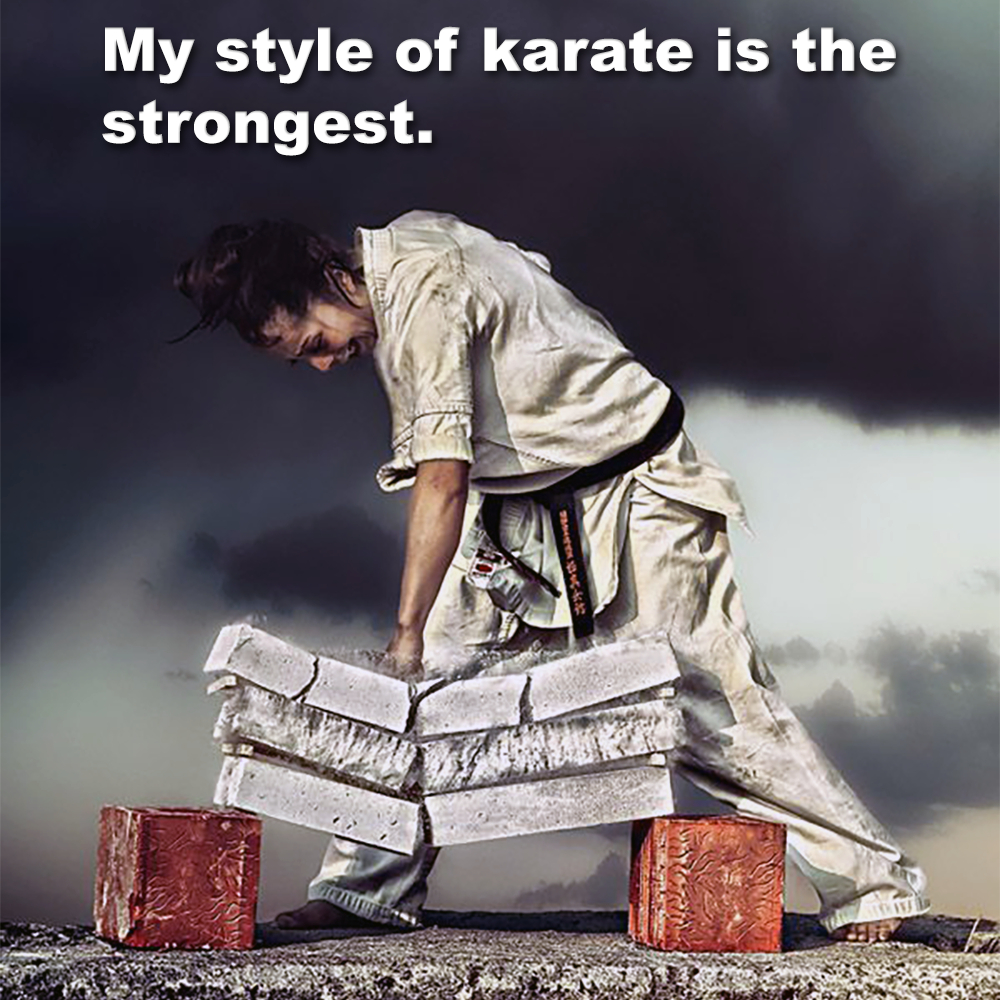
My style of karate is the strongest.

Recently someone tried to argue with me that their style of karate was the strongest. Informing me that because their athletes were successful in competition going back to the 1960’s, it was the ultimate, the strongest, and the best martial art. . Karate, has evolved into a diverse and widespread discipline. It can be practiced

My style of karate is the strongest. Read More »

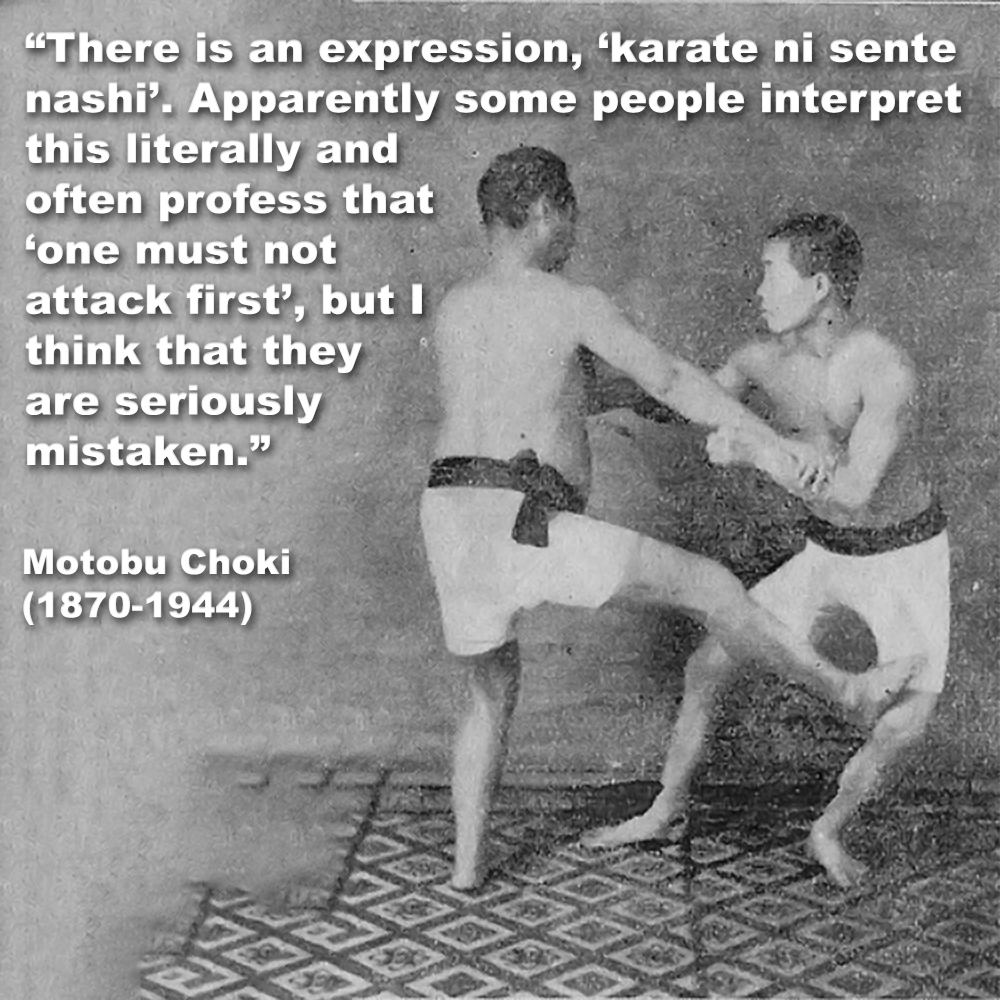
‘Karate ni sente nashi’. Apparently some people interpret this literally and often profess that ‘one must not attack first’.

The phrase “Karate ni sente nashi,” (空手に先手なし) often translated as “there is no first attack in karate,” has resonated with karate-ka for generations. . Funakoshi Gichin made this principle the second of his “Niju Kun” (二十訓) (Twenty Precepts), reminding us that “karate begins and ends with courtesy”. . However, clinging to a literal interpretation can

‘Karate ni sente nashi’. Apparently some people interpret this literally and often profess that ‘one must not attack first’. Read More »

You must prioritize avoiding harm over protecting material possessions.

Someone commented on one of my articles recently that today, you don’t really need training for self-defense and violence is exaggerated. . I find this type of attitude very shortsighted. And while for some, you may be lucky enough to live your whole life without ever encountering violence of any kind, unfortunately, there are those

You must prioritize avoiding harm over protecting material possessions. Read More »

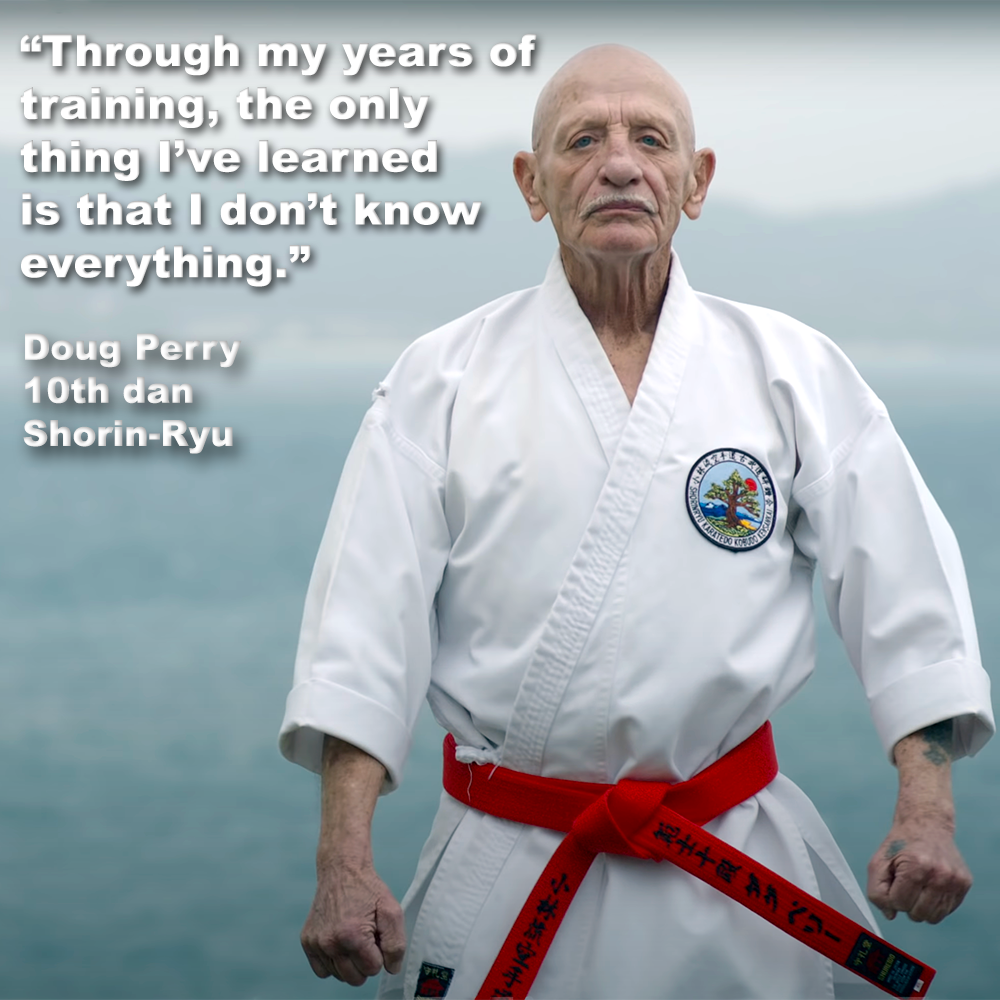
“Through my years of training, the only thing I’ve learned is that I don’t know everything.”

Remember being in the dojo and feeling like you would absolutely die if you were called on when you didn’t know the answer? From an early age, we’re conditioned to be afraid of not knowing something we should. . Unfortunately, this fear often prevents us from seeking help when we need it. We worry that,

“Through my years of training, the only thing I’ve learned is that I don’t know everything.” Read More »

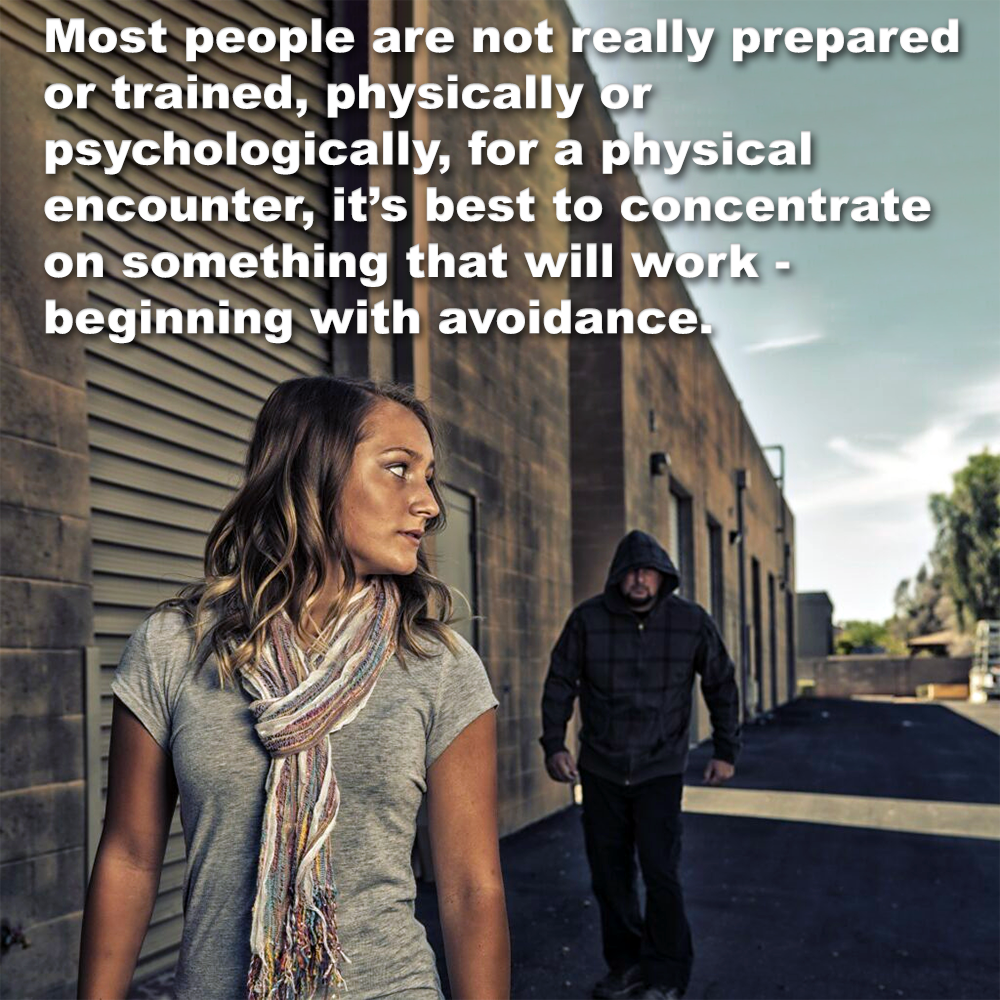
Most people are not really prepared or trained, physically or psychologically, for a physical encounter, it’s best to concentrate on something that will work – beginning with avoidance.

My recent article about keeping your hands up in a guard in self-defense situations, featured several responses, some stating it works in MMA, or other sports. . You’re missing the point. . A guard IS applicable in consensual fights. . In self-protection, either, you are so close that BOTH HANDS SHOULD BE WORKING, or you

Most people are not really prepared or trained, physically or psychologically, for a physical encounter, it’s best to concentrate on something that will work – beginning with avoidance. Read More »

In real world effectiveness, the ultimate goal is to be prepared, not just to perform.

Emotions are powerful, but are they always the best guide in the martial arts? . While passion fuels our training, logic and common sense should offer a crucial perspective for developing functional combat skills. . The journey towards effective martial arts (if this is your goal), involves not just rote repetition, but also genuine understanding.

In real world effectiveness, the ultimate goal is to be prepared, not just to perform. Read More »

“Nothing is more harmful to the world than a martial art that is not effective in actual self-defense.”

It is said that the Okinawan karate pioneers, Gichin Funakoshi (1868-1957) and Choki Motobu (1870-1944), did not agree on many things and openly disliked each other. . Funakoshi became an advocate of Karate-do, while Motobu, an advocate of Karate-jutsu. . Motobu in his criticism of Funakoshi, stated that; “Nothing is more harmful to the world

“Nothing is more harmful to the world than a martial art that is not effective in actual self-defense.” Read More »