When the Label Says Self-Defense

Social media algorithms are a strange phenomenon. Lately, mine seem to be filled with video clips of karate students, including black belts, spending an extraordinary amount of time perfecting stances, hand positions, hip alignment, and body posture. The hikite hand placed just so. The open front hand measured, corrected, and adjusted until it matches someone’s […]

When the Label Says Self-Defense Read More »
Empty Hands, Armed Assumptions

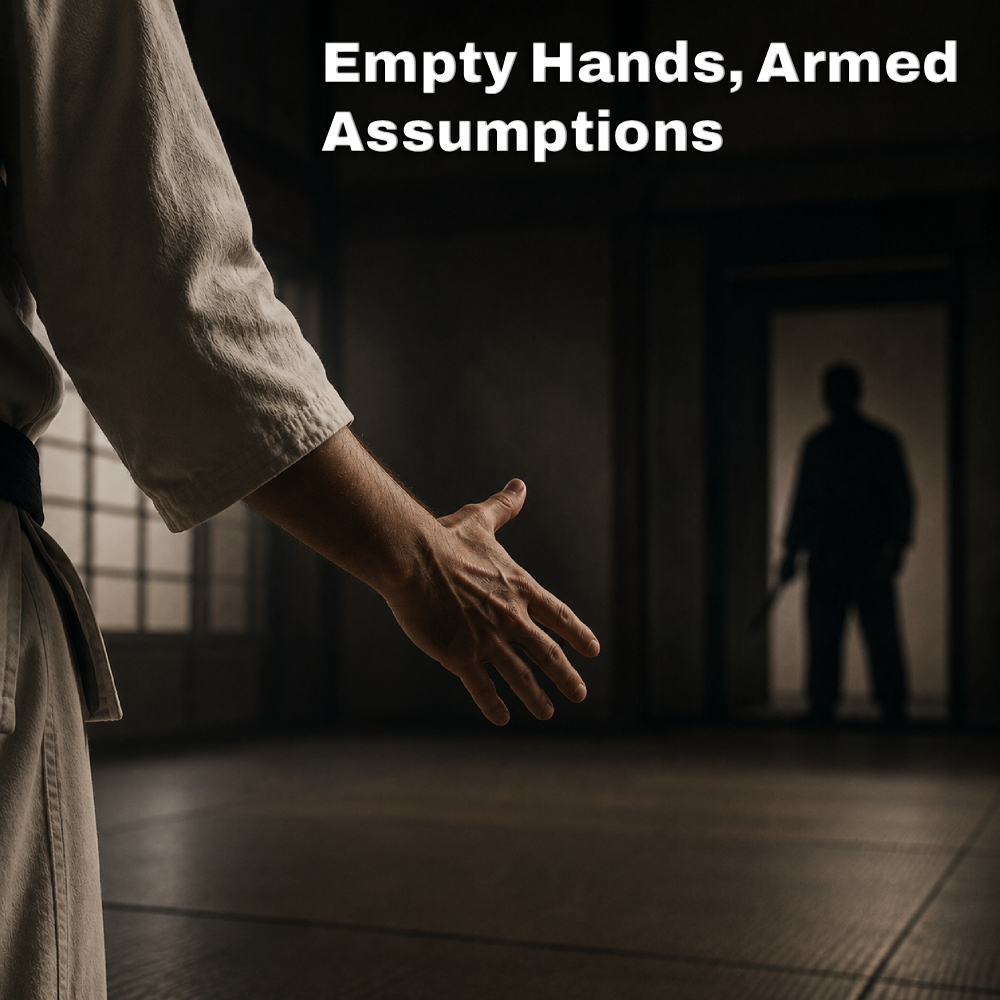
Karate is translated as “empty hand”. Karate-do, the way of the empty hand. Most karateka know, at least in general terms, that the older characters for karate referred to “China hand”, and that the later change to “empty hand” helped reshape the art for a different time, a different audience, and a different cultural setting.

Empty Hands, Armed Assumptions Read More »

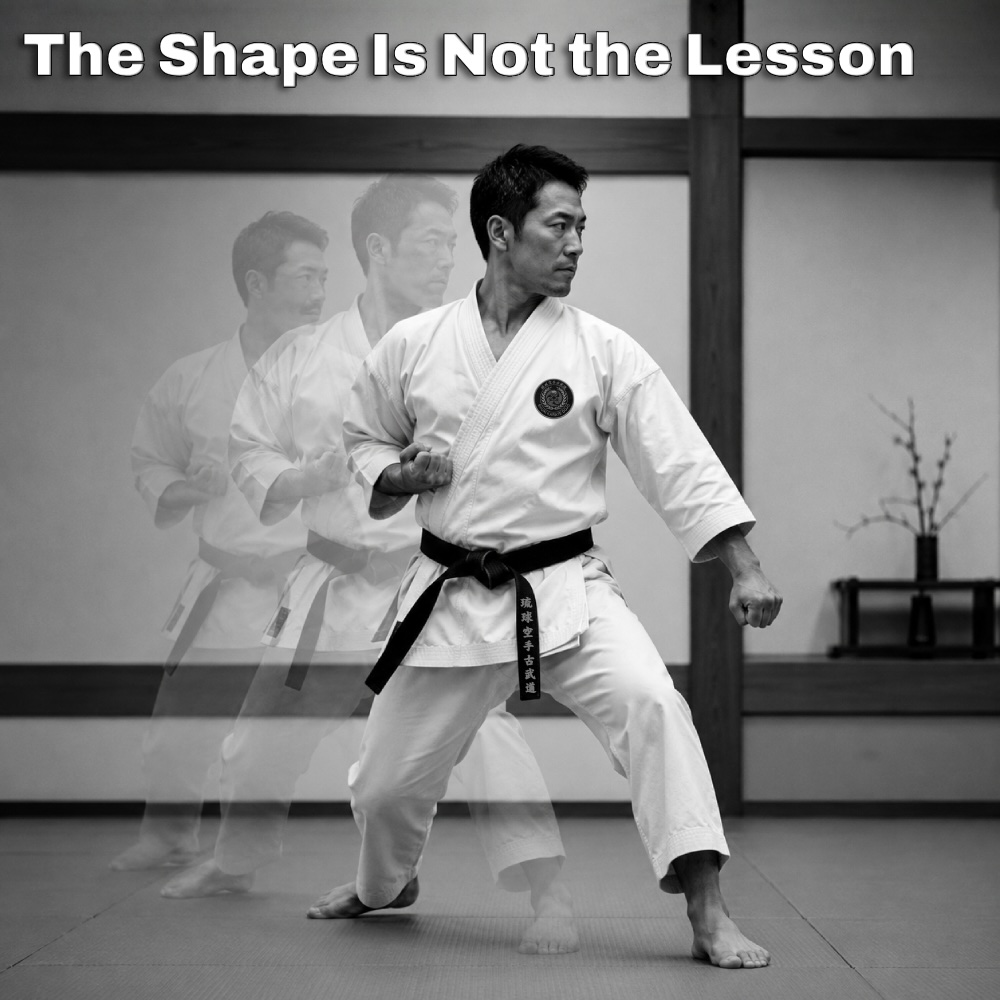
The Shape Is Not the Lesson

Everyone starts the same way in karate. We learn how to punch, kick, “block”, turn, and stand. Before we understand much else, we are shown where to place the feet, how to bend the knees, where the hips should face, and how the body should settle into a position. That beginning has value. Stances give

The Shape Is Not the Lesson Read More »

Waiting for the Attack

Someone once told me that if you do not wait for an attack, or at least attack and defend at the same time, then you have effectively become the attacker. His argument was that we can never truly know the exact method of attack, so we should wait. The exact method? Perhaps not. We may

Waiting for the Attack Read More »

The Family Art Without a Name

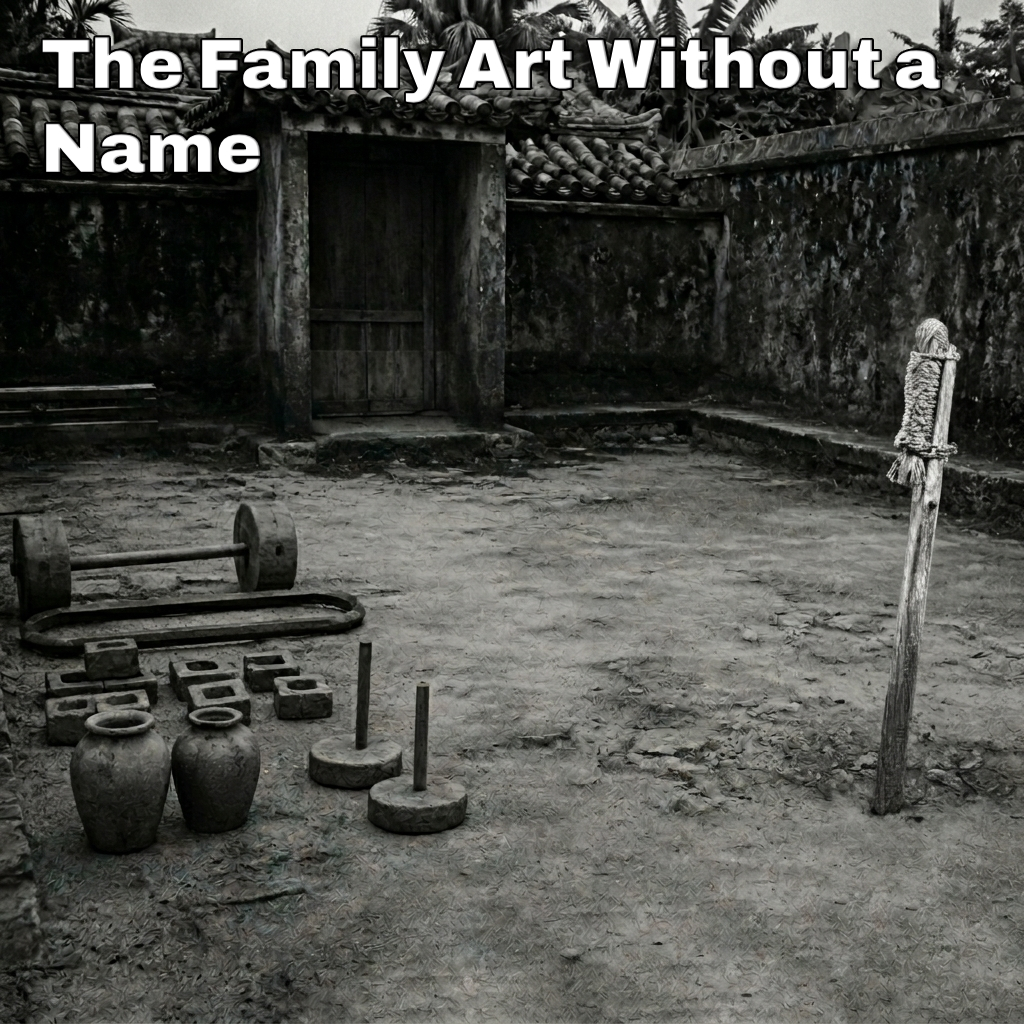
When we look back at Okinawan karate, we tend to remember the names that survived: the teachers who wrote things down, taught openly, or became connected to later recognized systems. We remember the broad labels, Shuri-te, Naha-te, Tomari-te, and later the formal schools that grew from them. But it’s worth asking how much more existed

The Family Art Without a Name Read More »

The Point Where You Want to Stop

There is a point in training where the body starts to argue with the mind. Sometimes it happens during a hard session, when the repetitions are no longer sharp, the breathing is heavier than expected, and the easy answer begins to appear. Sometimes it happens before the session has even begun, when the body feels

The Point Where You Want to Stop Read More »

Why Jump?

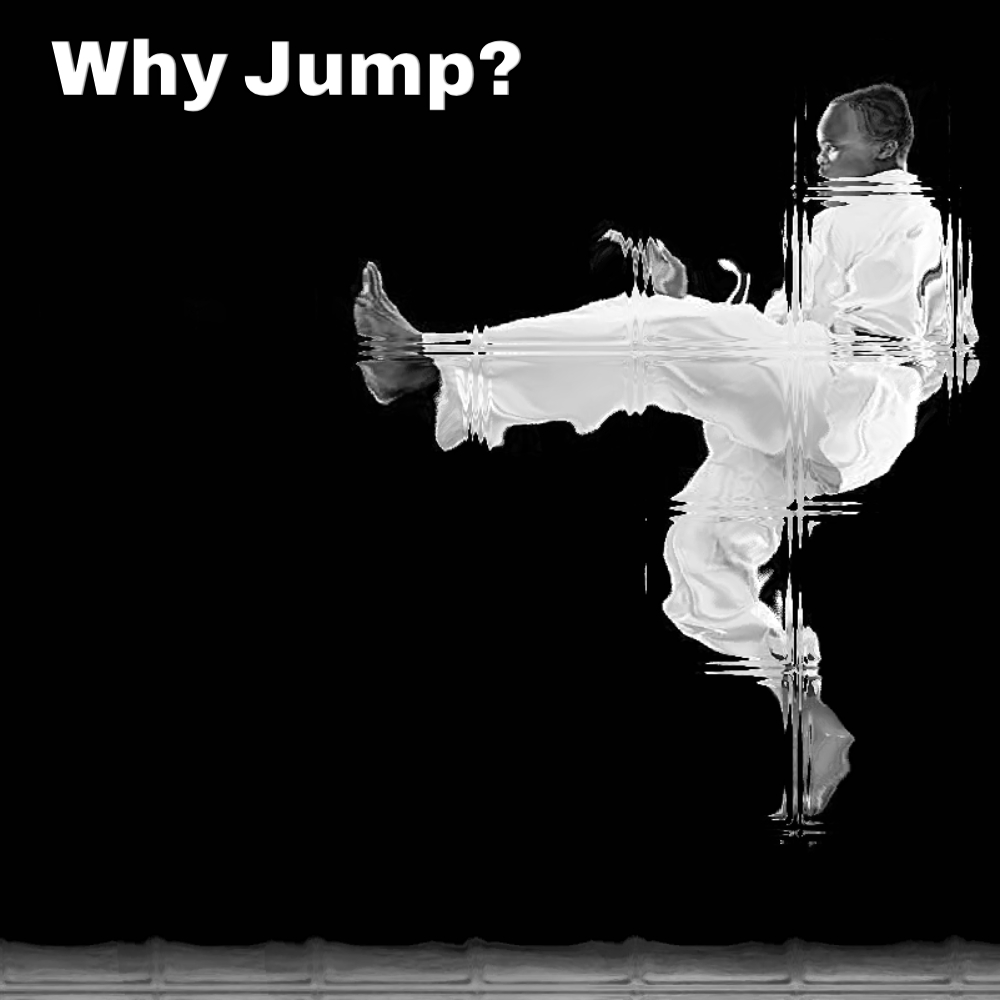
There are several kata where movements are performed as jumping, leaping, or dramatic athletic actions. Suparinpei is one example, with the jumping front kick, or mae tobi geri. I understand why these movements look impressive. A well-performed jumping kick shows timing, coordination, strength, flexibility, and confidence. It can have value as a physical challenge, and it can look

Why Jump? Read More »

Changing My Mind

Many people assume that experience makes your views more settled. My experience has been the opposite. The longer I have trained, the more willing I have become to revisit things I once accepted without question. When I first started in the martial arts, I was like most beginners. I accepted what I was taught because

Changing My Mind Read More »