Self-Protection

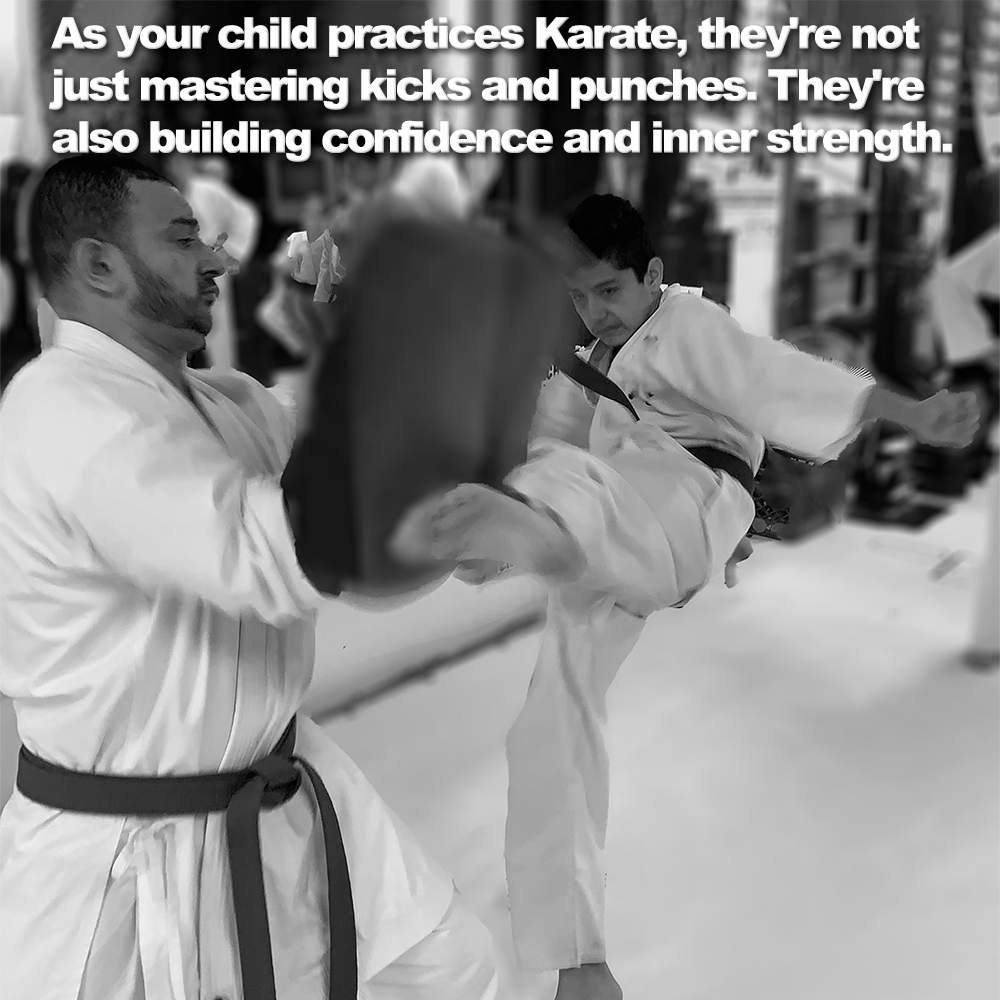
As your child practices Karate, they’re not just mastering kicks and punches. They’re also building confidence and inner strength.

(1 minute 45 second read) Let’s talk about something crucial – if you teach the martial arts, it’s not just about teaching your students how to fight. Fighting isn’t always the answer. Especially if you’re dealing with kids. . Teaching your students how to avoid trouble is extremely important, this is the first line of […]

As your child practices Karate, they’re not just mastering kicks and punches. They’re also building confidence and inner strength. Read More »

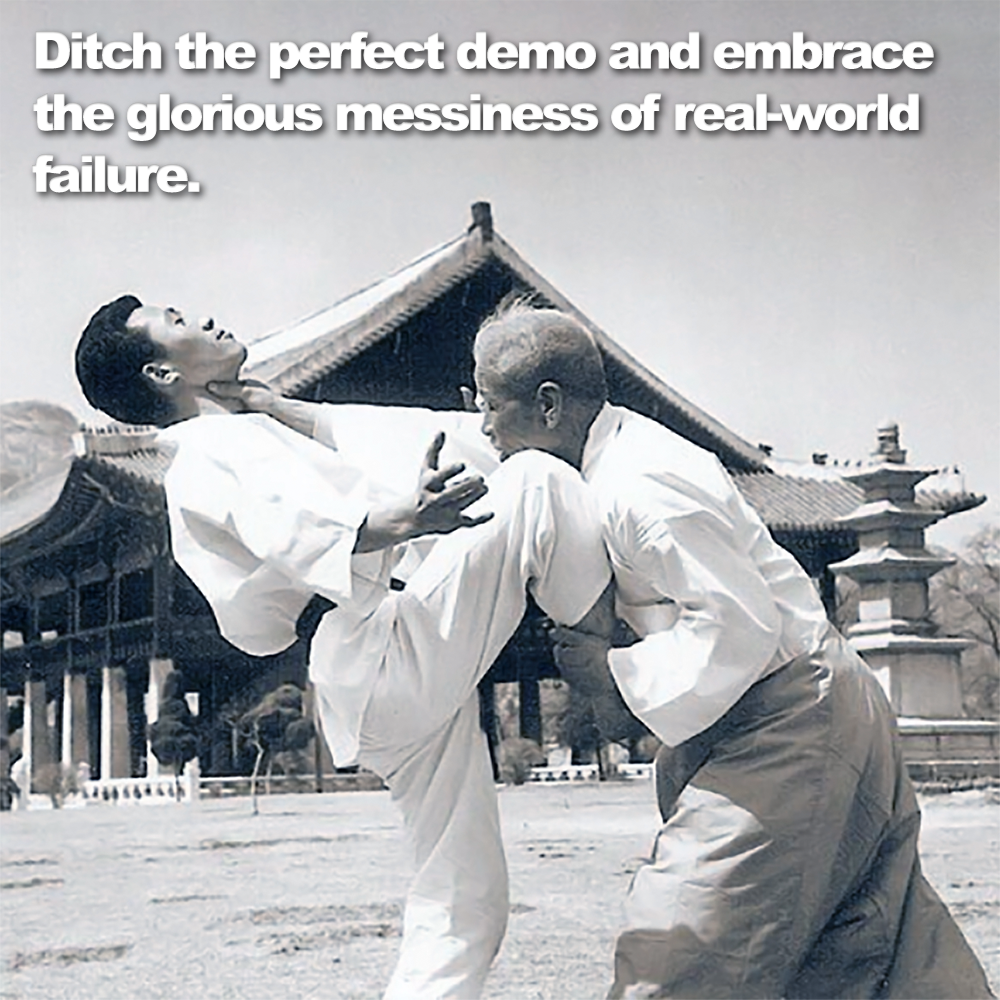
Ditch the perfect demo and embrace the glorious messiness of real-world failure.

(2 minute 13 second read) The martial arts require demonstration to supplement the whole teaching process. I get it. I demonstrate to my students. However, I always incorporate some level of failure into my demonstrations. . Why? Because a real life attack is unpredictable, chaotic, vicious, and brutal. Your techniques will probably not go as

Ditch the perfect demo and embrace the glorious messiness of real-world failure. Read More »

Many dismissive comments I receive state; “Good luck fighting with your kata”.

(2 minute 55 second read) Many dismissive comments I receive state; “Good luck fighting with your kata”. . Kata, often viewed as a choreographed routine, for passing a grade, showing no relation to actual combat. . “The other day I posted a video where I was applying the uppercut technique and a person in his

Many dismissive comments I receive state; “Good luck fighting with your kata”. Read More »

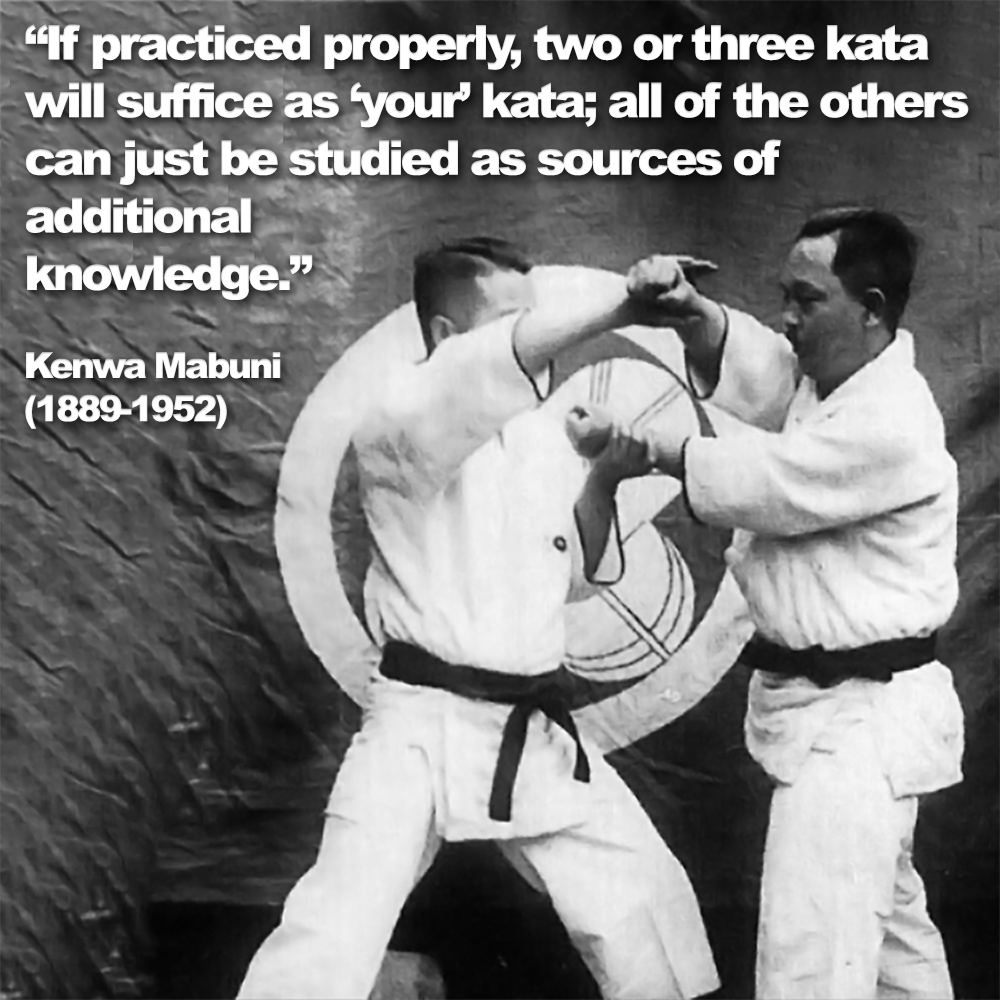
“If practiced properly, two or three kata will suffice as ‘your’ kata; all of the others can just be studied as sources of additional knowledge.”

(2 minute 10 second read) How many kata are enough? . Over the years I have collected probably way too many, and although I have a core that I teach deeply, many of them are probably redundant, or at least very similar to each other. . What I find most interesting about kata is how

“If practiced properly, two or three kata will suffice as ‘your’ kata; all of the others can just be studied as sources of additional knowledge.” Read More »

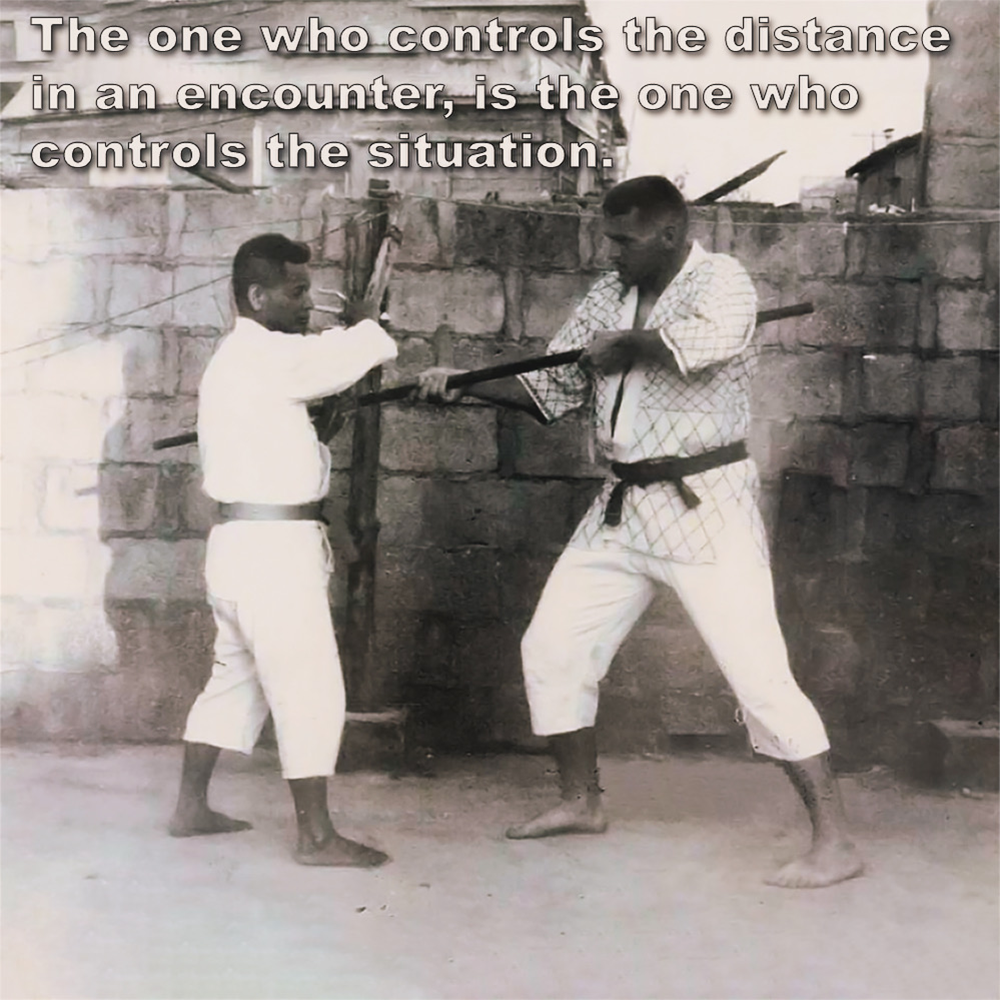
The one who controls the distance in an encounter, is the one who controls the situation.

(1 minute 56 second read) The one who controls the distance in an encounter, is the one who controls the situation. . “Maai” (間合い) is a Japanese term that means “interval” or “space between”. It refers to the optimal engagement distance in combat, encompassing both physical separation, and the timing of the attack and defense

The one who controls the distance in an encounter, is the one who controls the situation. Read More »

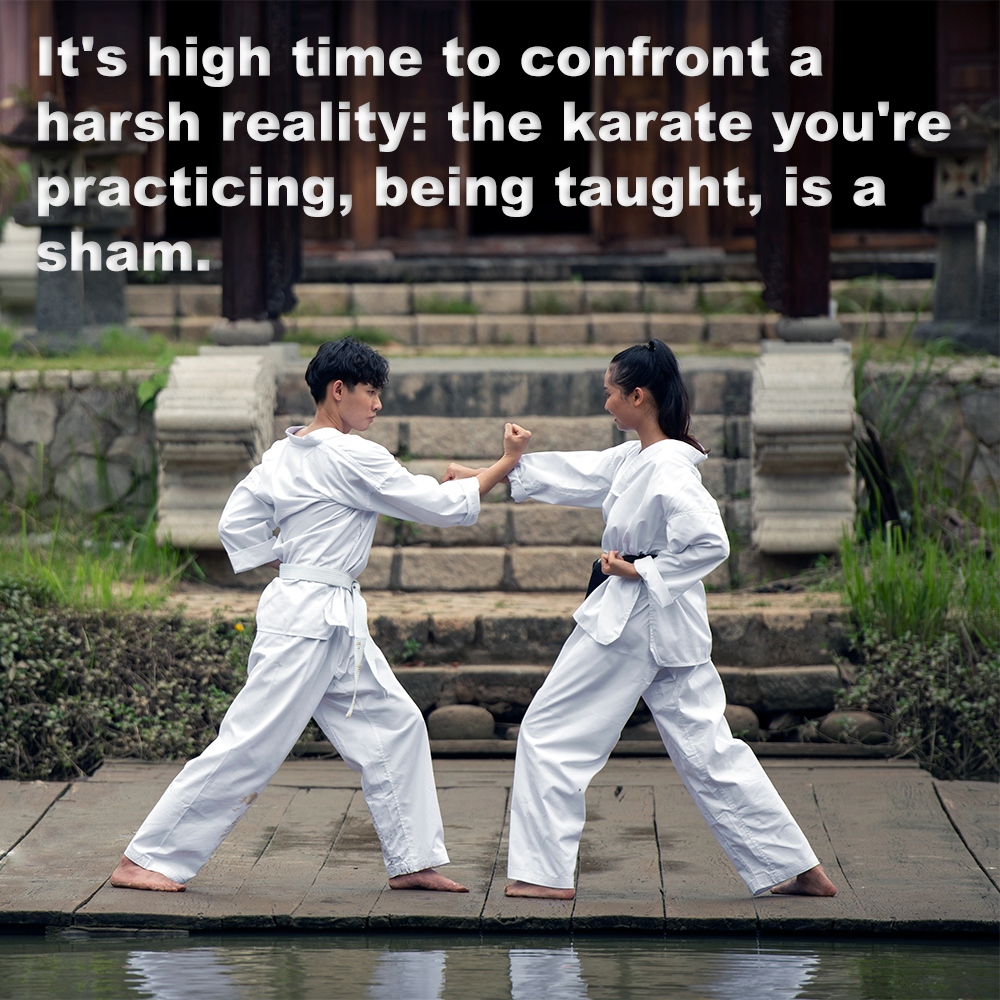
It’s high time to confront a harsh reality: the karate you’re practicing, being taught, is a sham.

(2 minute 14 second read) It’s high time to confront a harsh reality: the karate you’re practicing, being taught, is a sham. It’s utterly ineffective when it comes to actual real-world combat. . The crux of the issue lies in the fact that people are being duped into believing that traditional karate will protect you,

It’s high time to confront a harsh reality: the karate you’re practicing, being taught, is a sham. Read More »

“Everyone thinks Shuto is a technique that uses the hand like a sword or knife. As the definition implies; therefore, the technique becomes deadlocked.”

(2 minute 3 second read) The effectiveness of karate for self-defense hinges on a fundamental principle: simplicity. . In the face of a sudden threat, clear, concise movements hold the key to an effective response, even if that response is simply to escape. . In the face of a sudden threat, you will experience a

“Everyone thinks Shuto is a technique that uses the hand like a sword or knife. As the definition implies; therefore, the technique becomes deadlocked.” Read More »

“It is obvious that kata must be trained and practiced sufficiently, but one must not be ‘stuck’ in them.”

(2 minute 26 second read) For me if you have a true interest in the martial arts, I believe it is important that practitioners have some understanding of the history of your art. . And while studying that history, the claim of practicing an “original” kata, as taught by a specific master, raises a crucial

“It is obvious that kata must be trained and practiced sufficiently, but one must not be ‘stuck’ in them.” Read More »