Bunkai

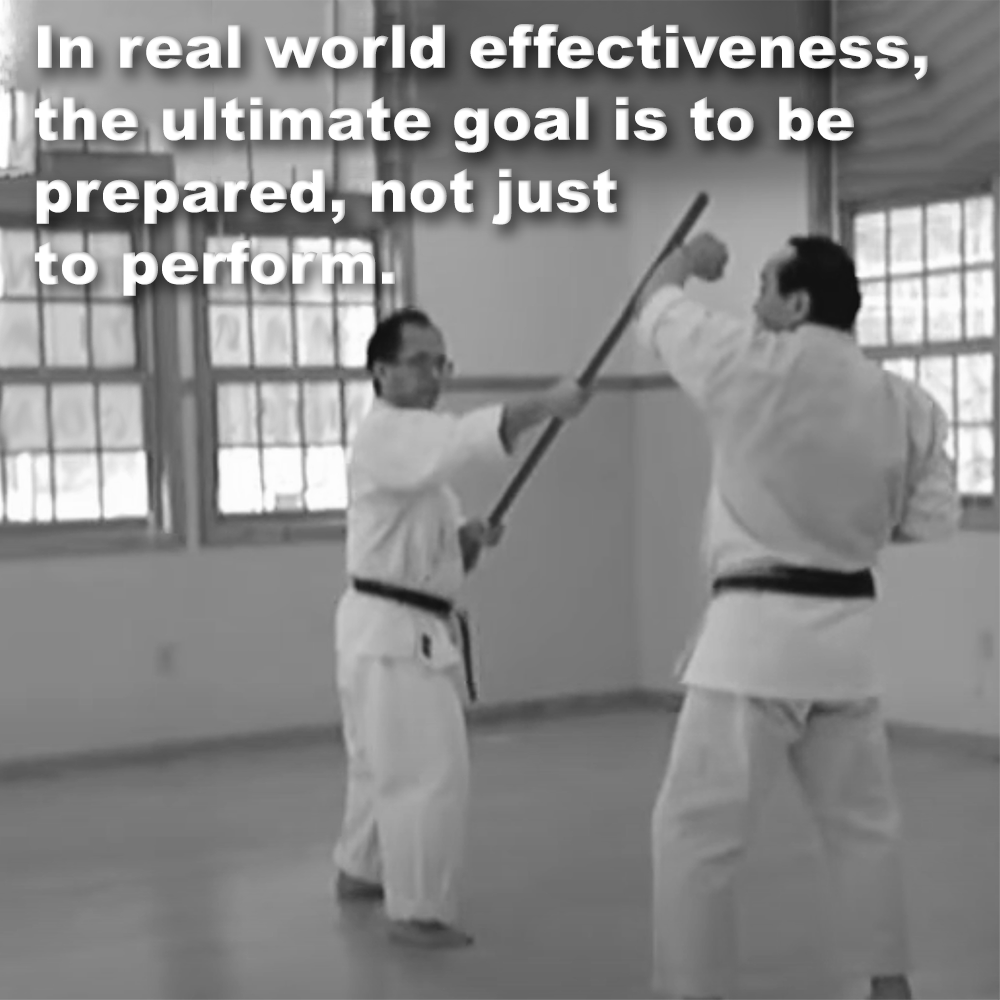
In real world effectiveness, the ultimate goal is to be prepared, not just to perform.

Emotions are powerful, but are they always the best guide in the martial arts? . While passion fuels our training, logic and common sense should offer a crucial perspective for developing functional combat skills. . The journey towards effective martial arts (if this is your goal), involves not just rote repetition, but also genuine understanding. […]

In real world effectiveness, the ultimate goal is to be prepared, not just to perform. Read More »
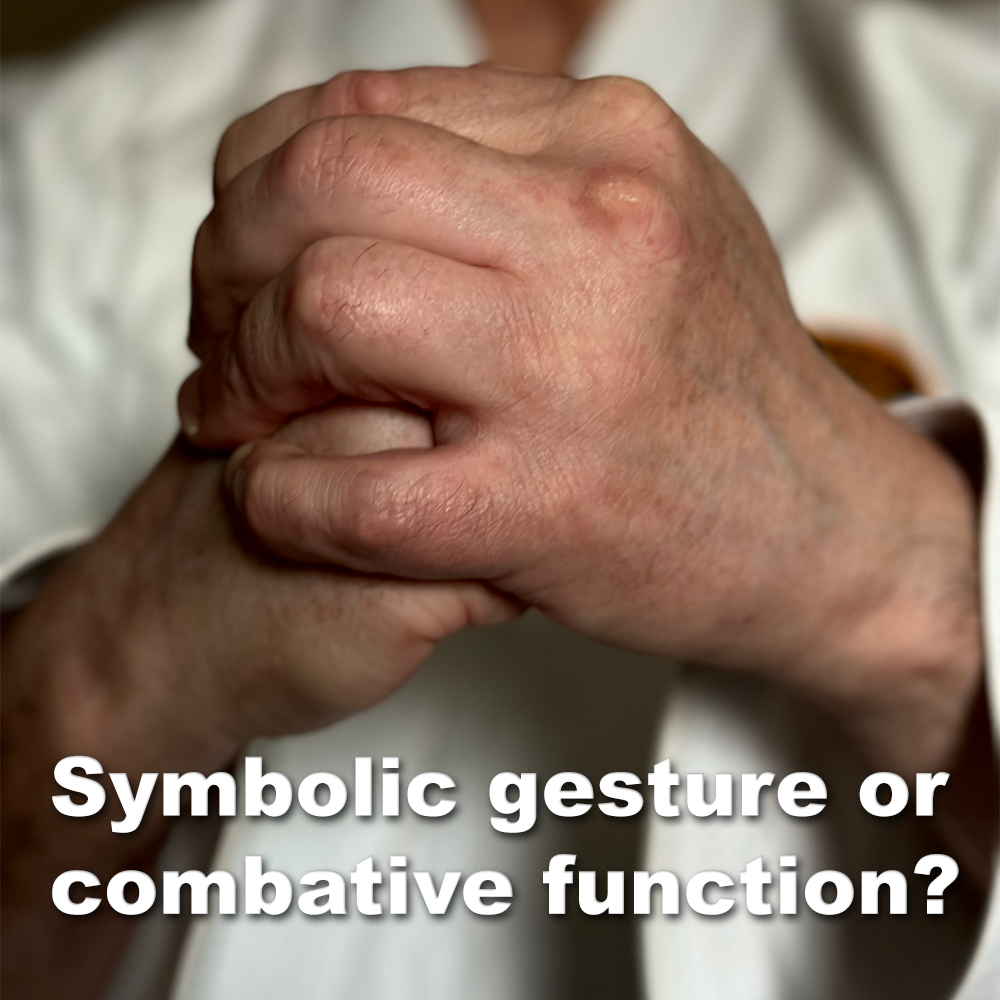
Symbolic gesture or combative function?

The martial arts world can be a tapestry woven with intricate traditions and practices. . One intriguing thread that runs through the practice of kata, specifically, the enigmatic movements often interpreted as “salutations.” . These seemingly ritualistic gestures have some practitioners attributing them to hidden meanings and even ancient Chinese symbolism. . However, perhaps a

Symbolic gesture or combative function? Read More »

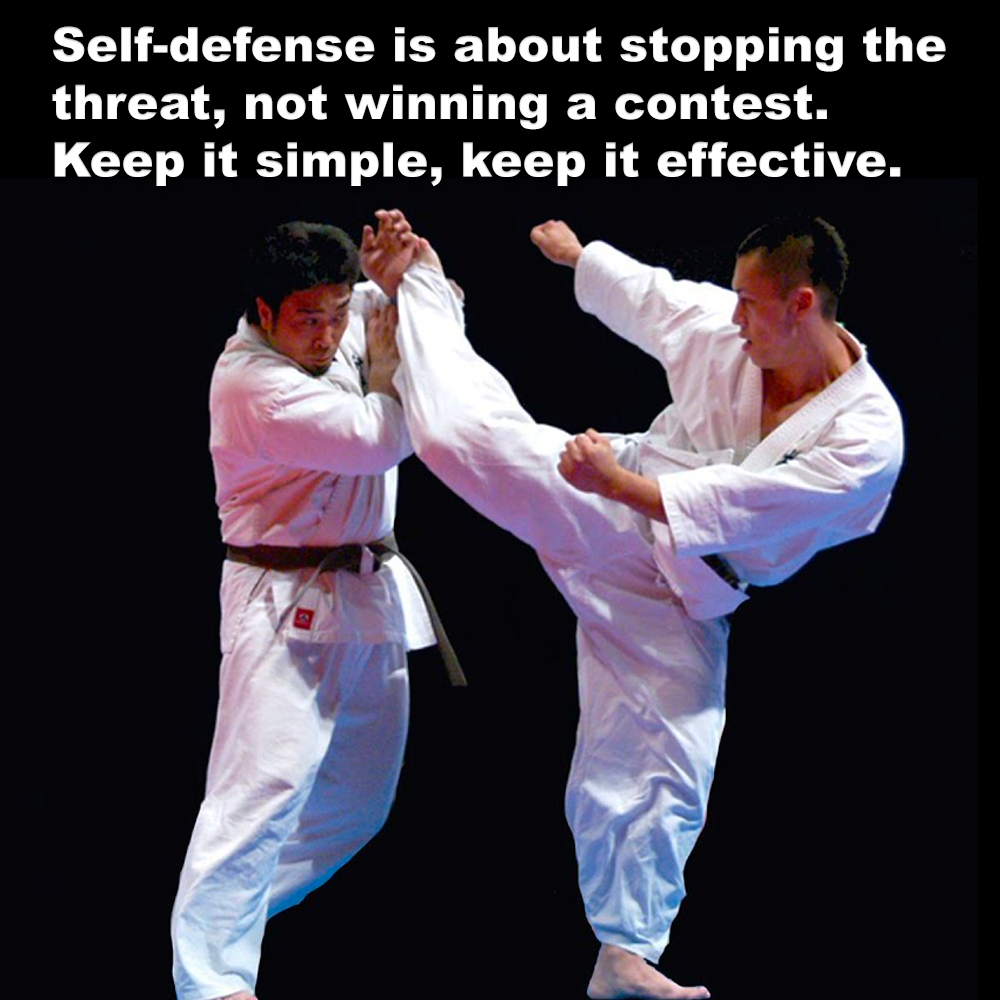
Self-defense is about stopping the threat, not winning a contest. Keep it simple, keep it effective.

In my younger days, high kicks were a speciality of mine. I was very flexible, often using different high kicks to success in the dojo and in competition. And if you had told me high kicks didn’t work for self-defense, I would have strongly disagreed with you. I know several karate-ka who worked on the

Self-defense is about stopping the threat, not winning a contest. Keep it simple, keep it effective. Read More »

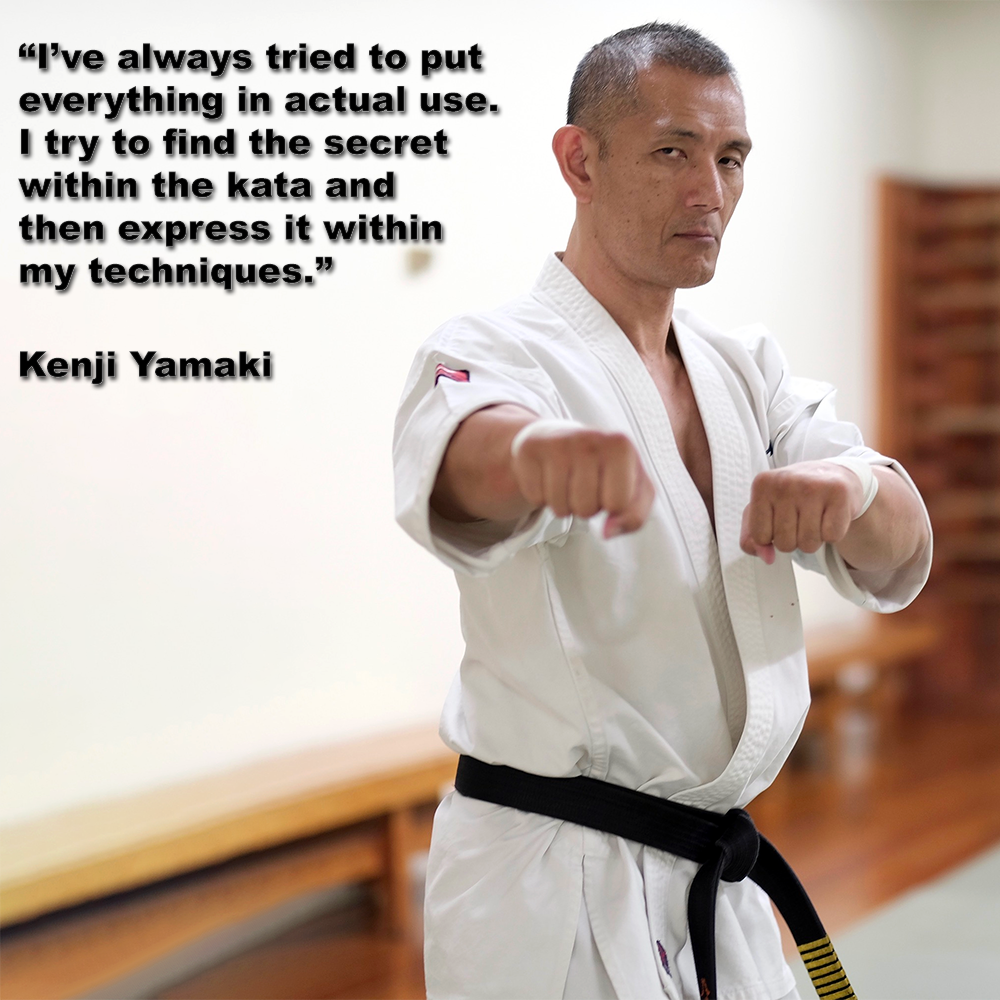
“I’ve always tried to put everything in actual use. I try to find the secret within the kata and then express it within my techniques.”

“Every day, there is a new discovery. Rather than merely hitting this way or hitting that way, i’m interested now in trying to evolve the foundations of my practice.” – Kenji Yamaki . You can learn all the technical skills you want, all the theories and concepts down to the core. But what’s the point

“I’ve always tried to put everything in actual use. I try to find the secret within the kata and then express it within my techniques.” Read More »

How many kata is “enough”?

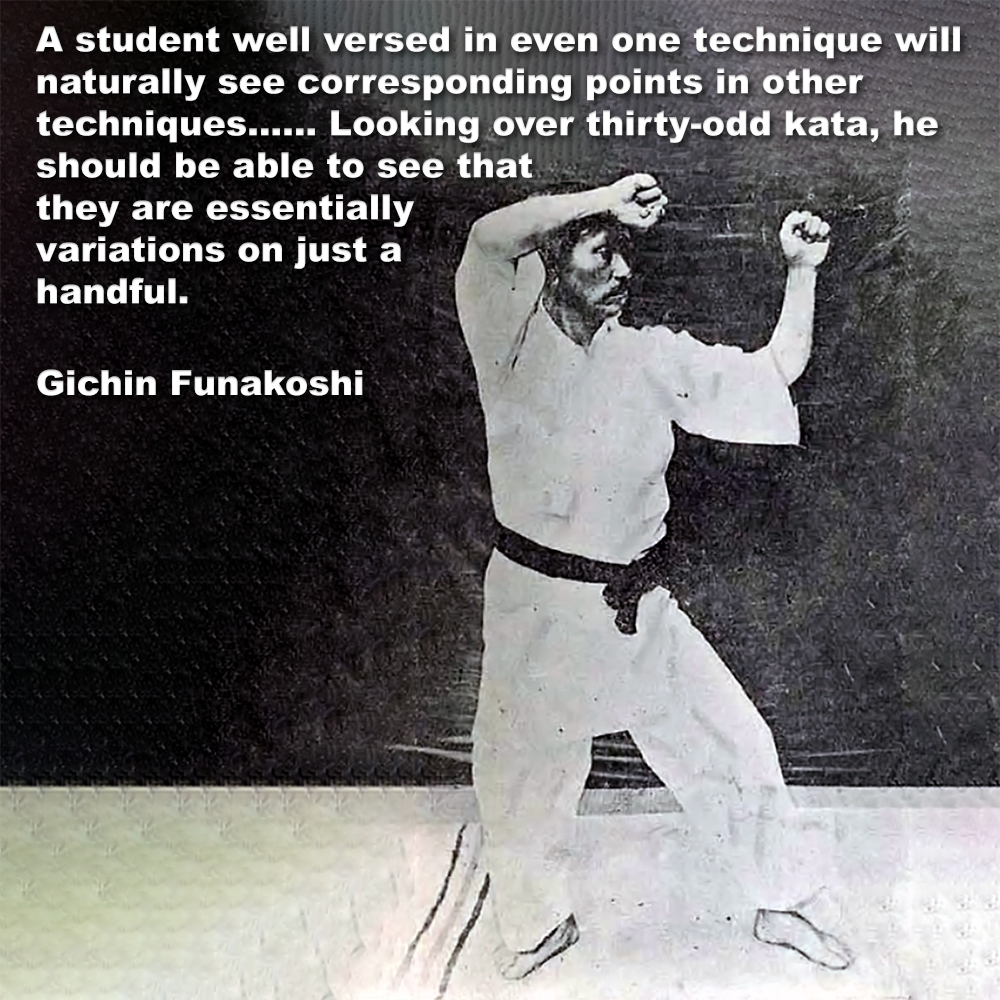
How many kata is “enough”? . Of course this is very subjective. What are your goals in training? What are your goals in teaching? How many are contained in your syllabus? Etc. etc. . If you want your students to quickly learn self-defense skills, then a smaller amount is obviously going to be more efficient,

How many kata is “enough”? Read More »

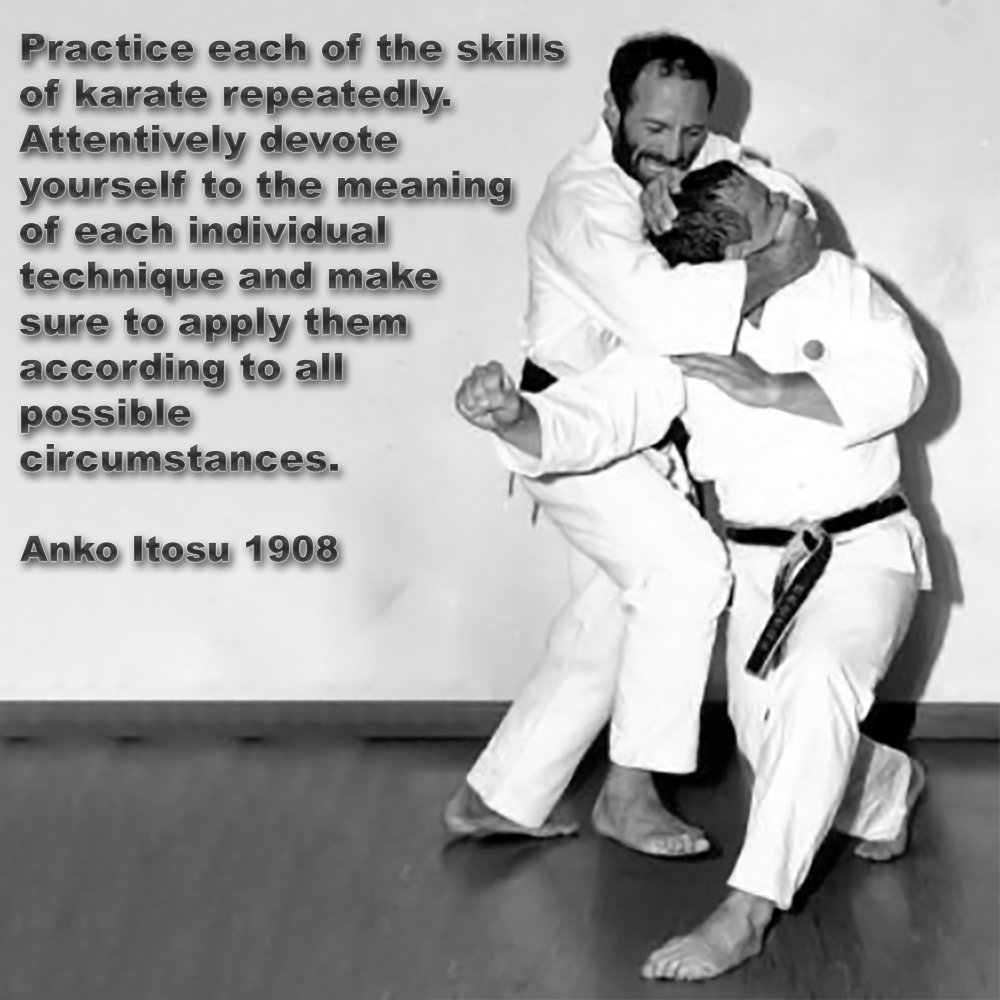
Practice each of the skills of karate repeatedly. Attentively devote yourself to the meaning of each individual technique.

A comment on one of my articles stated that; ”kata and bunkai are useless”, accusing me of not understanding their non-self-defense design, including a “bullshido” label. . You know what? If you think the movements within kata are ineffective, then for you, that’s true. It just shows a complete lack of understanding. . “Why practice

Practice each of the skills of karate repeatedly. Attentively devote yourself to the meaning of each individual technique. Read More »

The essence of learning lies in the understanding that the moment you are shown to be wrong, a profound opportunity for growth and knowledge progression is unveiled.

Practice intensity is the will, commitment, and enthusiasm to practice with a purpose. Most instructors consider it an important characteristic for any student. . One of the primary reasons people pursue martial arts is to acquire self-defense skills. And making a habit of questioning your training ensures that you can continuously refine and internalize these

The essence of learning lies in the understanding that the moment you are shown to be wrong, a profound opportunity for growth and knowledge progression is unveiled. Read More »

In a real life situation, most of the time, you have only one chance. One try is all you get to defend yourself or your loved ones.

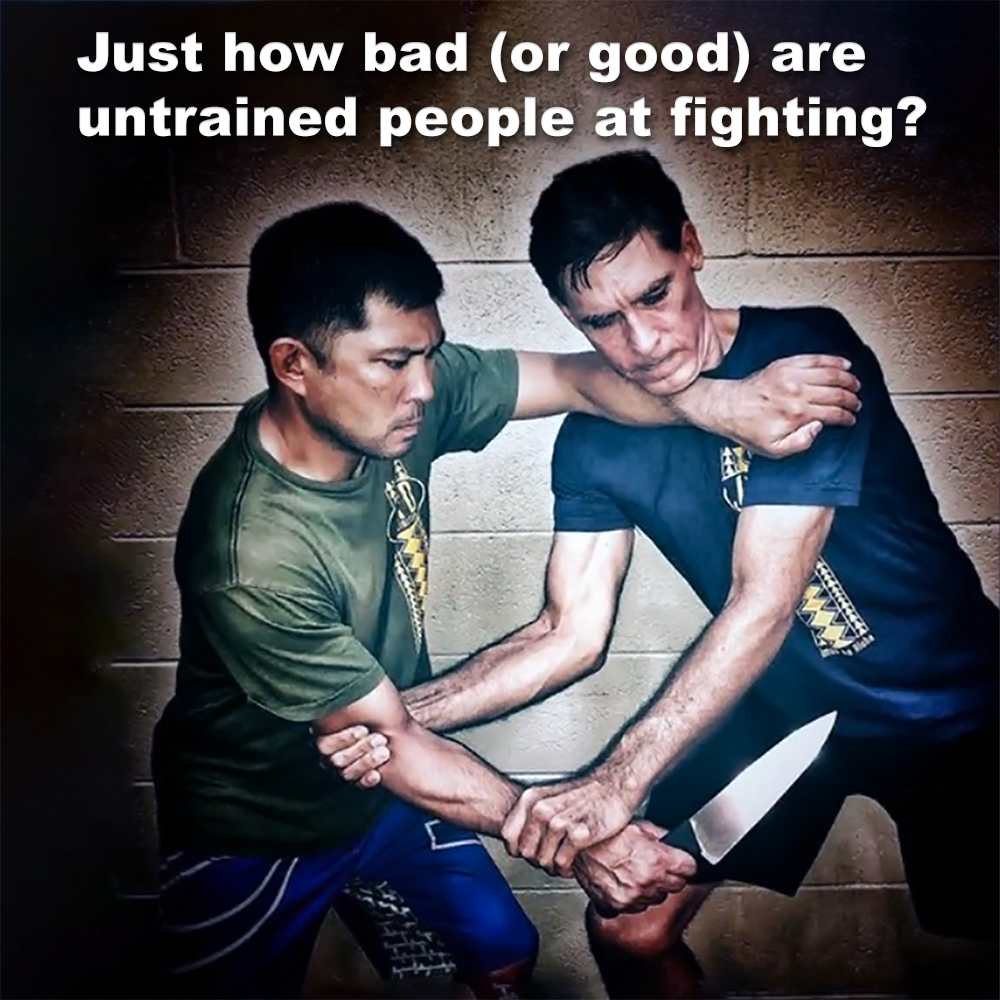
What constitutes as personal protection today falls outside the scope of most martial arts classes. Irrespective of whether you think your martial art is perfect for the “street” (whatever that means) or not. Most martial arts only deal with the fighting aspect of personal protection. . In most cases, the student is actually only learning

In a real life situation, most of the time, you have only one chance. One try is all you get to defend yourself or your loved ones. Read More »

“Attentively devote yourself to the meaning of each individual technique and make sure to apply them according to all possible circumstances.”

Renowned karate master Itosu Anko once wrote; “Attentively devote yourself to the meaning of each individual technique and make sure to apply them according to all possible circumstances.” . It’s very important that practitioners discover and understand underlying karate principles. Many movements have more than one function or expression. Although some motions do only have

“Attentively devote yourself to the meaning of each individual technique and make sure to apply them according to all possible circumstances.” Read More »

“If you find yourself in a fair fight, your tactics suck.”

Sport karate, offers numerous benefits, physical fitness, aesthetics, discipline, and sportsmanship. However, it is important to recognize that sport karate is not the ideal choice for individuals seeking practical self-defense skills. . Now before the comments start, in the 1970’s and ’80’s, sport karate was my main interest, I’m just trying to help some practitioners

“If you find yourself in a fair fight, your tactics suck.” Read More »