Martial Arts

Becoming better and stronger at your martial arts, doesn’t start in the dojo. It starts in your head.

The beginning of a New Year and everyone wants to start out the year strong, but it’s finishing strong that’s also important. Many resolutions and goals are never reached because people get caught up in what’s happening in their lives, and because they haven’t developed the mental strength to keep themselves going when the momentum

Becoming better and stronger at your martial arts, doesn’t start in the dojo. It starts in your head. Read More »

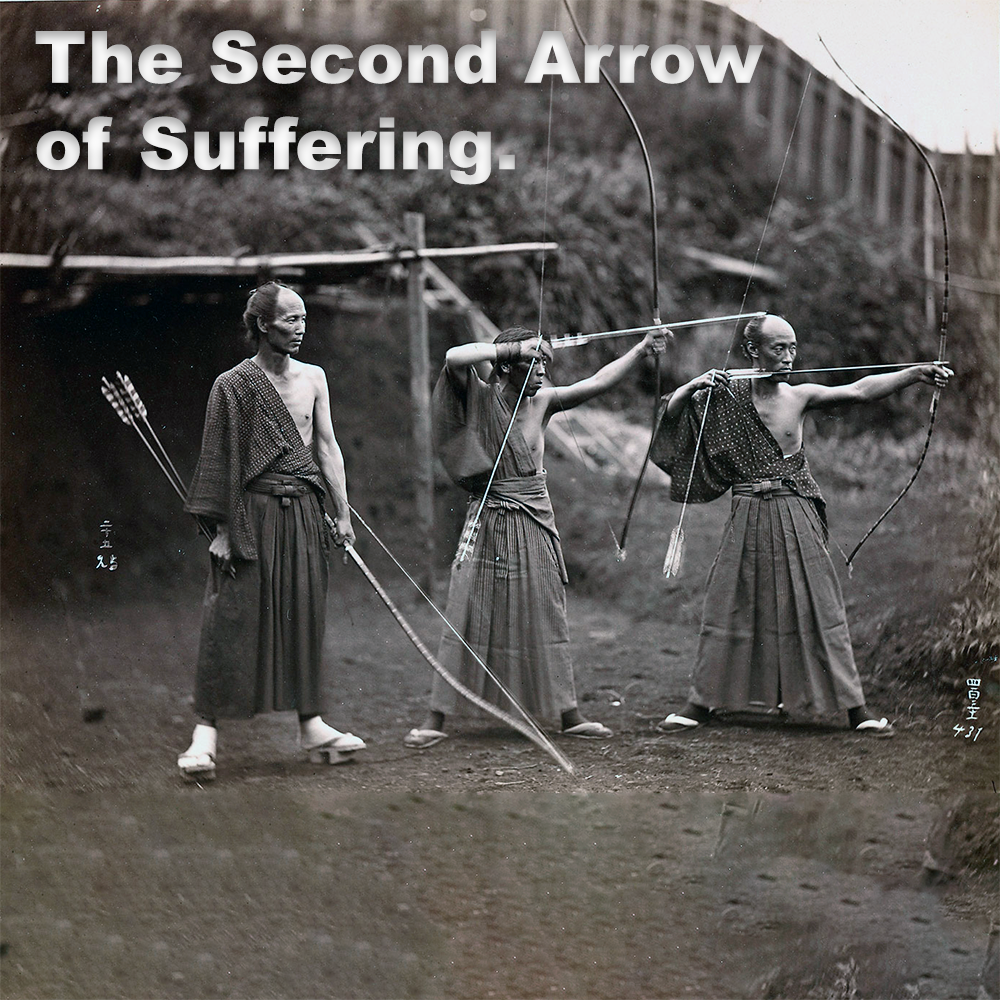
The Second Arrow of Suffering.

We all have had something upsetting or disappointing happen, it’s life after all, and sometimes we get frustrated at ourselves or others. We wish things could be different. . Our interpretation of events plays a large role in how we experience them. We get ill, have accidents and get emotionally wounded for numerous reasons, and

The Second Arrow of Suffering. Read More »

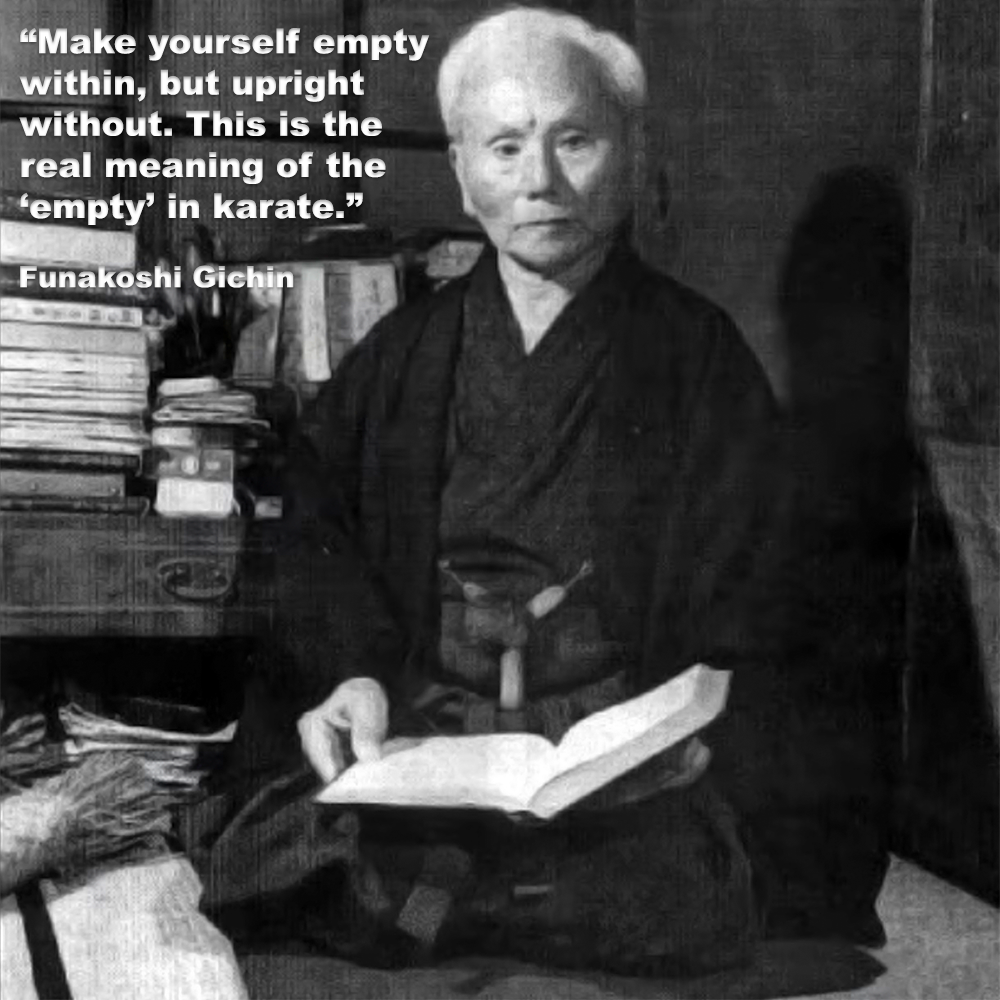
“Make yourself empty within, but upright without. This is the real meaning of the ‘empty’ in karate.”

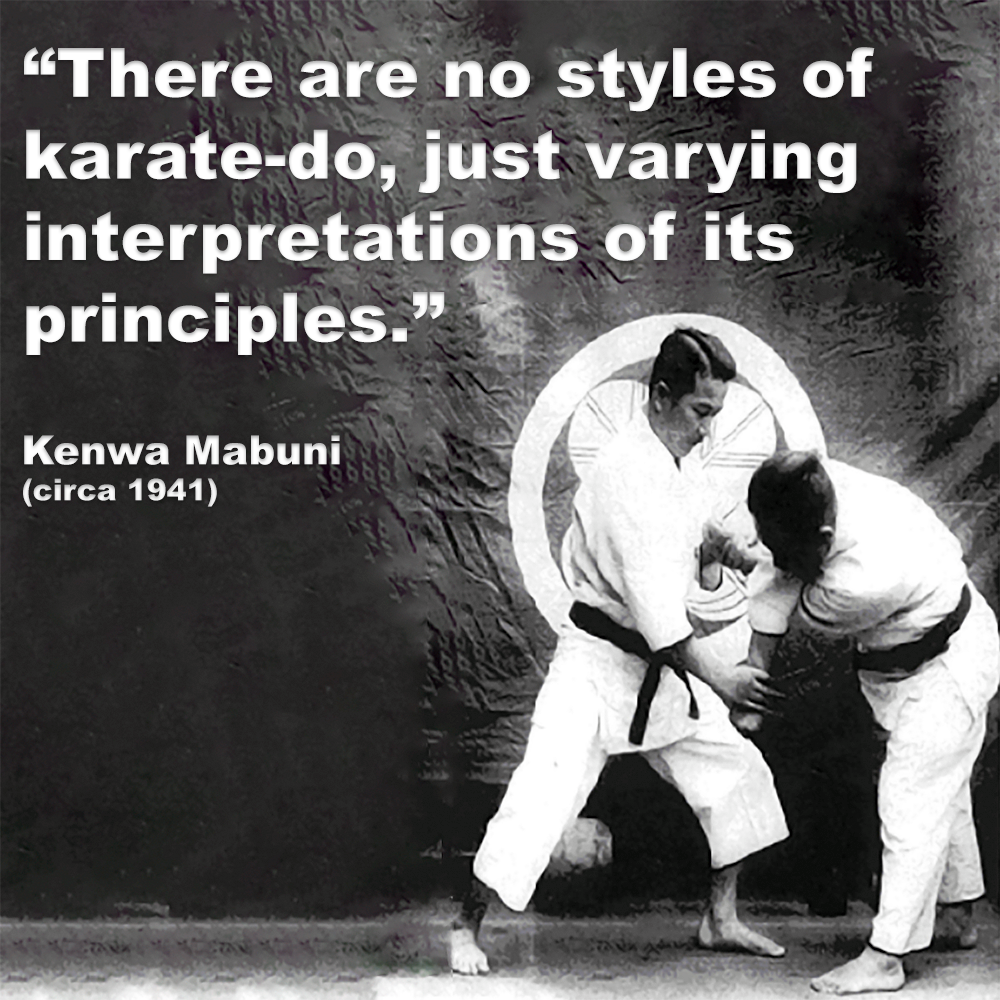
From Okinawa, karate in its original form did not have an official philosophy. Originally simply referred to as “Te”, it was simply a broad collection of principles and techniques taught and practiced by different masters. Each master likely had his own philosophies and taught his students in his own way. The only uniting characteristic of

“Make yourself empty within, but upright without. This is the real meaning of the ‘empty’ in karate.” Read More »

Discover the “meaning” in what you do. Then give it everything you’ve got. Do your BEST.

What does “do your best” really mean? How can you do your best? Why would you not want to do your best, in anything? . I receive so many comments from people on my articles that basically comes down to saying; “so what!”, in deference to learning something new or different. . In my mind

Discover the “meaning” in what you do. Then give it everything you’ve got. Do your BEST. Read More »

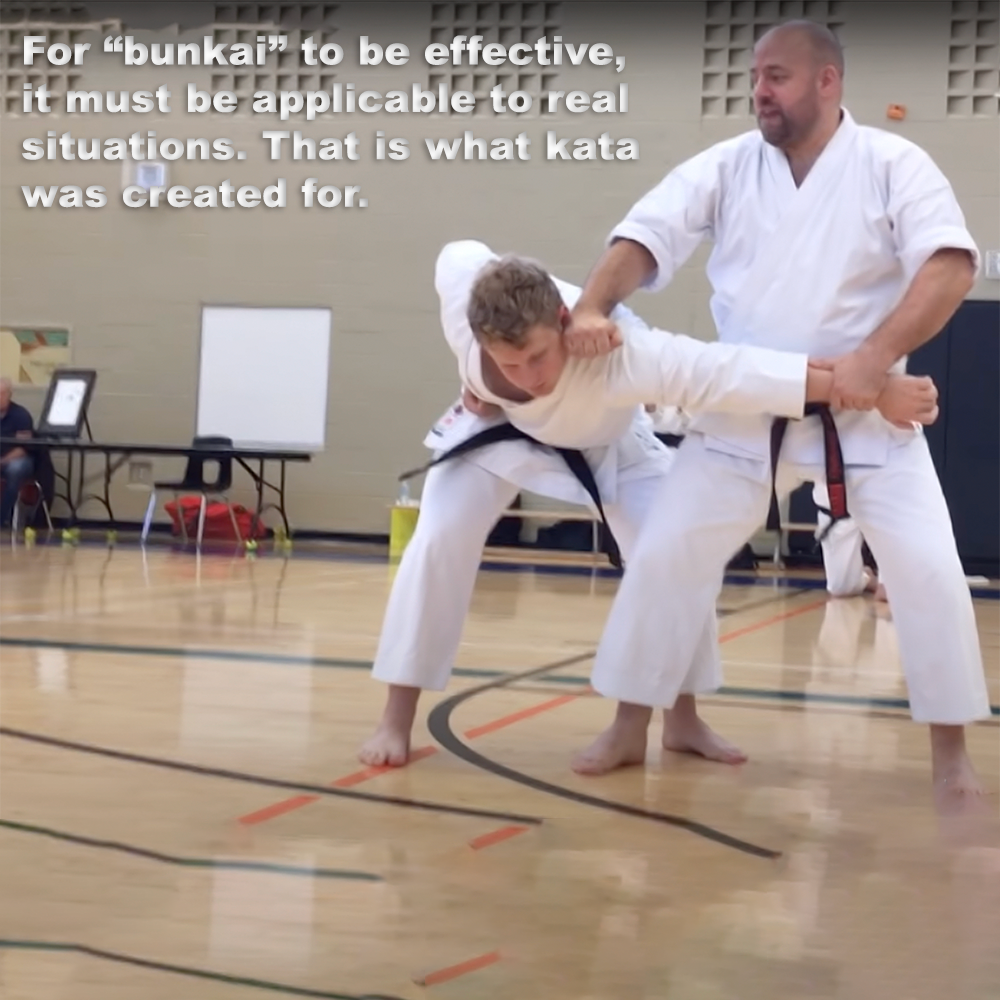
For “bunkai” to be effective, it must be applicable to real situations. That is what kata was created for.

Think of the massive advantage you’d have if you knew what your opponent was going to do before it happened. You’d be able to react instantaneously. . A person’s unconscious and instant reaction to a stimulus is known as a reflex. Touching a hot stove forces the individual to instantly withdraw their hand. The person

For “bunkai” to be effective, it must be applicable to real situations. That is what kata was created for. Read More »

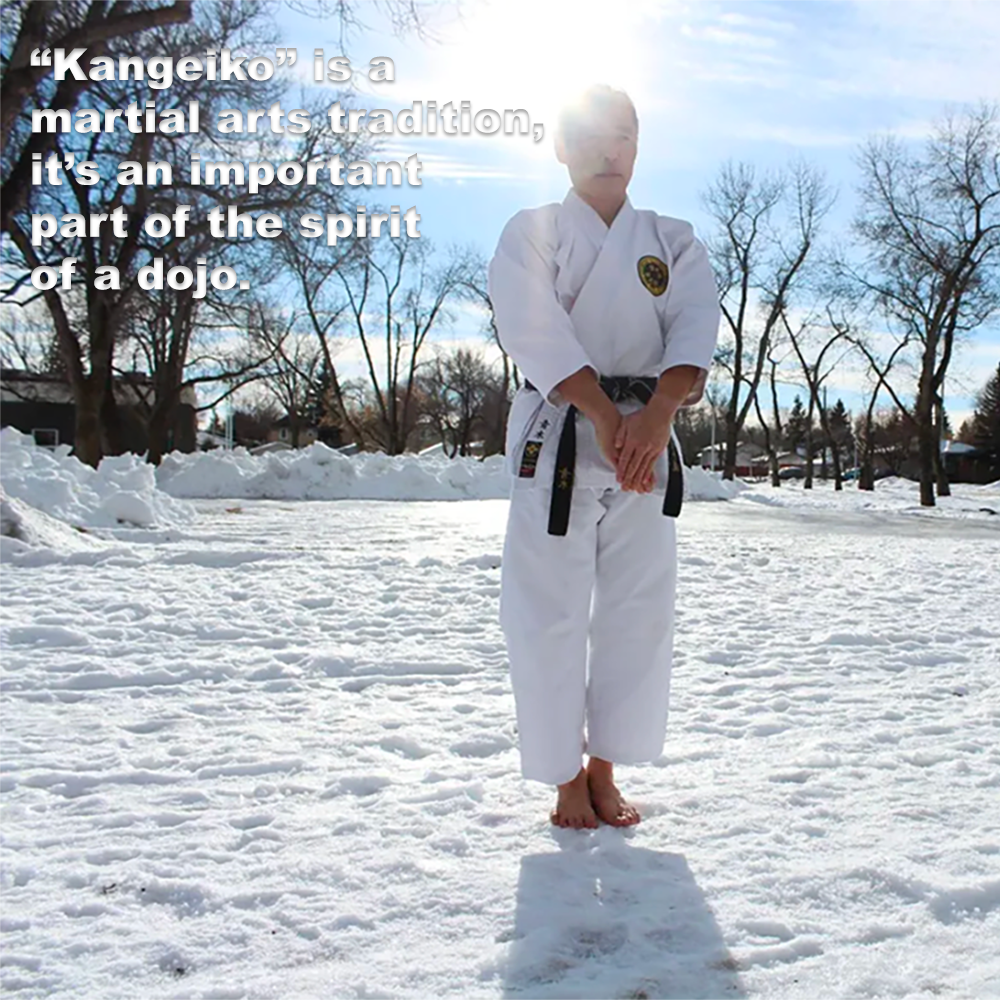
“Kangeiko” is a martial arts tradition, it’s an important part of the spirit of a dojo.

As the temperatures plummet again this time of year our thoughts turn to “Kangeiko” (寒稽古). The purpose of kangeiko is to begin the new year with a personal challenge, renew the spirit and set a tone of excellence for the entire year. . Kangeiko (literally ‘cold training’ or ‘winter training’) is a common practice of

“Kangeiko” is a martial arts tradition, it’s an important part of the spirit of a dojo. Read More »

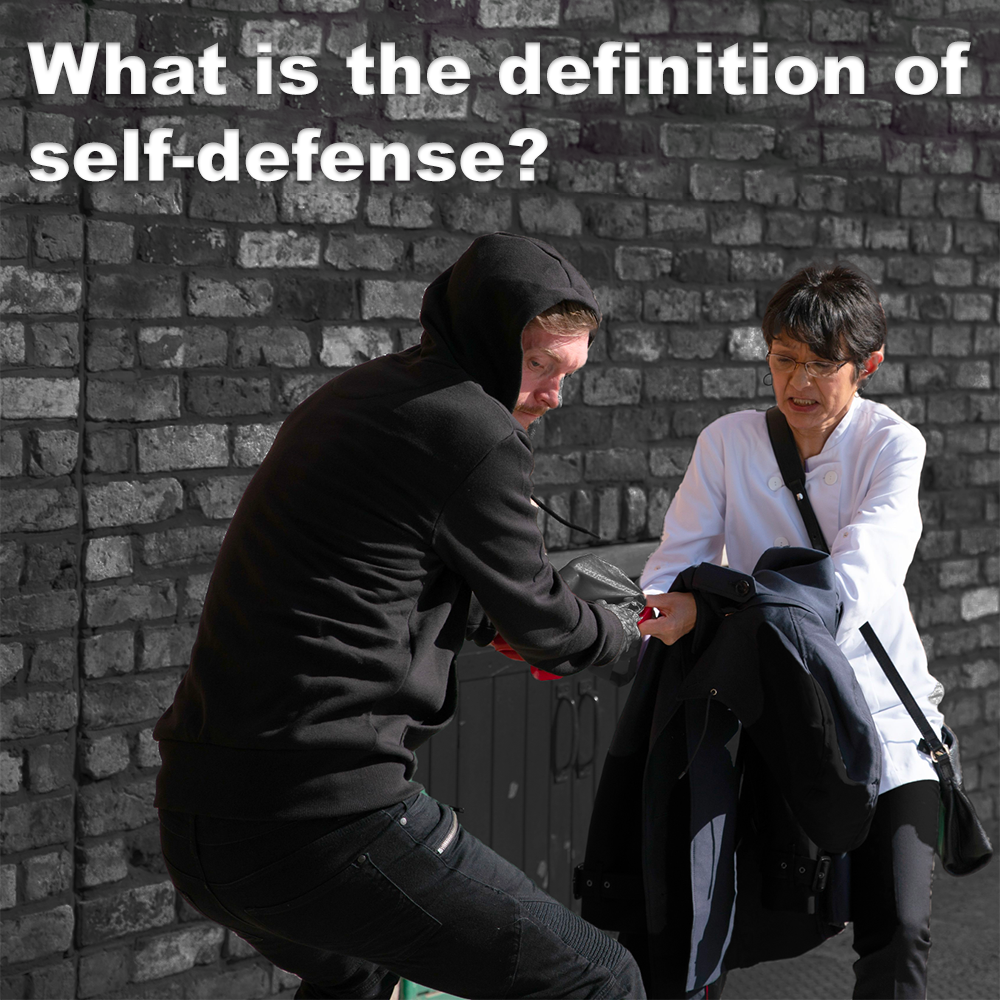
Have you only been taught to fight? If your goal is competition, then you train differently than for self-defense.

It’s incredibly interesting to me how rules determine the efficacy of certain styles of fighting, we can also see rulesets for competition change a martial art entirely. Its one of the reasons why its actually difficult to determine which style of martial art is objectively better (people constantly argue their system is the best). .

Have you only been taught to fight? If your goal is competition, then you train differently than for self-defense. Read More »

In the 60’s and 70’s, there was a “atmosphere” to a traditional dojo.

In the 60’s and 70’s martial arts were a cult. If you missed a session everyone would want to know where you were. Training practices were harsh and very dangerous and injuries commonplace. . Everyone attended every seminar and every tournament. Barefoot runs to warm up, barefoot running in the snow during winter just wearing

In the 60’s and 70’s, there was a “atmosphere” to a traditional dojo. Read More »