Martial Arts

Brown belt or black belt. Reaching milestones can spark a new question: is the climb worth the view?

(1 minute 55 second read) It’s a familiar sight in any karate dojo: students you see today might be gone tomorrow. Life throws curveballs, and sometimes karate falls off the priority list. . There are so many adults that regret quitting the martial arts when they are young. I can almost guarantee that anyone who

Brown belt or black belt. Reaching milestones can spark a new question: is the climb worth the view? Read More »

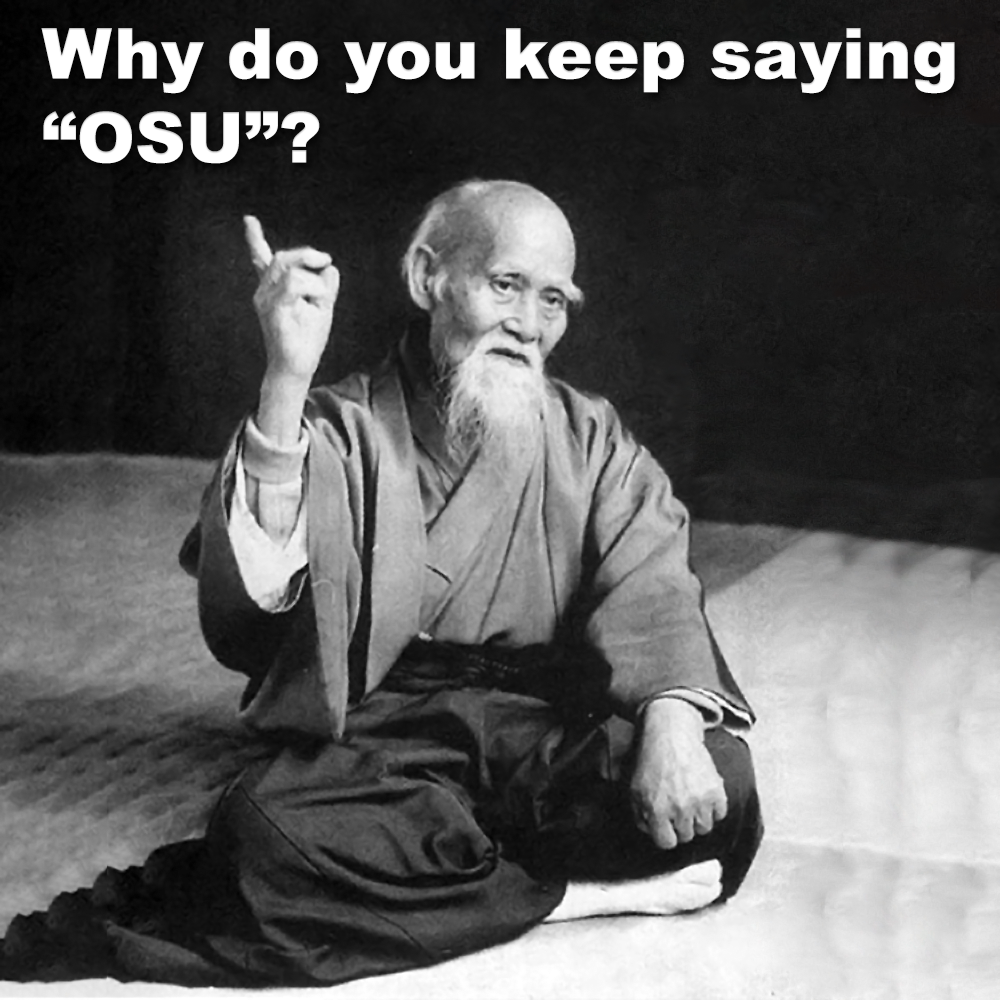
Why do you keep saying “OSU”?

(2 minute 10 second read) Communication can sometimes be ambiguous, especially on social media or in messages, when it involves terms or phrases that have different meanings or cultural connotations depending on the context. . The energetic ‘Osu’ is a familiar sound in karate circles. In many instances it’s meant to convey perseverance, respect, and

Why do you keep saying “OSU”? Read More »

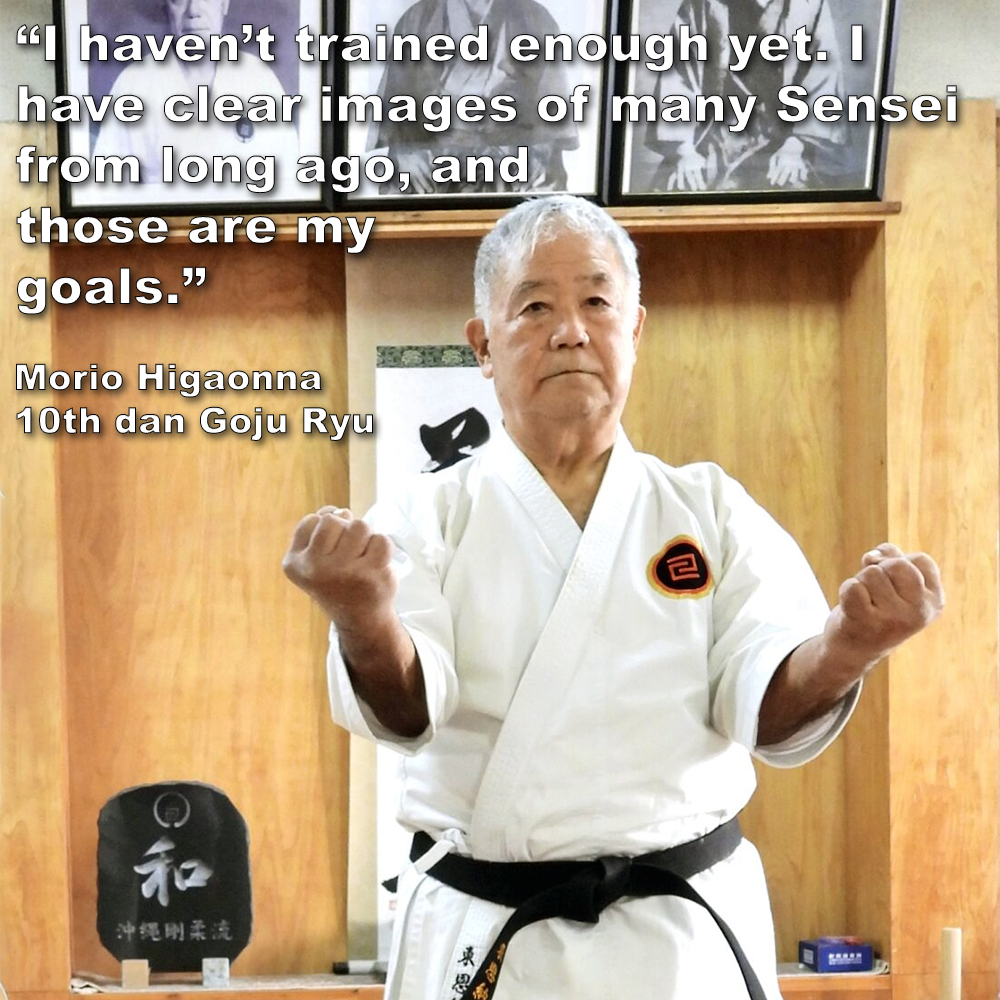
“I haven’t trained enough yet. I have clear images of many Sensei from long ago, and those are my goals.”

(2 minute 17 second read) We shouldn’t just do martial arts; we should contemplate them deeply. Keiko (稽古) often translated as “practice”, has two kanji, the first Kei (稽) meaning ‘to think or to consider’. The second, ko (古) means ‘old’. . When we perform keiko, we are refining and considering the things that came

“I haven’t trained enough yet. I have clear images of many Sensei from long ago, and those are my goals.” Read More »

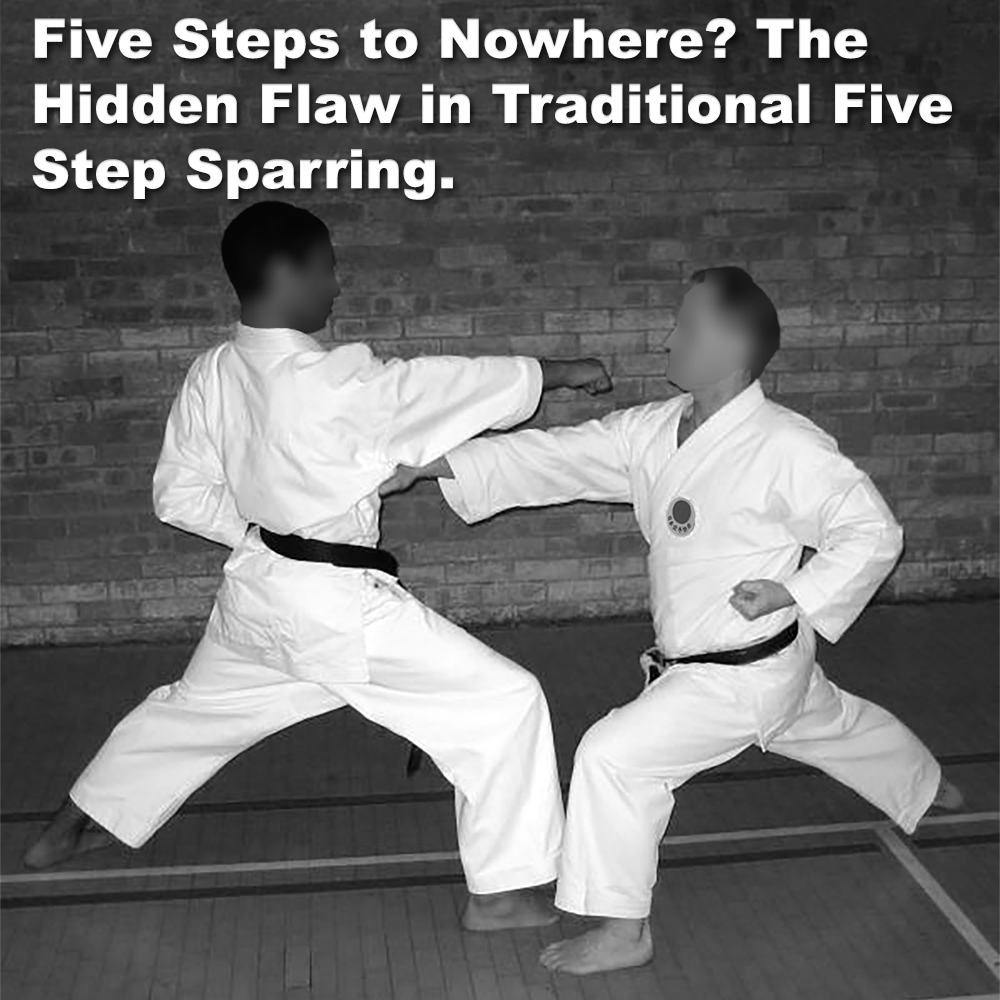
Five Steps to Nowhere? The Hidden Flaw in Traditional Five Step Sparring.

(2 minute 26 second read) Punch, block, punch, block; moving backwards and forwards – prearranged step-sparring. . Learning the basics to become proficient requires repetition, over and over again. However, it’s crucial that basics are realistic, wouldn’t you agree? . The movements contained within karate were never meant to receive an attack from another martial

Five Steps to Nowhere? The Hidden Flaw in Traditional Five Step Sparring. Read More »

“Before I pass my technique on to the student, first I have to understand what’s happening.”

(2 minute read) The comments on my articles often inspire me to write another, whether those comments are good or bad. Many are interesting and show a diverse understanding, and sometimes highlighting misunderstandings too. . So, thank you to everyone who follows and comments on my articles. . The foundation of any karate technique lies

“Before I pass my technique on to the student, first I have to understand what’s happening.” Read More »

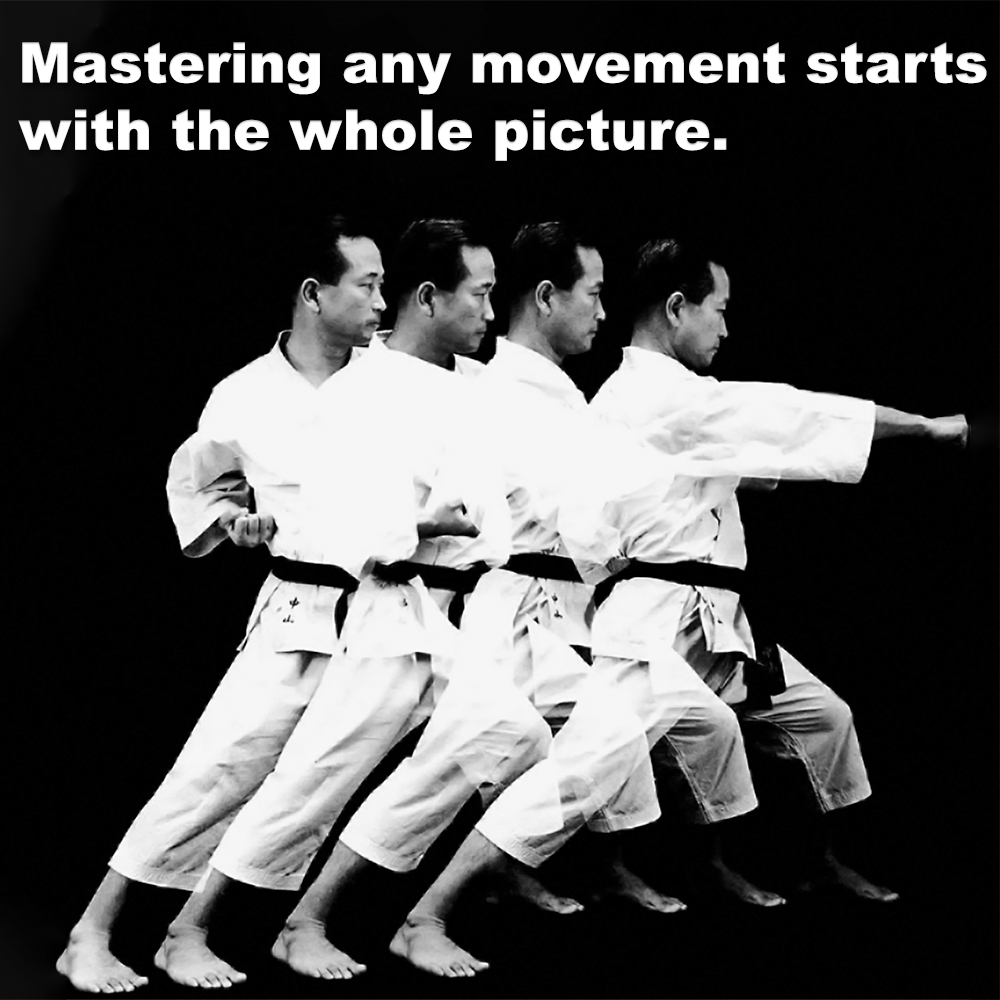
Many pioneers of karate inform us that the hand opposite to the striking hand is ‘doing something’.

(2 minutes 15 second read) It’s very common in traditional karate to see practitioners performing a technique, while pulling back/drawing back the other hand and placing it on the hip, or with the knife hand, across the abdomen. . In Japanese, the ‘pulling hand’ is called ‘hikite’, and it’s evident in most of the receiving

Many pioneers of karate inform us that the hand opposite to the striking hand is ‘doing something’. Read More »