Style

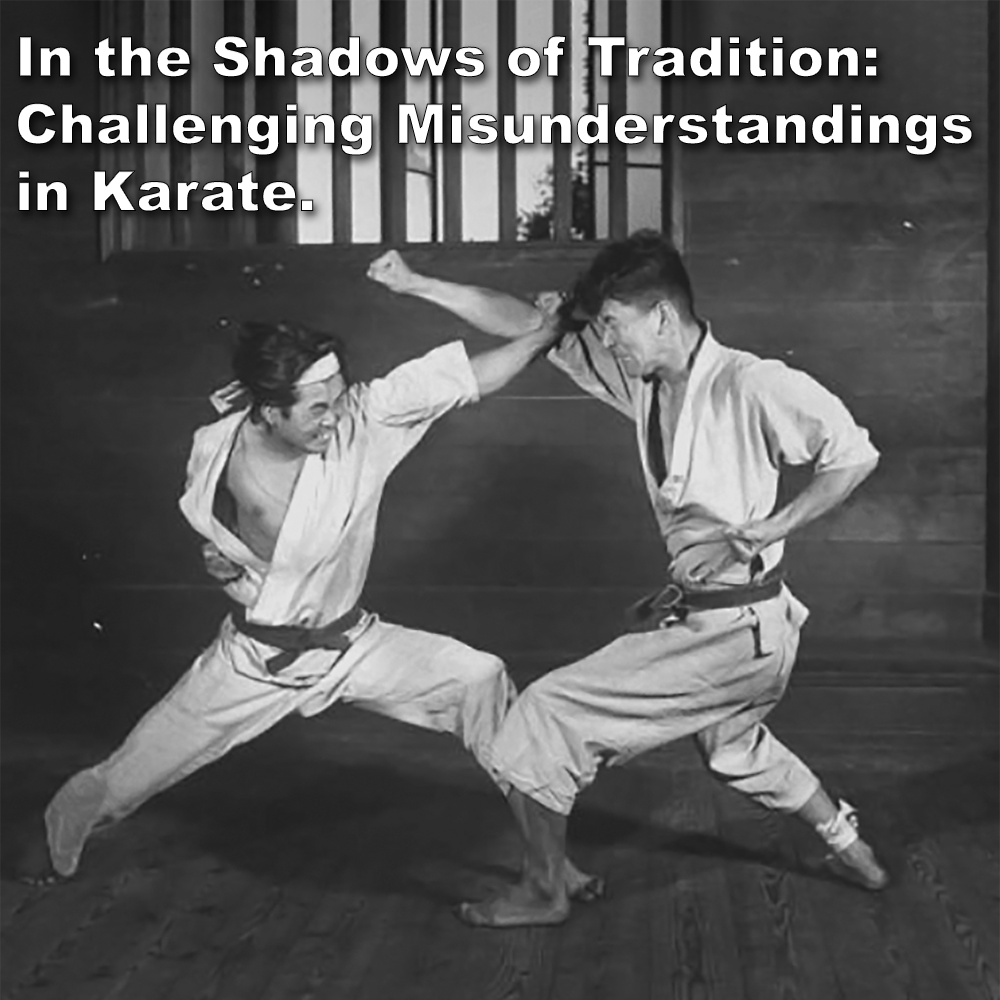
In the Shadows of Tradition: Challenging Misunderstandings in Karate.

(2 minute read) Karate often finds itself mired in misconceptions and misunderstandings. . How many times have you watched a video or responded to a comment and cringed at what you have just witnessed or read? . Unlike other arts like MMA, Judo, Boxing, jiu-jitsu, etc., which seem to have clear purposes and methodologies, karate […]

In the Shadows of Tradition: Challenging Misunderstandings in Karate. Read More »
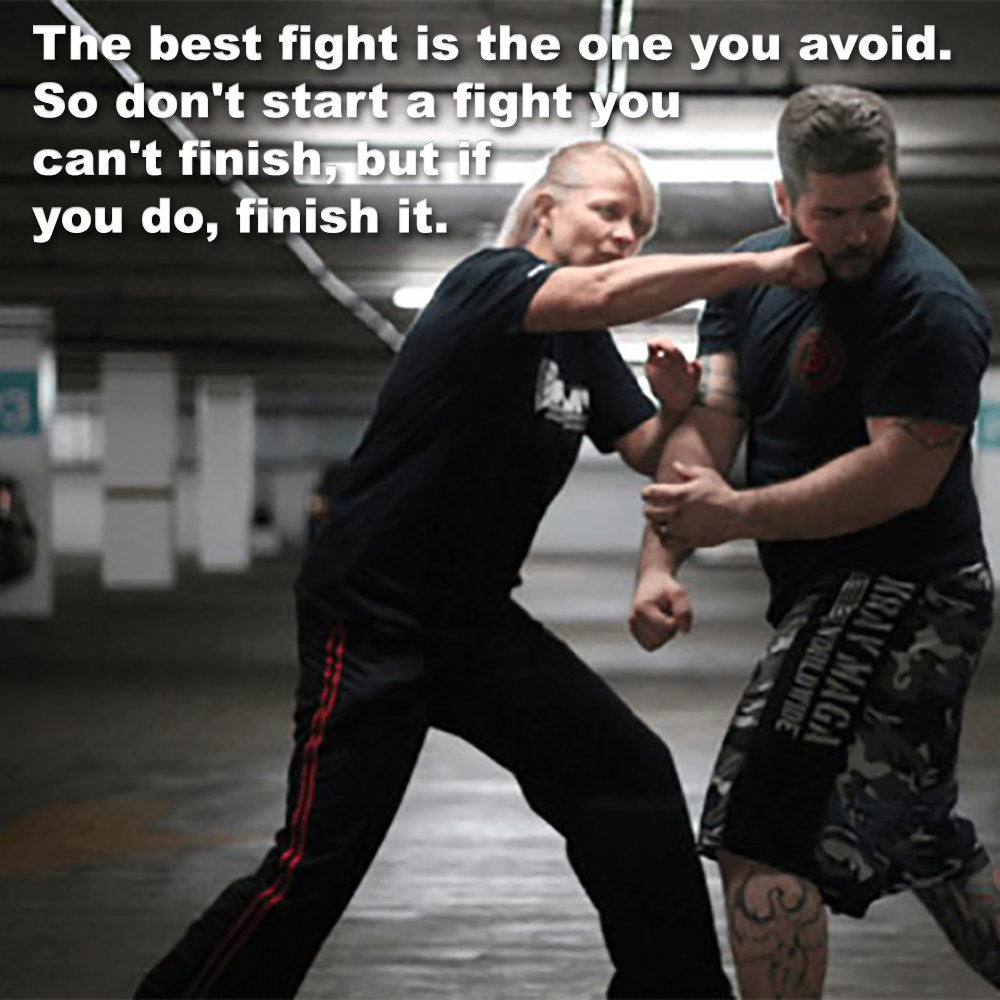
The best fight is the one you avoid. So don’t start a fight you can’t finish, but if you do, finish it.

(1 minute 30 second read) If you’re like most people, you probably hope you’ll never face a self-defense situation. But being prepared is key. . Self-defense is a critical skill, but it’s important to understand it’s not about winning a fight. It’s about neutralizing a threat and escaping safely. . Those that keep reminding me

The best fight is the one you avoid. So don’t start a fight you can’t finish, but if you do, finish it. Read More »

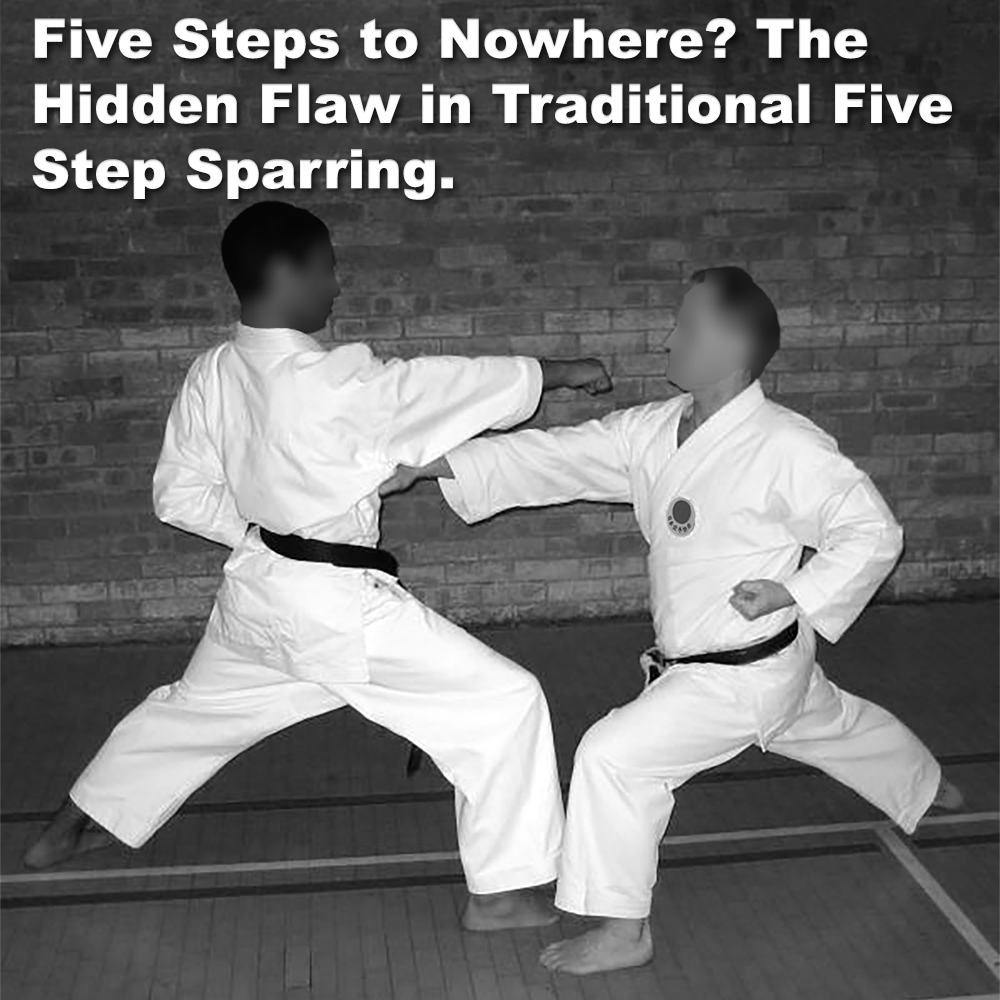
Five Steps to Nowhere? The Hidden Flaw in Traditional Five Step Sparring.

(2 minute 26 second read) Punch, block, punch, block; moving backwards and forwards – prearranged step-sparring. . Learning the basics to become proficient requires repetition, over and over again. However, it’s crucial that basics are realistic, wouldn’t you agree? . The movements contained within karate were never meant to receive an attack from another martial

Five Steps to Nowhere? The Hidden Flaw in Traditional Five Step Sparring. Read More »

“Before I pass my technique on to the student, first I have to understand what’s happening.”

(2 minute read) The comments on my articles often inspire me to write another, whether those comments are good or bad. Many are interesting and show a diverse understanding, and sometimes highlighting misunderstandings too. . So, thank you to everyone who follows and comments on my articles. . The foundation of any karate technique lies

“Before I pass my technique on to the student, first I have to understand what’s happening.” Read More »

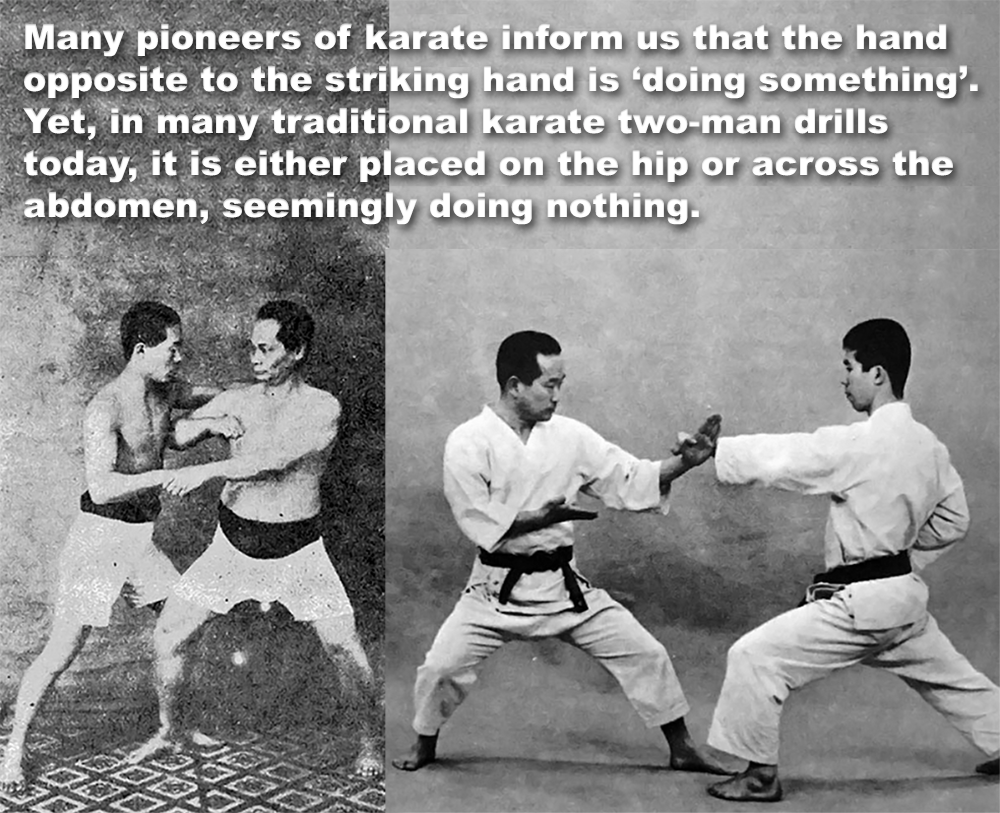
Many pioneers of karate inform us that the hand opposite to the striking hand is ‘doing something’.

(2 minutes 15 second read) It’s very common in traditional karate to see practitioners performing a technique, while pulling back/drawing back the other hand and placing it on the hip, or with the knife hand, across the abdomen. . In Japanese, the ‘pulling hand’ is called ‘hikite’, and it’s evident in most of the receiving

Many pioneers of karate inform us that the hand opposite to the striking hand is ‘doing something’. Read More »

Many dismissive comments I receive state; “Good luck fighting with your kata”.

(2 minute 55 second read) Many dismissive comments I receive state; “Good luck fighting with your kata”. . Kata, often viewed as a choreographed routine, for passing a grade, showing no relation to actual combat. . “The other day I posted a video where I was applying the uppercut technique and a person in his

Many dismissive comments I receive state; “Good luck fighting with your kata”. Read More »

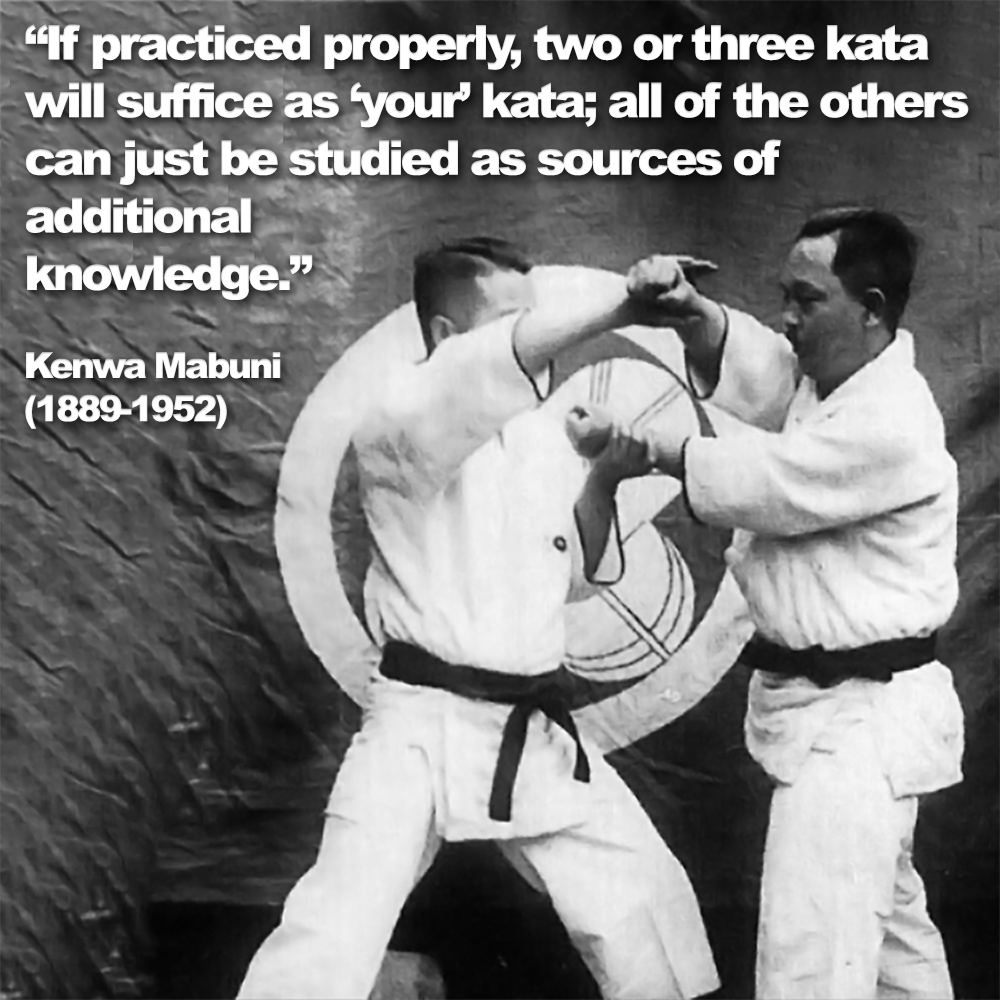
“If practiced properly, two or three kata will suffice as ‘your’ kata; all of the others can just be studied as sources of additional knowledge.”

(2 minute 10 second read) How many kata are enough? . Over the years I have collected probably way too many, and although I have a core that I teach deeply, many of them are probably redundant, or at least very similar to each other. . What I find most interesting about kata is how

“If practiced properly, two or three kata will suffice as ‘your’ kata; all of the others can just be studied as sources of additional knowledge.” Read More »

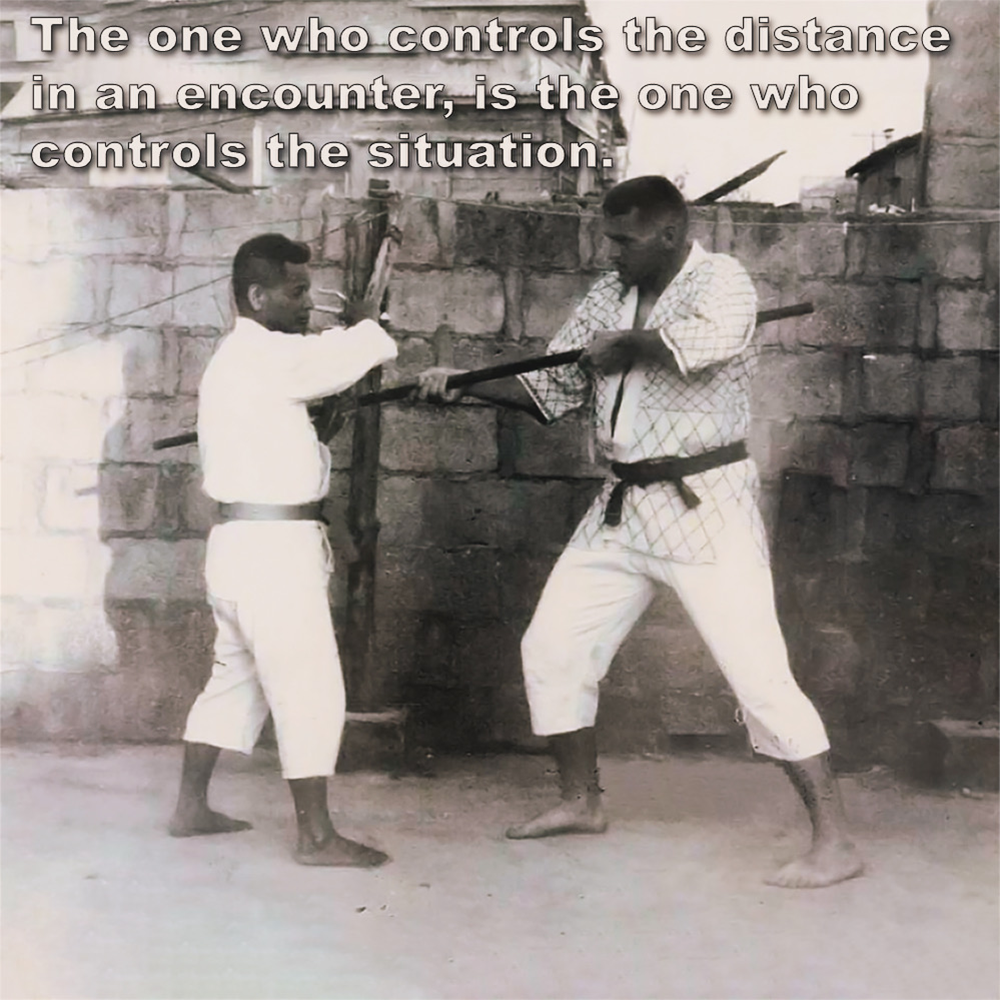
The one who controls the distance in an encounter, is the one who controls the situation.

(1 minute 56 second read) The one who controls the distance in an encounter, is the one who controls the situation. . “Maai” (間合い) is a Japanese term that means “interval” or “space between”. It refers to the optimal engagement distance in combat, encompassing both physical separation, and the timing of the attack and defense

The one who controls the distance in an encounter, is the one who controls the situation. Read More »