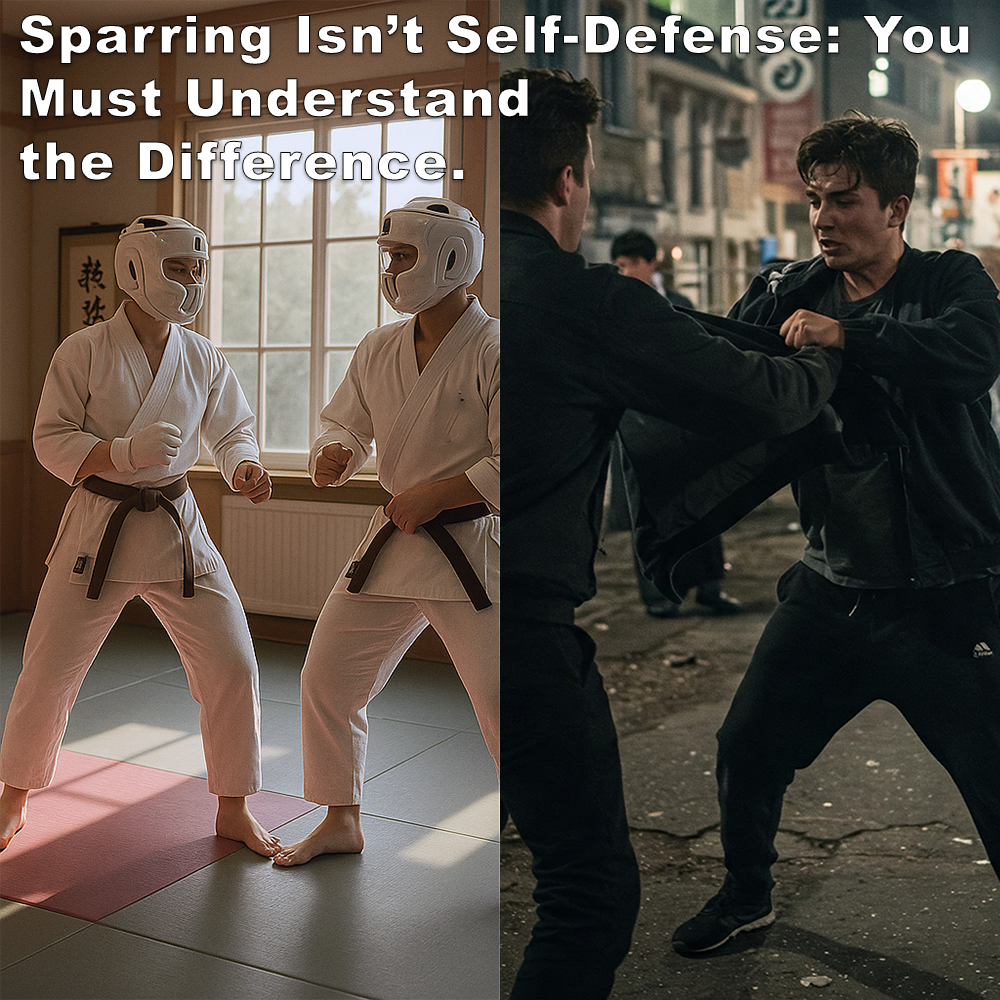
Sparring

Recreation or Reality? Self-Protection – It’s Still About Getting Home Safely.

(Approx 2 minute 20 second read) Self-defense has always really been about one thing: getting home safely. Even if we go back to the early days of Okinawa, that was the goal. It wasn’t about fighting or consensual dueling. . Karate, or its predecessor, was never created for sport or for testing yourself toe-to-toe. It

Recreation or Reality? Self-Protection – It’s Still About Getting Home Safely. Read More »

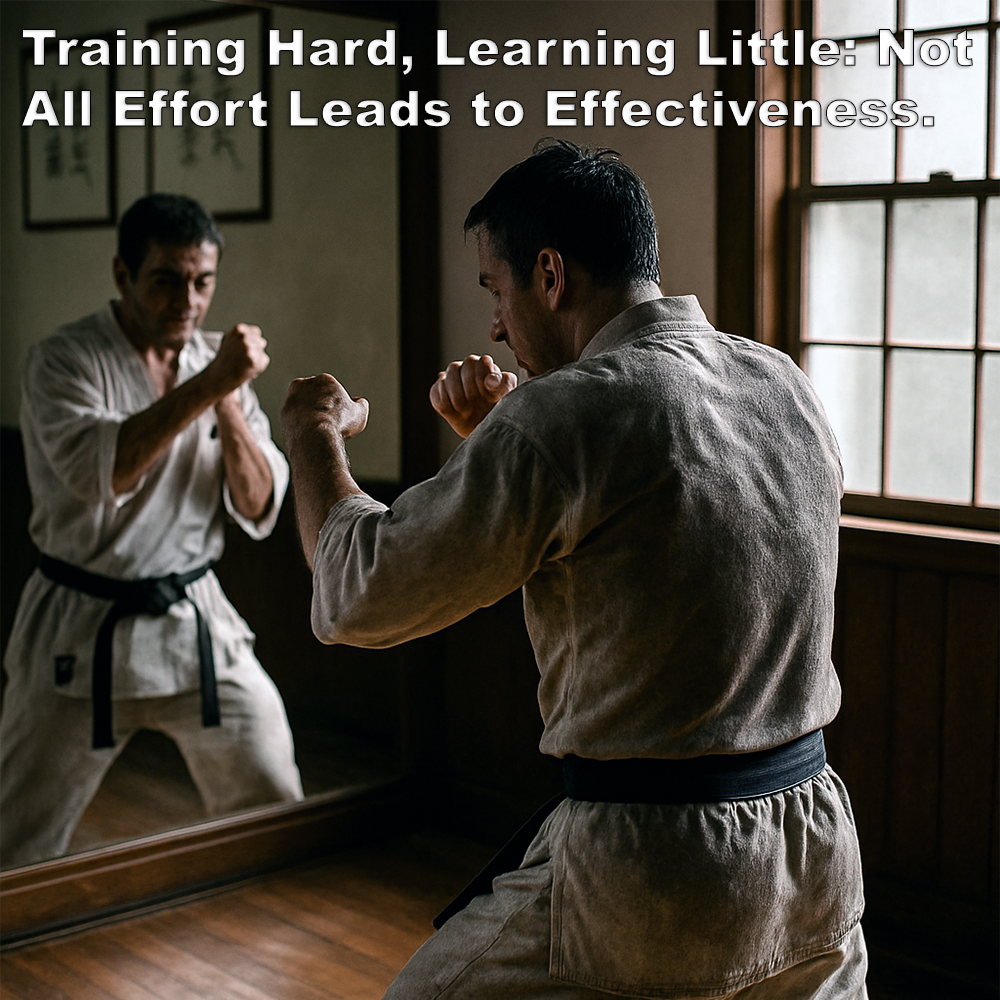
Training Hard, Learning Little: Not All Effort Leads to Effectiveness.

(Approx 2 minute 40 second read) The dojo, it should make you sweat and demand discipline – but what about when the instructor truly believes they’re teaching the pinnacle of self-defense, yet their methods fall painfully short in real-world violence? . Some dojo pride themselves on intensity. Students train hard, push limits, and earn their

Training Hard, Learning Little: Not All Effort Leads to Effectiveness. Read More »

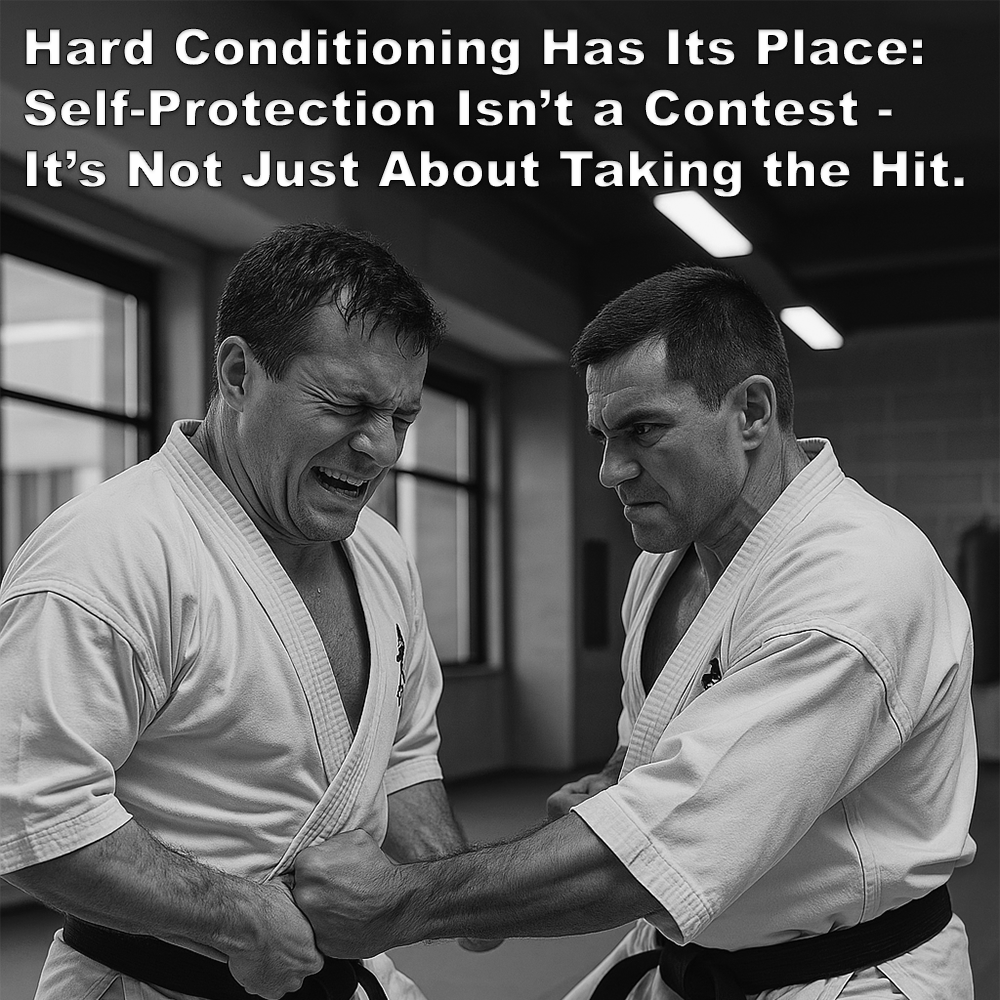
Hard Conditioning Has Its Place: Self-Protection Isn’t a Contest – It’s Not Just About Taking the Hit.

(Approx 2 minute 20 second read) The funny thing about writing on the martial arts is that sometimes people read what you said, nod in agreement – then repeat it back to you, only louder, rougher, and with more bravado. . I recently wrote that the martial arts aren’t about looking for a fight –

Hard Conditioning Has Its Place: Self-Protection Isn’t a Contest – It’s Not Just About Taking the Hit. Read More »

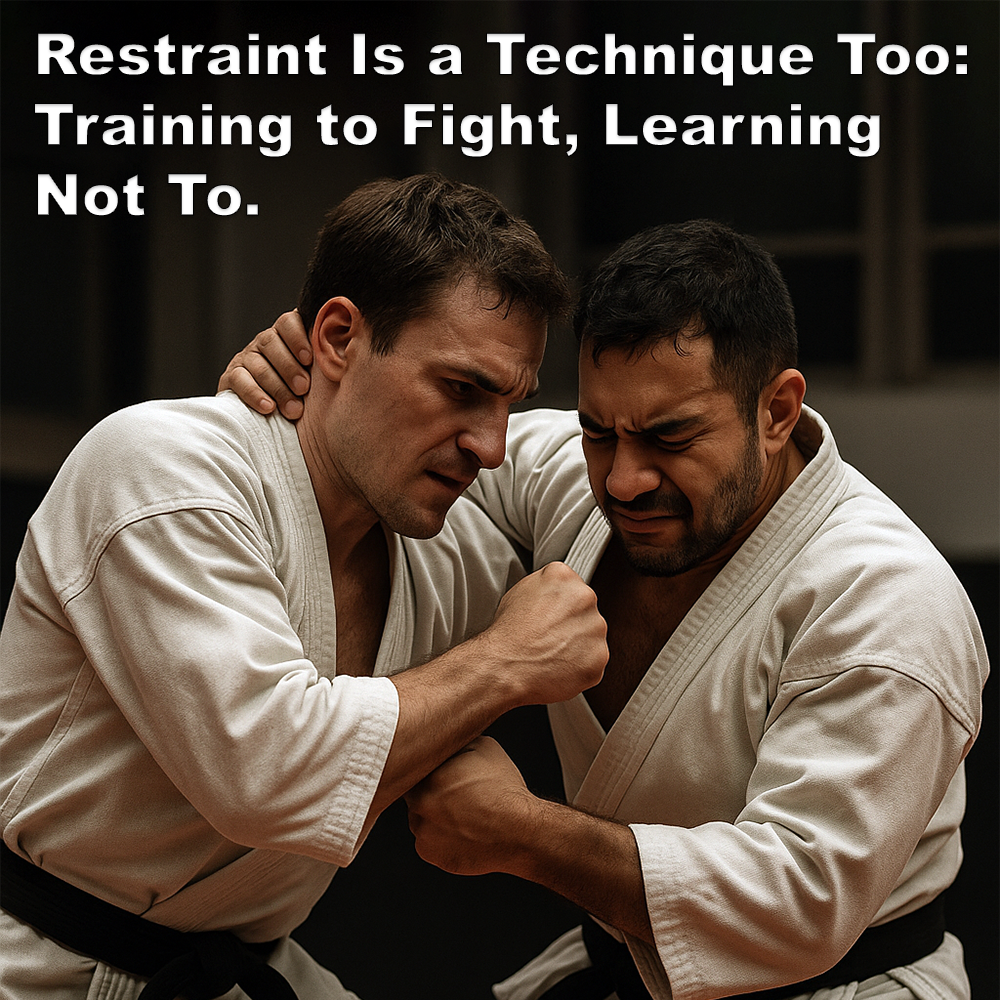
Restraint Is a Technique Too: Training to Fight, Learning Not To.

(Approx 2 minute 40 second read) In karate, a term that’s not heard very often is “Jissen” (実践 – じっせん). It translates directly to “actual fighting” or “real combat” – as in applying theory in real-world, practical situations. . This approach prioritizes what genuinely works in a real confrontation, often incorporating elements like grappling, throws,

Restraint Is a Technique Too: Training to Fight, Learning Not To. Read More »

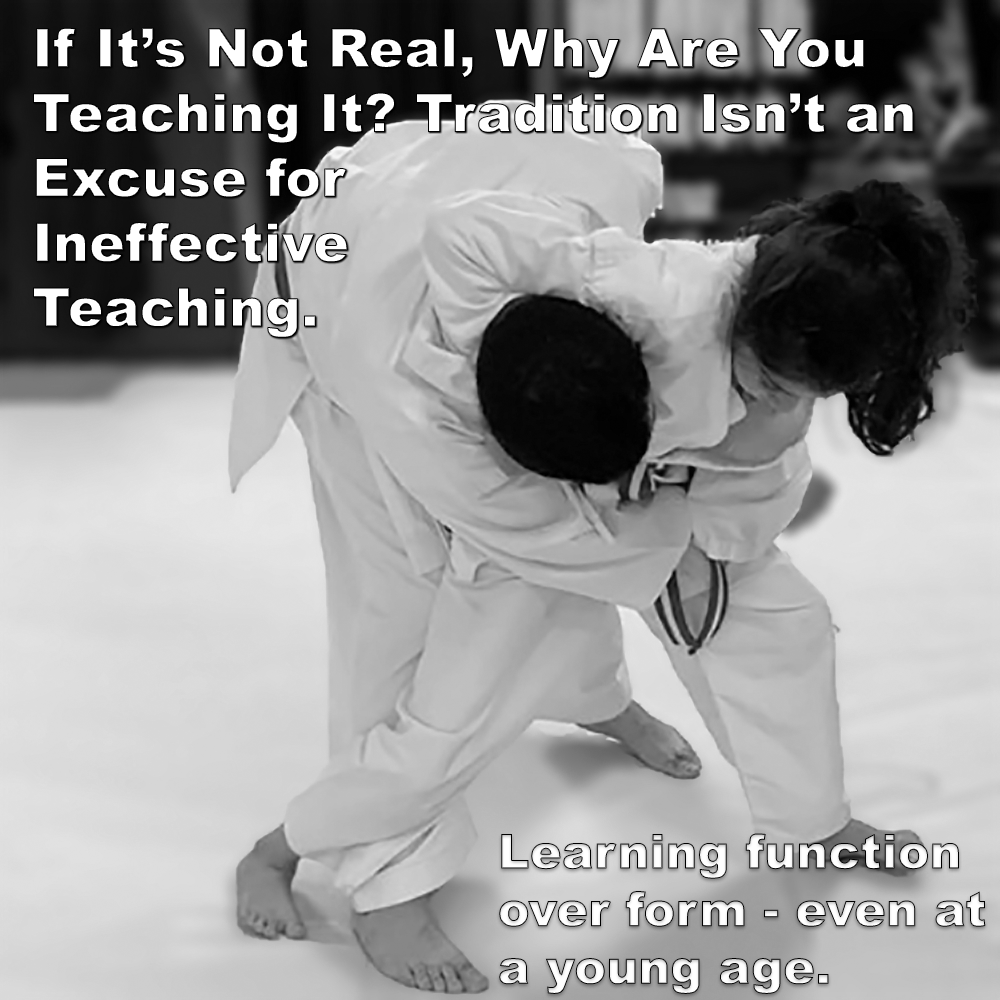
If It’s Not Real, Why Are You Teaching It? Tradition Isn’t an Excuse for Ineffective Teaching.

Approx 2 minute 40 second read) Kata, kihon, and two-person drills are part of the language of karate. But none of these should be practiced in isolation or merely for tradition. They should all have a connection – each part serving a purpose, forming a blueprint for learning how to deal with violence. If it

If It’s Not Real, Why Are You Teaching It? Tradition Isn’t an Excuse for Ineffective Teaching. Read More »

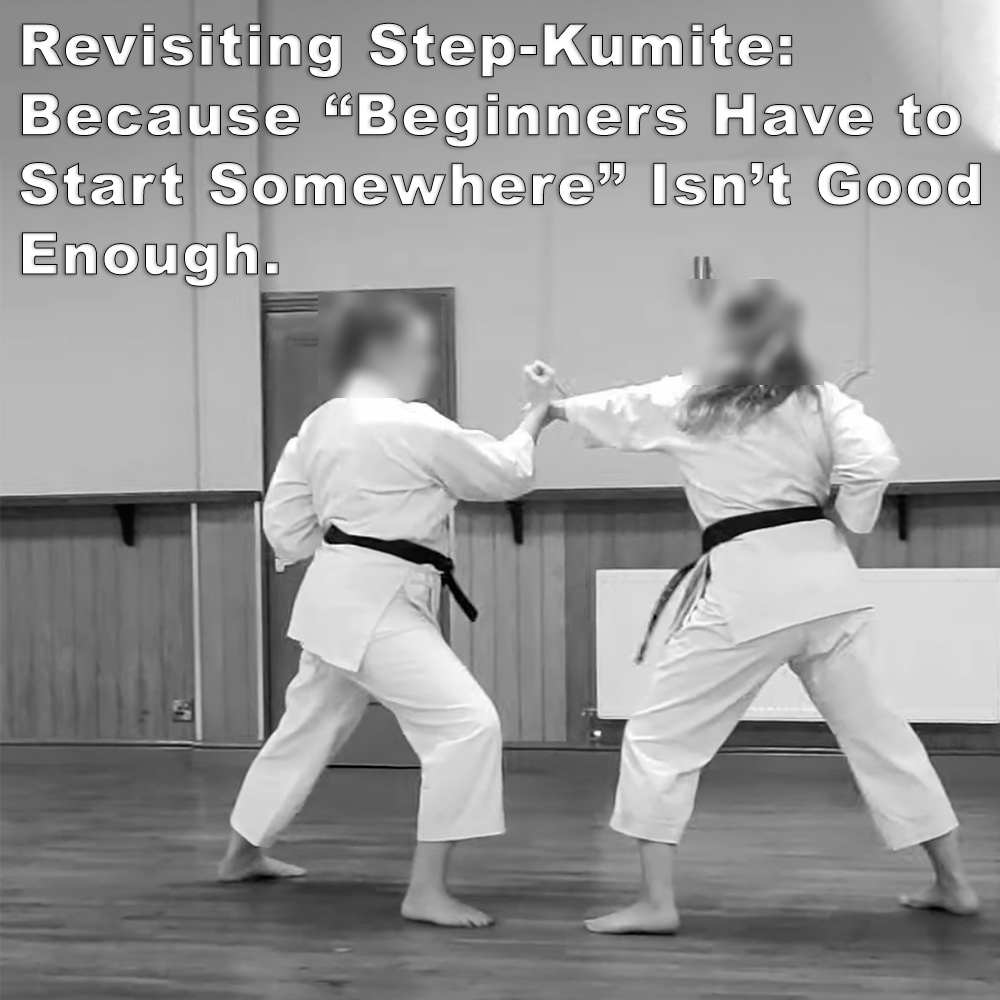
Revisiting Step-Kumite: Because “Beginners Have to Start Somewhere” Isn’t Good Enough.

(Approx 2 minute 40 second read) With regard to my recent article on step-kumite, someone argued that beginners need a starting point, and that step-kumite is often seen as an entry-level method. . He made the comparison to teaching a child how to catch a baseball – starting with a tennis ball at a short

Revisiting Step-Kumite: Because “Beginners Have to Start Somewhere” Isn’t Good Enough. Read More »

Before the Rebrand: Modern Isn’t Always Better – and Why That Still Matters.

(Approx 2 minute 30 second read) What many people call traditional karate had its inception at the beginning of the 20th century. The method of practice changed almost completely with its introduction to mainland Japan in the 1930s. . Today, that is what most people think about when having conversations about traditional karate. . Using

Before the Rebrand: Modern Isn’t Always Better – and Why That Still Matters. Read More »