Humility

Where modern karate goes wrong…..

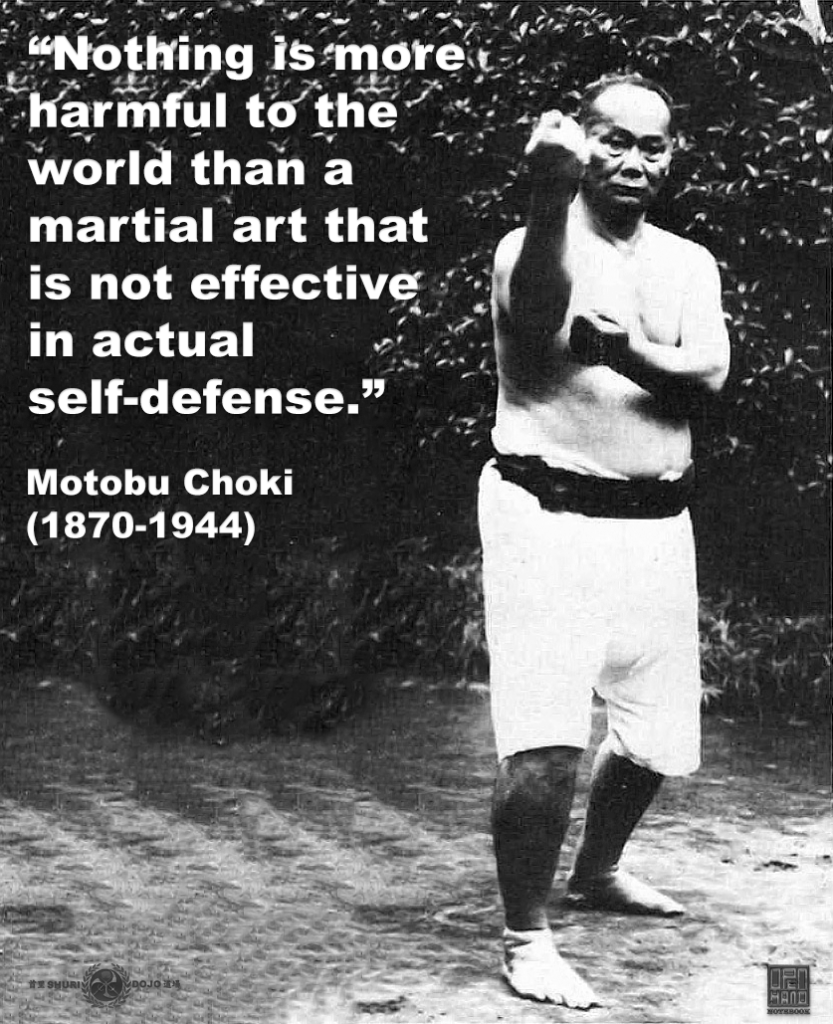
Where modern karate goes wrong in self-defense is where fighting comes first. . Street fighting and self-defense are two different things. Most people think about this as the same, even martial artists. They are not. In street fighting you are basically a fool that lets your ego expose you to danger. Street fighting is for […]

Where modern karate goes wrong….. Read More »

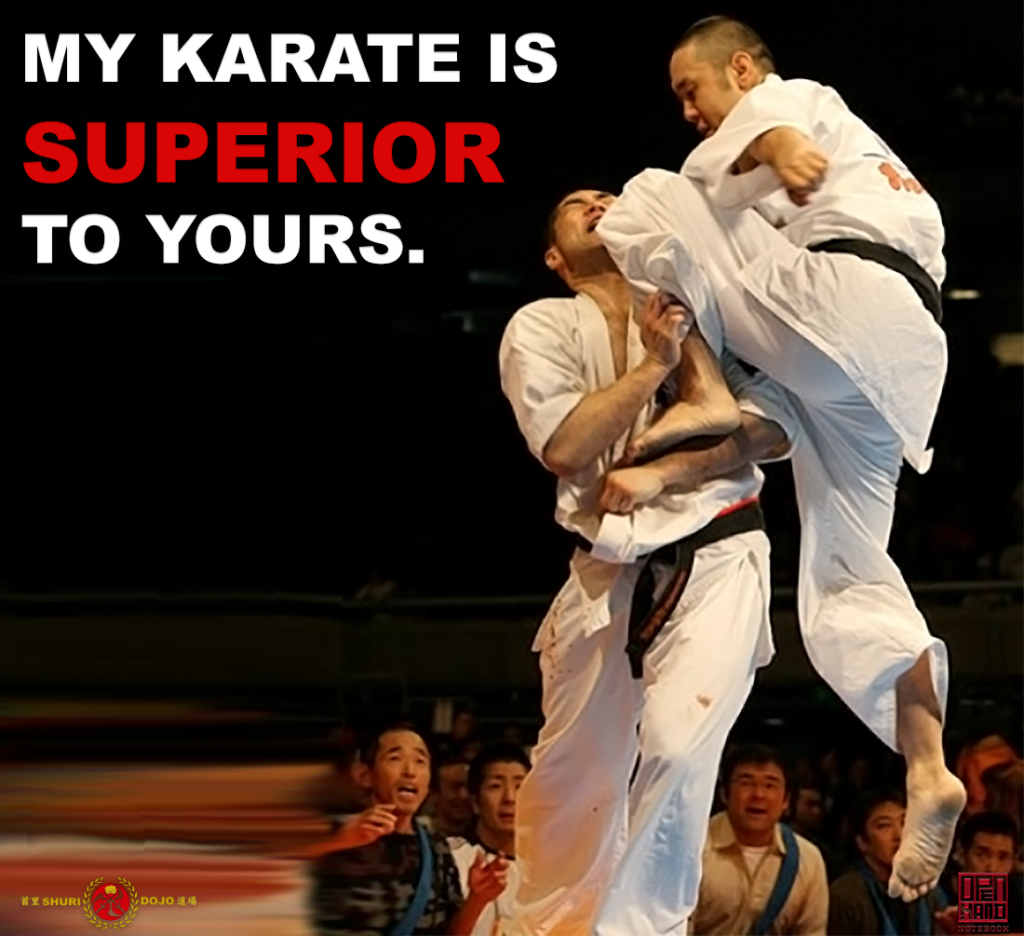
My karate is SUPERIOR to yours.

My karate is stronger, tougher, more athletic…. it’s superior to yours! . Really? It’s superior in all things?….. . You have to define what you mean by “superior”. I’m assuming that when people say a “superior karate style”, they mean the best in terms of effectiveness and practicality…… But superior, WHERE? In the dojo? In

My karate is SUPERIOR to yours. Read More »

What is Zen Buddhism?

What is Zen Buddhism? . Trying to explain or define Zen Buddhism, by reducing it to an article, to a post on a website is almost impossible, it weakens its meaning. . Defining Zen (禅) is like trying to describe the taste of honey to someone who has never tasted it before. You can try

What is Zen Buddhism? Read More »

Mushin no shin

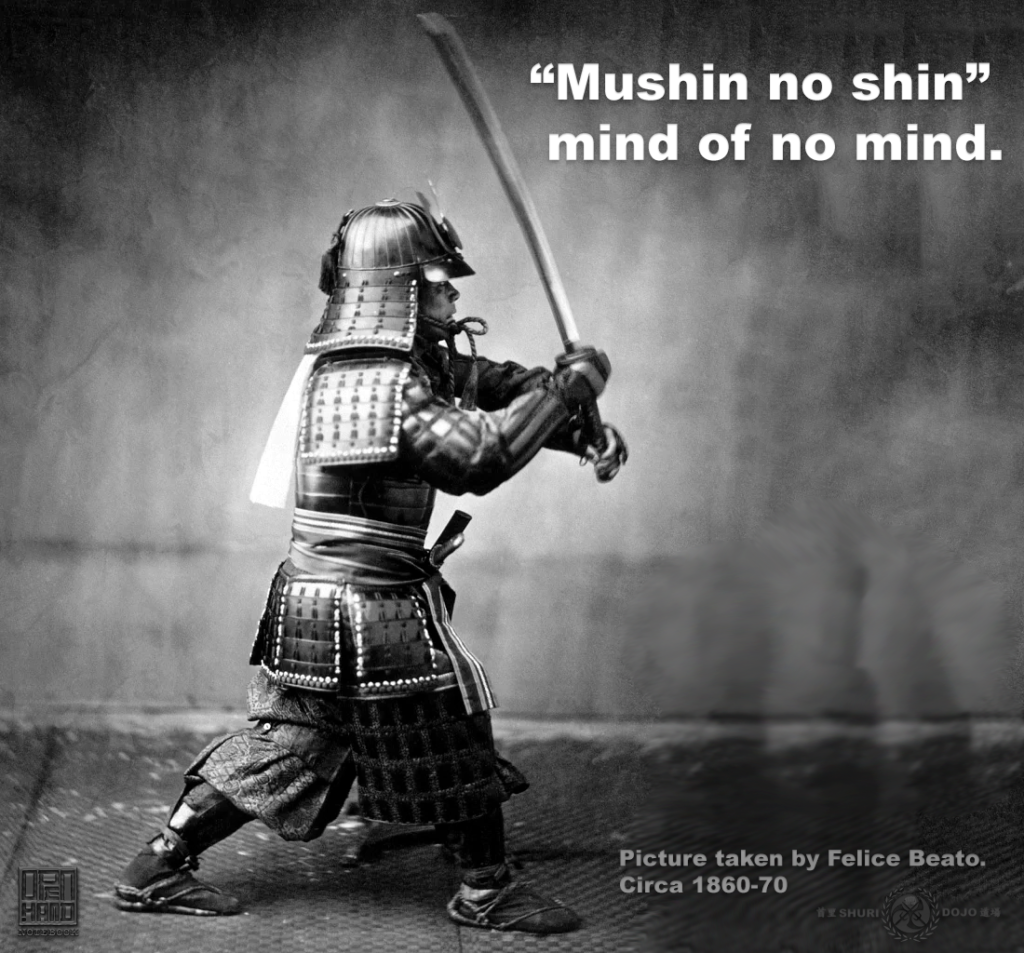
The word ‘mushin’ is comprised of two kanji characters: 無 (mu), meaning ‘nothingness’, and 心 (shin), meaning ‘heart’, ‘spirit’, or, in this case, ‘mind’. In this way, mushin can be roughly translated to ‘nothing mind’ or ‘no mind’. It comes from a longer phrase used in Zen Buddhism, ‘無心の心’ (mushin no shin), or ‘mind of

Mushin no shin Read More »

Oh, I get it now.

No one can put the knowledge or skill inside your head and in your hands. You basically get out of it what you put into it. . What amazes me still is how many people I see haven’t taken their training that far. They show up to class, do what they’re told, and then leave.

Oh, I get it now. Read More »

“Karate ni sente nashi” (空手に先手なし)

“Karate ni sente nashi” (空手に先手なし), typically translated as, “There is no first attack in karate.” . Gichin Funakoshi made this principle the second of his “Niju Kun” (Twenty Precepts), reminding us that “karate begins and ends with courtesy”. . Karate and particularly kata, often suffers a bad name for being outdated and unrealistic. In my

“Karate ni sente nashi” (空手に先手なし) Read More »