Bunkai

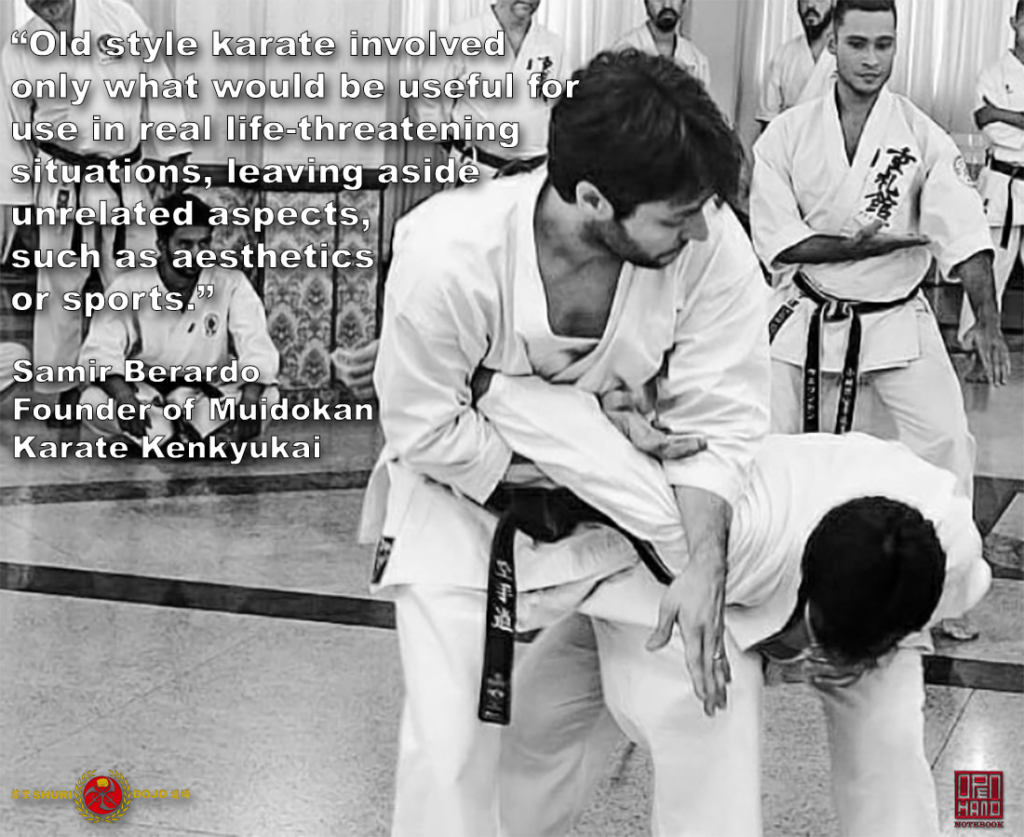
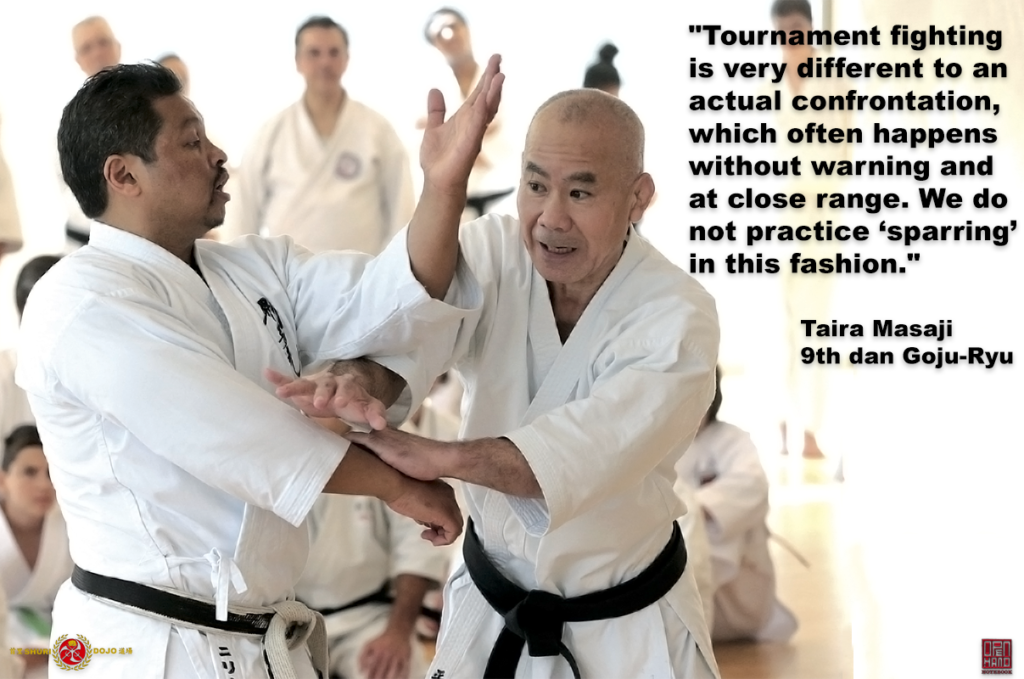
“Tournament fighting is very different to an actual confrontation.”

“Tournament fighting is very different to an actual confrontation, which often happens without warning and at close range. We do not practice ‘sparring’ in this fashion.” (End quote) – Taira Masaji 9th dan Goju Ryu . A technique might work very well against another practitioner in the dojo, using only passive resistance against you. However, […]

“Tournament fighting is very different to an actual confrontation.” Read More »
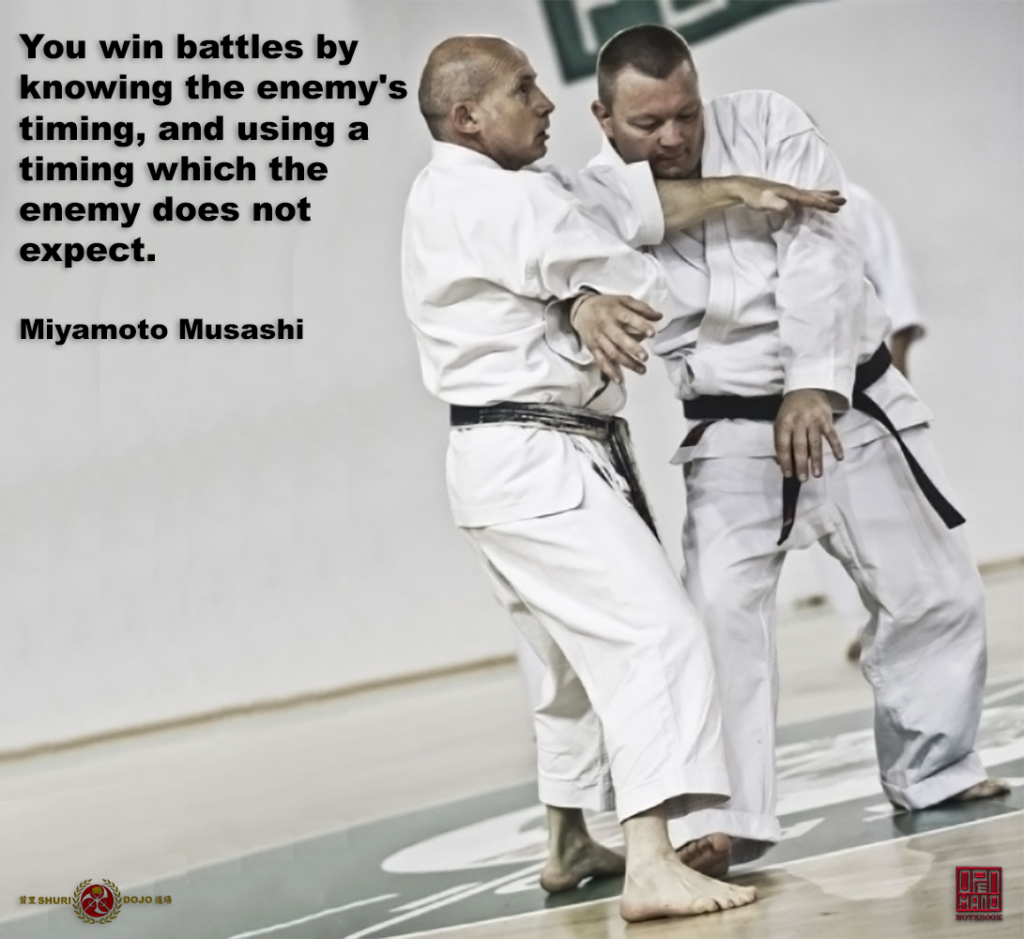
Control an attacker, don’t give them the chance to control you.

Irimi (入り身) is a Japanese martial arts term meaning “to enter with body”. An ‘irimi’ motion is one which describes when someone enters towards another. It’s a rather simple definition but performing it, especially under stress or pressure, can be quite difficult. . Perhaps a more meaningful way of using Irimi is to understand it as

Control an attacker, don’t give them the chance to control you. Read More »

“Those who are unaware they are walking in darkness will never seek the light.”

The people who argue about kata not being relevant to real fighting or self-defense totally miss the point – in addition to being ’libraries’ of combative principles, techniques and movements, when practiced correctly they reinforce the fundamentals necessary to fight or defend oneself as effectively as possible in a civilian exchange. . People who question

“Those who are unaware they are walking in darkness will never seek the light.” Read More »

Kata, the management of failure.

“We learned karate that was to be used in real-life situations. If you don’t continue to train with that sense of there being a real opponent, you won’t be able to respond in that kind of situation.” – Takeshi Tamaki 10th dan Shorin-ryu . Kata, the management of failure. . What does this mean?…… In

Kata, the management of failure. Read More »

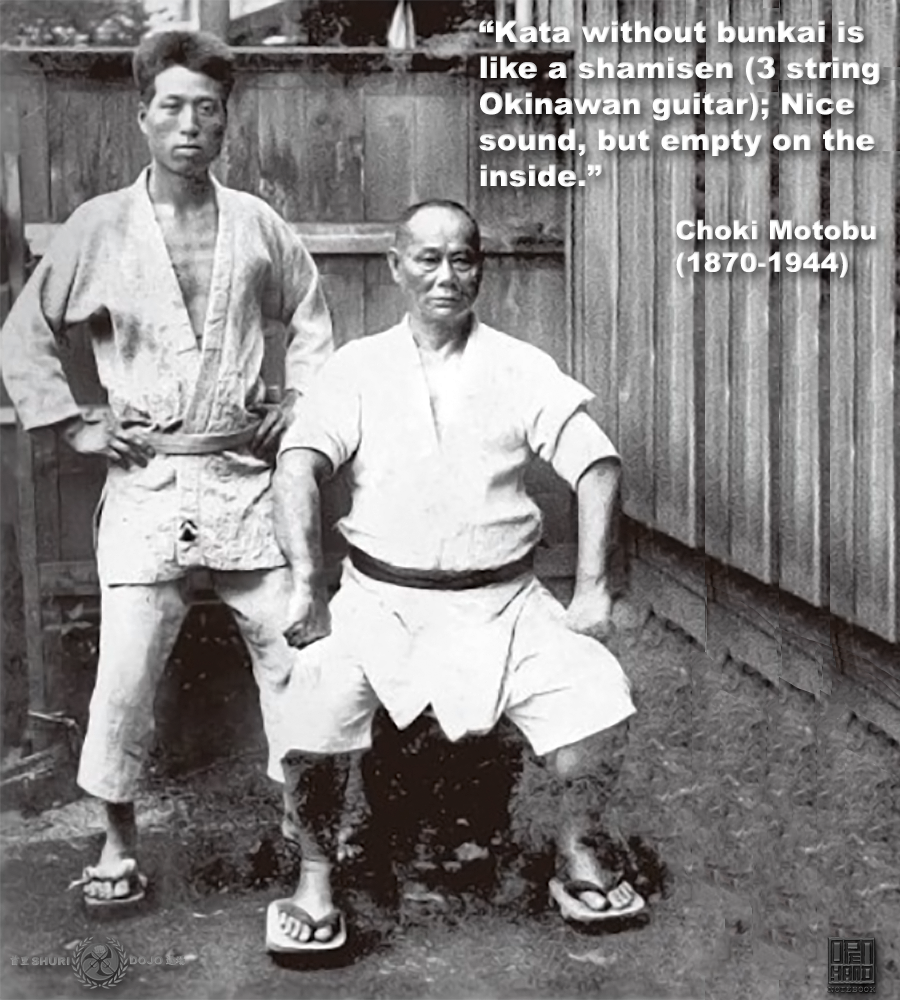
“Kata without bunkai is like a shamisen (3 string Okinawan guitar); Nice sound, but empty on the inside.”

A comment on one of my recent articles stated; “I don’t believe in bunkai.” . To comment that; “I don’t believe in bunkai” is an extraordinary thing to say. Someone who really doesn’t understand their martial arts. But unfortunately, they really believe in their statement. And this is all too common. . What does “bunkai”

“Kata without bunkai is like a shamisen (3 string Okinawan guitar); Nice sound, but empty on the inside.” Read More »

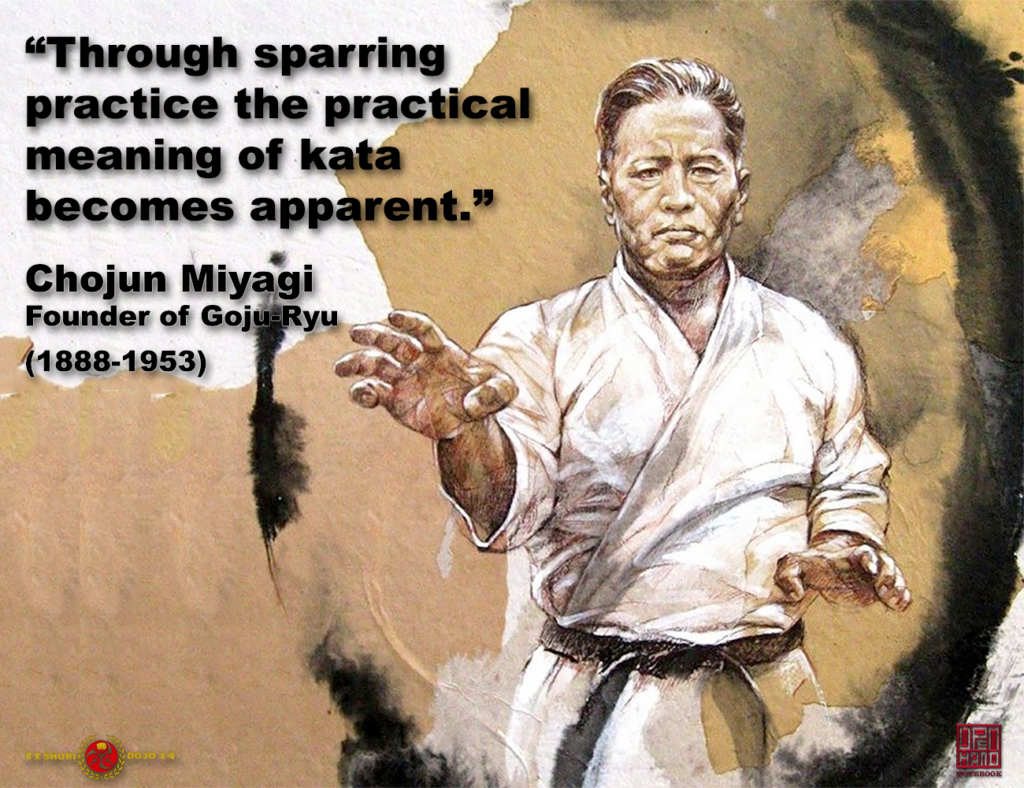
“Through sparring practice the practical meaning of kata becomes apparent.”

Many practitioners talk about kata interpretation, or bunkai as an element of their karate practice. And many of these practitioners say the movements aren’t practical, they wouldn’t work for real, kata is useless, no-one comes to my dojo to learn kata, etc, etc……. and you know what? That’s true, for the way most people practice

“Through sparring practice the practical meaning of kata becomes apparent.” Read More »

History is a valuable teacher. If you care to take a look. 

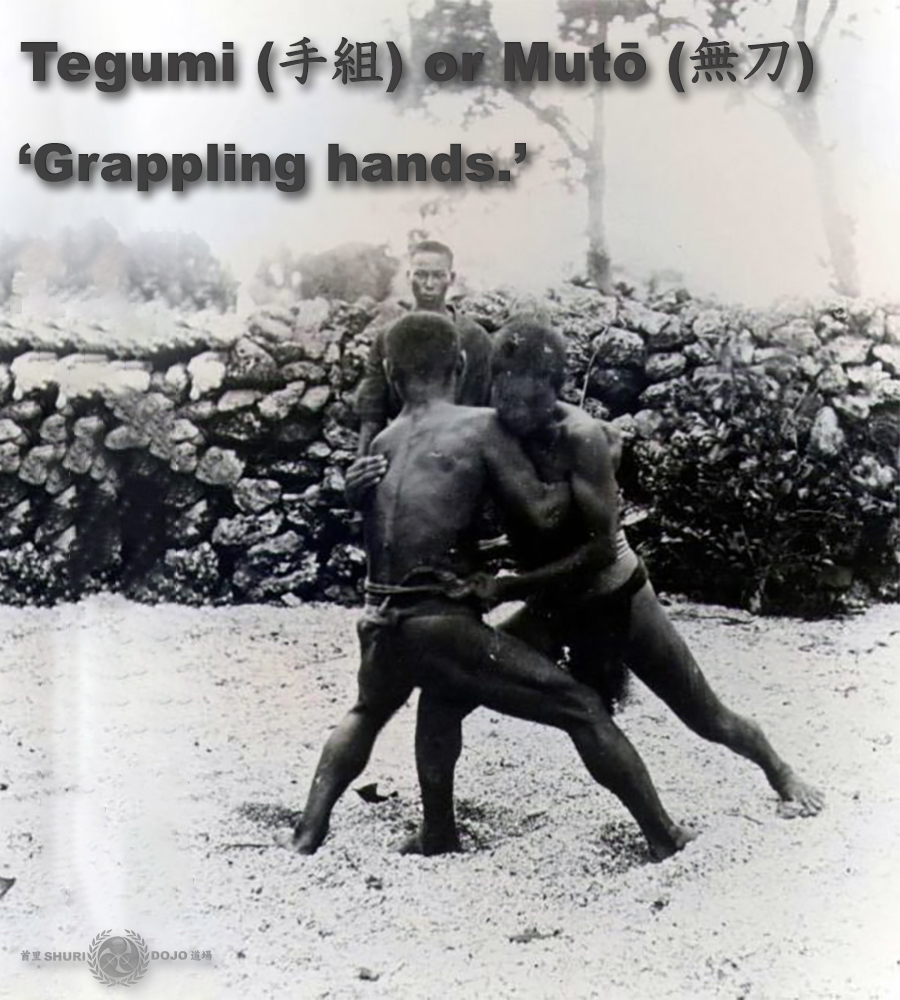
Tegumi (手組) or Mutō (無刀) is a traditional form of wrestling from Okinawa. A common practice in Okinawa’s Ryukyu Kingdom period, ‘tegumi’ nearly disappeared from the Okinawan martial arts curriculum. . It is believed by many researchers that tegumi was probably the original form of fighting from Okinawa. And those researchers believe that tegumi, along

History is a valuable teacher. If you care to take a look.  Read More »

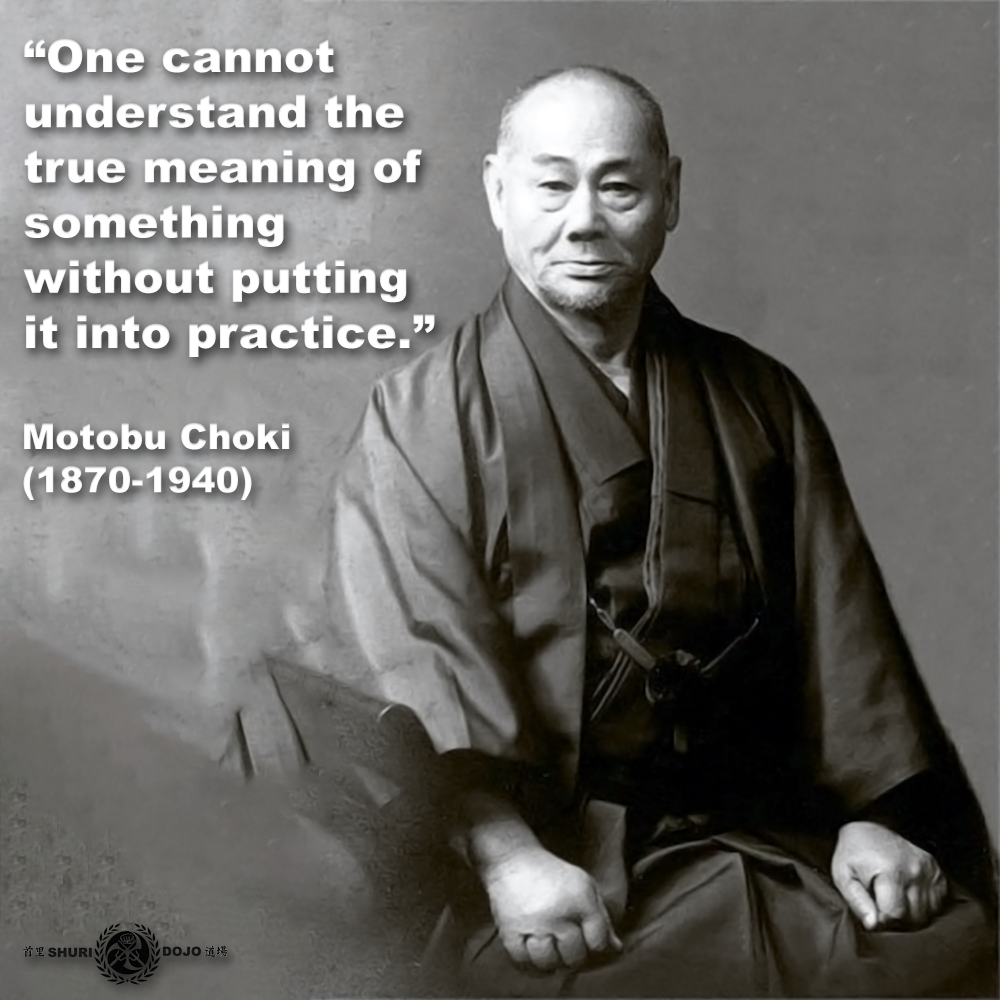
“One cannot understand the true meaning of something without putting it into practice.”

Kata was never meant to be used just to pass the next belt or simply practiced for aesthetic purposes. Kata should be practiced for the knowledge of the extremely effective techniques and principles upon which they are based, and practitioners should develop the ability to apply that knowledge. . Kata and sparring, often two words

“One cannot understand the true meaning of something without putting it into practice.” Read More »