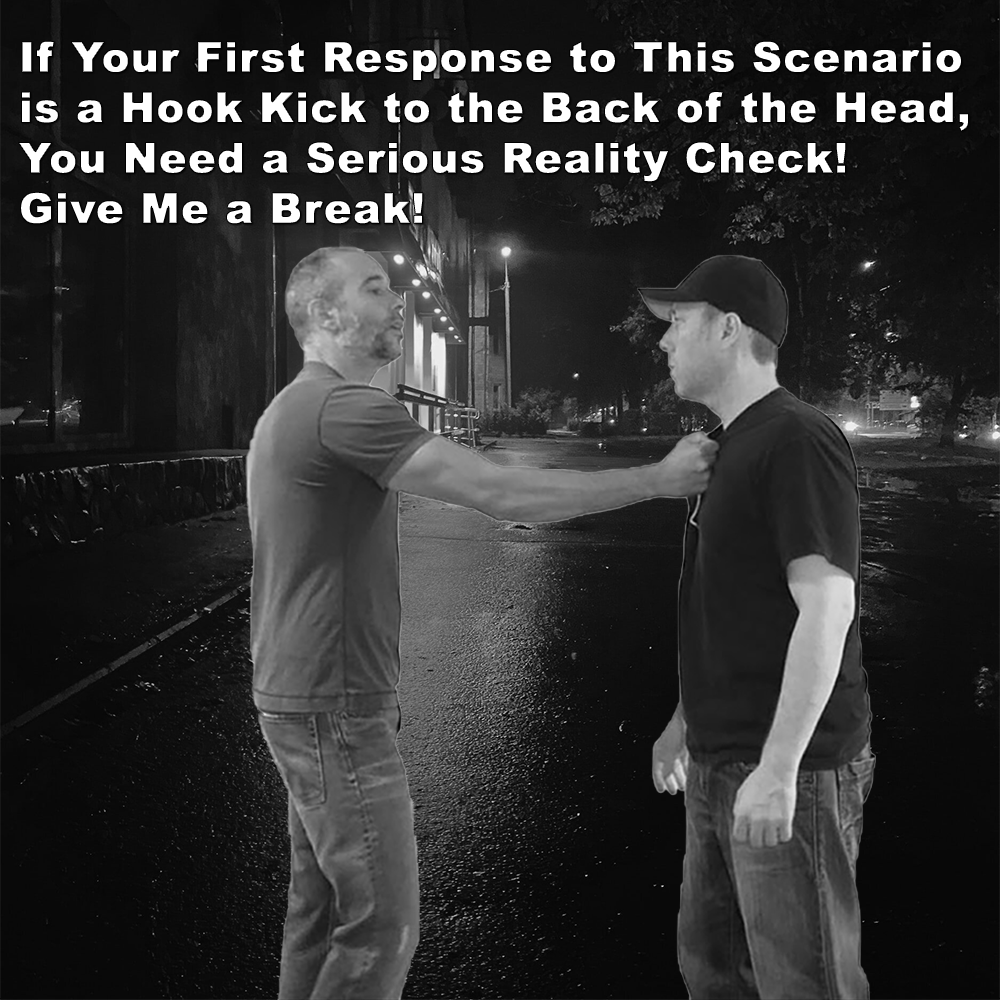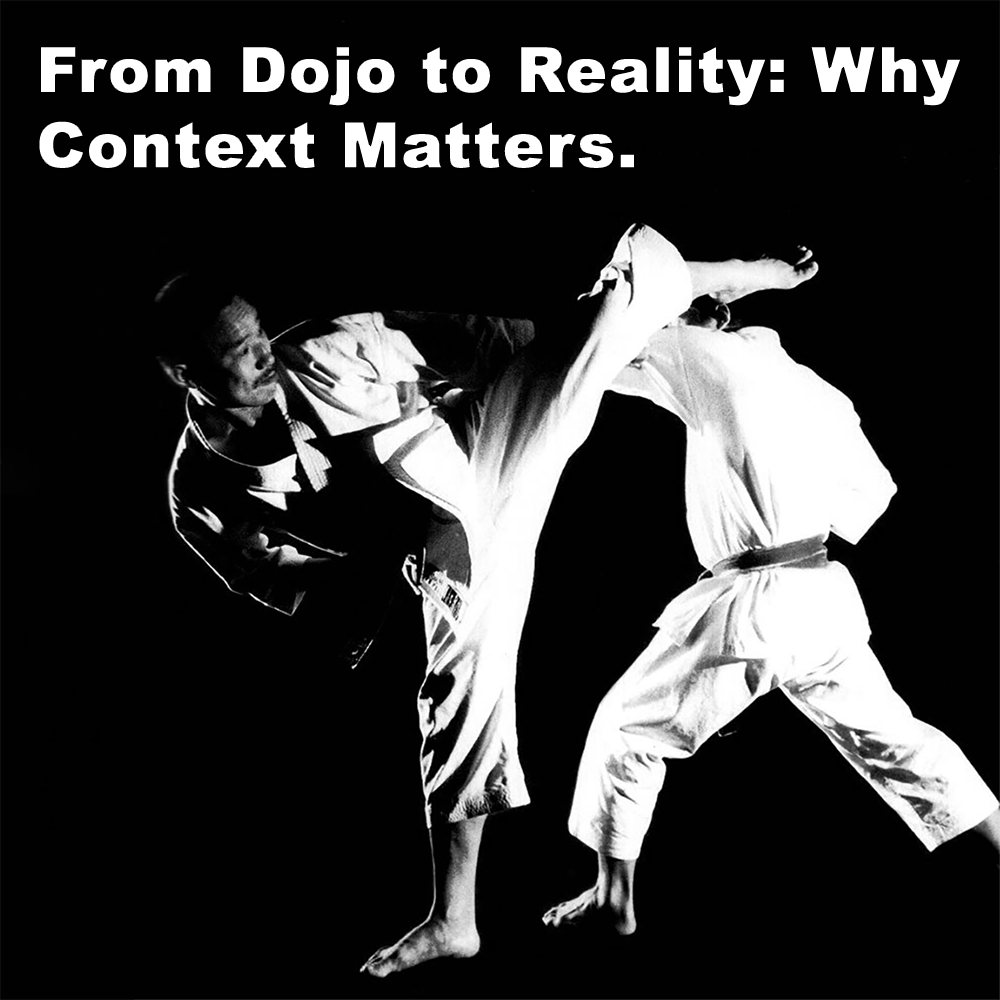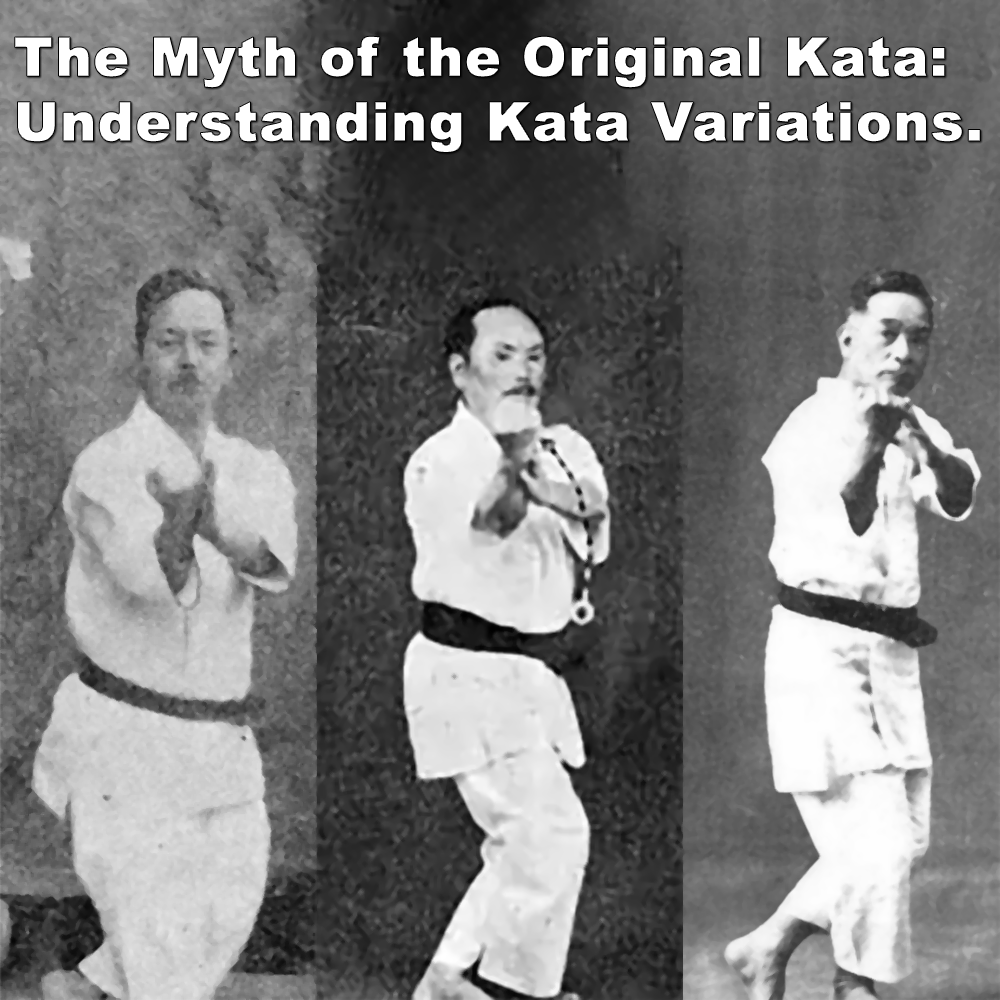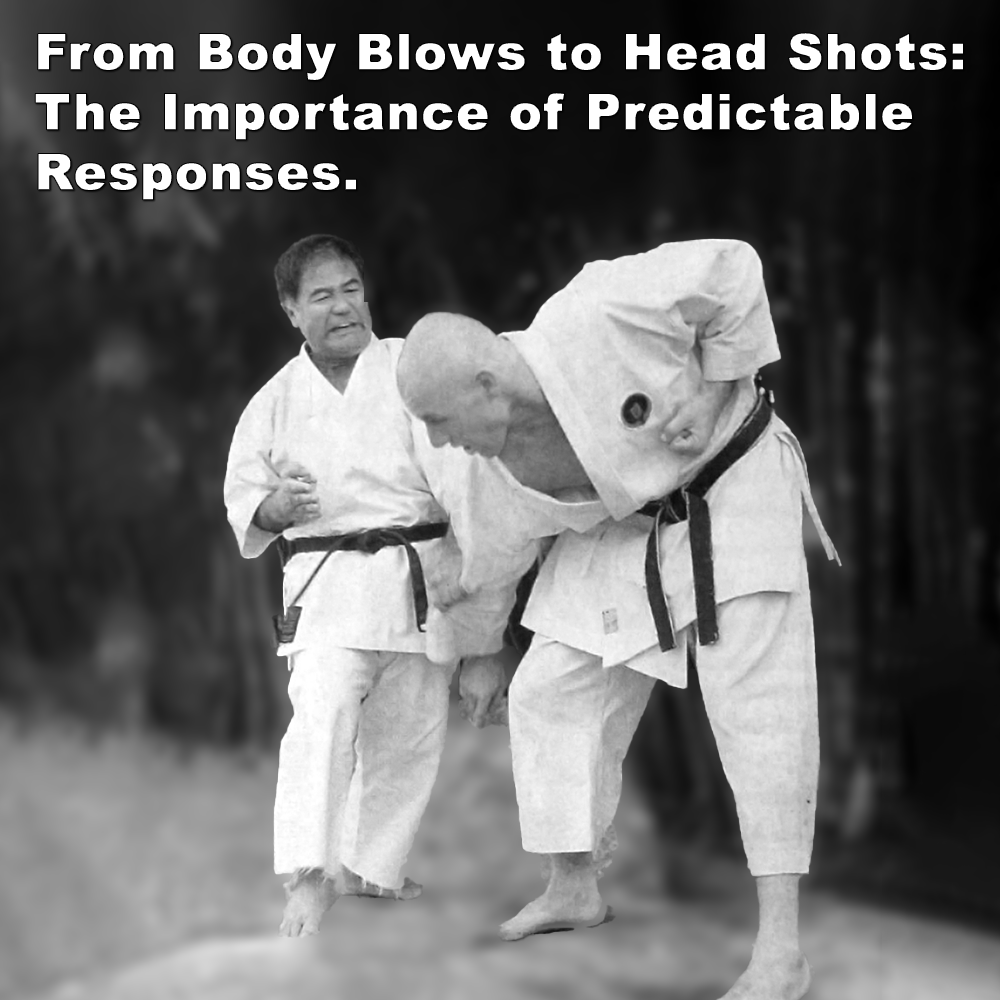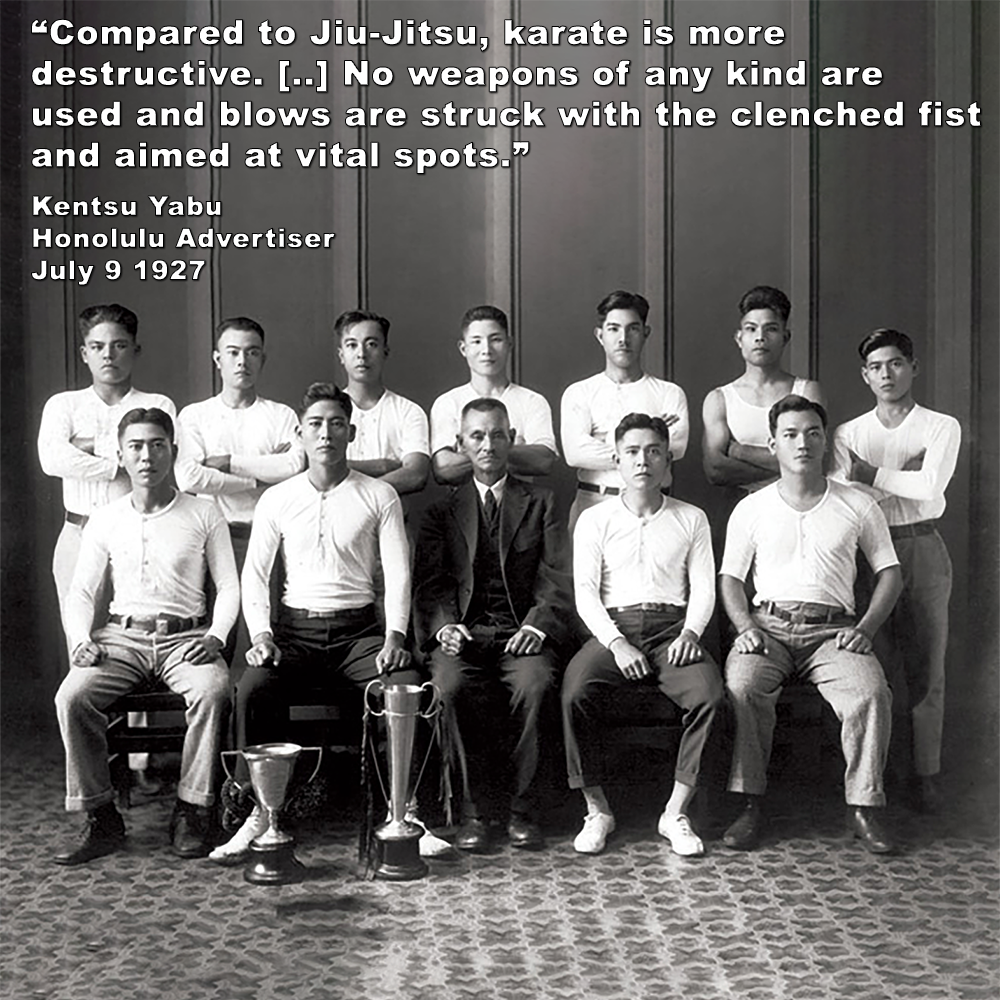
The technical terms we readily use in traditional karate today, bear a surprising secret: they emerged long after the techniques themselves.

(2 minute read) The technical terms we readily use in traditional karate today, bear a surprising secret: they emerged long after the techniques themselves. . Imagine stepping into an early Okinawan karate dojo. Unlike today’s regimented classes, this environment was very different. . The teachers of the time passed down their knowledge to only a…

One Strike, One Kill: The Myth and Mastery of “Ikken Hissatsu”.

(2 minutes 21 second read) “Ikken hissatsu” (一拳必殺) – What does this maxim mean to you? How do you interpret it? . A Japanese term frequently encountered in the context of karate, carrying the weighty meaning of “to kill with one blow” or more literally, “one fist, certain death.”. . To interpret “ikken hissatsu” as…

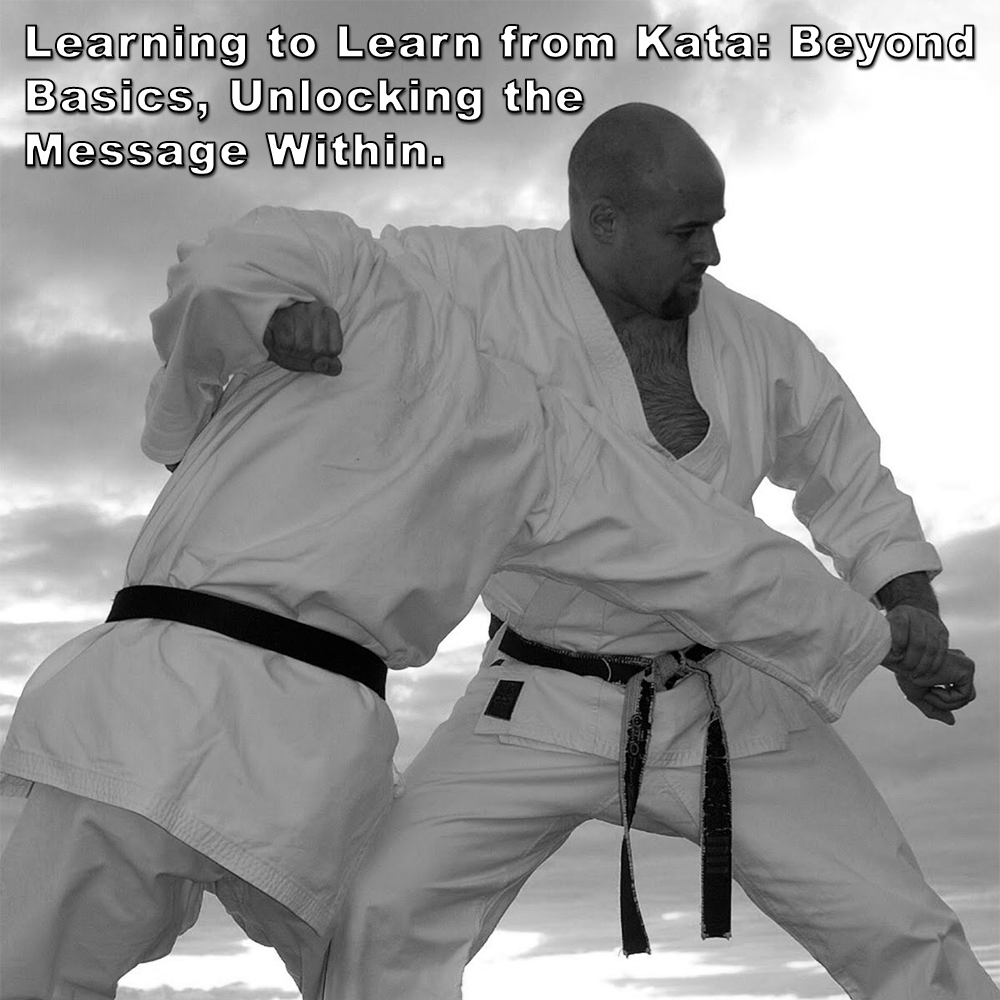
“We must be careful not to overlook the fact that kata, and the body positions that comprises them, are just templates of sort; it is their application in combat which needs to be mastered.”

(2 minute and 14 second read) Kata, the cornerstone of traditional martial arts, are intricate archives of combative movements, much more than just a physical solo exercise. They are a living legacy, passed down from teacher to student, generation after generation. . Each kata embodies the accumulated wisdom of past masters, a codified library of…

‘Karate ni sente nashi’. Apparently some people interpret this literally and often profess that ‘one must not attack first’.

The phrase “Karate ni sente nashi,” (空手に先手なし) often translated as “there is no first attack in karate,” has resonated with karate-ka for generations. . Funakoshi Gichin made this principle the second of his “Niju Kun” (二十訓) (Twenty Precepts), reminding us that “karate begins and ends with courtesy”. . However, clinging to a literal interpretation can…

Symbolic gesture or combative function?

The martial arts world can be a tapestry woven with intricate traditions and practices. . One intriguing thread that runs through the practice of kata, specifically, the enigmatic movements often interpreted as “salutations.” . These seemingly ritualistic gestures have some practitioners attributing them to hidden meanings and even ancient Chinese symbolism. . However, perhaps a…