Martial Arts

“Research your own experience, absorb what is useful…”

Understanding lineage, and the traditions that have been passed down over generations is valuable and meaningful, but remaining too faithful to tradition can be a problem. . Blindly following tradition can lead to staleness. Protecting tradition is to go forward. The part you protect and the part you innovate has to move in parallel. Otherwise, […]

“Research your own experience, absorb what is useful…” Read More »

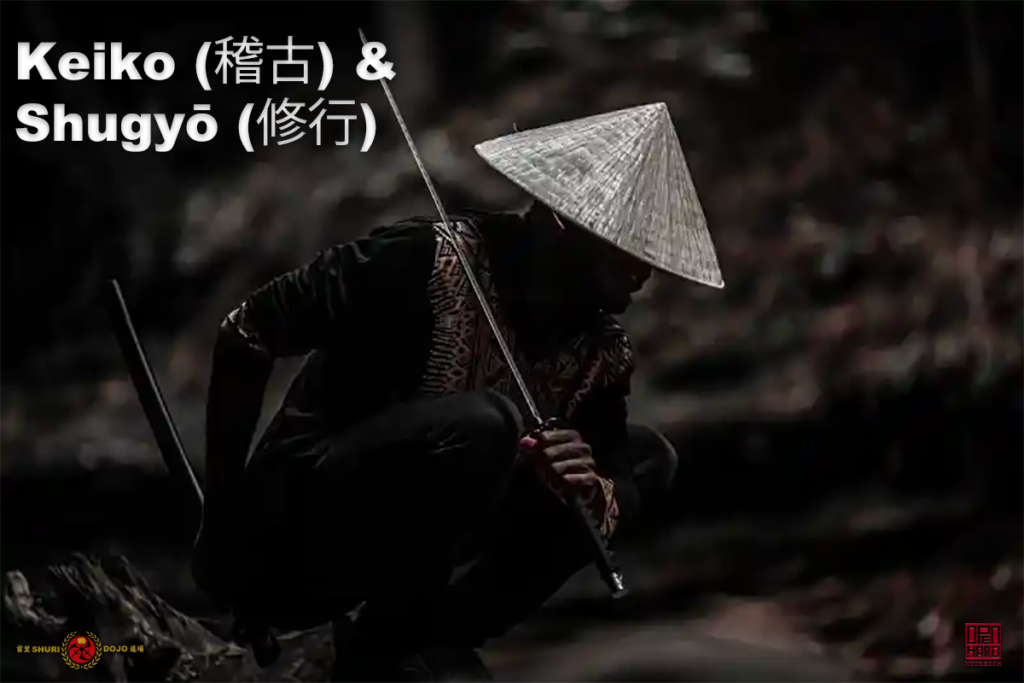
Keiko (稽古) and Shugyō (修行)

Keiko (稽古) and Shugyō (修行) . Training in the martial arts is not just a hobby; we should contemplate our practice deeply. . The Japanese have six words for training, each signifying a deeper, more encompassing path: Keiko – practice; Renshu – training; Kunren – discipline; Tanren – forging; Kufu – struggling to solve a

Keiko (稽古) and Shugyō (修行) Read More »

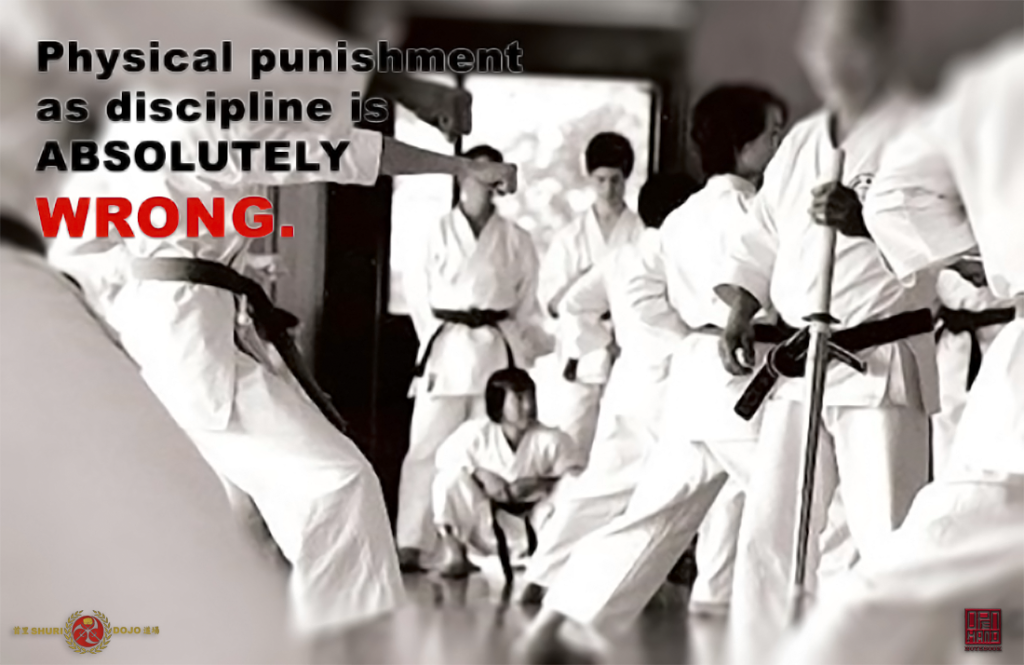
Japan judo hits crisis point as bullied, burnt-out children quit.

“Japan judo hits crisis point as bullied, burnt-out children quit.” . “Japan is the home of judo but a brutal win-at-all-costs mentality, corporal punishment and pressure to lose weight are driving large numbers of children to quit, raising fears for the sport’s future in its traditional powerhouse.” – Andrew McKirdy Japan Today June 2022 .

Japan judo hits crisis point as bullied, burnt-out children quit. Read More »

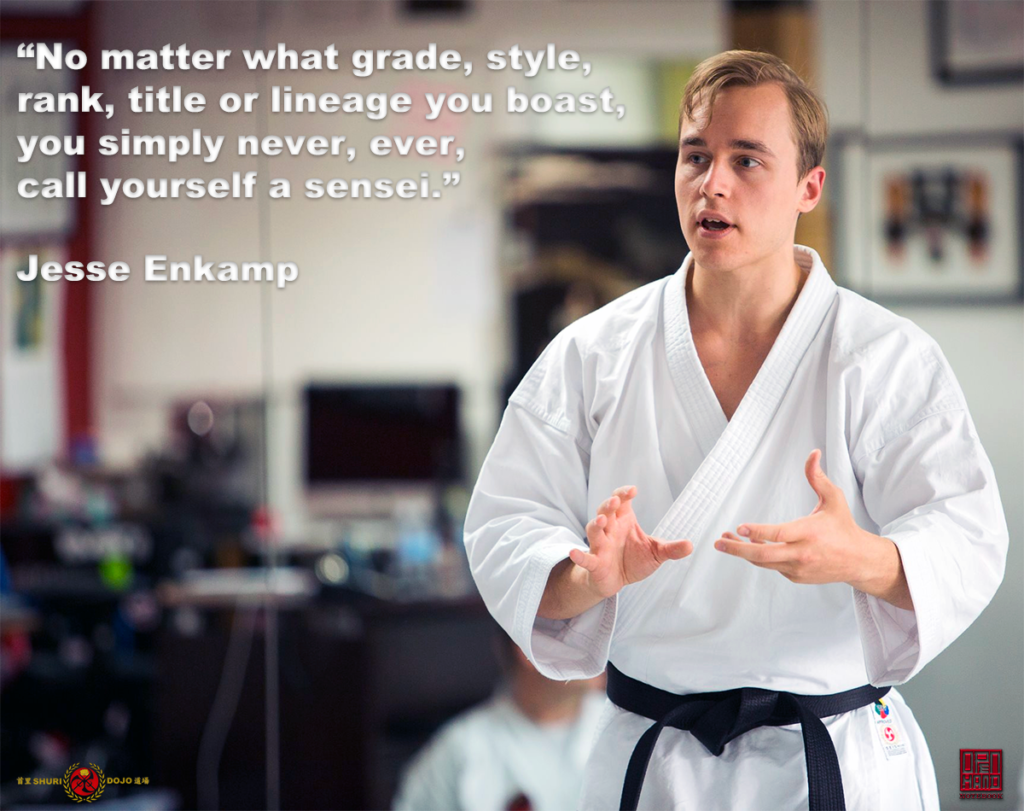
Stop calling yourself Sensei!

If you call YOURSELF “master” or “sensei” you probably aren’t one. I see this so often, especially on social media. – Come on guys..… let go of that EGO! . If you teach karate and are using Japanese language in your dojo or school, then you should know how to use these titles, or specifically,

Stop calling yourself Sensei! Read More »

The process of ‘shime’ for Sanchin kata is about cooperation and study, and not brute force.

Shime (締め) testing is a two-person drill which serves as a way of testing a practitioner’s ability to apply the strategies and principles of Sanchin kata. . The idea behind the testing is to have the practitioner placed under a load, to evaluate their structure. . The testing involves putting pressure on the practitioner’s body.

The process of ‘shime’ for Sanchin kata is about cooperation and study, and not brute force. Read More »