Style

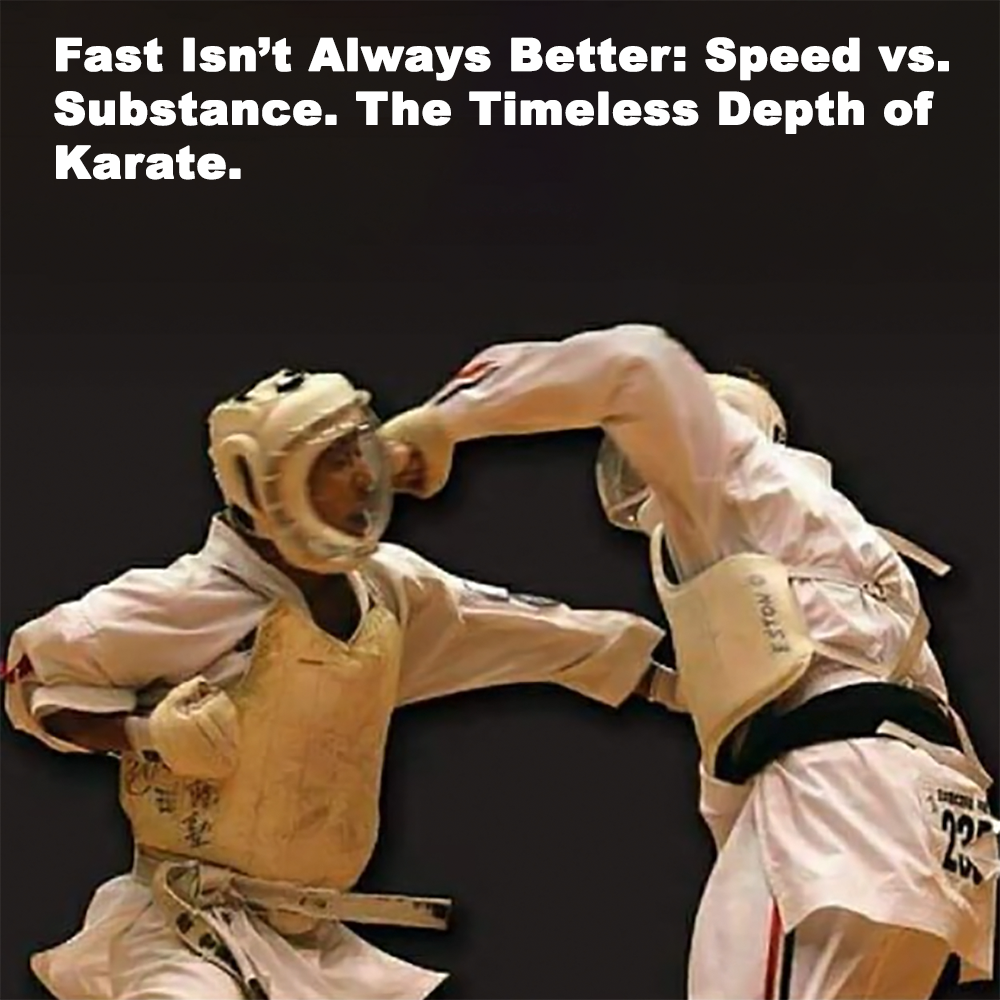
Fast Isn’t Always Better: Speed vs. Substance. The Timeless Depth of Karate.

Many practitioners are searching for more in their karate practice. They’ve seen modern disciplines like MMA and realized that the karate they’ve been learning doesn’t quite measure up to what they’ve witnessed. . If we want our students to truly grasp the concepts, principles, and ideas of realistic karate, they must experience these things in […]

Fast Isn’t Always Better: Speed vs. Substance. The Timeless Depth of Karate. Read More »
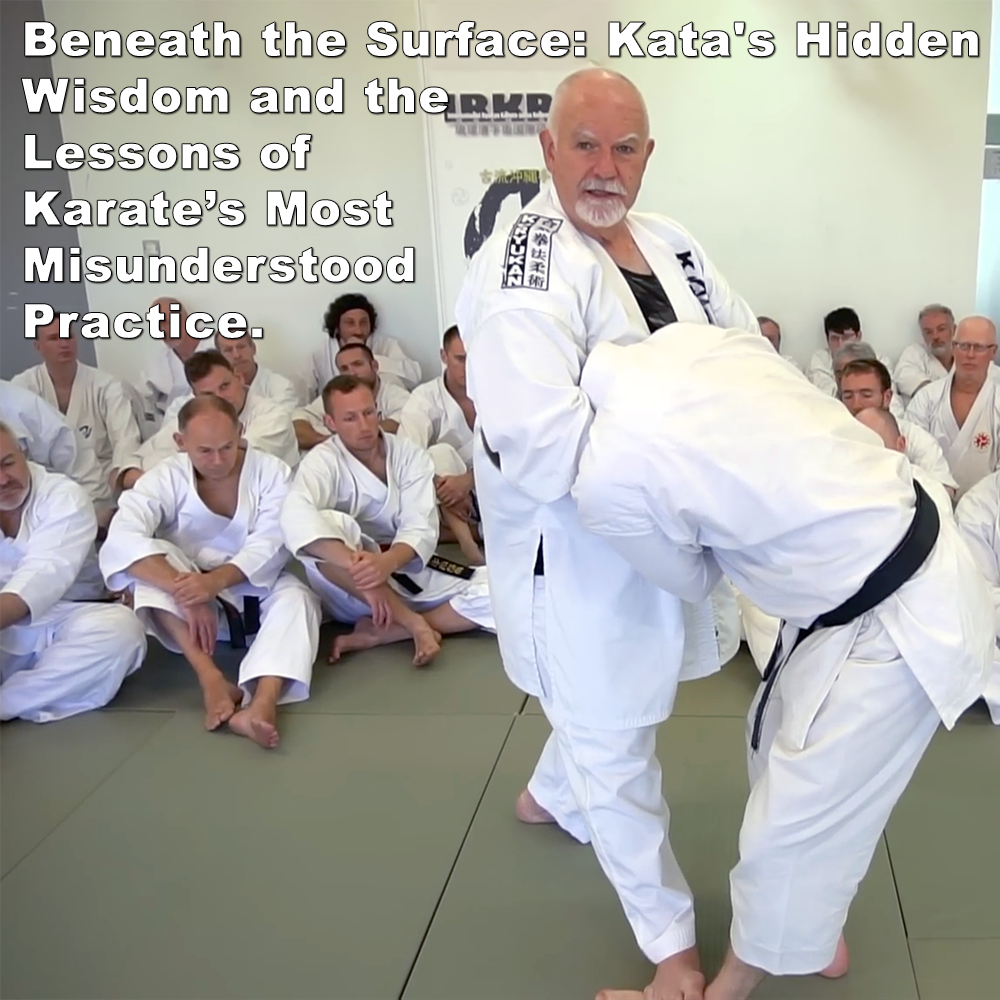
Beneath the Surface: Kata’s Hidden Wisdom and the Lessons of Karate’s Most Misunderstood Practice.

(Approx 2 minute 45 second read) Karate over the decades has been significantly diluted, which means that today, regardless of the reason you’re learning, you might not be getting the full benefit of what this art truly offers. Karate is not just about competition, health, or even the martial art itself – it’s about mastering

Beneath the Surface: Kata’s Hidden Wisdom and the Lessons of Karate’s Most Misunderstood Practice. Read More »

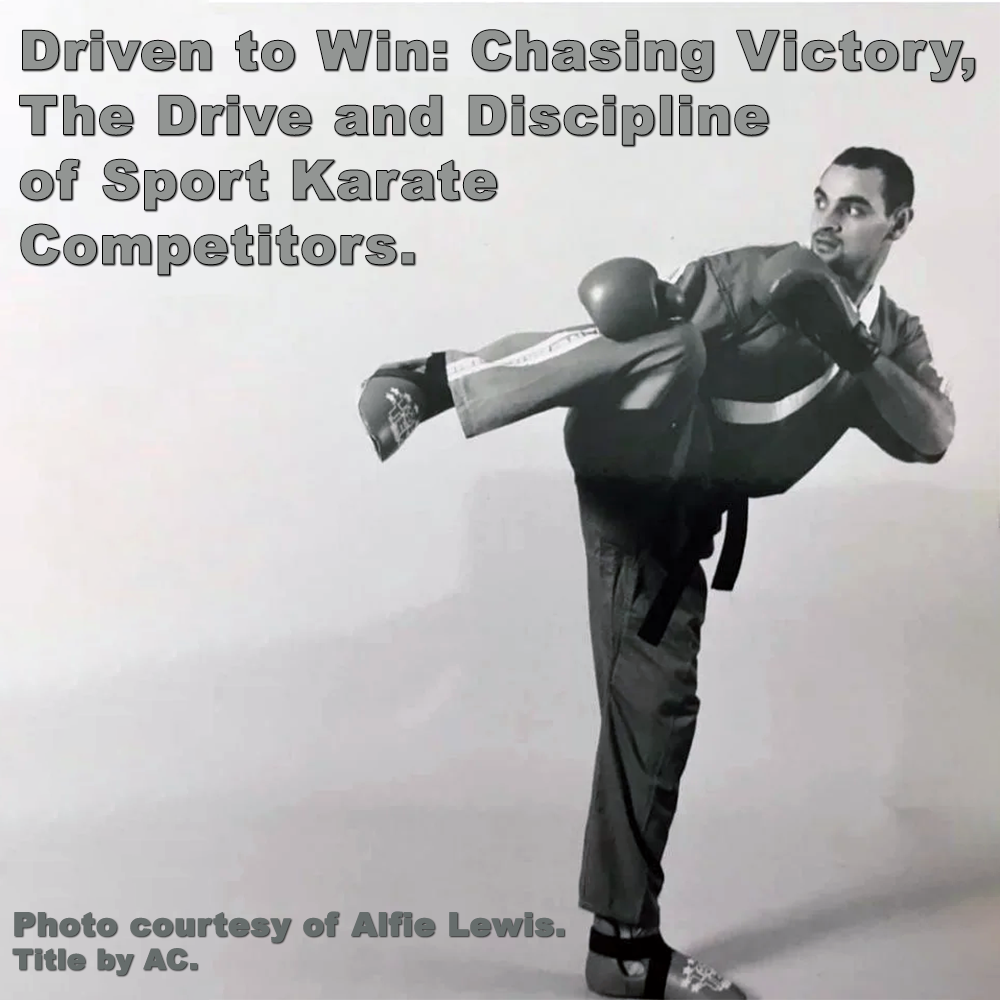
Driven to Win: Chasing Victory, The Drive and Discipline of Sport Karate Competitors.

(Approx 2 minute read) Today, my focus is on the more practical and pragmatic side of karate. However, back in the 1970s and 1980s, I loved the thrill of competition. I’m not talking about street fights of course, but sport karate tournaments. . I wasn’t world champion material, but in my mind, I was. Yes,

Driven to Win: Chasing Victory, The Drive and Discipline of Sport Karate Competitors. Read More »

Beyond the Dance: Kata, A Connection to History, A Method for Today.

The comments on my articles are fascinating; “ditch the dance, modern systems don’t need or use kata, traditional karate is ineffective anyway”. . Traditional karate is not ineffective. The misconception that it’s ineffective often stems from the assumption that “traditional” refers only to the modern, stylized versions seen in tournaments and competition. But traditional karate

Beyond the Dance: Kata, A Connection to History, A Method for Today. Read More »

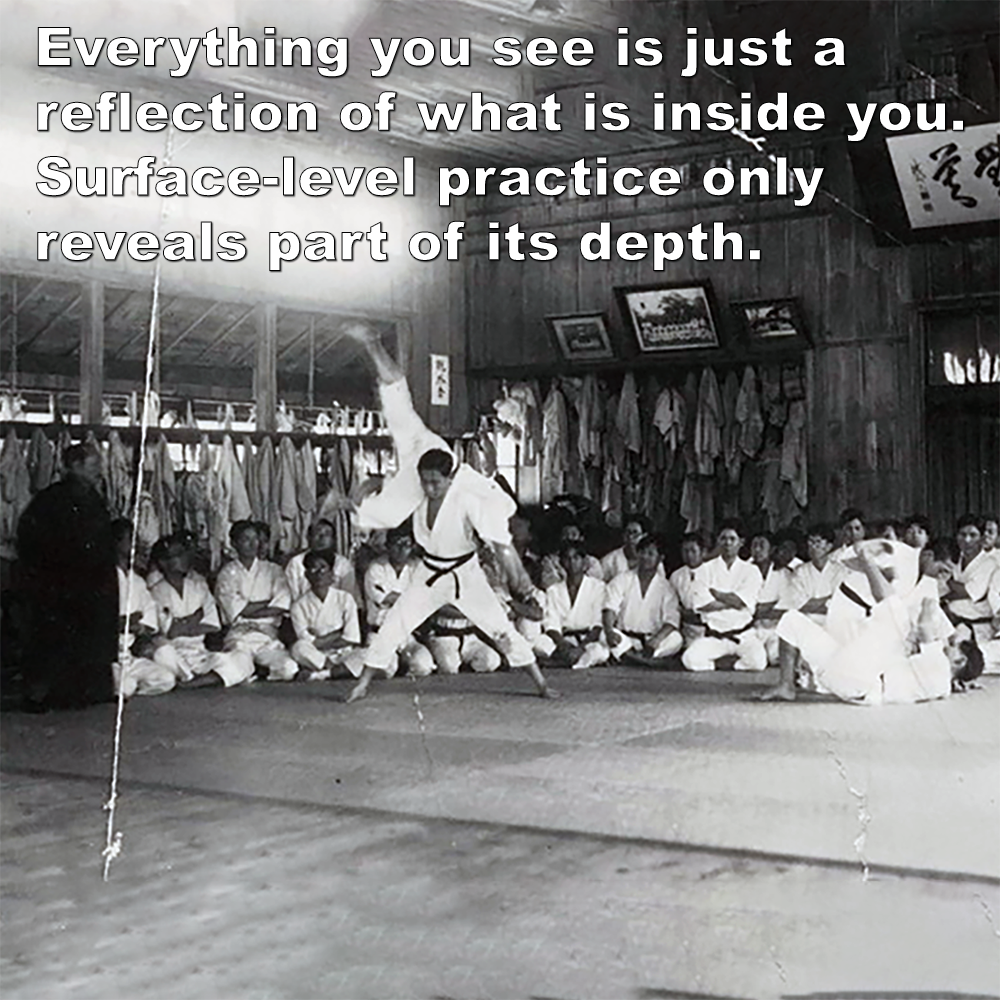
Everything you see is just a reflection of what is inside you. Surface-level practice only reveals part of its depth.

(Approx 1 minute 50 second read) “As up to now [1938] karate has only partly been introduced in Tokyo, people who exercise karate in Tokyo believe that it solely consists of punching and kicking techniques. When talking about ‘gyaku-waza’ (locks) and ‘nage-waza’ (throws) they assume that these only exist in jūjutsu and jūdō. This way

Everything you see is just a reflection of what is inside you. Surface-level practice only reveals part of its depth. Read More »

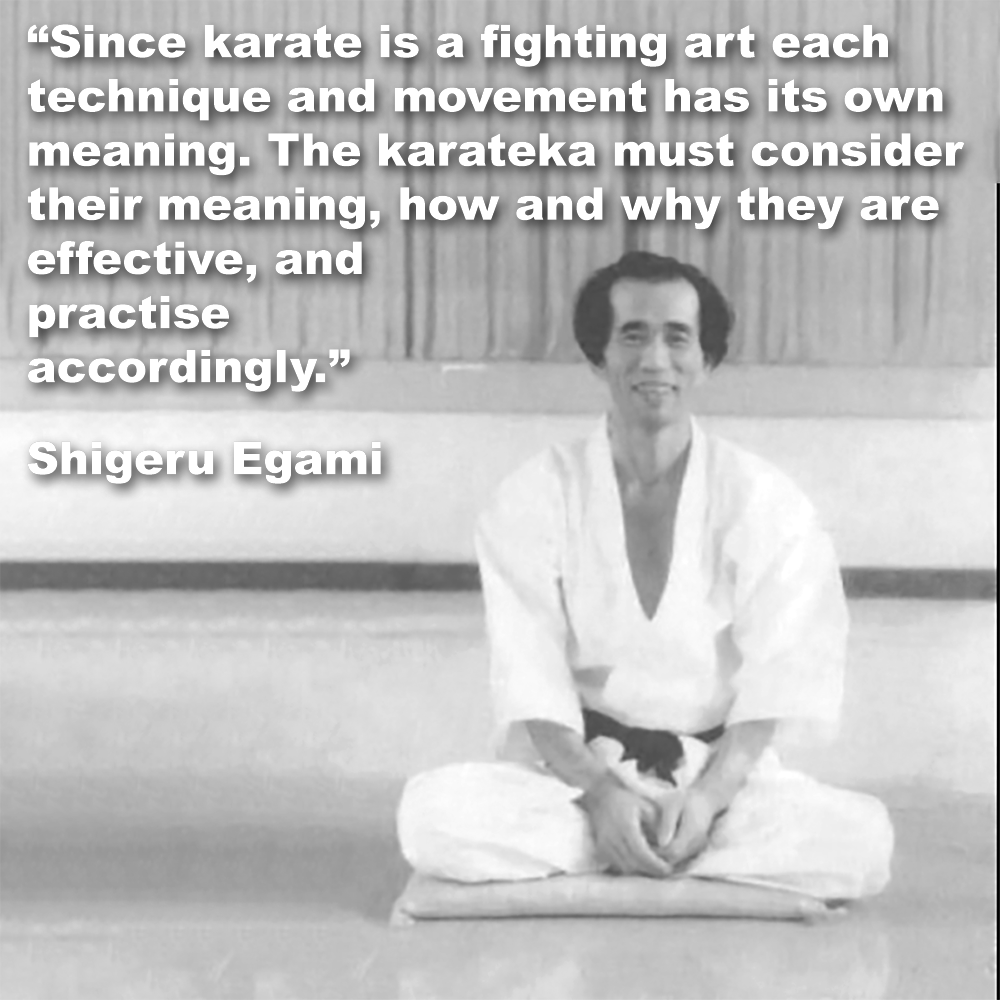
“Since karate is a fighting art each technique and movement has its own meaning. The karateka must consider their meaning, how and why they are effective, and practise accordingly.”

(Approx 1 minute 50 second read) “The techniques should not be practised simply so they can be performed in the kata. Since karate is a fighting art each technique and movement has its own meaning. The karateka must consider their meaning, how and why they are effective, and practise accordingly.” Shigeru Egami – ‘The Heart

“Since karate is a fighting art each technique and movement has its own meaning. The karateka must consider their meaning, how and why they are effective, and practise accordingly.” Read More »

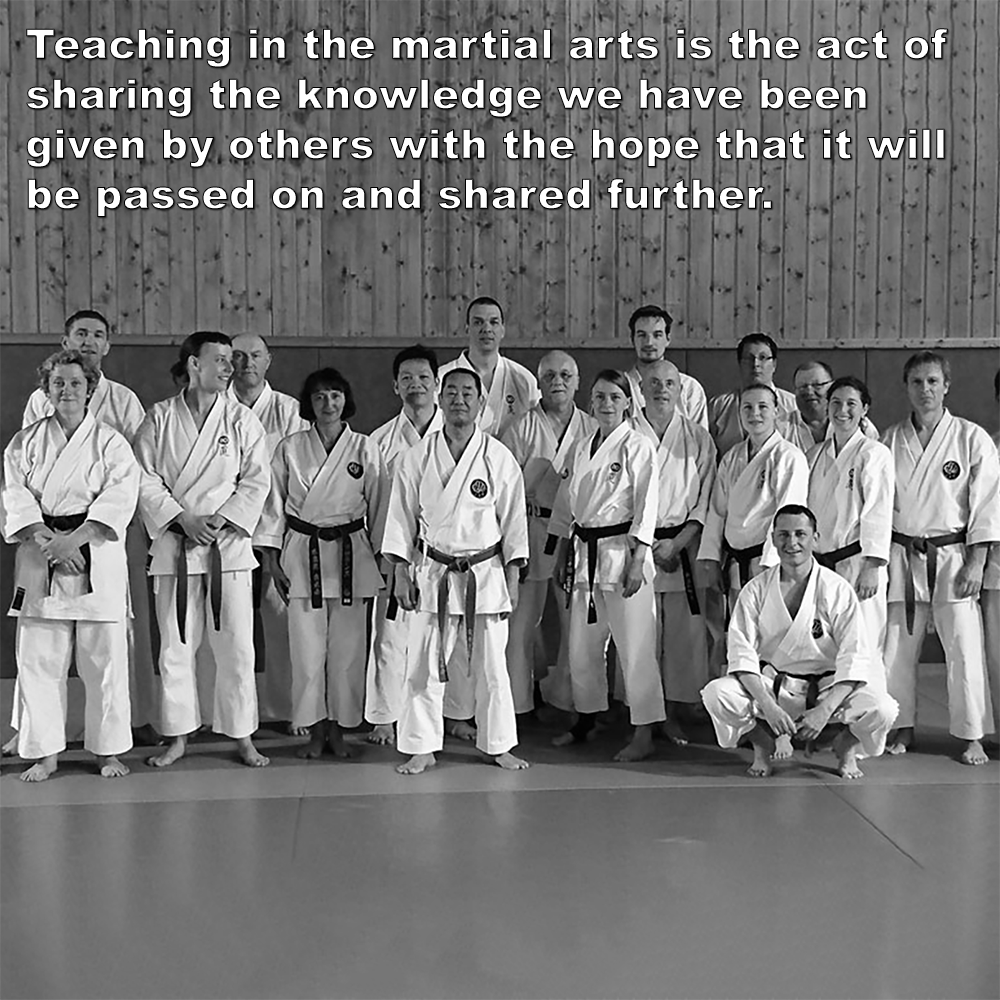
Teaching in the martial arts is the act of sharing the knowledge we have been given by others with the hope that it will be passed on and shared further.

Teaching in the martial arts is the act of sharing the knowledge we have been given by others with the hope that it will be passed on and shared further. It’s a continuous act of giving and receiving, creating a ripple effect through each student guided by a teacher. . A teacher’s purpose is to

Teaching in the martial arts is the act of sharing the knowledge we have been given by others with the hope that it will be passed on and shared further. Read More »

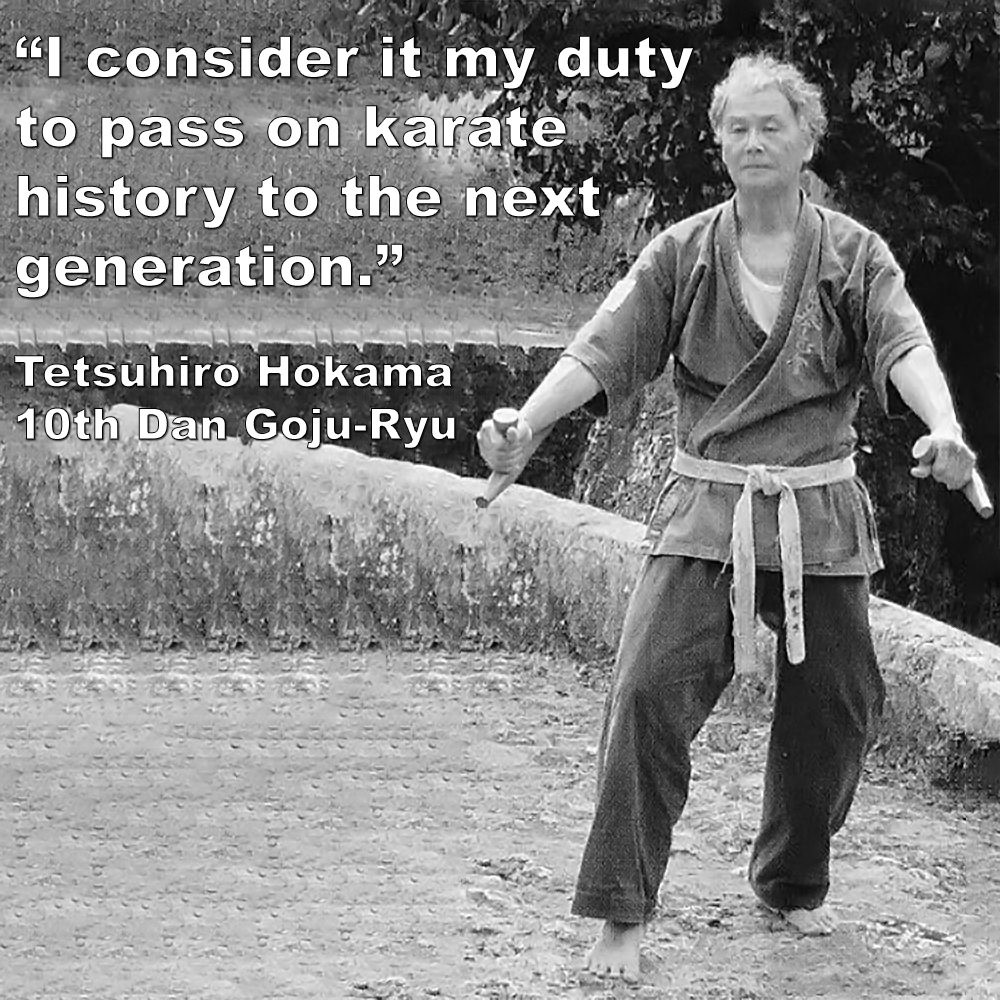
“I consider it my duty to pass on karate history to the next generation.”

“I started karate by practicing the Shorin-Ryu style under the supervision of my grandfather. After he passed away however, my family moved to Naha city, where I was acquainted with my new instructors. They taught me Goju-Ryu style karate as well as kobudo. Every day it was the same routine, train at school, train at

“I consider it my duty to pass on karate history to the next generation.” Read More »

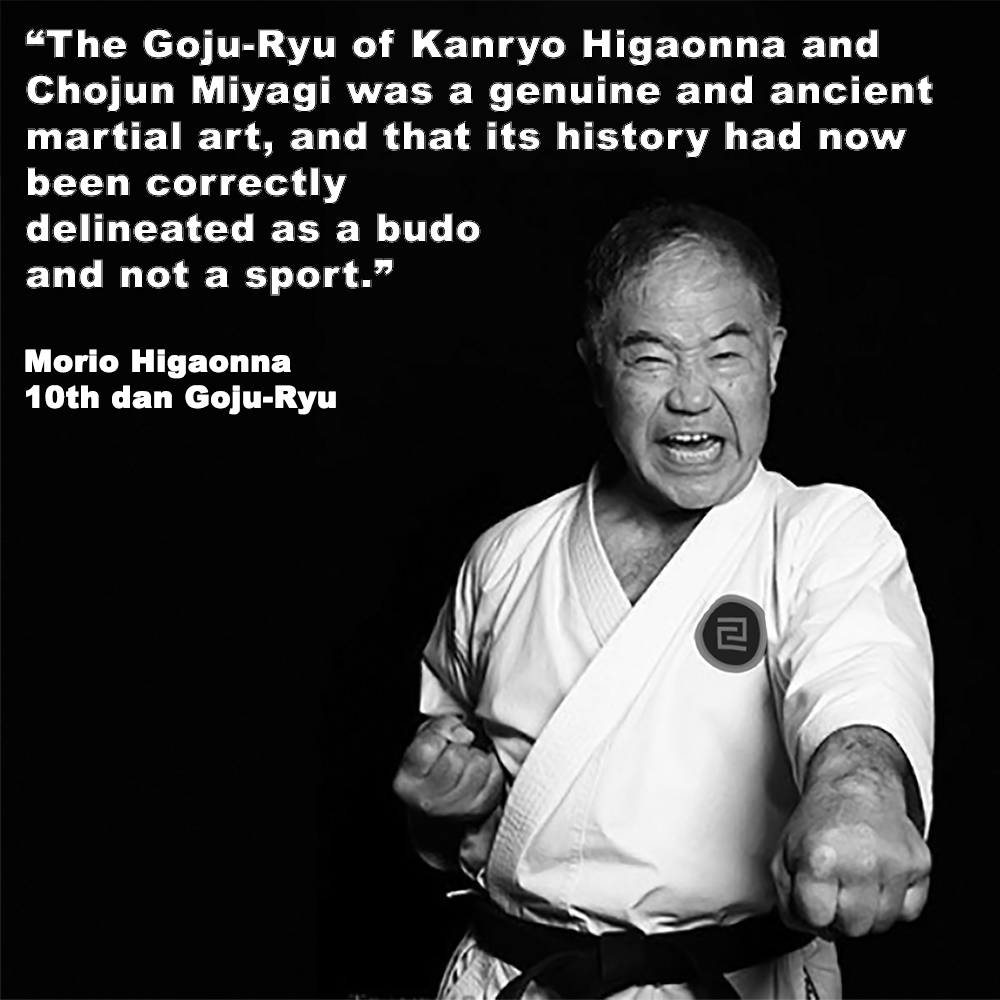
“The Goju-Ryu of Kanryo Higaonna and Chojun Miyagi was a genuine and ancient martial art, and that its history had now been correctly delineated as a budo and not a sport.”

(Approx 2 minute read) “What style do you practice?” I get asked this question when anyone learns that I practice karate. It’s also one of the first questions asked when anyone calls or messages about joining us. . While the question is understandable, it can sometimes be frustrating. It can feel like the focus is

“The Goju-Ryu of Kanryo Higaonna and Chojun Miyagi was a genuine and ancient martial art, and that its history had now been correctly delineated as a budo and not a sport.” Read More »