Style

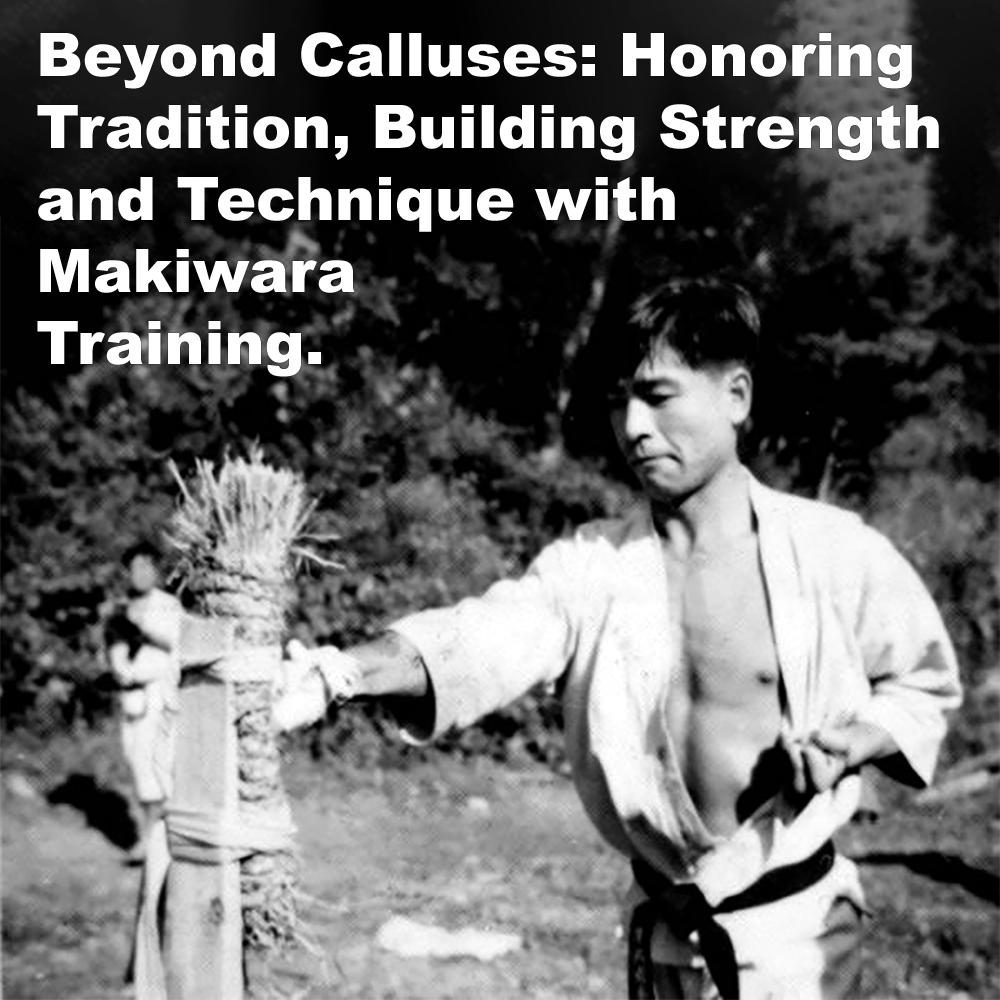
Beyond Calluses: Honoring Tradition, Building Strength and Technique with Makiwara Training.

(Approx 2 minute 10 second read) In 1908, Anko Itosu wrote a letter called the “Ten Precepts (Tode Jukun) of Karate” to draw the attention of Japan’s Ministry of Education and Ministry of War toward karate. . One particular point in Itosu’s fourth precept stands out: the importance of the makiwara. “In karate, training of […]
Beyond Calluses: Honoring Tradition, Building Strength and Technique with Makiwara Training. Read More »

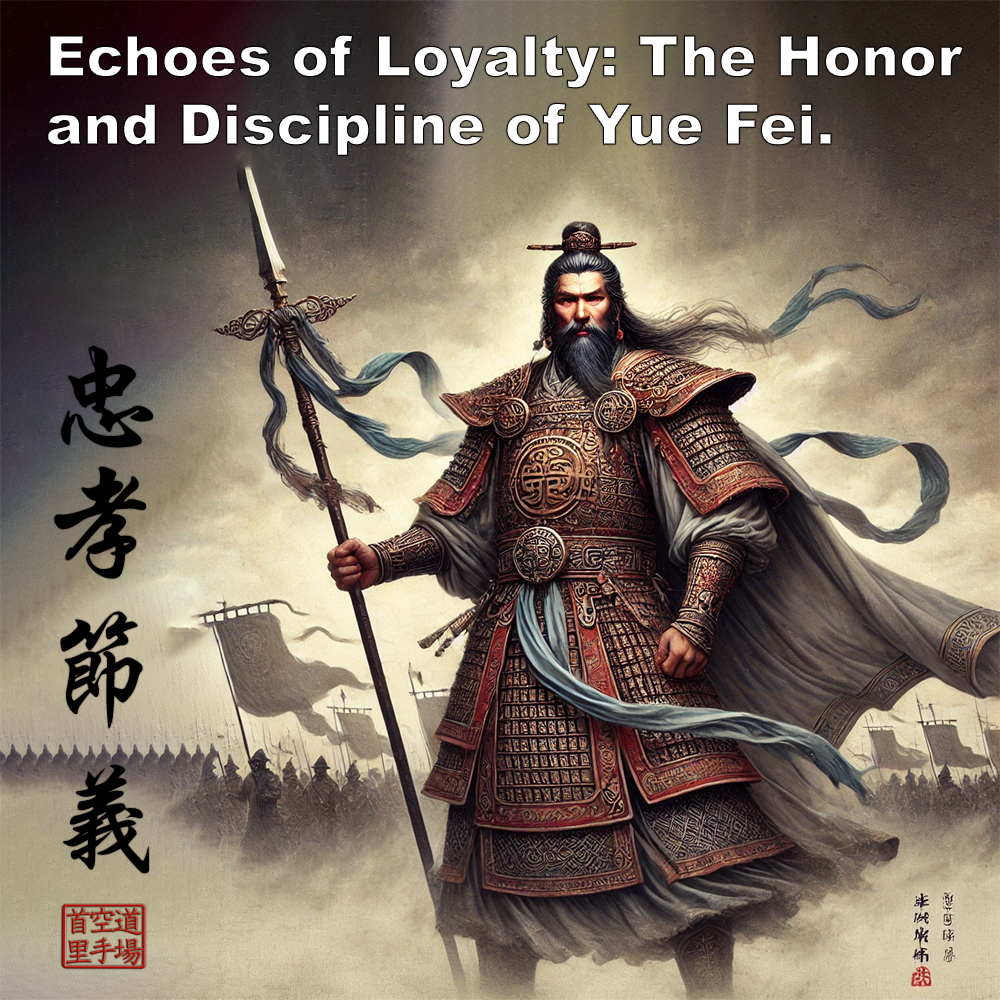
Echoes of Loyalty: The Honor and Discipline of Yue Fei.

(Approx 2 minute 20 second read) Yue Fei, a legendary general from the Song Dynasty, is a figure whose legacy resonates across cultures and martial traditions. . Though Yue Fei lived in 12th-century China, his story symbolizes universal martial virtues. He is remembered for his loyalty, discipline, and moral integrity – principles echoed throughout the

Echoes of Loyalty: The Honor and Discipline of Yue Fei. Read More »

Kata: More Than a Theatrical Performance – A Record of Practical Combat.

(Approx 2 minute 20 second read) For most people, kata is a solo performance, mostly there to pass a grade. For a practitioner with limited experience, this is an important stage of practice. If you can’t perform the movements efficiently without an opponent, you’ll have no chance of making them work against an aggressive one.

Kata: More Than a Theatrical Performance – A Record of Practical Combat. Read More »

Earned or Given: The Belt Without Merit. Is A Grade for Sale?

(Approx 2 minute 30 second read) In the world of martial arts, grades, are viewed as a reflection of a practitioner’s journey – a combination of technical ability, deeper understanding, and personal character. . Yet, there are times when we encounter individuals whose grade seems to far outshine their skills, knowledge, or behavior. Such instances

Earned or Given: The Belt Without Merit. Is A Grade for Sale? Read More »

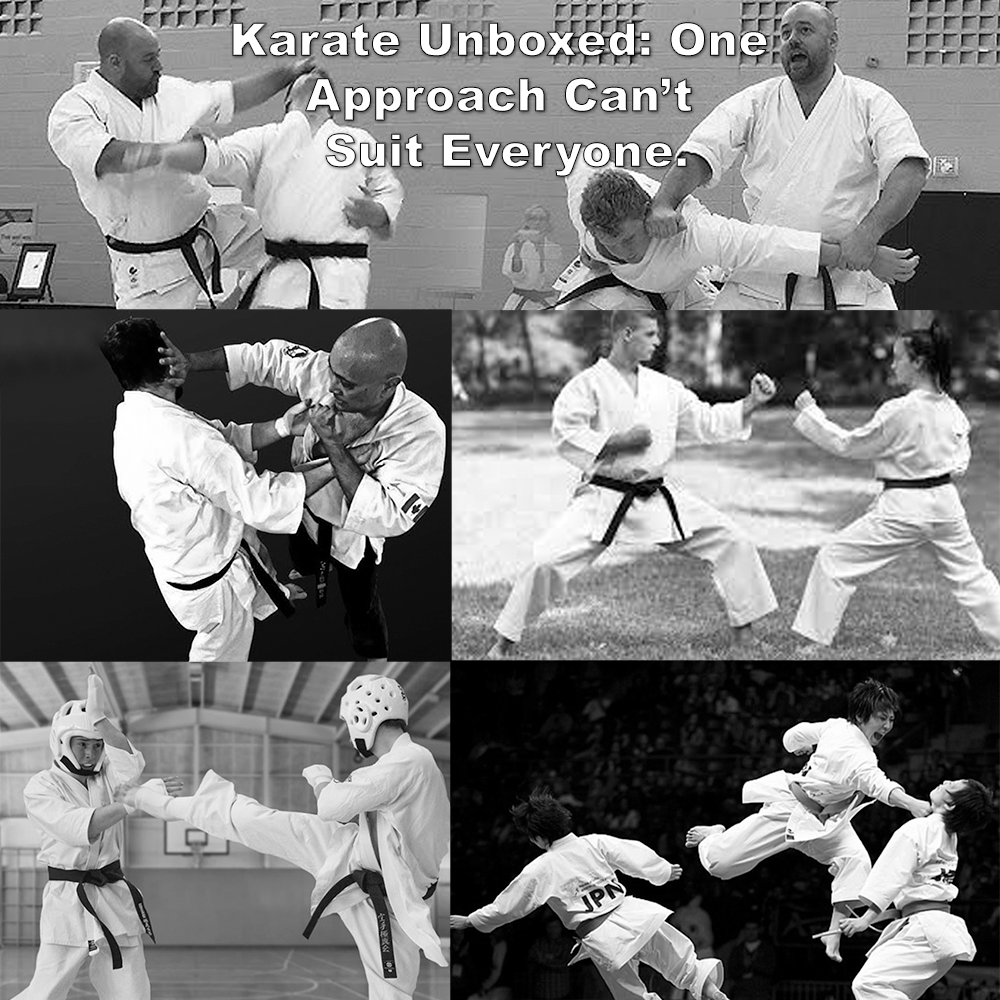
Karate Unboxed: One Approach Can’t Suit Everyone.

(Approx 2 minute read) Should we differentiate the various forms of karate or even consider renaming them? For instance, Sport-karate, Children’s-karate, Practical-karate, or 3K karate? . The failure to differentiate between contexts is widespread, and for me, it’s essential, especially when discussing what it is that you practice or teach. Criticizing sport-karate for not working

Karate Unboxed: One Approach Can’t Suit Everyone. Read More »

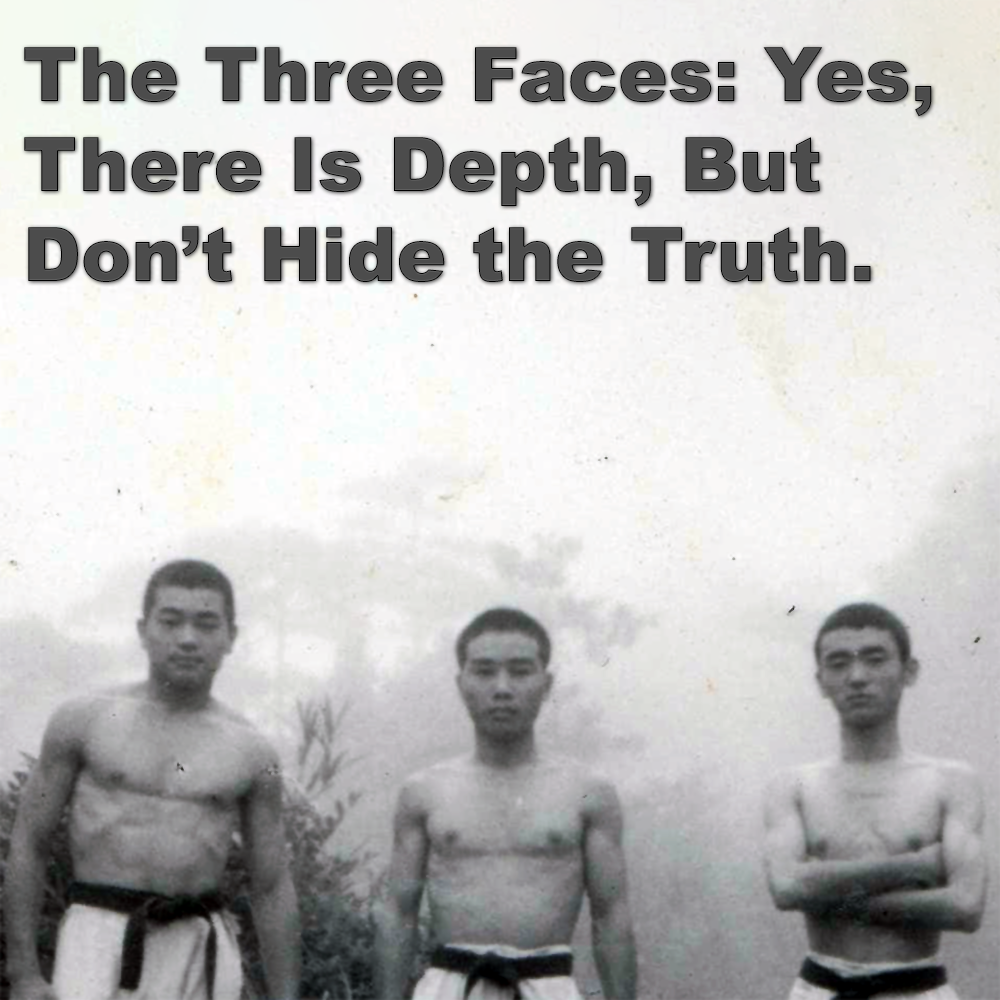
The Three Faces: Yes, There Is Depth, But Don’t Hide the Truth.

(Approx 1 minute 25 second read) Someone recently suggested that a Japanese instructor might not show the correct application of karate techniques because of their “three faces”. . This phrase refers to the idea, often associated with Japanese culture, that individuals present themselves differently in various social contexts. . It is sometimes expressed as “three

The Three Faces: Yes, There Is Depth, But Don’t Hide the Truth. Read More »

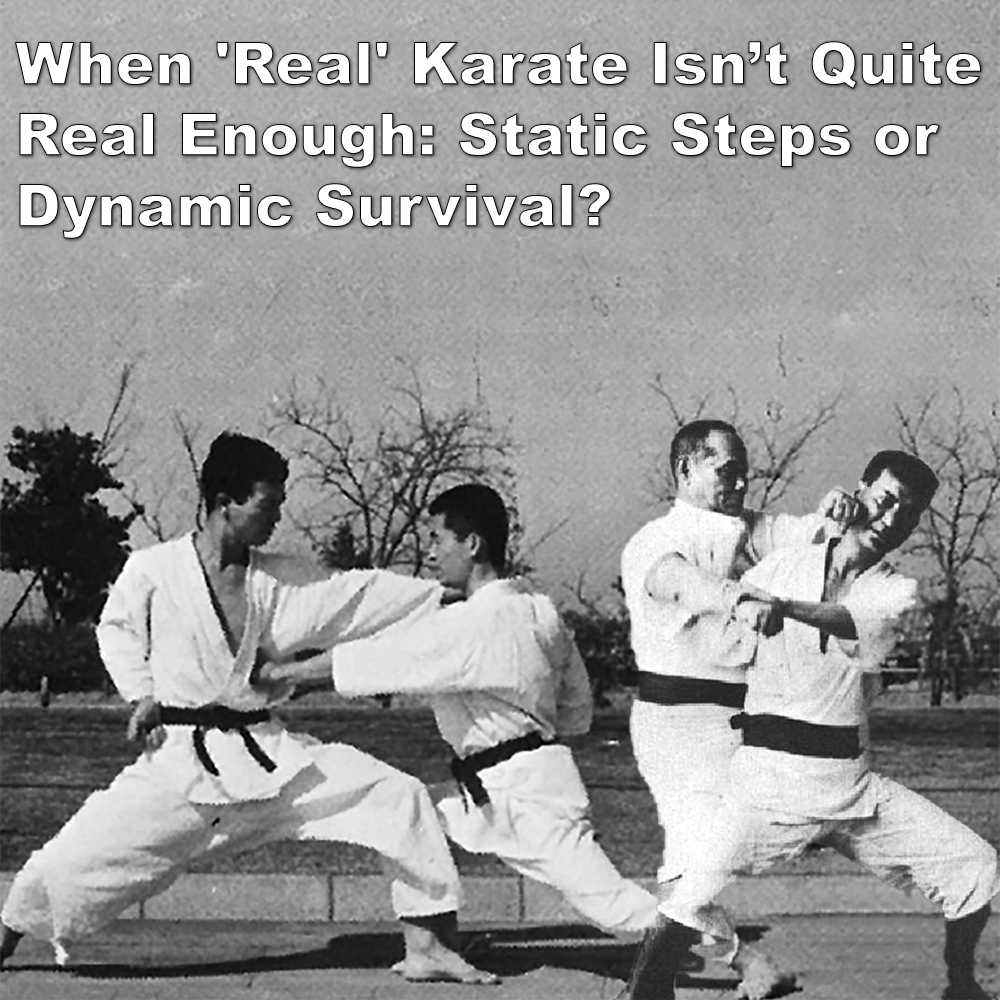
When ‘Real’ Karate Isn’t Quite Real Enough: Static Steps or Dynamic Survival?

(Approx 2 minute 40 second read) I mentioned in an article recently that an Okinawan teacher showed his black belts a series of techniques meant to showcase ‘real’ karate. Unfortunately, expectations are never as exciting as reality. . Firstly, someone said to me in the comments section, “Can you provide a link to the video?”

When ‘Real’ Karate Isn’t Quite Real Enough: Static Steps or Dynamic Survival? Read More »