Student

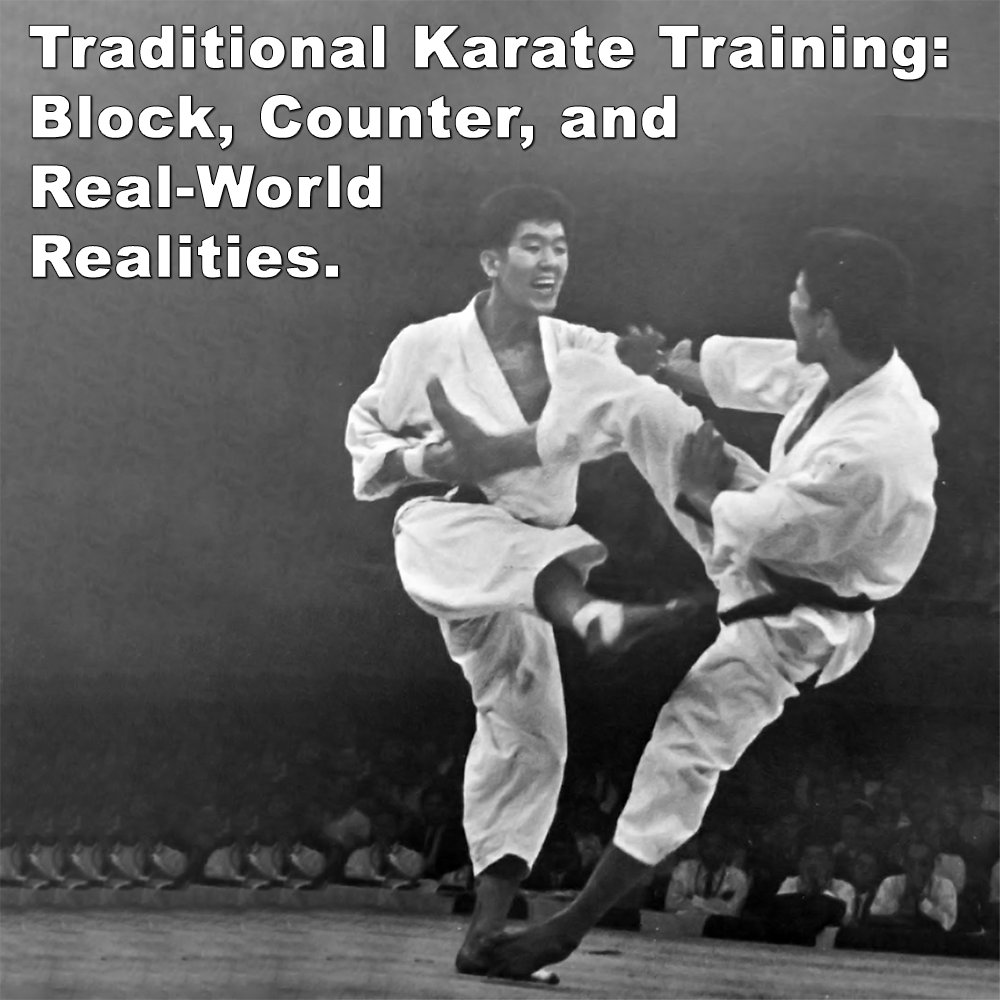
Traditional Karate Training: Block, Counter, and Real-World Realities.

(Approx 2 minute 40 second read) Many believe “traditional karate” is a direct descendant of ancient, battle-tested martial arts. However, the karate popularized and taught in schools and universities in Japan during the early 20th century underwent significant changes with many of the so-called ‘dangerous’ techniques removed. . Karate became a way to develop strong

Traditional Karate Training: Block, Counter, and Real-World Realities. Read More »

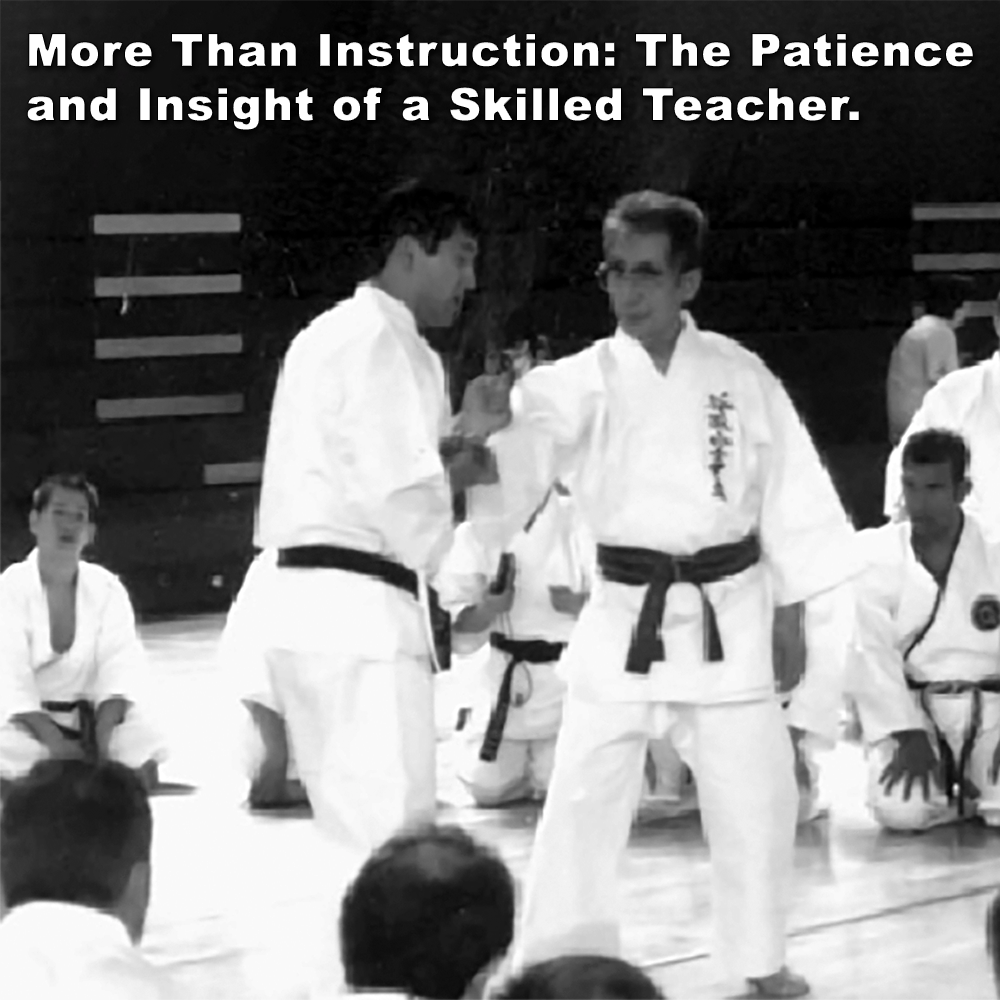
More Than Instruction: The Patience and Insight of a Skilled Teacher.

(Approx 1 minute 36 second read) We all know that the role of a good instructor is pivotal to learning and understanding. A skilled karate instructor goes beyond simply demonstrating techniques for the next grading. . As an instructor, a teacher, true proficiency lies in keenly observing and understanding each student’s unique path. . Unfortunately,

More Than Instruction: The Patience and Insight of a Skilled Teacher. Read More »

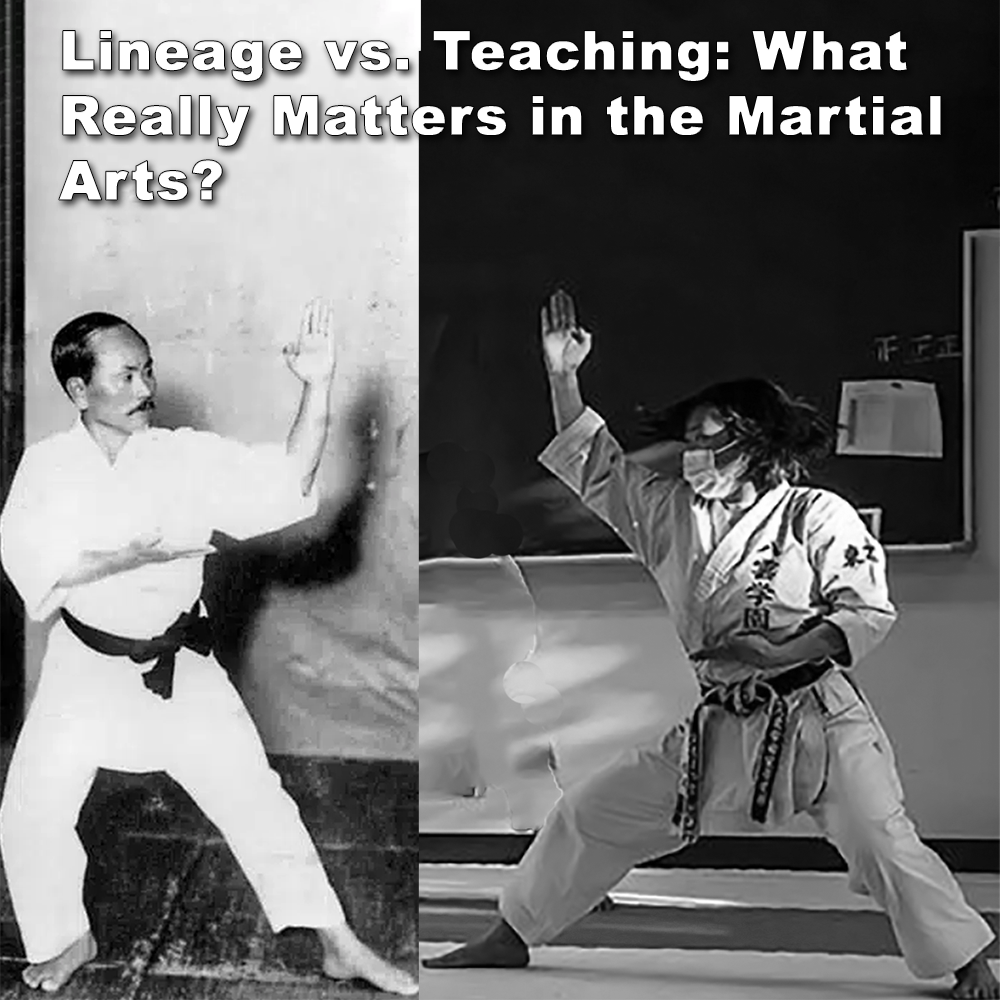
Lineage vs. Teaching: What Really Matters in the Martial Arts?

(Approx 1 minute 35 second read) Lineage holds a significant place in traditional martial arts, signifying a historical line of teachers and students who have passed down knowledge and skills through generations. . This unbroken chain connects practitioners to the art’s origins and fosters a responsibility to preserve its legacy. . Studying under a master

Lineage vs. Teaching: What Really Matters in the Martial Arts? Read More »

“Kata were never meant to ‘teach’ us anything but rather to culminate the lessons we should have already learned in two-person practice.”

(Approx 2 minute 10 second read) Recently, a comment on one of my articles challenged the notion that kata originated from two-person drills, asserting that “there is no evidence” to support this claim. . This critic argued that kata were devised independently and later had practical applications extracted from them. However, this viewpoint overlooks critical

“Kata were never meant to ‘teach’ us anything but rather to culminate the lessons we should have already learned in two-person practice.” Read More »