Student

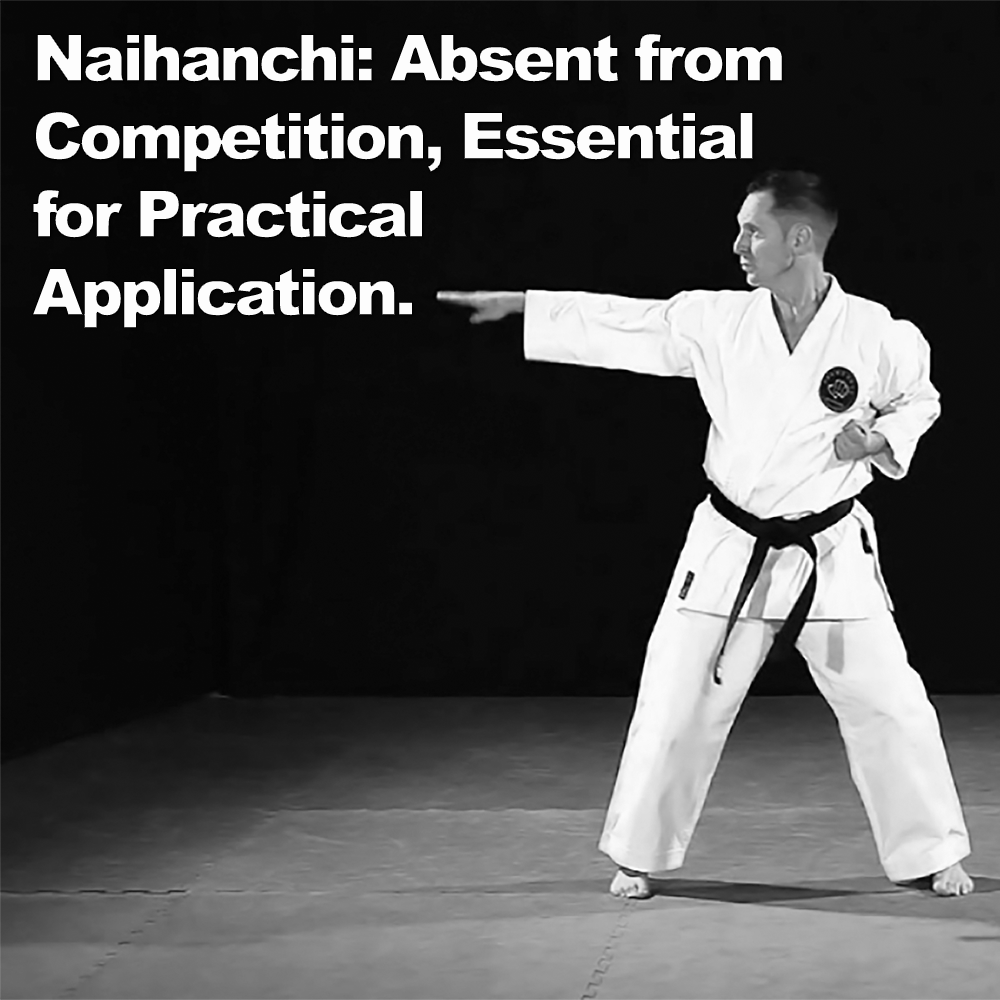
Naihanchi: Absent from Competition, Essential for Practical Application.

(Approx 2 minute read) Naihanchi kata, simple in appearance but profound in application. Its name is commonly interpreted as “sideways fighting”, referencing the kata’s distinctive embusen. Although other interpretations also exist. . Gichin Funakoshi, renamed the kata ‘Tekki’ (Iron Horse), honoring his teacher Anko Itosu and emphasizing its strength and stability. While the precise origins

Naihanchi: Absent from Competition, Essential for Practical Application. Read More »
Educating with Insight: Ensuring Depth and Authenticity in Karate Teaching.

(Approx 2 minute 35 second read) Itosu Anko was in his 70s when he finalized the Pinan kata. Those forms were simplified and organized into a curriculum suitable for instructing larger groups, particularly within the Okinawan school system. Karate was to be promoted as a way to encourage physical education, discipline, and moral character in

Educating with Insight: Ensuring Depth and Authenticity in Karate Teaching. Read More »

Challenging Conformity: The Power of Questioning What You Know to Discover Genuine Understanding.

(Approx 2 minute 25 second read) Recently, someone sent me a message with the abrupt opener, “Who are you?” – not the most polite way to start a conversation. After some back-and-forth, and after I pointed out the rudeness of his approach, I learned he was upset about a quote I had used in one

Challenging Conformity: The Power of Questioning What You Know to Discover Genuine Understanding. Read More »

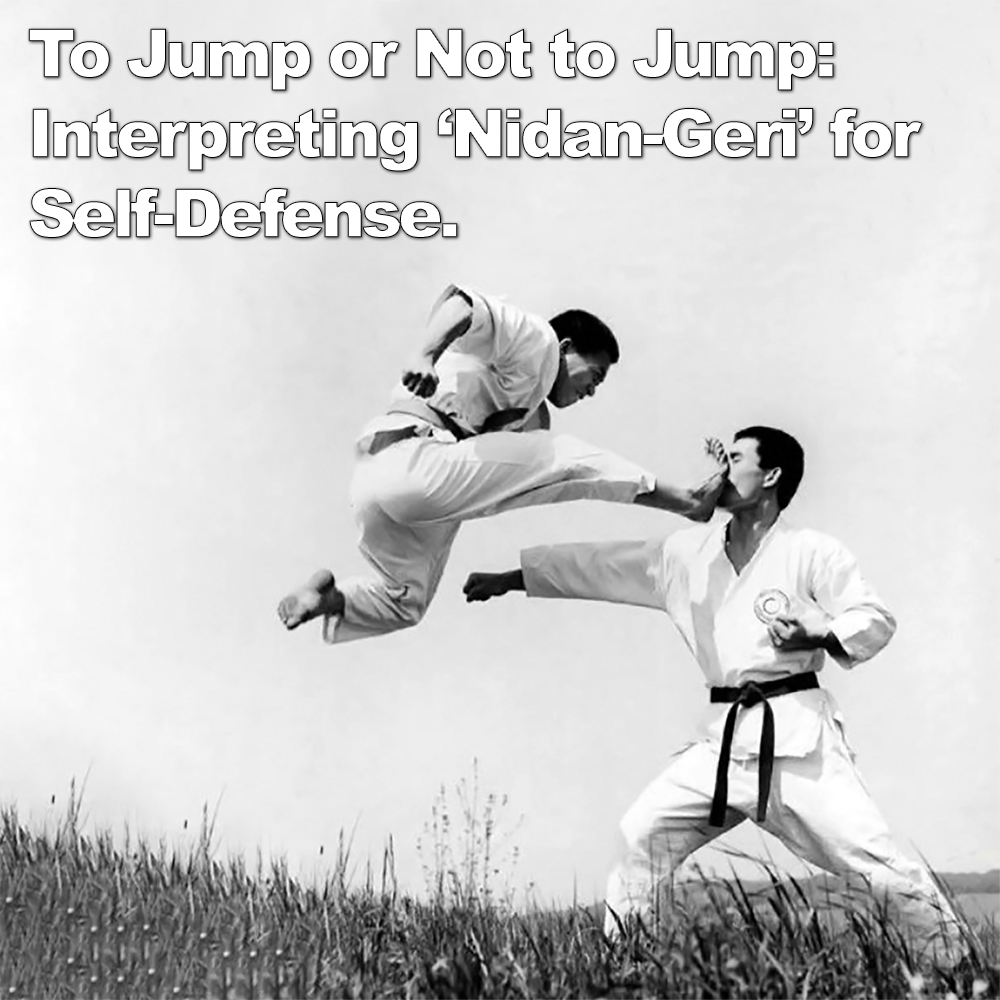
To Jump or Not to Jump: Interpreting ‘Nidan-Geri’ for Self-Defense.

(Approx 2 minute 10 second read) In most kata, the template shows us that kicks tend to be delivered singularly, but there are a few kata where multiple kicks are presented. This raises an important question: What purpose do these multiple kicks serve in the context of self-defense? . Commonly referred to as “Nidan-geri” (二段蹴り).

To Jump or Not to Jump: Interpreting ‘Nidan-Geri’ for Self-Defense. Read More »

The Divisiveness in the Martial Arts: Why Are We So Divided and Broken?

(Approx 1 minute 50 second read) Why, in a discipline meant to promote humility, respect, and self-discipline, do we find ourselves so divided and broken? . Perhaps it stems from the loyalty practitioners develop toward their chosen style, instructor, or dojo. While this sense of belonging is a powerful motivator, it can easily transform into

The Divisiveness in the Martial Arts: Why Are We So Divided and Broken? Read More »

Structure, Curiosity, and Asking “Why?” – The Journey Continues.

(Approx 2 minute 45 second read) When you are inexperienced in the martial arts, or anything really, there comes a point in time where you start asking questions. Some will question themselves, others will ask questions of their instructor, or someone outside their dojo or association. You may not get the answers you were looking

Structure, Curiosity, and Asking “Why?” – The Journey Continues. Read More »

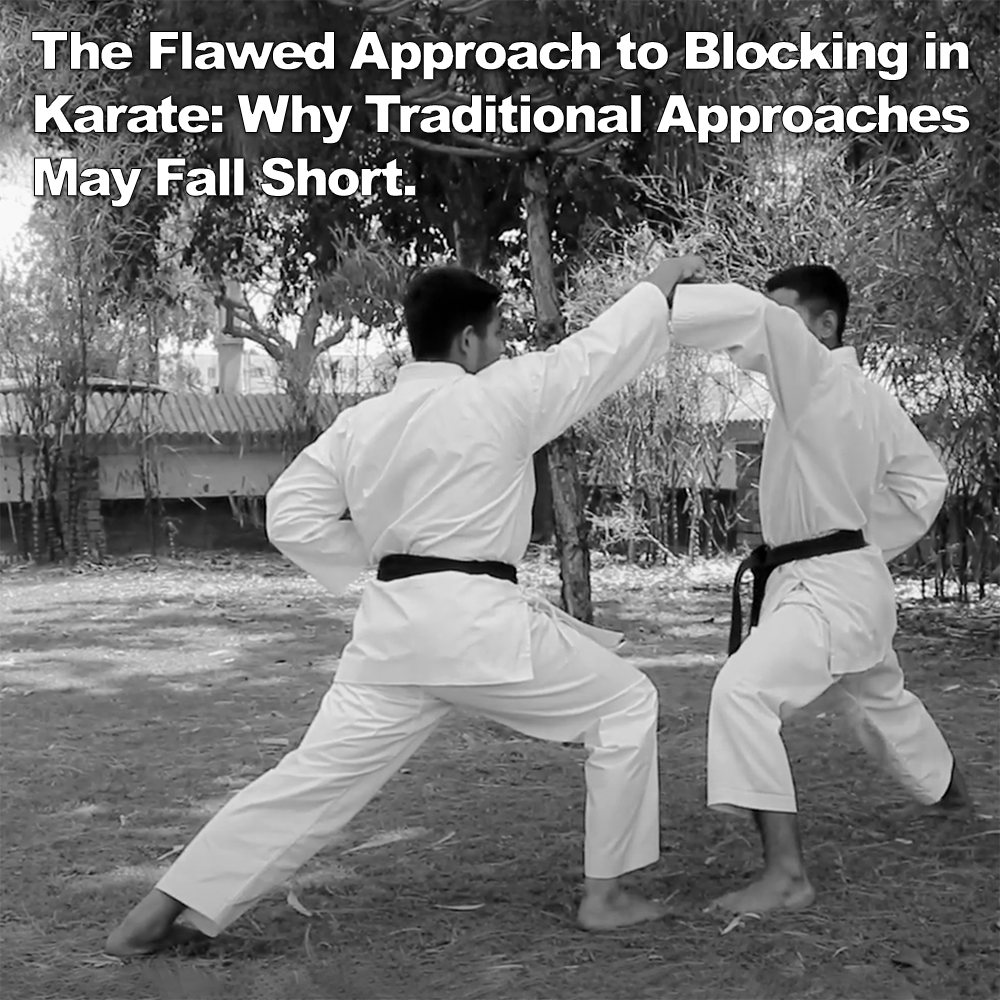
The Flawed Approach to Blocking in Karate: Why Traditional Approaches May Fall Short.

(Approx 2 minute 45 second read) In a recent article, I depicted a practitioner blocking a Bo with a ‘Jodan Age Uke,’ explaining that using this technique in the way depicted is likely to cause injury. One comment disagreed with my perspective, arguing that this is an appropriate defense against such a weapon. . The

The Flawed Approach to Blocking in Karate: Why Traditional Approaches May Fall Short. Read More »