Martial Arts

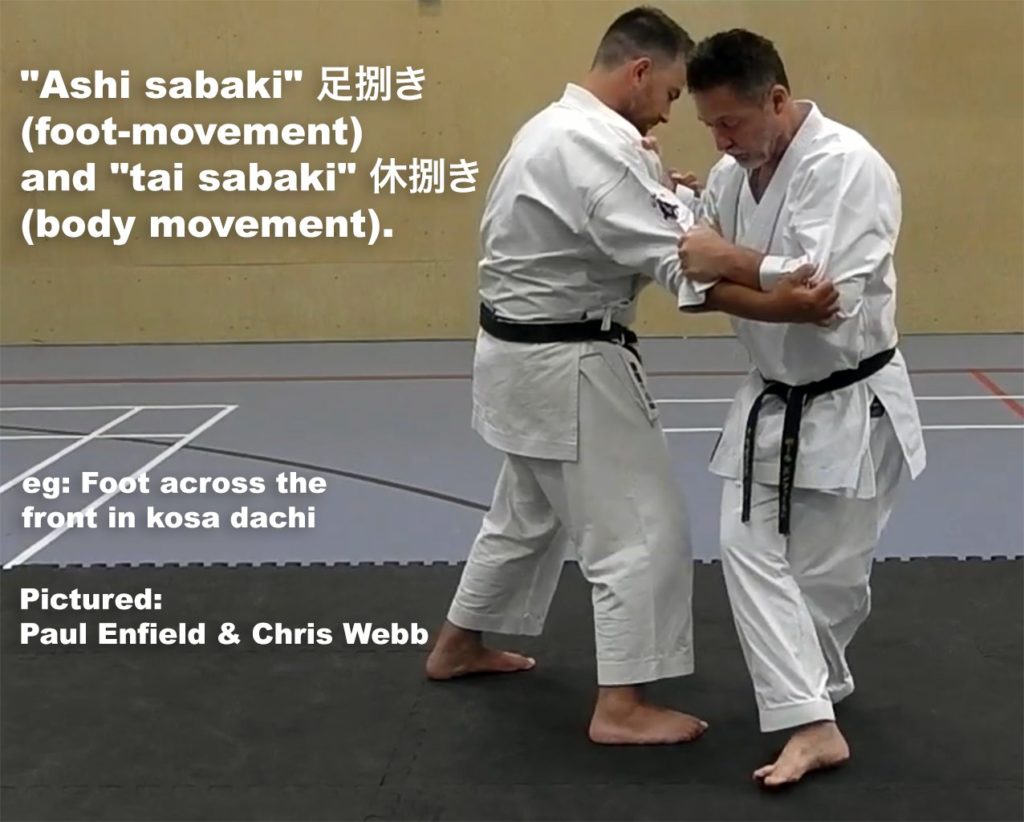
The principles of “ashi sabaki.”

Practicing the principles of “ashi sabaki” 足捌き (foot-movement) and “tai sabaki” 休捌き (body movement). ?? . . Tai sabaki (体捌き) is a term which relates to ‘whole body movement’, or repositioning. Tai sabaki is usually used to avoid an attack, such that the receiver of the attack ends up in an advantageous position (angle). .

The principles of “ashi sabaki.” Read More »

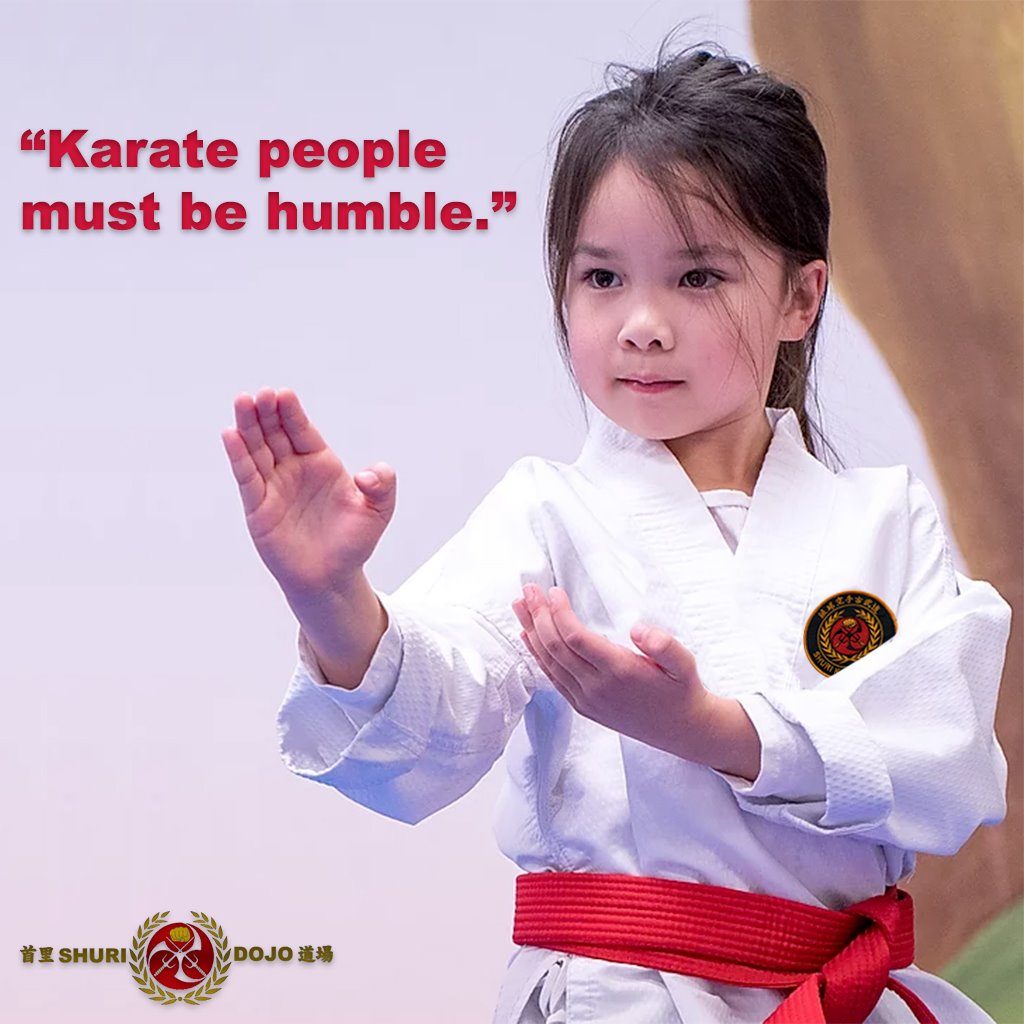
Karate people must be humble.

“Karate people must be humble.” ?? . Humility is a very important human trait that all people should exercise in their lives. Being humble means you aren’t too big for any lesson that may come your way. The core significance of being humble is that humility keeps you constantly receptive to opportunities for improvement. . In

Karate people must be humble. Read More »

A man’s word is his honor.

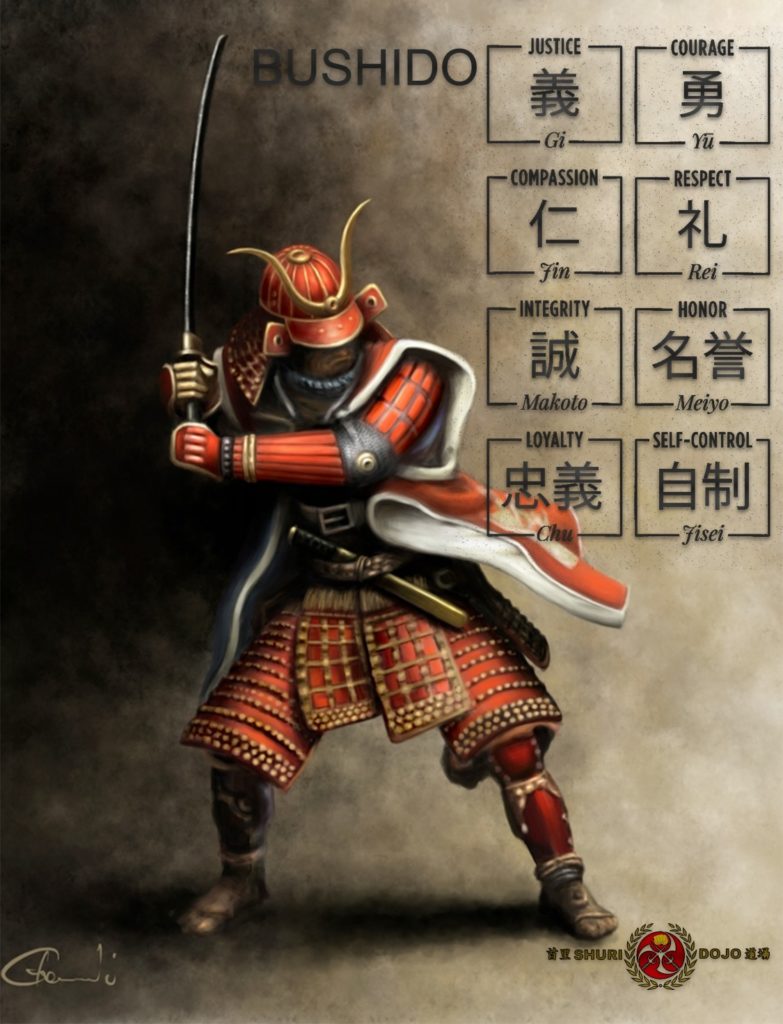
Bushido is a code of conduct that emerged in Japan from the Samurai, or Japanese warriors, who spread their ideals throughout society. They drew inspiration from Confucianism, which is a relatively conservative philosophy and system of beliefs that places a great deal of importance on loyalty and duty. The Bushido code contains eight key principles

A man’s word is his honor. Read More »

Allow yourself to be a beginner.

“The beginning is the most important part of the work.” ~ Plato . We often focus on endings, desired outcomes, the end of the road, how we want things turn out. Even when we practice our techniques, most students, and some instructors, focus on the end of the technique, forgetting that there is a beginning

Allow yourself to be a beginner. Read More »

Difficult doesn’t mean impossible.

“Difficult doesn’t mean impossible. It simple means that you have to work hard.” ?? . Karate is not easy. Everything seems difficult the first time. But as you keep practicing, it becomes easier to accomplish. The task isn’t the one getting easier; it’s actually you who is improving. . Sometimes, we encounter a technique, a drill

Difficult doesn’t mean impossible. Read More »