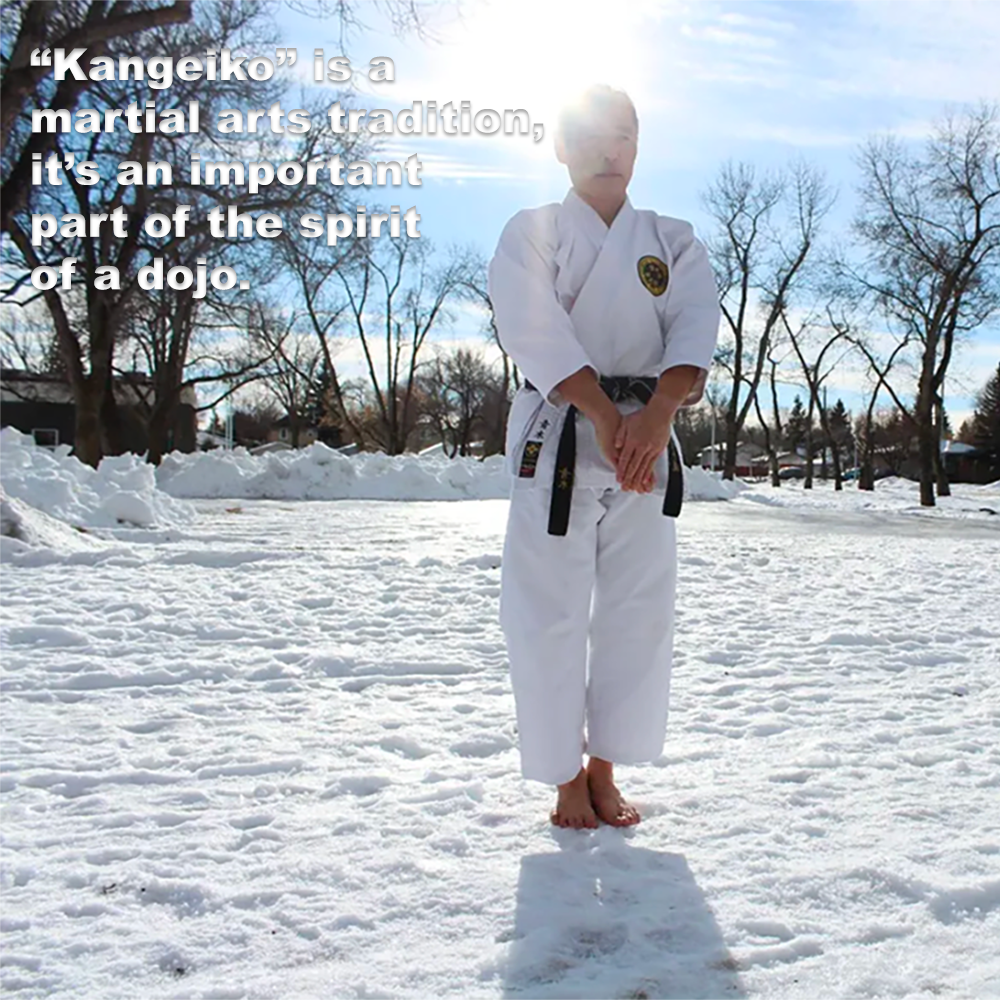
“Kangeiko” is a martial arts tradition, it’s an important part of the spirit of a dojo.

As the temperatures plummet again this time of year our thoughts turn to “Kangeiko” (寒稽古). The purpose of kangeiko is to begin the new year with a personal challenge, renew the spirit and set a tone of excellence for the entire year. . Kangeiko (literally ‘cold training’ or ‘winter training’) is a common practice of […]

“Kangeiko” is a martial arts tradition, it’s an important part of the spirit of a dojo. Read More »
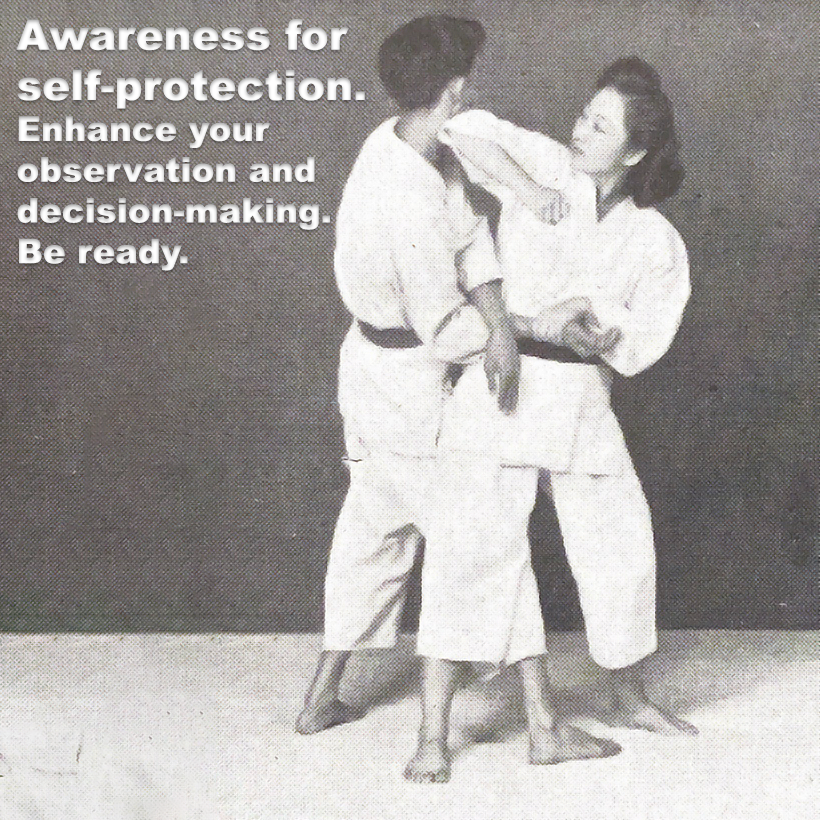
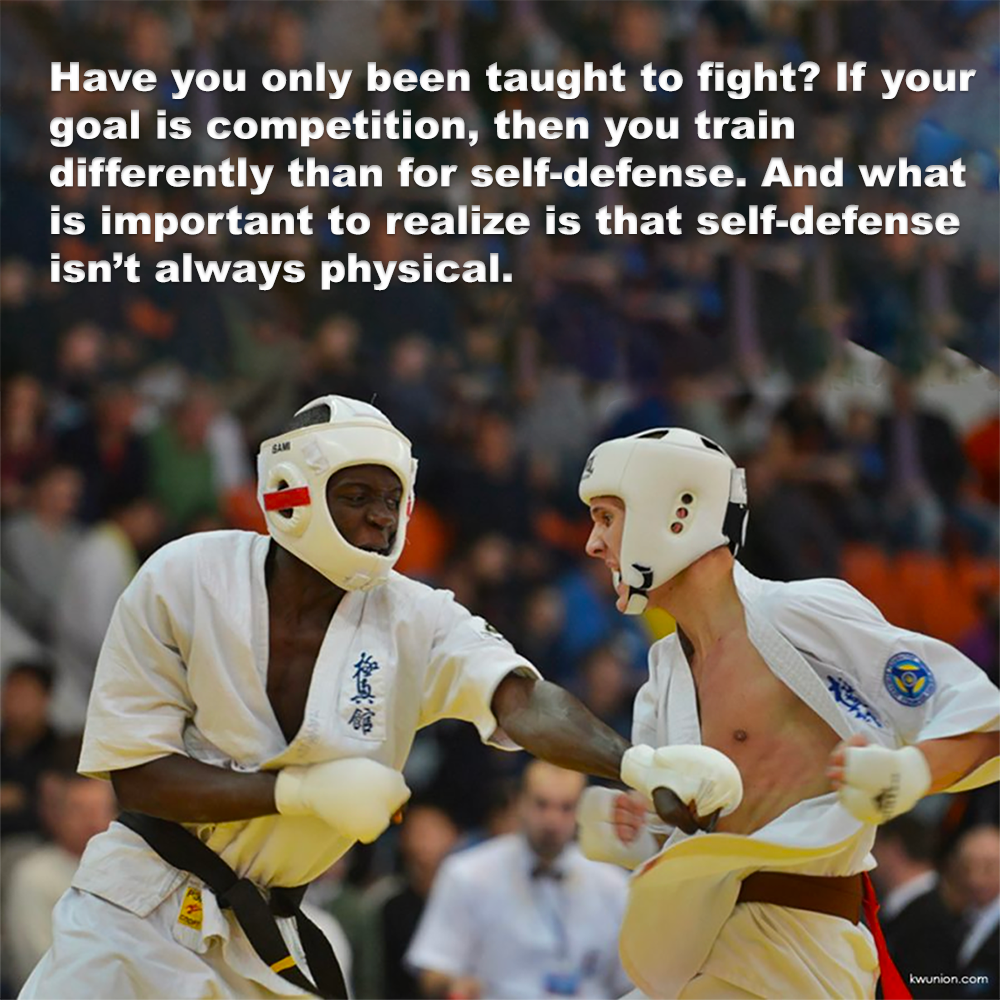
Have you only been taught to fight? If your goal is competition, then you train differently than for self-defense.

It’s incredibly interesting to me how rules determine the efficacy of certain styles of fighting, we can also see rulesets for competition change a martial art entirely. Its one of the reasons why its actually difficult to determine which style of martial art is objectively better (people constantly argue their system is the best). .

Have you only been taught to fight? If your goal is competition, then you train differently than for self-defense. Read More »

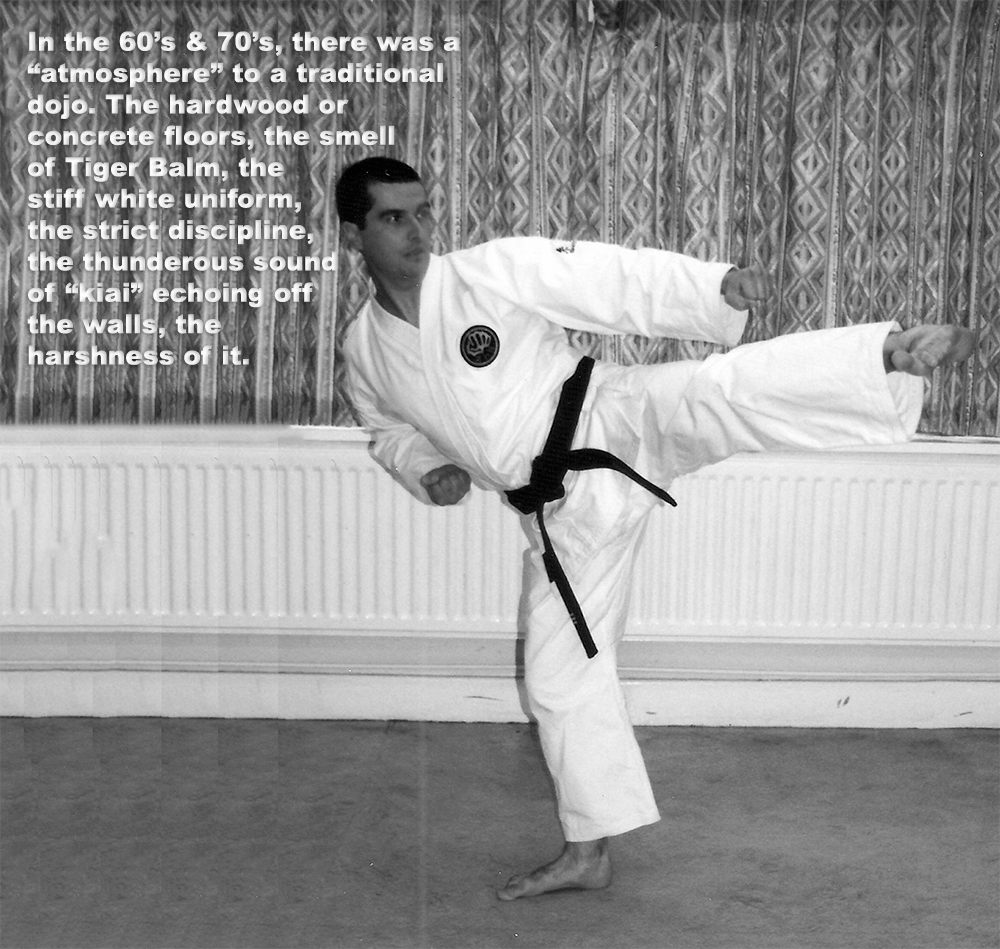
In the 60’s and 70’s, there was a “atmosphere” to a traditional dojo.

In the 60’s and 70’s martial arts were a cult. If you missed a session everyone would want to know where you were. Training practices were harsh and very dangerous and injuries commonplace. . Everyone attended every seminar and every tournament. Barefoot runs to warm up, barefoot running in the snow during winter just wearing

In the 60’s and 70’s, there was a “atmosphere” to a traditional dojo. Read More »

Don’t just practice at a specific time of the day or week…. Live your art.

There are a number of reasons why you might want to take up a martial art. The regular physical practice can help you keep fit, build confidence, and let off steam. In the right environment you can learn effective self-defense, or become a tournament competitor (they are different). A martial art can also be a

Don’t just practice at a specific time of the day or week…. Live your art. Read More »

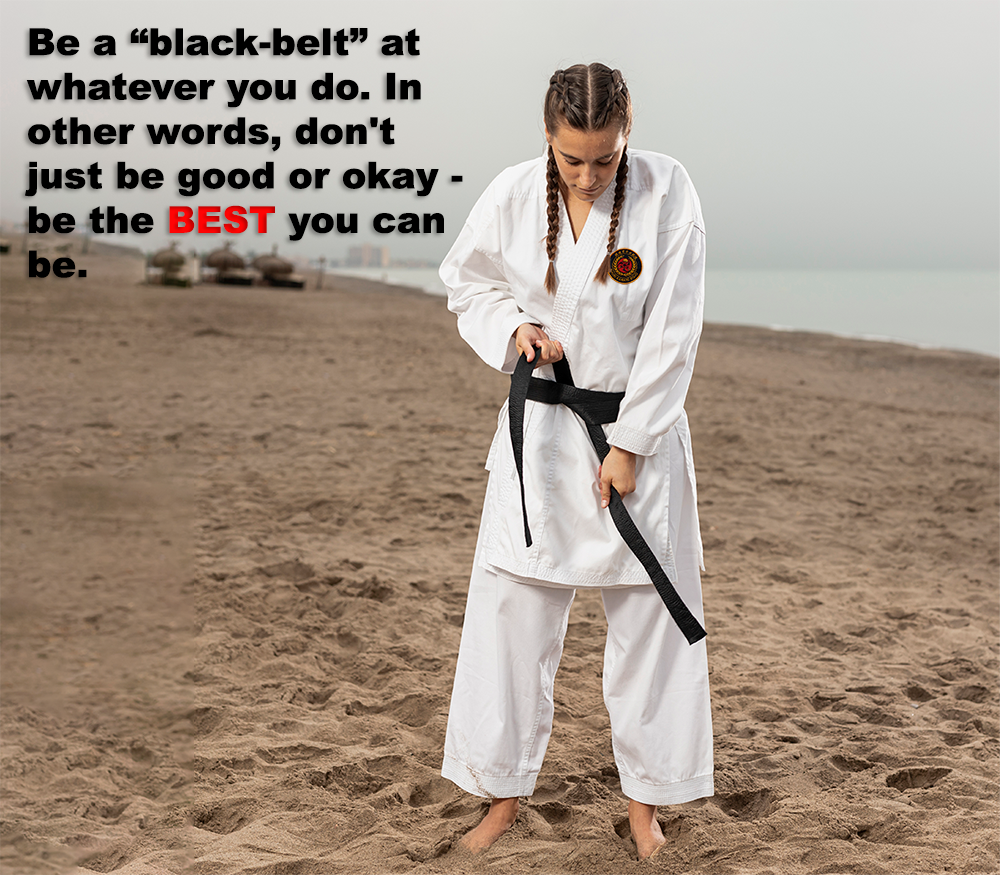
Be a “black-belt” at whatever you do. In other words, don’t just be good or okay – be the BEST you can be.

Teachers teach content then test students. This cycle of teaching and testing is familiar to anyone who has been a martial arts student. Tests seek to see what students have learned. . Tests are supposed to be evaluations that see what you know at a particular point in time. But teaching students to practice for

Be a “black-belt” at whatever you do. In other words, don’t just be good or okay – be the BEST you can be. Read More »

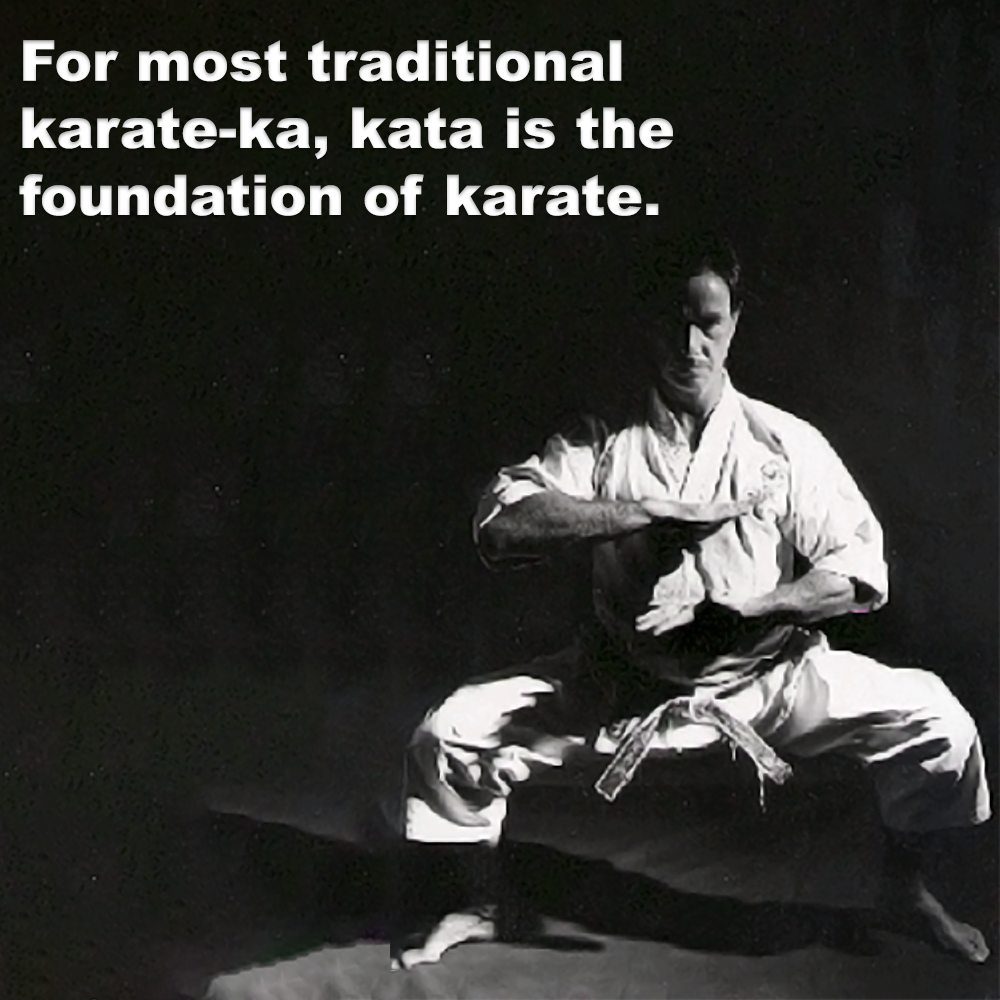
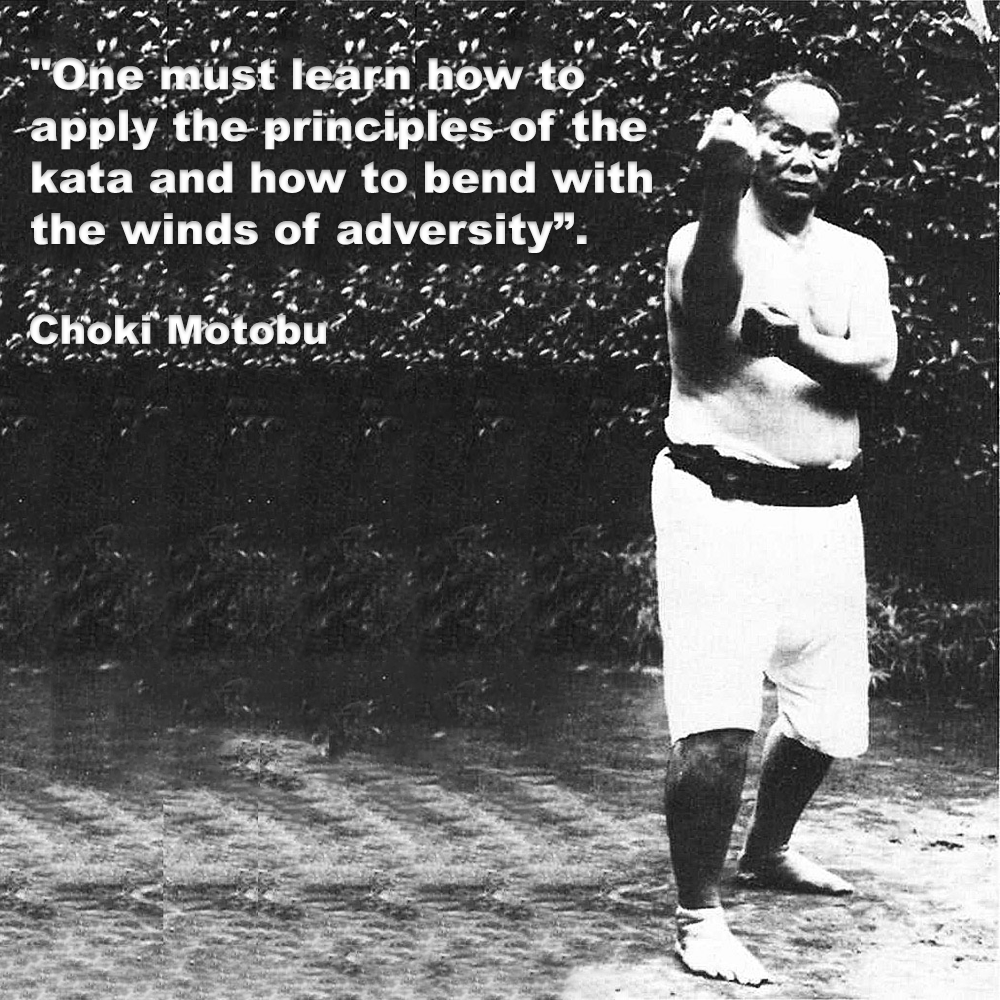
“One must learn how to apply the principles of the kata and how to bend with the winds of adversity”.

Kata are not simply a bunch of techniques one after the other;…. no, each and every kata were created to record the key principles and strategies of a complete fighting system. . Historically, an individual would formulate a kata to record their own personal fighting methods, the styles of the time. . It obviously would

“One must learn how to apply the principles of the kata and how to bend with the winds of adversity”. Read More »

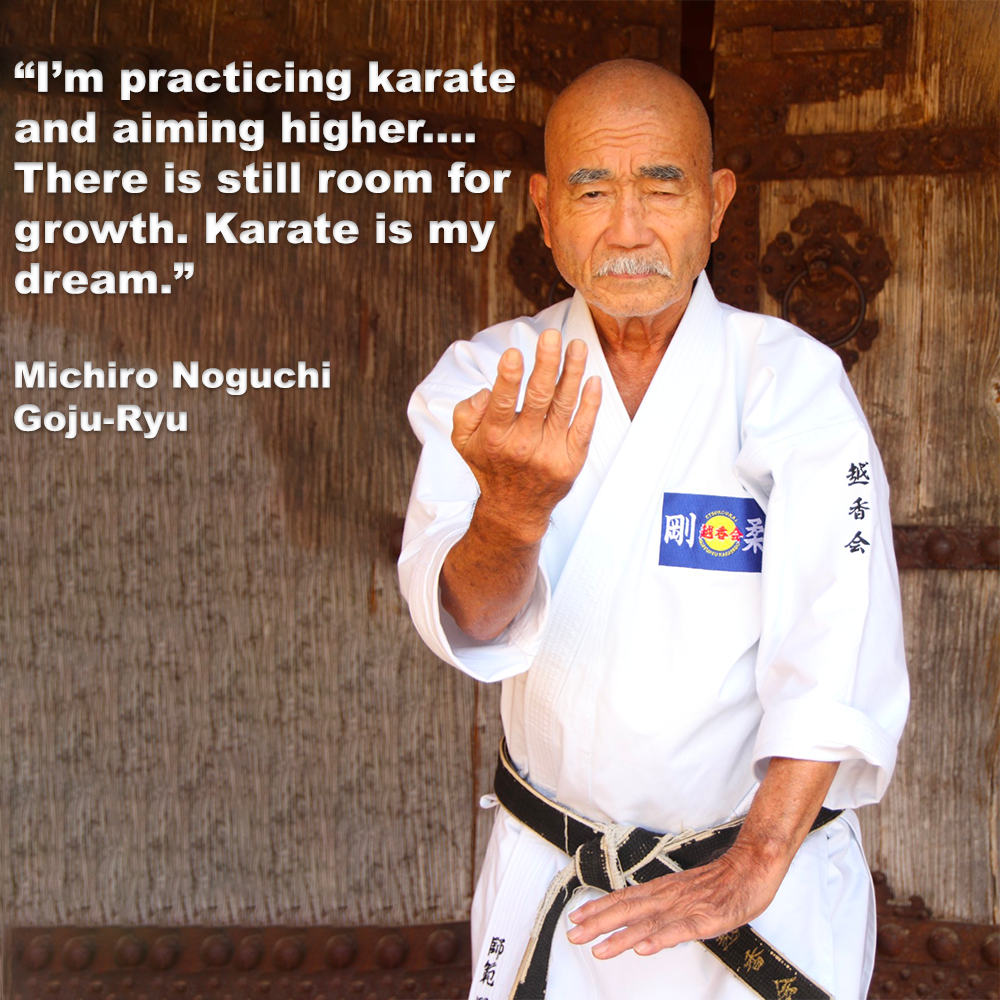
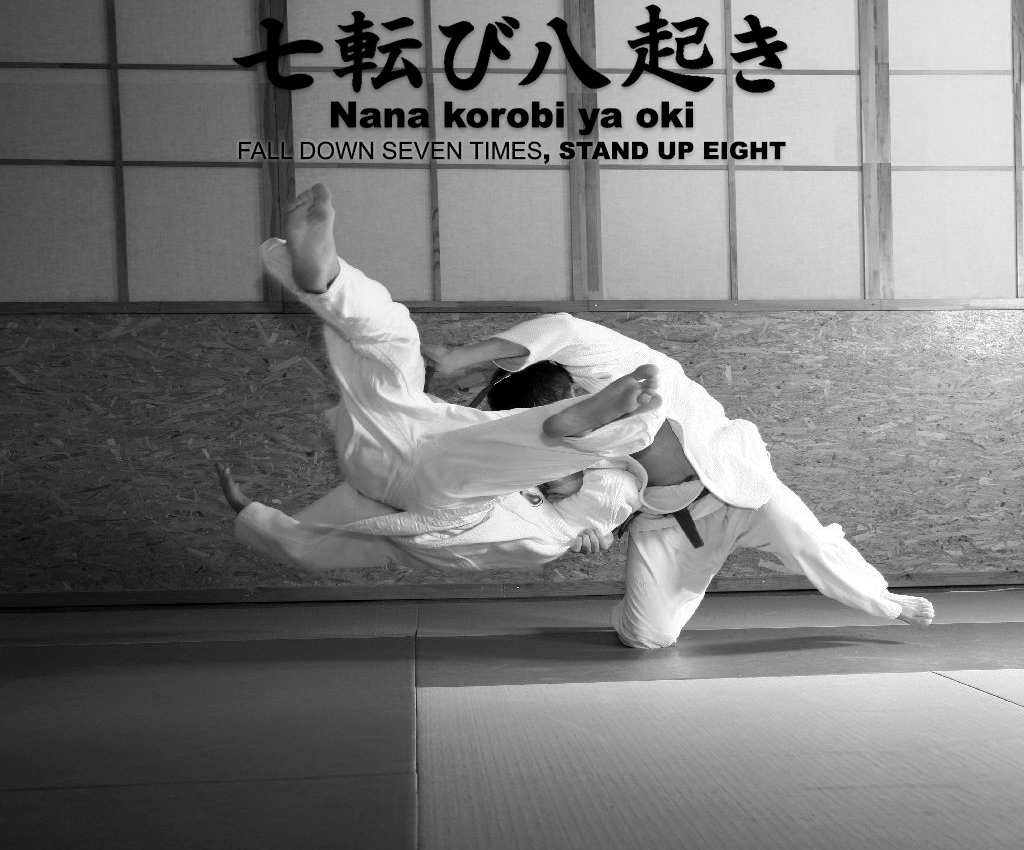
Nana korobi ya oki

When you’re pursuing a worthwhile goal it’s almost inevitable that at some point you’ll think one or more of the following: “This is harder than I thought it would be.” – “Why is this taking so long?” – “I’m getting nowhere with this.” – “I keep failing at this goal.” – “I can’t do this.

Nana korobi ya oki Read More »

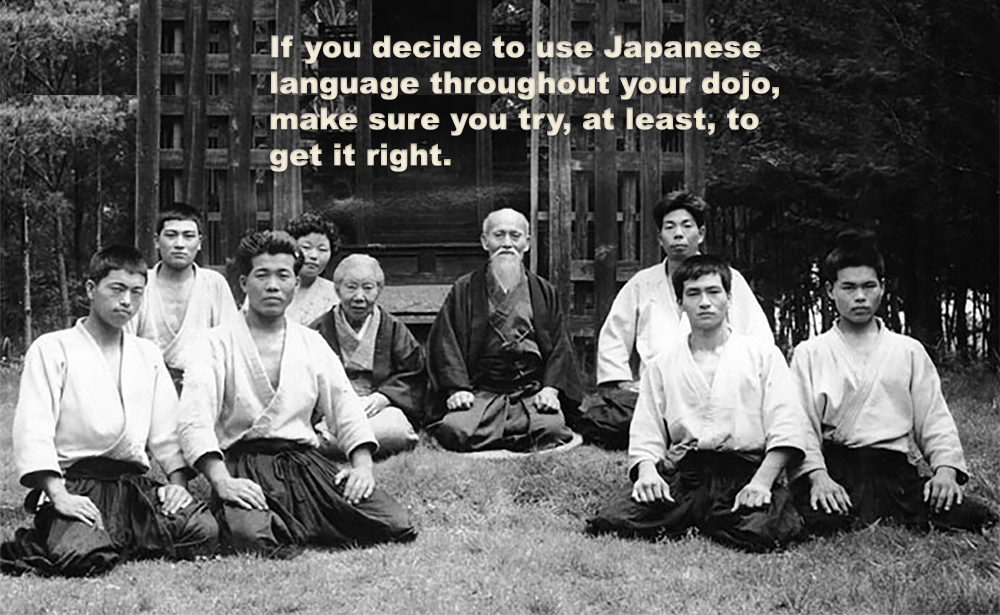
If you decide to use Japanese language throughout your dojo, make sure you try, at least, to get it right.

Karate has an Okinawan/Japanese cultural background, thus it is common to use Japanese terminology and cultural characteristics in the dojo. It’s important that if someone uses Japanese terms that this someone is using them right and knows what they are saying. . In every field of interest, there is a certain risk in using technical

If you decide to use Japanese language throughout your dojo, make sure you try, at least, to get it right. Read More »